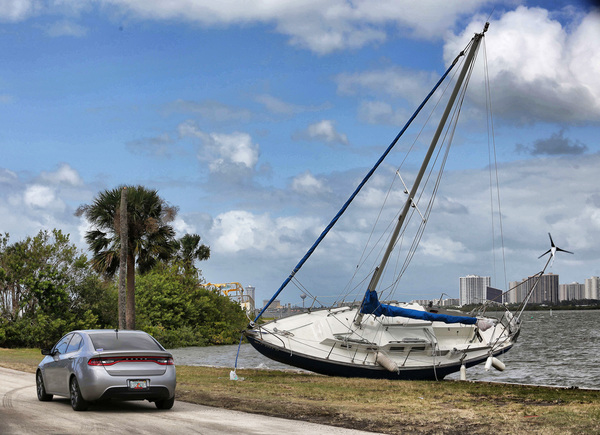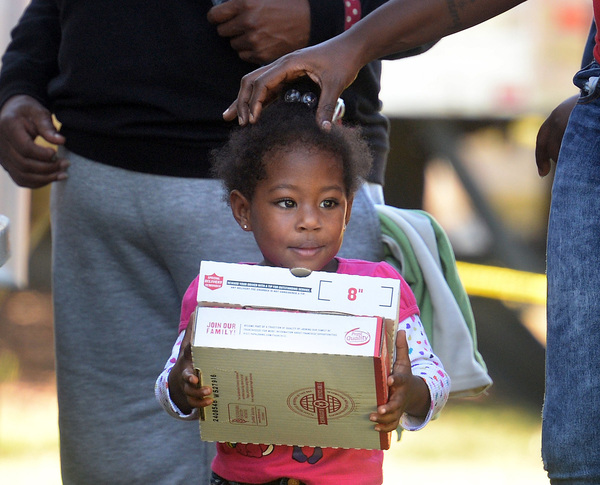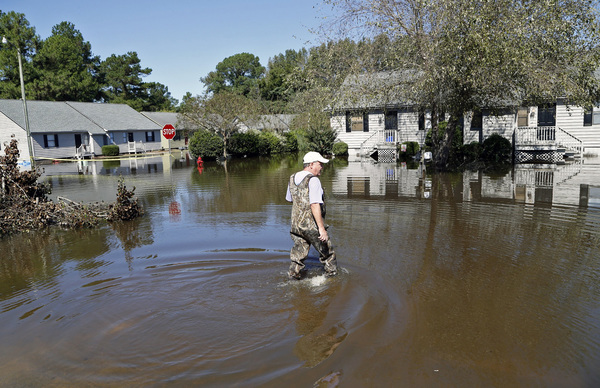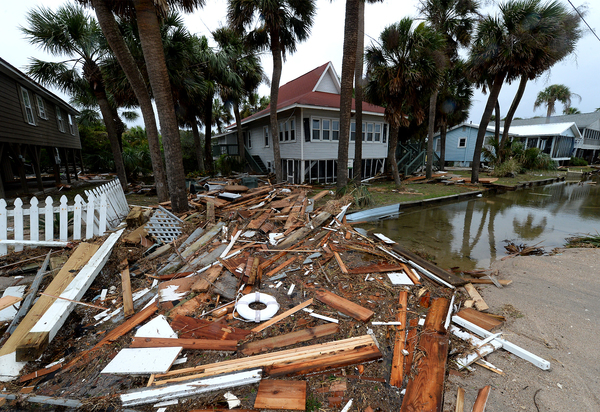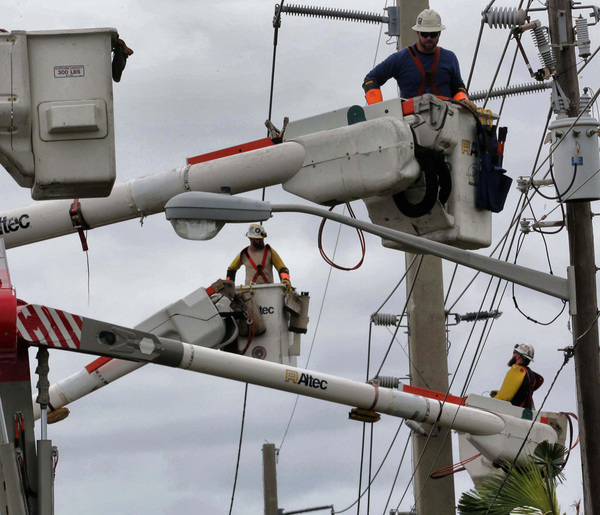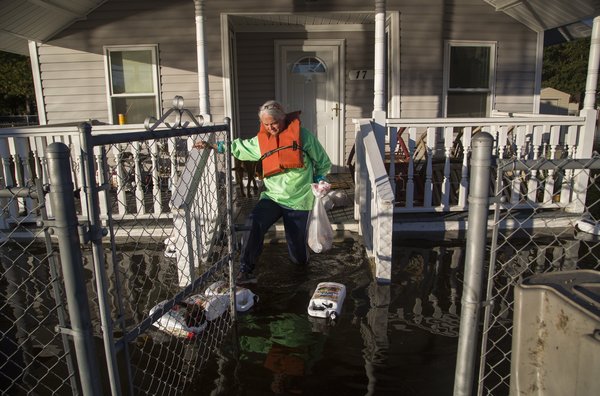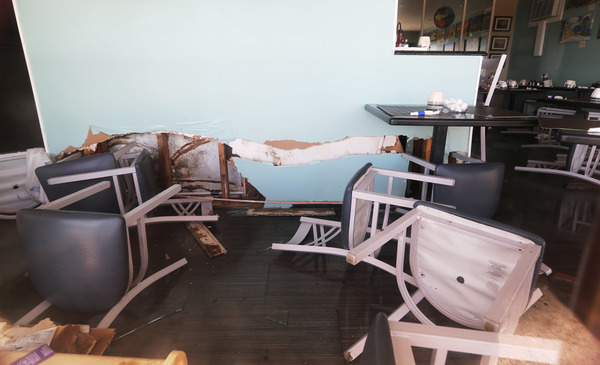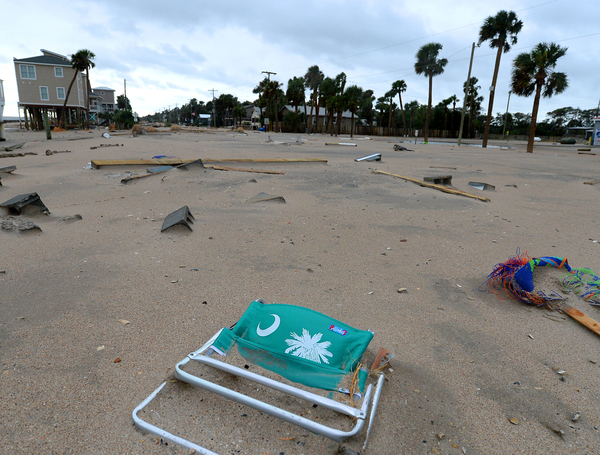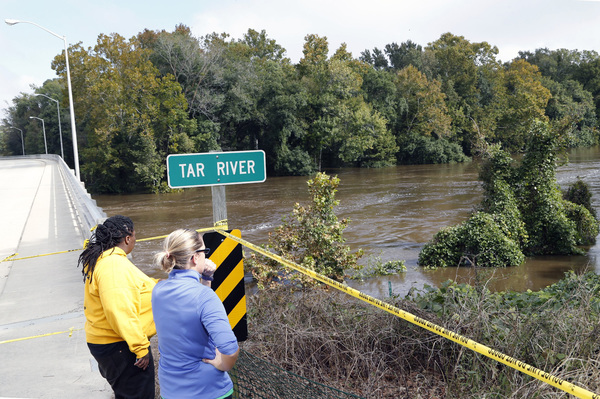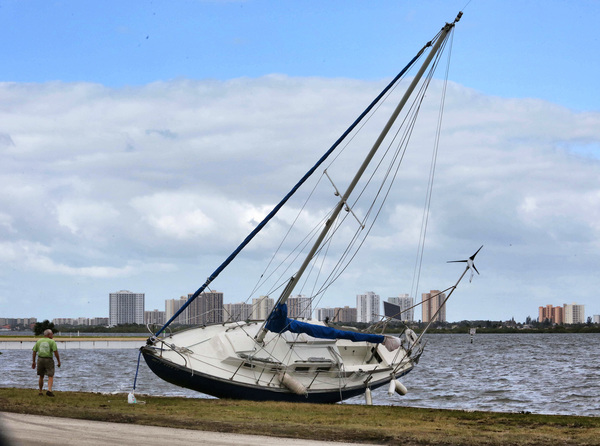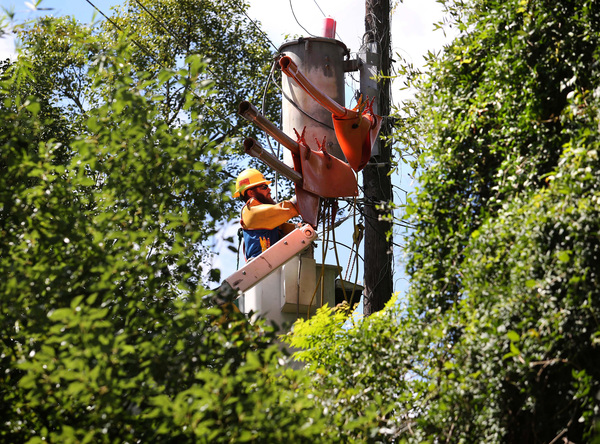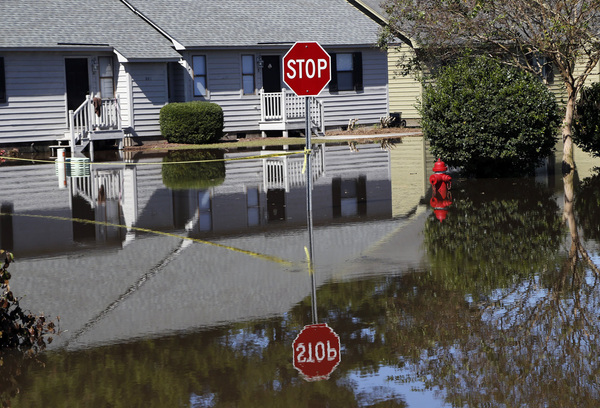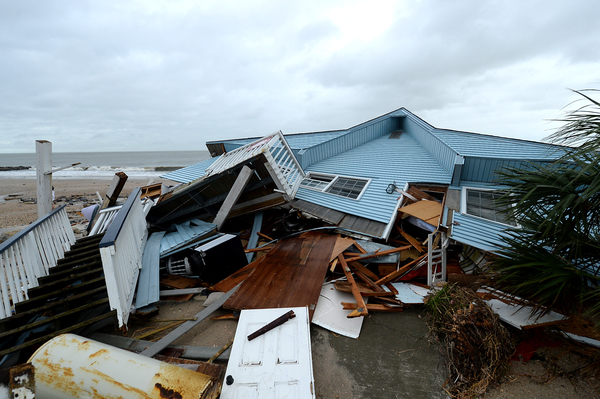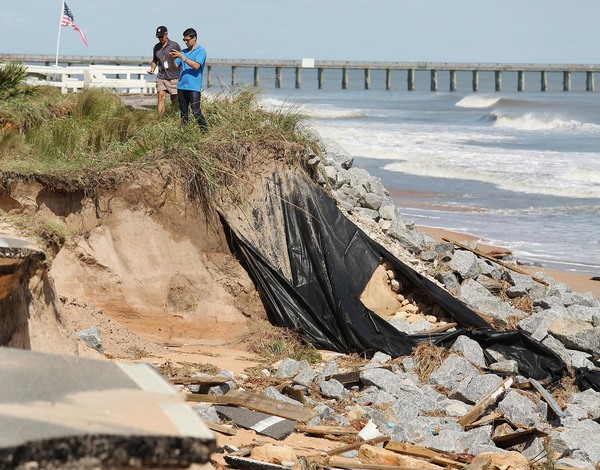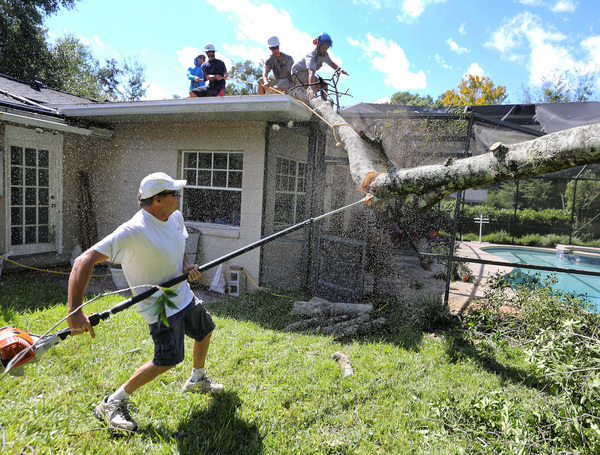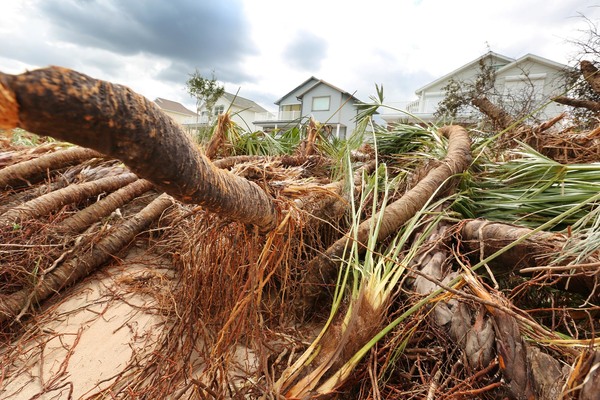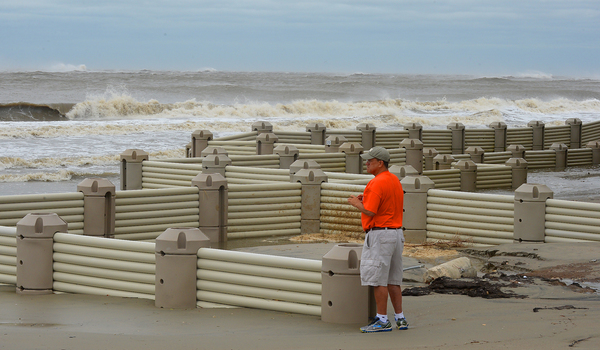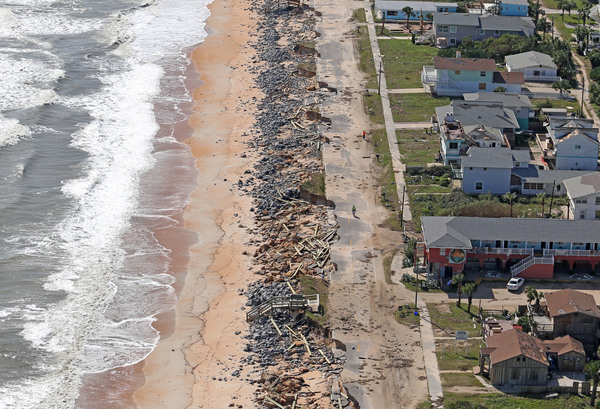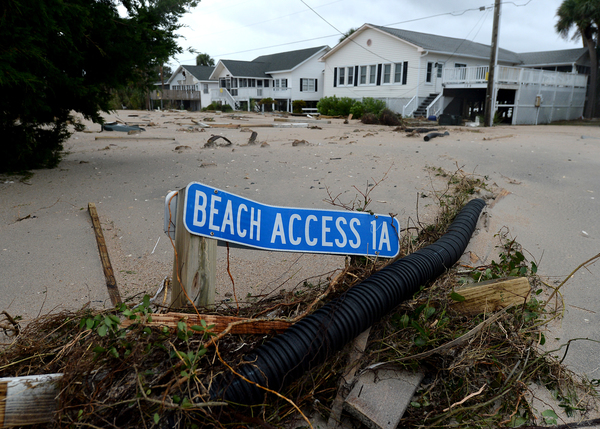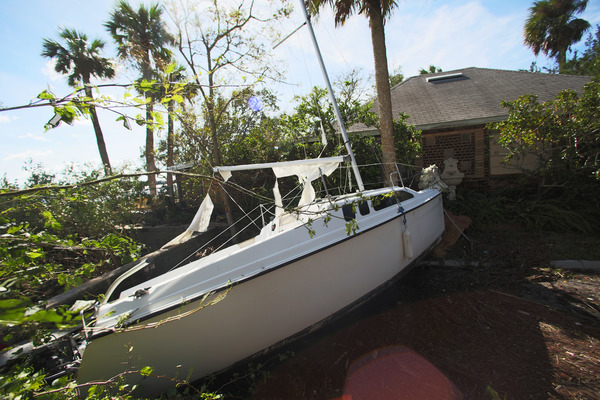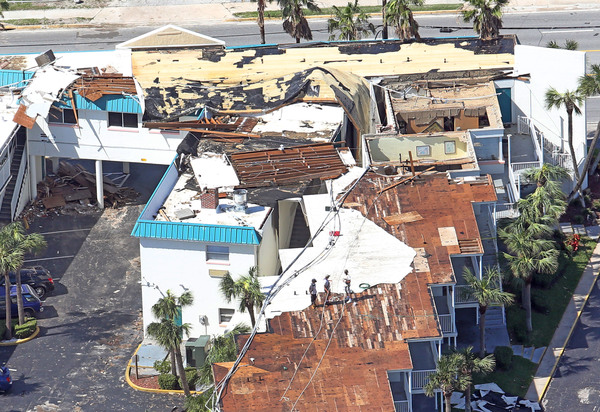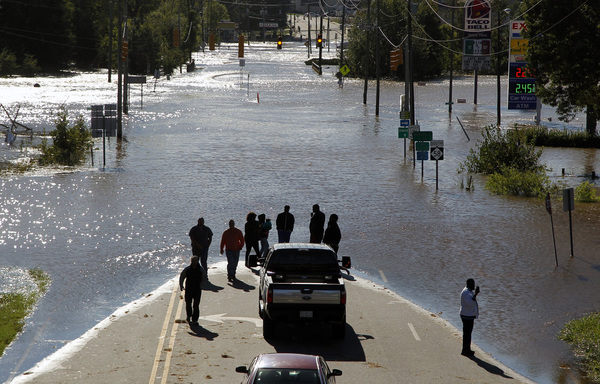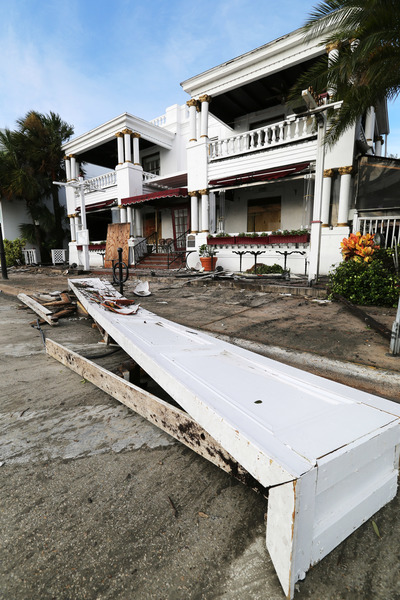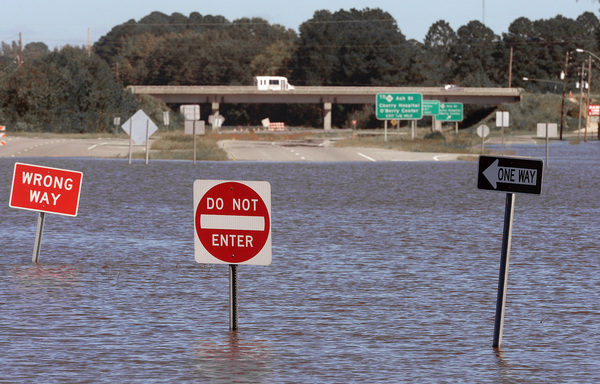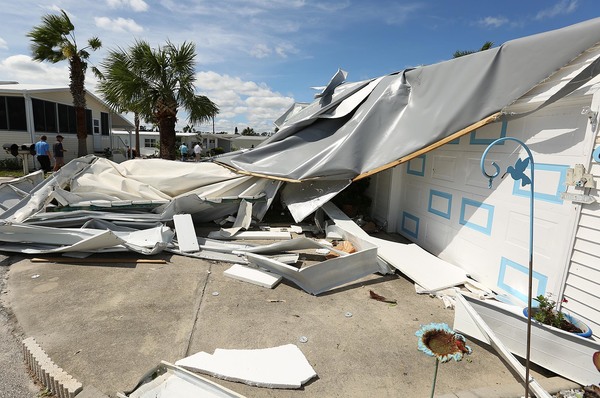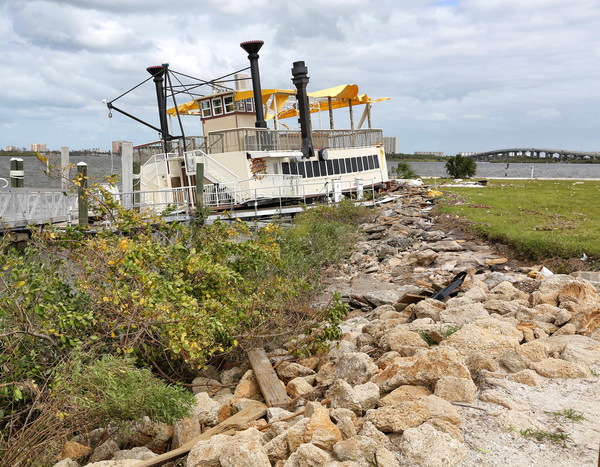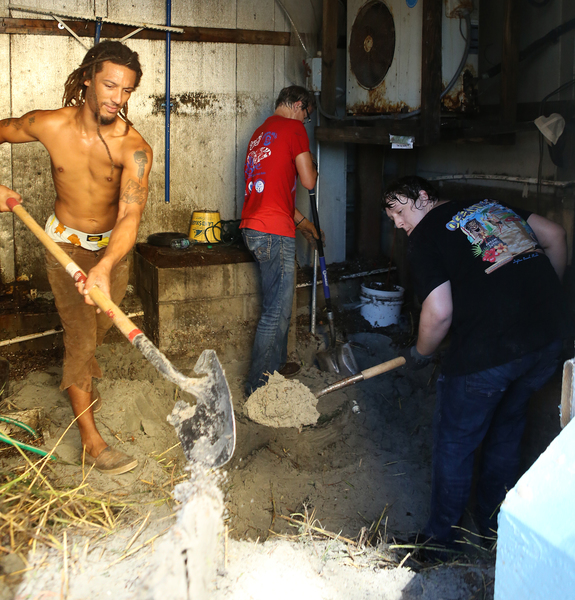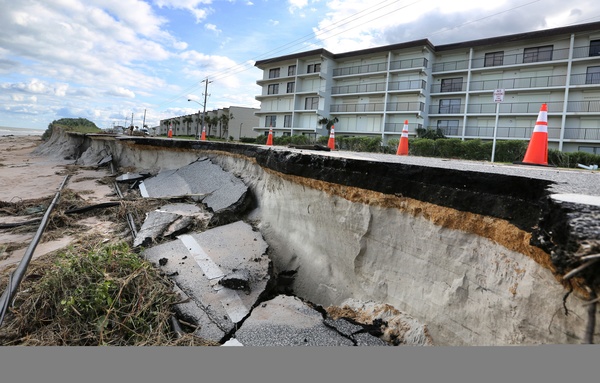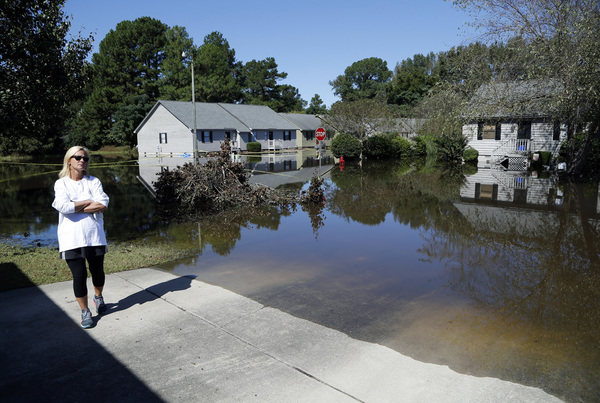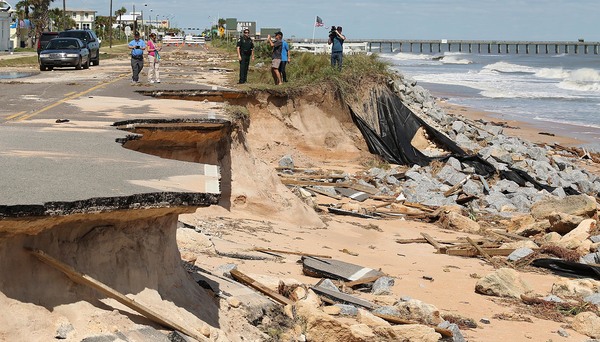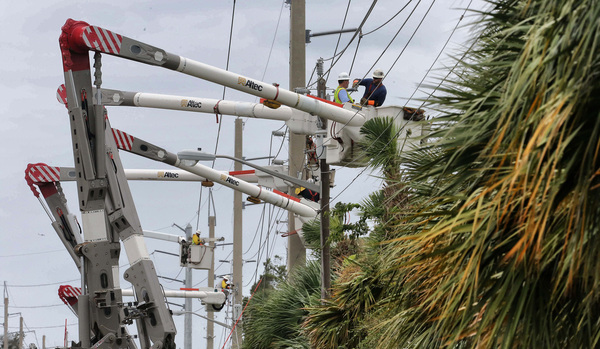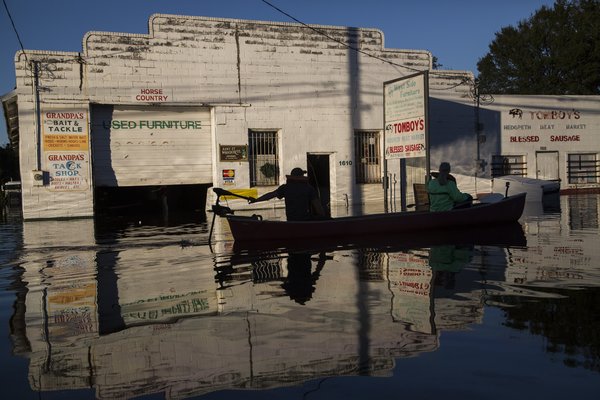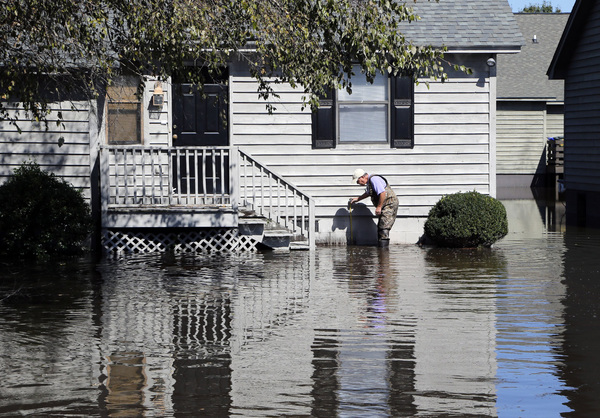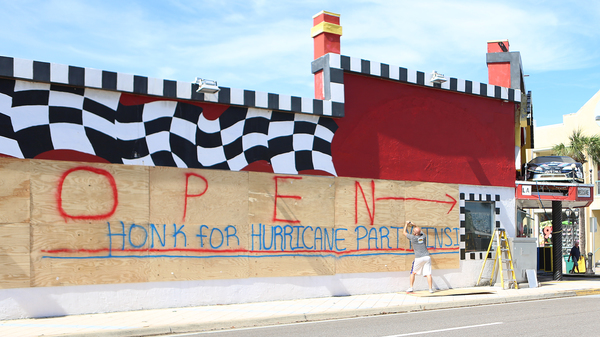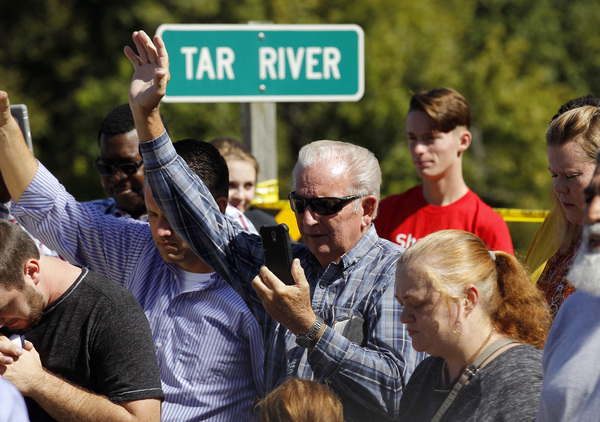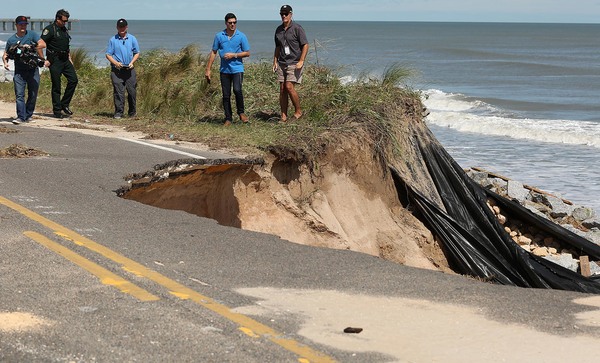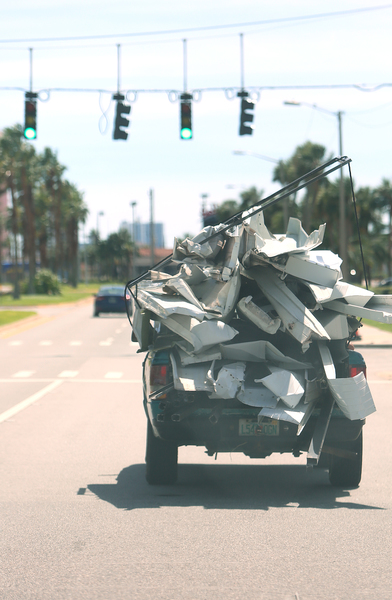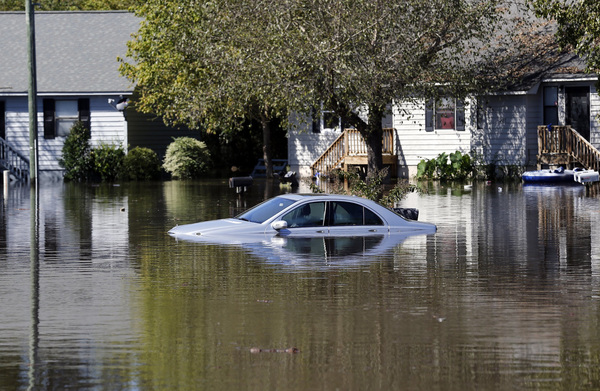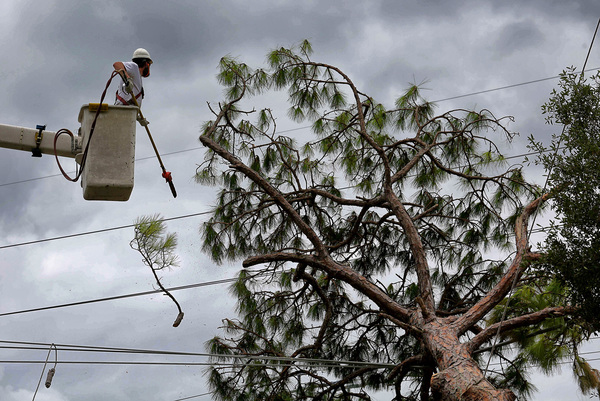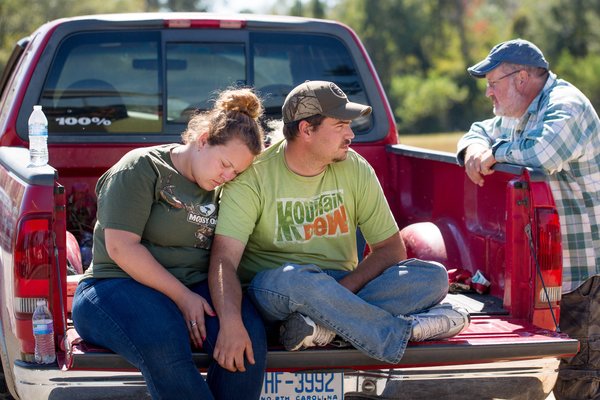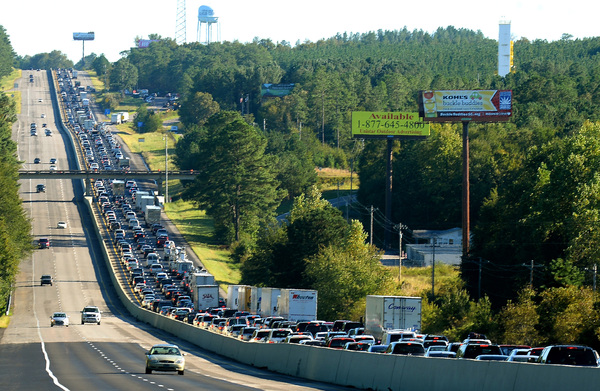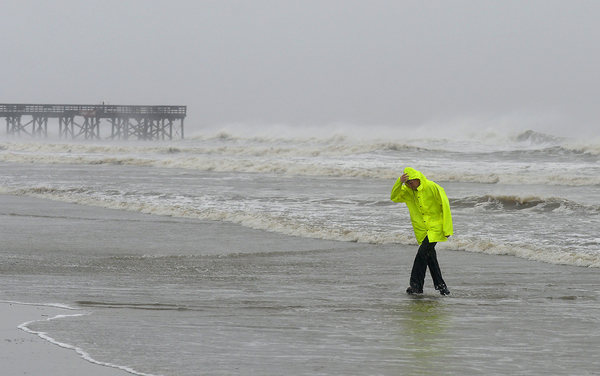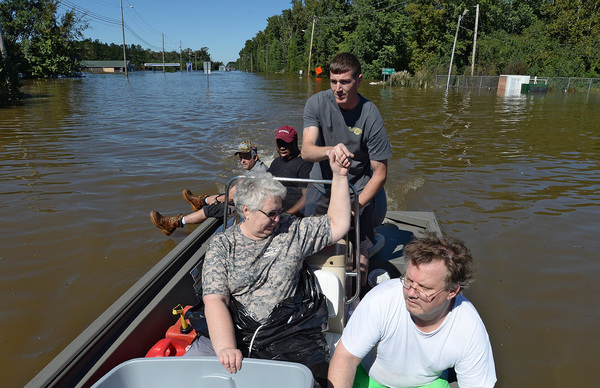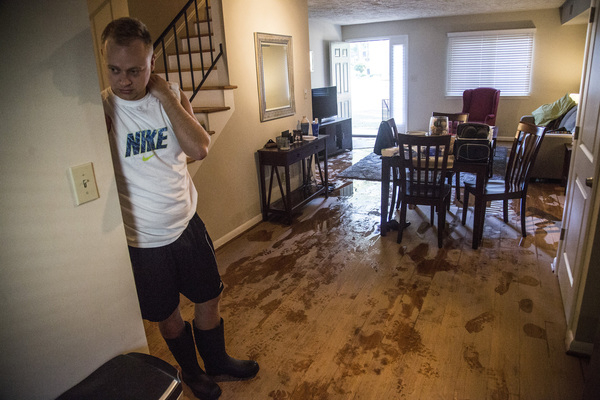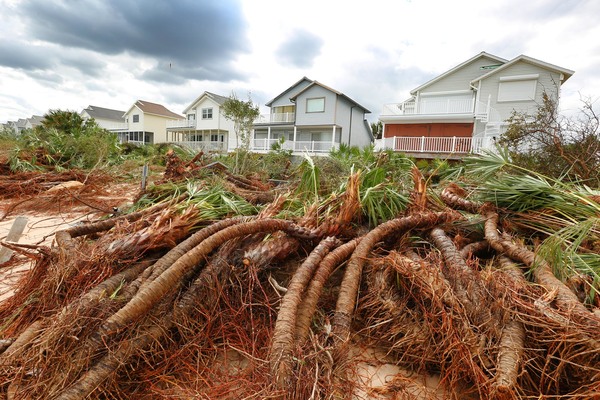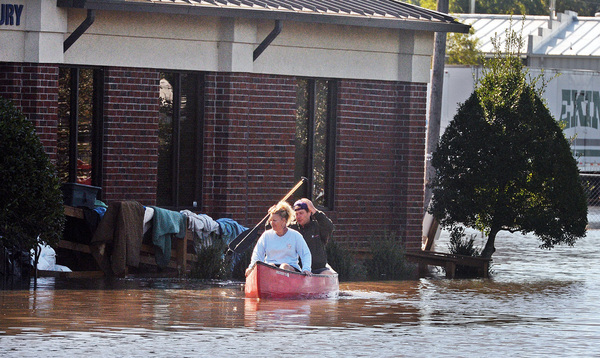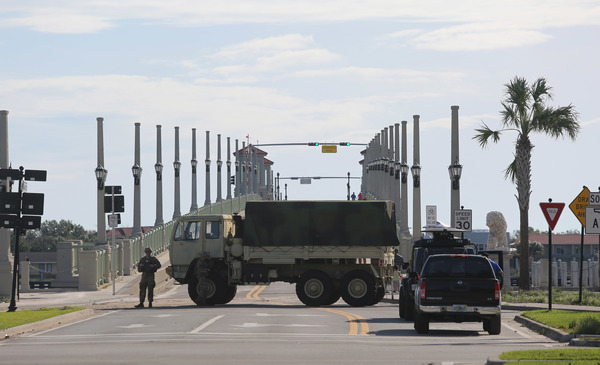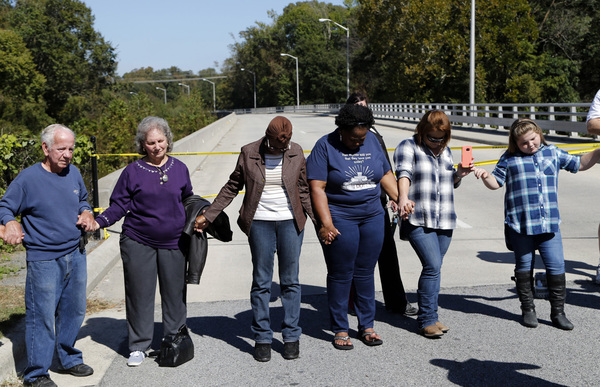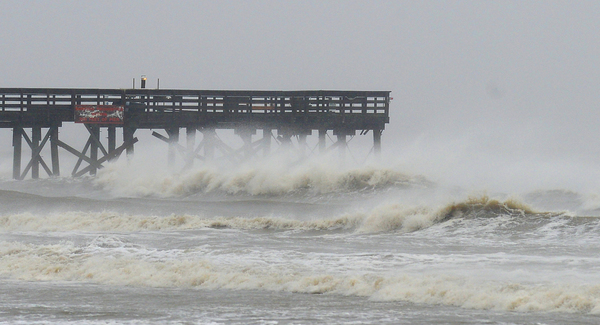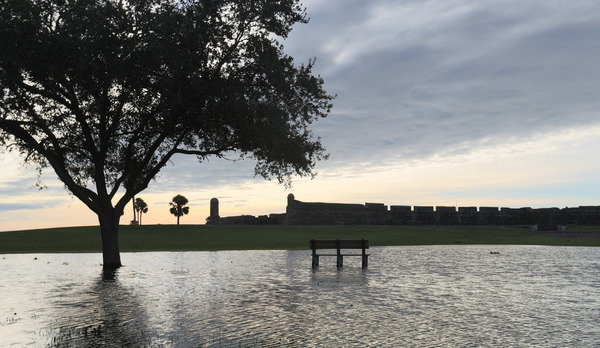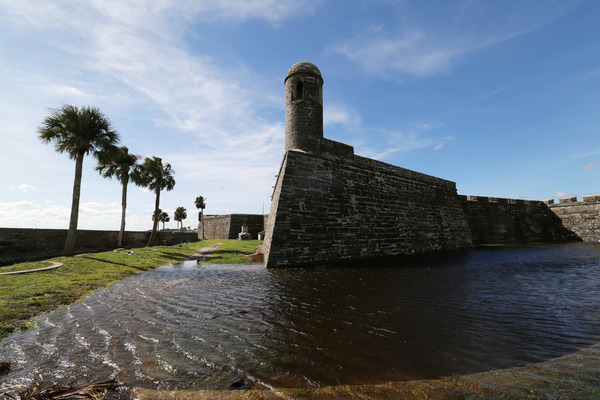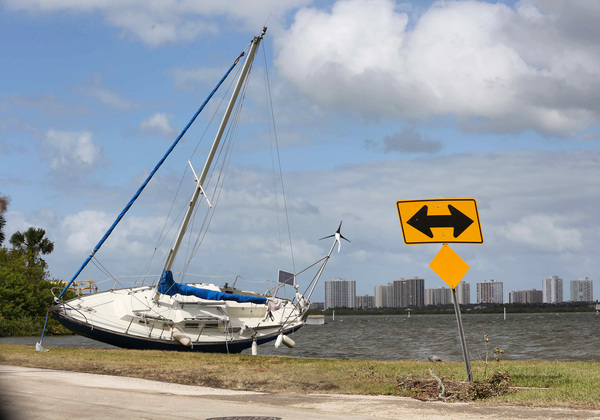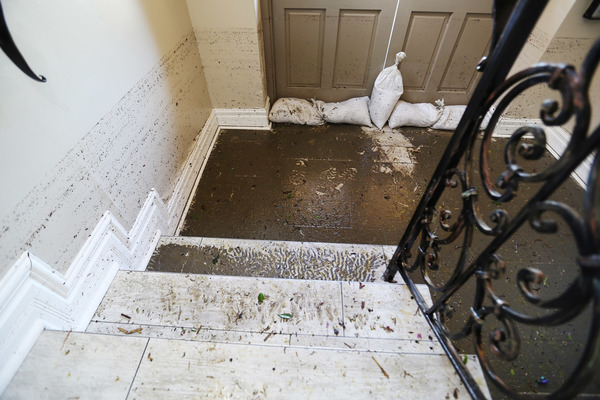
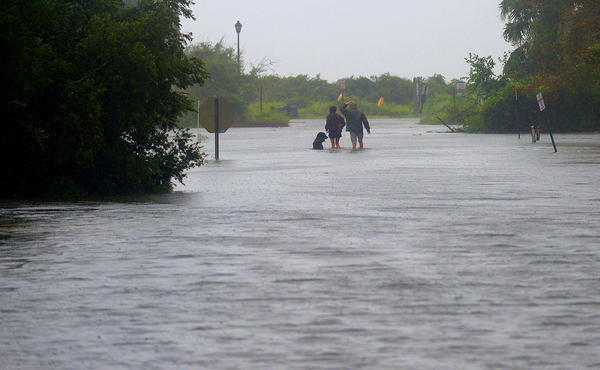
Almost 2 million people were without power and hundreds of flights were grounded as Hurricane Matthew came ashore in South Carolina Saturday, rapidly losing strength along the way.
Matthew weakened to a Category 1 hurricane with winds of 75 mph before crossing the coastline southeast of McClellanville, the U.S. National Hurricane Center said Saturday morning.
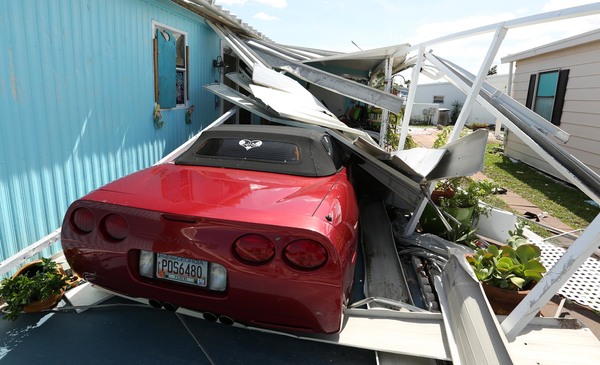
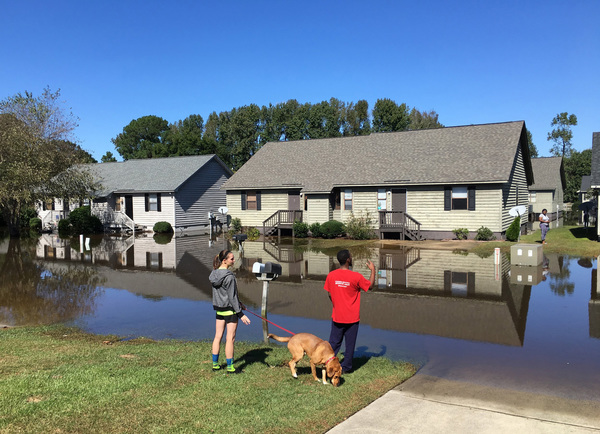
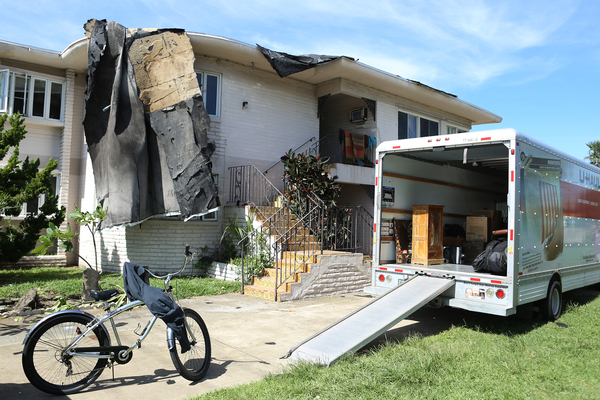
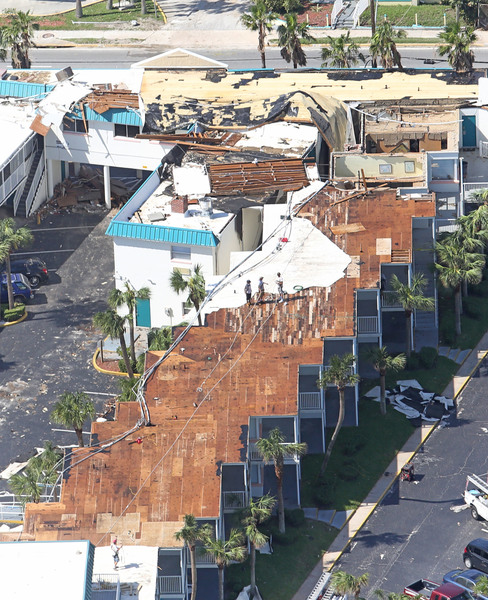
Matthew weakened after laying waste to Haiti, where hundreds of people were killed.. About 1.1 million homes and businesses were in the dark in Florida, and roughly 673,000 had lost power in coastal Georgia and North and South Carolina. The storm disrupted markets for natural gas, hogs, orange juice and other things as traders bet on the extent of supply disruptions. Insurers escaped greater damages because Matthew did not directly hit Florida.
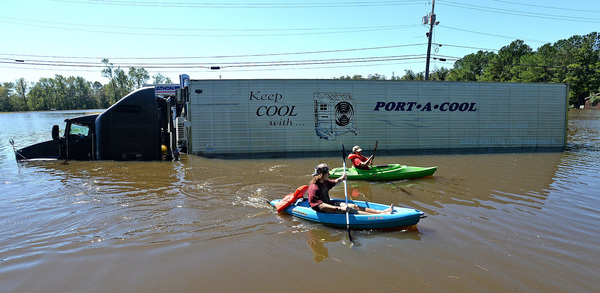
Matthew may have caused $4 billion to $6 billion in insured damage to homes and buildings in Florida, Georgia and South Carolina, according to CoreLogic Inc. , a property analysis firm in Irvine, Calif.
Total losses will be closer to $25 billion to $35 billion, placing Matthew among the top 10 costliest storms in U.S. history, Enki Research catastrophe modeler Chuck Watson said.
By Saturday morning, Matthew just barely met the definition of a hurricane. If its winds fall below 74 mph, it'll be termed a tropical storm.

Walt Disney Co. and Universal Studios reopened amusement parks in Florida. Cruise lines were still rerouting some voyages and canceling stops, according to the website CruiseCritic.com.
Across the U.S., about 1,000 flights were canceled Saturday, most originating from the U.S. Southeast, according to FlightAware, a Houston-based airline tracking company.
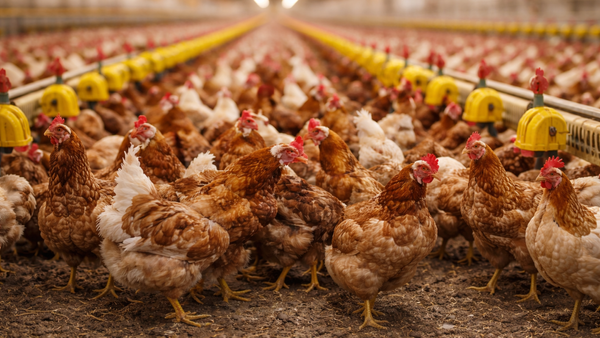
Tyson Foods had closed a plant in Jacksonville, Fla., and Kinder Morgan Inc. closed fuel terminals, a diesel and jet fuel pipeline and a liquefied natural gas terminal near Savannah, Ga..
Twelve U.S. power generators, including two nuclear plants, were in the storm's path, according to data compiled by Bloomberg. NextEra Energy Inc. shut its St. Lucie reactor in Florida before the hurricane arrived.
Cotton and peanut crops were most at risk from heavy rains, David Streit, senior lead forecaster at Bethesda, Md. -based Commodity Weather Group LLC said. The extent of damage to Florida's oranges and grapefruit "may not be known for days," said Shannon Shepp, executive director of Florida's Department of Citrus.
����
(Mary Schlangenstein, Sheela Tobben, Christopher Palmeri, Oliver Suess, Erik Schatzker, Justin Sink, Jim Polson, Mario Parker, Danielle Bochove, Jeff Wilson and Sonali Basak contributed to this report.)