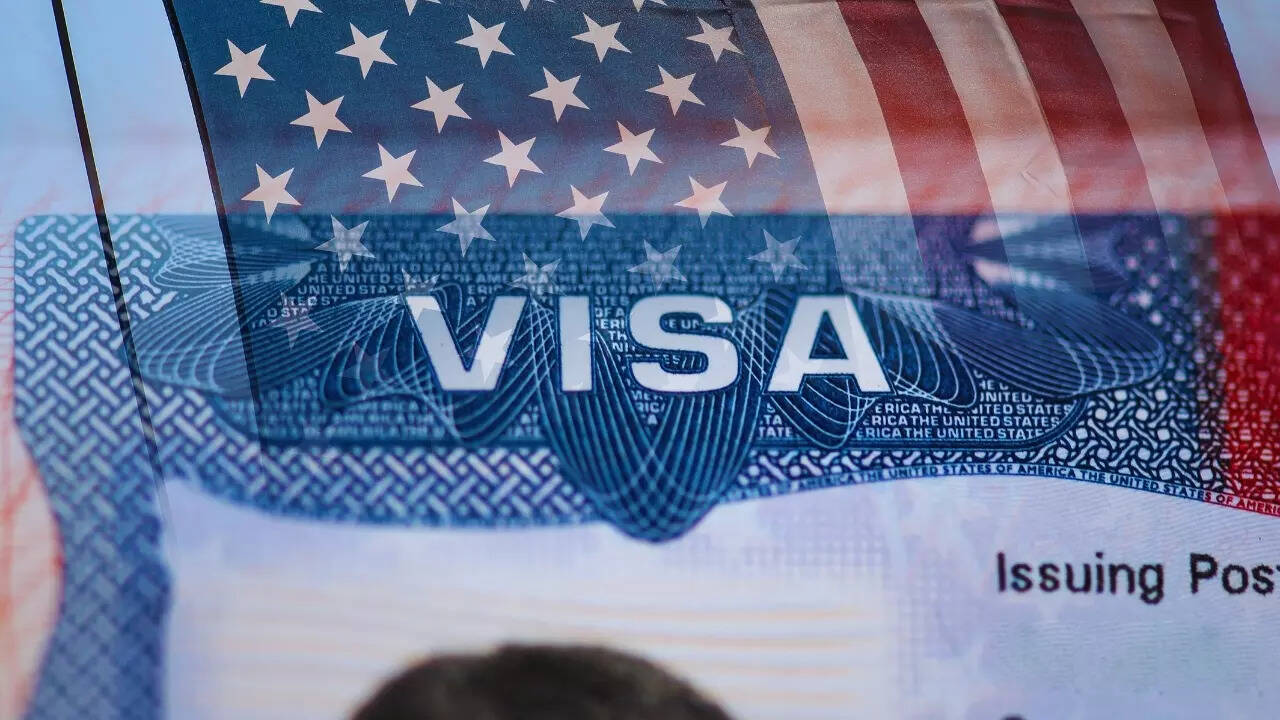
As Amazon has come forward and announced that it would allow its H-1B employees stuck in India to work remotely, experts warned that US businesses risk hefty tax bills if they allow workers this option, as no one knows how long the delay may take. Thousands of H-1B workers are stuck in India since November as they went to India to get stamped for their H-1B visa, but after reaching India, they got to know that their interview schedules have been deferred to 2026.
The delay started as the State Department mandated a new social media vetting for every H-1B and H-4 application across the world. Indian H-1B holders were hit the hardest as Indian consular offices drastically reduced the number of per-day appointments after the social media vetting process began on December 15, 2025. Interview dates were randomly deferred and now applicants who had their dates in 2026 January and February received emails that their dates have been pushed to 2027 -- as a result of the cumulative postponement of dates since December.
'Permanent taxable entity'
Those who are stuck in India and cannot enter the US with a new visa stamping are at risk of losing their jobs. Allowing them to work remotely for an extended period could result in a so-called “permanent taxable entity,” Parizad Sirwalla, partner and national head of tax at Global Mobility Services at KPMG India, told Bloomberg.
If stranded workers trigger the creation of a permanent establishment in India, that new entity would have to pay taxes in India and comply with a myriad of reporting requirements, Sirwalla said. The tax and reporting obligations that would entail mean employers need to carefully analyze activities that workers can perform while present in the country, she explained.
Drop them, find new employees
If the companies fire these H-1B employees and decide to find new employees, they would have to pay a $100,000 fee for new H-1B visa holders if they are not in the US.
US-India income tax treaty
The US and India have a tax treaty since 1989 to avoid double taxation. Under this, a US company is taxed in India only if it has a permanent establishment (PE) in India. But it is not well defined when an entity becomes a PE and experts warn that any time a US company has employees working for it in India, the PE risk remains.