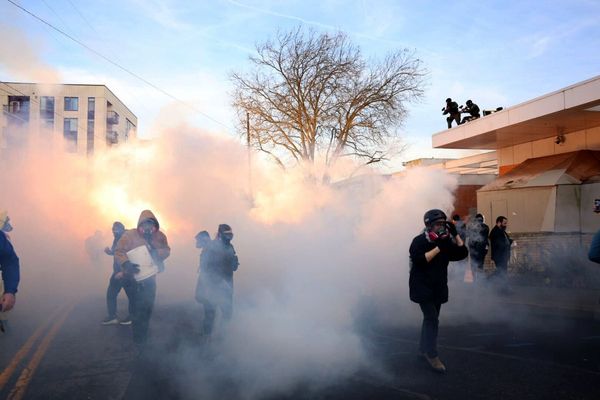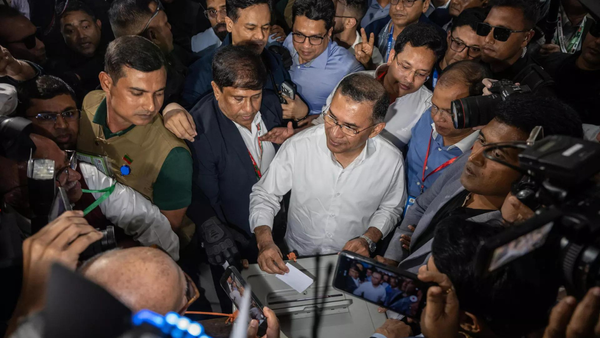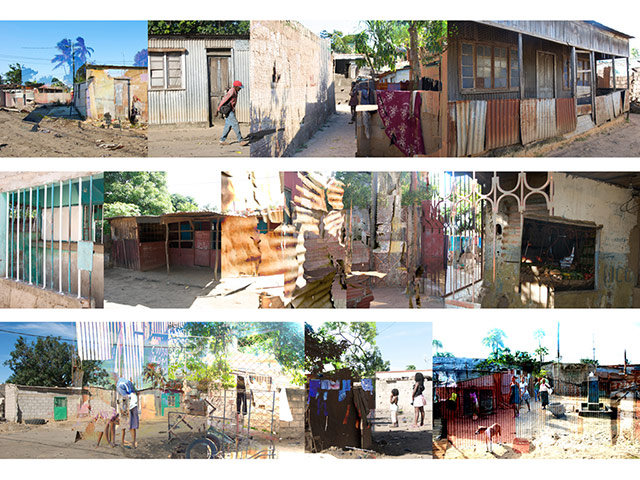
Berry Bickle, Chamanculo
Chamanculo, a suburb of Maputo, is the birthplace of Mozambique's first gold medal winner, Maria de Lurdes Mutola. As well as paying tribute to Mutola, these three friezes "explore the notions of home and belonging... and the contemporary complexities of urbanity in Maputo’s peripheral suburbs". Photograph: Berry Bickle
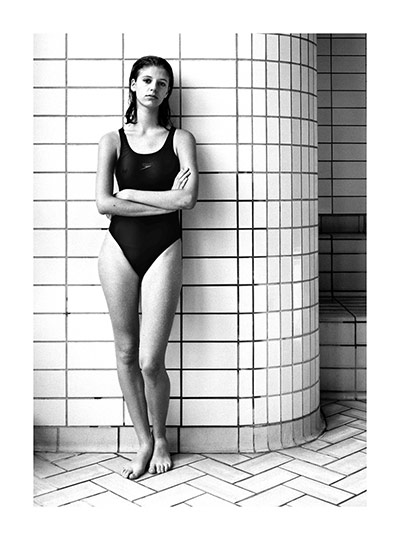
Marie-Jo Lafontaine, Les Baigneuse No. 3
The photographer sought to highlight the youthful vulnerability of the young swimmer and offer "a poignant alternative to the stereotypical presentations of the ‘athlete’". Photograph: Marie-Jo Lafontaine
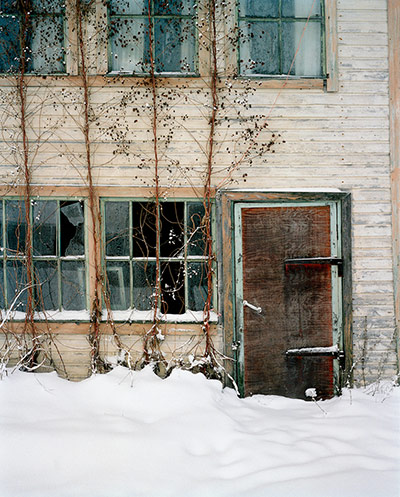
Esko Männikkö, Organised Freedom 50
Männikkö chose the work to illustrate the contrast between the glitzy Olympic site in London and the rustic, remote dwellings from which many Finnish families will view it. Photograph: Esko Männikkö
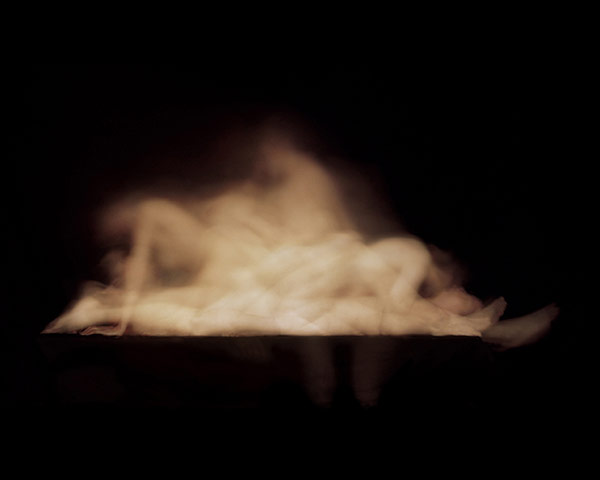
Frederic Delangle, Coit
"The Games are a time for enemies to meet outside the battlefield. [They] encourage love between mankind to be reborn. I wish to celebrate this sentiment by representing the essence of mankind, the act of love." Photograph: Frederic Delangle
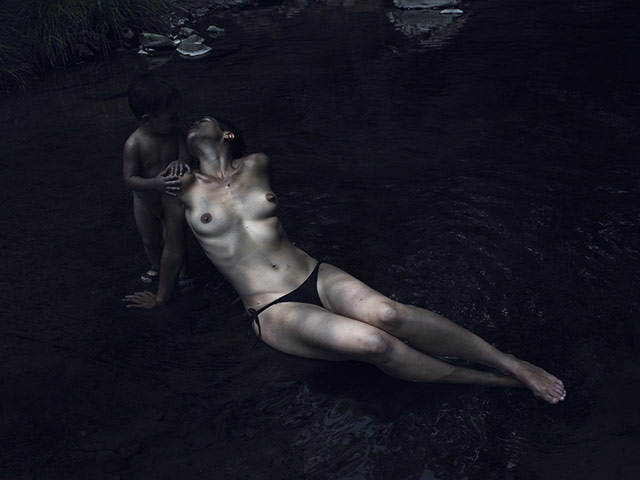
Christopher Anderson, Marion, New York 2010
A portrait of the Canadian-American photographer's wife Marion, who is half French and half Catalonian Spanish, and son Atlas, who already speaks three languages. "My family is a sort of mini-Olympiad… a coming together of nations." Photograph: Christopher Anderson/Magnum
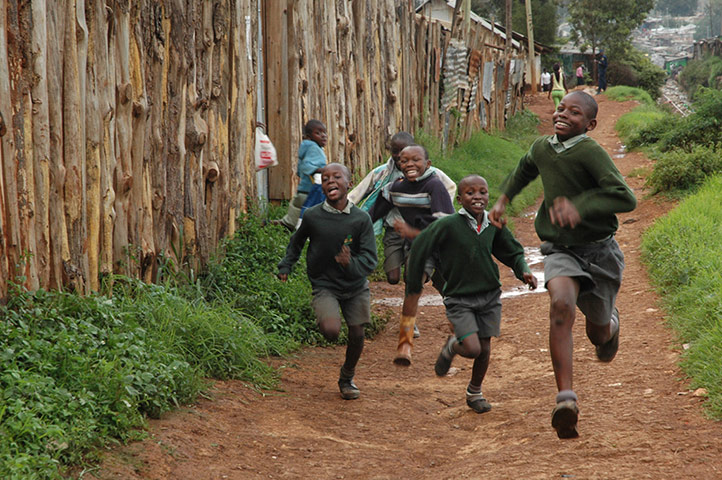
Anno's Africa's young photographers at Spurgeon's Academy, Sprint Training by the Railway Track in Kibera
The photograph was taken by, and of, children attached to an artistic charity in Nairobi's biggest slum. Famous Kenyan running skills are on display here at a young age. Photograph: Anno's Africa
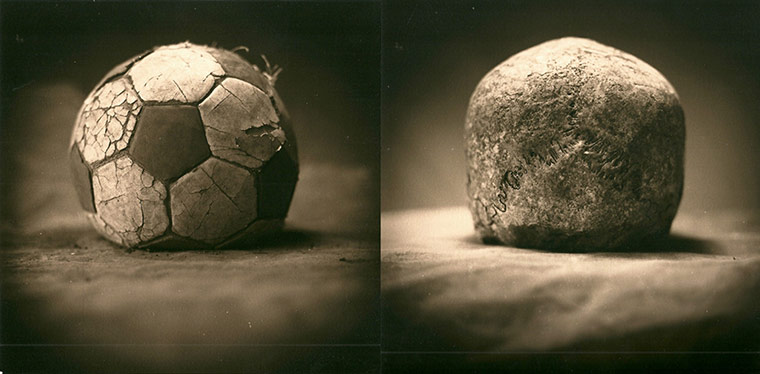
Luis Gonzalez Palma, Silence Floats in Silence
According to the artist, the work "reflects on the way certain sporting events in recent Latin American history have been employed by the government in power to gloss over underlying tensions in their countries". Photograph: Luis Gonzalez Palma
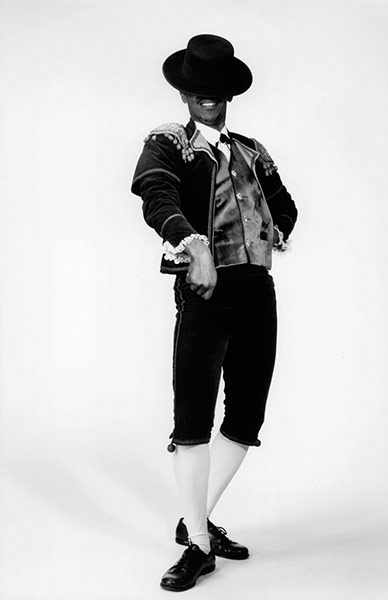
Aime Ntakiyica, Wir
Ntakiyica parodies the way nations stereotype society they don't properly understand. "The work stands as reminder of the tensions that underlie global gatherings like the Olympics." Photograph: Aime Ntakiyica
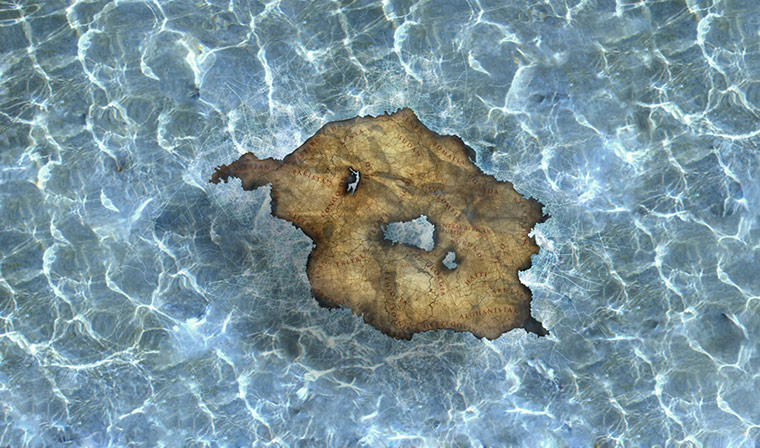
Jun Nguyen Hatsushibam, Breathing is Free: 12,756.3 - Pangea Ultima
To mark the games, the artist "produced a map of Pangea Ultima, the supercontinent that is believed will emerge over the next 250m years". Photograph: Jun Nguyen Hatsushiba

Chen Chieh-Jen, Surface
Chen Chieh-Jen’s conceptual piece asks to what extent do mediated images, transmitted to television and computer screens around the world, truly reflect the reality of the games? Photograph: Chen Chieh-Jen
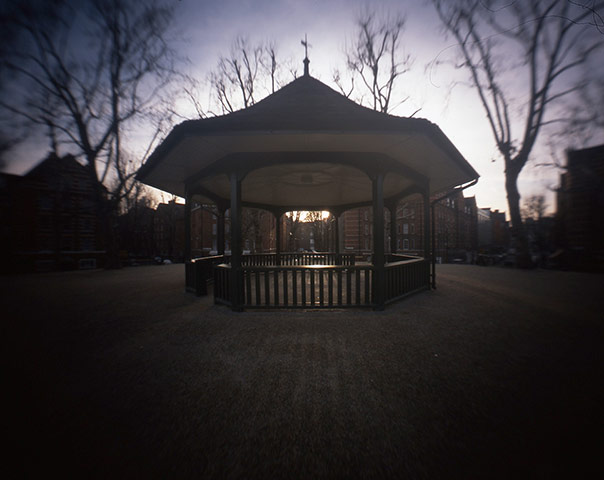
Tom Hunter, Bandstand at the Boundary Estate, East London
Hunter's image of this well-loved Victorian bandstand "makes an interesting counterpoint to the new East End monuments which are being built for the Olympics". Photograph: Tom Hunter
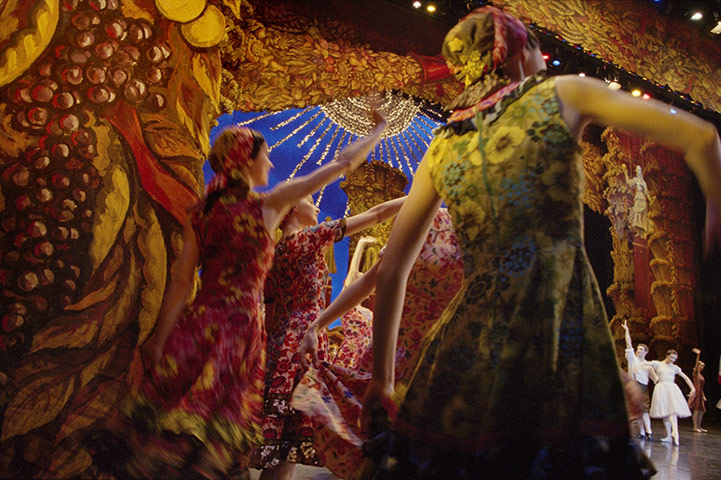
Gueorgui Pinkhassov, The Bright Stream
"The image is from the 1930s ballet The Bright Stream. Its naive portrayal of Stalin’s Kolkhoz (collective farms) is a reminder of how the Soviet regime used cultural events like the ballet and the Olympics to gloss over the harsh realities in Russia." Photograph: Gueorgui Pinkhassov/Magnum
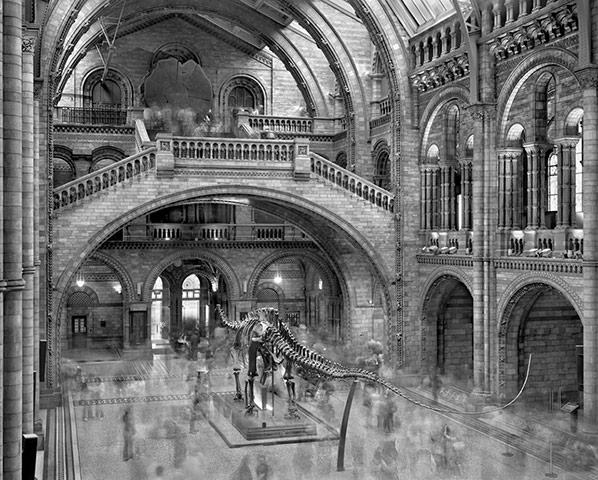
Matthew Pillsbury, Diplodocus: Natural History Museum London
Pillsbury's image "celebrates the city’s historical cultural epicenter on the other side of London from the sleek new Olympic site [and] begs the question: what will the Olympic site say about contemporary London in centuries to come?" Photograph: Matthew Pillsbury
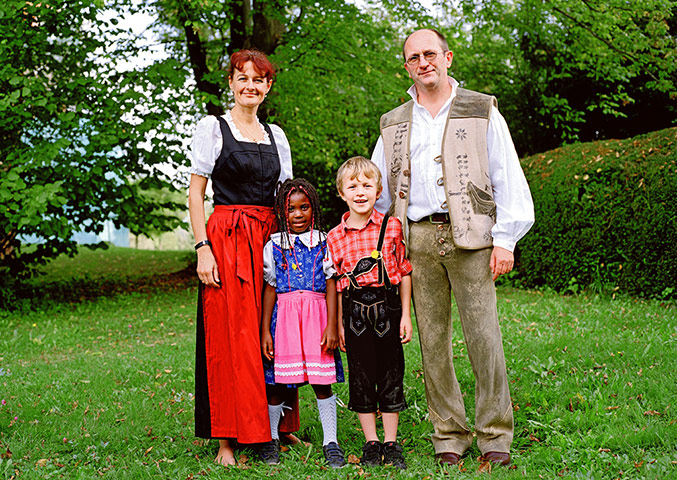
Calvin Dondo, New German Family
According to Dondo: "This work is part of my ongoing interest in an incentive that began in Germany in 2006 to encourage families to adopt children from underdeveloped countries. I chose this work because it deals with citizenship, immigration, migration and dual identity, concepts that – in today’s multiethnic, globalised society – have a huge impact on the way many people relate to ‘their country’ in the Olympics." Photograph: Calvin Dondo