Markets are shifting attention to the September meeting of the Federal Reserve after the US central bank left its interest rates unchanged on Wednesday, with analysts predicting another cut is possible this year.
The Fed's decision to leave interest rates unchanged at 3.50-3.75% this week as widely expected has done little to dispel expectations that borrowing costs could rise once more this year, say analysts, noting that persistent inflation, geopolitical risks and higher energy prices continue to cloud the policy outlook.
Investors are monitoring upcoming US inflation data, developments in the Middle East and major central bank meetings, while financial markets remain sensitive to changes in interest rate expectations.
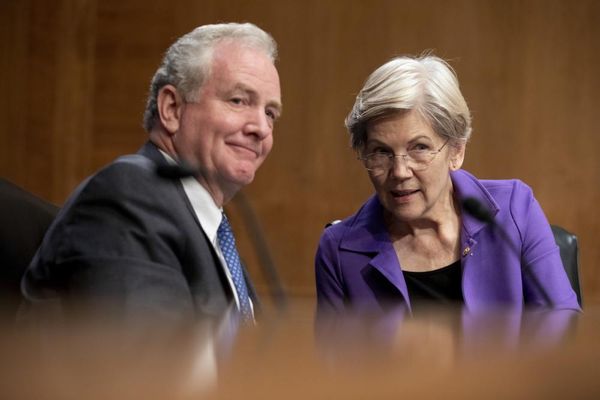
Three Fed officials dissented in favour of a 25-basis-point rate hike, marking the largest hawkish dissent since September 2016. The dissenting officials argued that inflationary pressures remain too strong after prices have stayed above the Fed's 2% target for more than five years.
They also cited higher US import tariffs under President Donald Trump and rising energy costs linked to tensions with Iran as additional upside risks to inflation.
SEPTEMBER IN FOCUS
Piyasak Manason, head of economic research at InnovestX Securities, said the market's attention has shifted to the Fed's September meeting.
According to CME FedWatch, investors see a 57% probability of a rate hike in September and an 83% chance the Fed will raise rates at least once before the end of this year.
Despite those expectations, InnovestX maintains its house view that the Fed will keep rates unchanged for the rest of the year at an average policy rate of 3.63% under chairman Kevin Warsh.
The brokerage forecasts average US inflation of 3.3%, expecting price pressures to ease if crude oil prices retreat after geopolitical tensions subside.
Mr Piyasak said the key factors to watch are US CPI data for July and August, as well as developments in the Middle East. Sustained high oil prices could fuel inflation beyond expectations and force the Fed to tighten policy further.
InnovestX also projects the European Central Bank to deliver one more rate increase to 2.5% in October, while the Bank of Japan and the Bank of Thailand are likely to keep policy rates unchanged at 1% through the year-end.
STRONGER BAHT
In Thailand, the baht edged higher after the Fed meeting as the US dollar weakened and gold prices advanced.
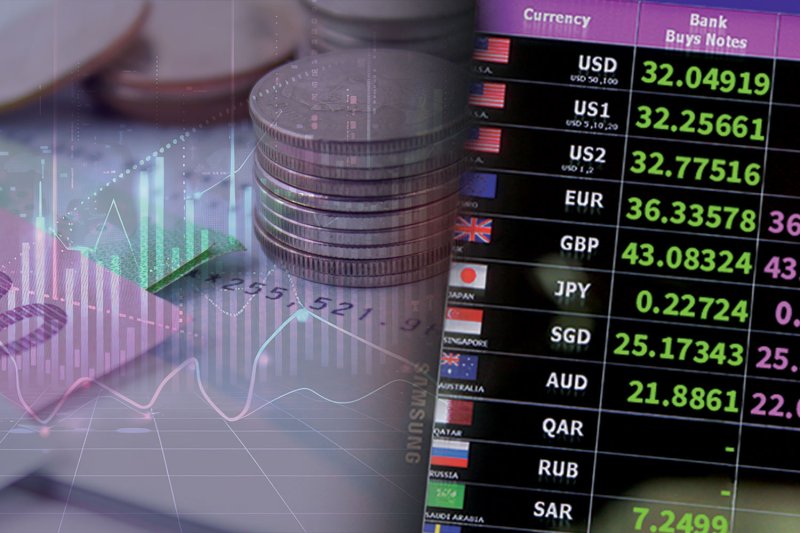
Poon Panichpibool, a market strategist at Krungthai Global Markets, said the baht opened at 33.47 to the dollar on Thursday, compared with 33.57 in the previous session, after investors interpreted Mr Warsh's remarks following the Fed meeting as offering no immediate signal of another rate increase.
However, Mr Poon warned further baht gains could be limited by a risk-off mood in global financial markets. US equities fell while the benchmark 10-year Treasury yield climbed to 4.68%, supporting the dollar and limiting gains in Asian currencies.
Investors are awaiting the Bank of England's policy decision and key euro-zone economic data, which could trigger further volatility in global currency markets.
GOLD GAINS
Hua Seng Heng Gold Futures said gold benefited from a weaker dollar after the Fed opted to wait for additional inflation data before making its next policy move.
Domestic gold prices rose by 700 baht per baht-weight in early morning yesterday, in line with gains in the global bullion market after the Fed maintained its rate.
According to the Gold Traders Association, gold bars traded at 64,750 baht per baht-weight.
The gold trader said the market is balancing expectations of a less aggressive Fed against the risk that higher oil prices, driven by escalating tensions in the Middle East, could reignite inflation and prompt further monetary tightening.
Hua Seng Heng expects spot gold to trade within a range of US$4,050-4,100 per ounce, while a break below $4,020 could signal a deeper correction.