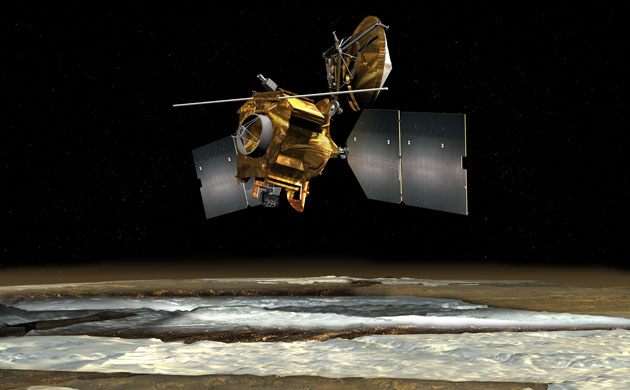
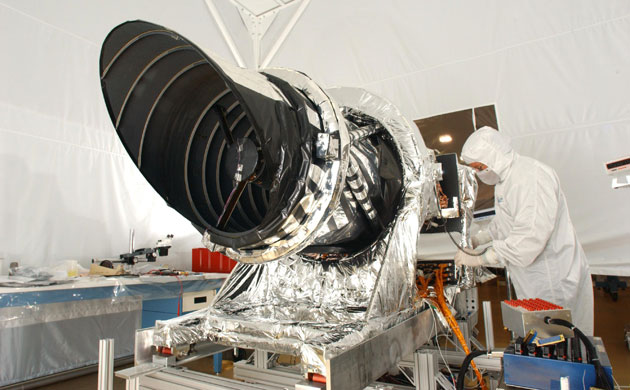
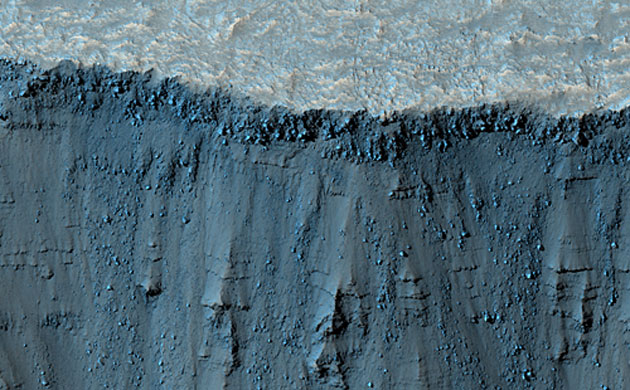
The role of the High Resolution Imaging Science Experiment (HiRISE) camera on board the orbiter is to look for landing sites for future missions and record the Martian surface in unprecedented detail. It has taken pictures of channels and valleys, volcanic landforms and the traces of what might once have been lakes and oceans.Photograph: NasaThe HiRISE camera is a 0.5-metre reflecting telescope, the largest of any deep space mission, which allows it to distinguish features on the Martian surface as small as a beach ball.Photograph: NasaThe raised ridges in this HiRISE image may be former stream channels that are now preserved in "inverted relief". Water that once flowed through them may have deposited sediments that became cemented by some chemical precipitated from the water. Over time, wind eroded the surrounding surface leaving the channels exposed as ridges.Photograph: Nasa
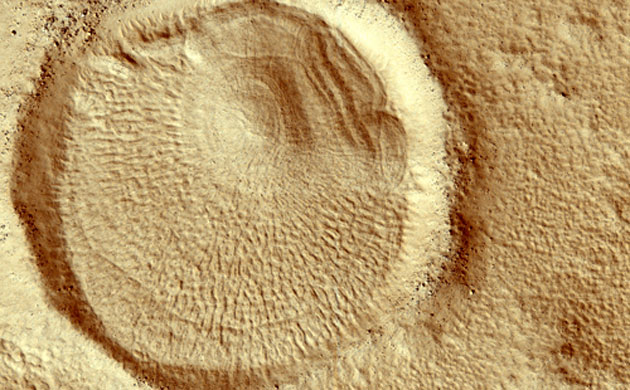
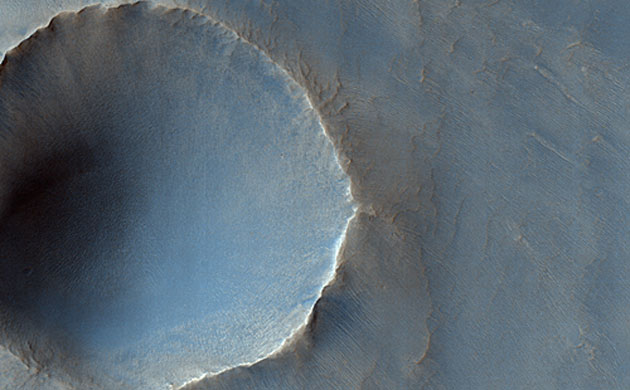
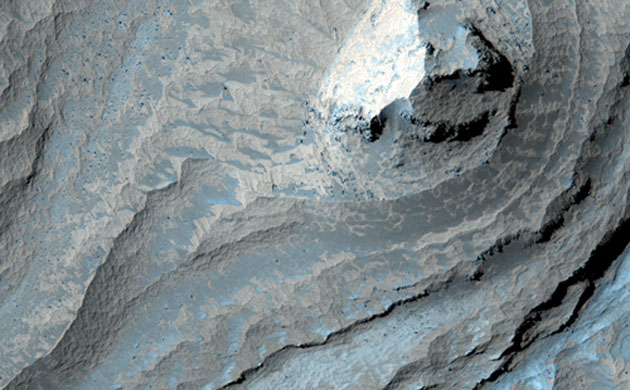
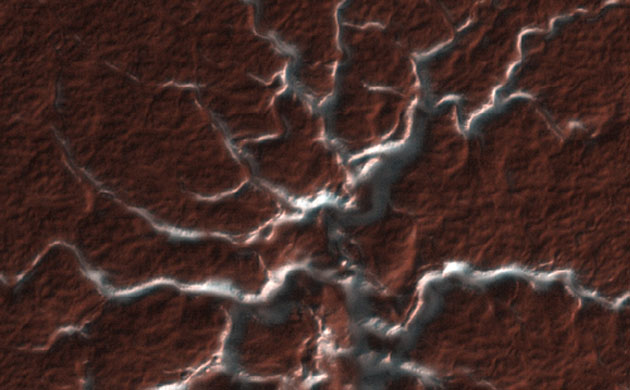
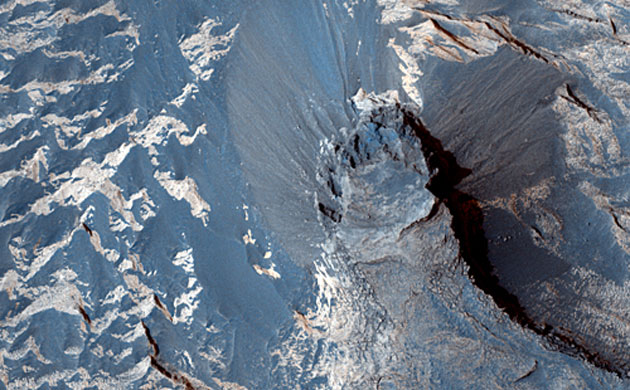
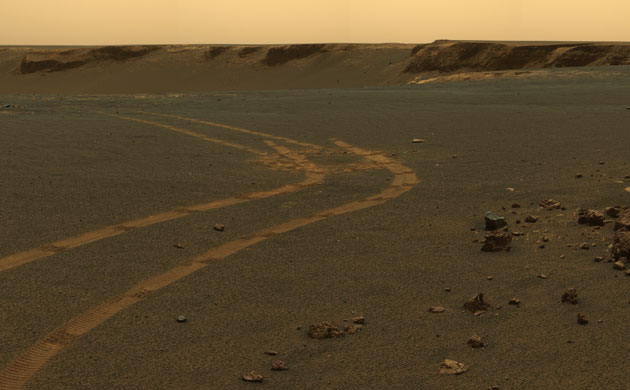
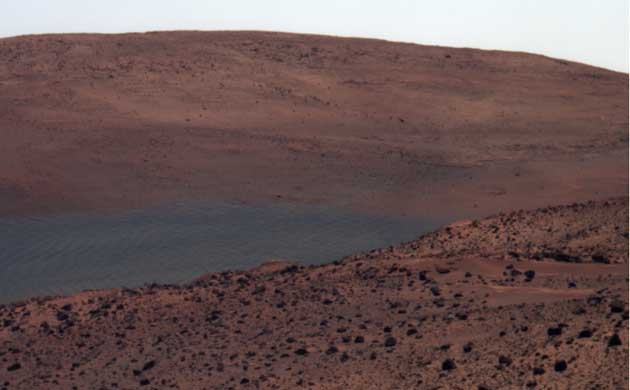
This image of a crater shows radial filaments of sediment and a heavily eroded central mound of material. The mound is made of ancient sediments that may have been deposited in a primordial sea. The radial filaments are probably made up of recently deposited dust and sand trapped between the older mound and the crater walls.Photograph: NasaDunes inside a large crater in the southern hemisphere of the planet, scarred by a deep gully.Photograph: nasaA bowl-shaped impact crater in the southern hemisphere.Photograph: NasaLayers on the floor of a trough in Noctis Labyrinthis.Photograph: NasaAraneiform or "spider-like" channels carved into the surface by carbon dioxide gas.Photograph: NasaAn outcrop of light-toned rock in a knobby region known as Eos Chaos. The outcrop is exposed in the wall of a flat-topped, steep-sided plateau. Photograph: NasaThis image and the next were recorded from the planet's surface by the Mars Exploration Rover mission, which began in 2003. Above, the tracks of the rover Opportunity snake towards the Victoria crater.Photograph: NasaView from the north edge of the "Home Plate" plateau where NASA's rover Spirit will spend its third Martian winter.Photograph: Nasa
Sign up to read this article
Read news from 100’s of titles, curated specifically for you.