'Alice in Wongaland': business review of the year 2013 - in pictures
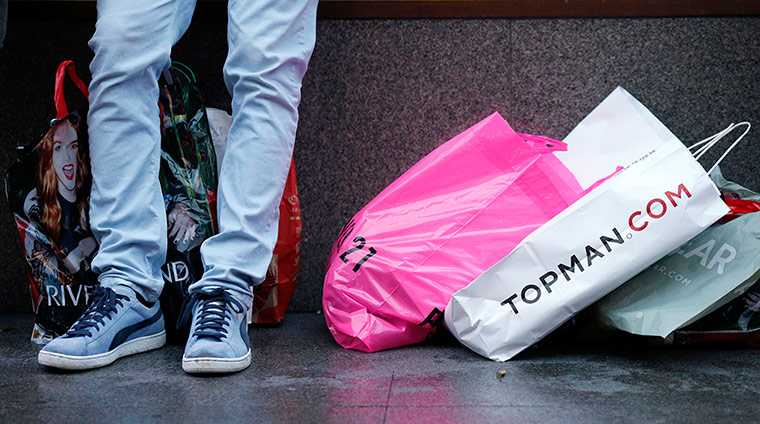
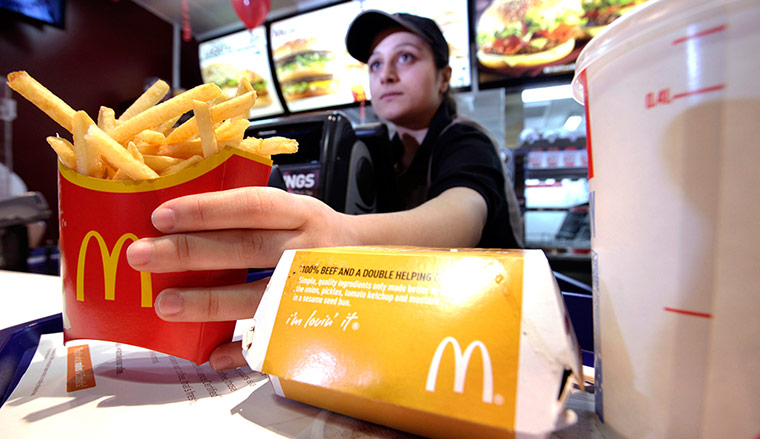
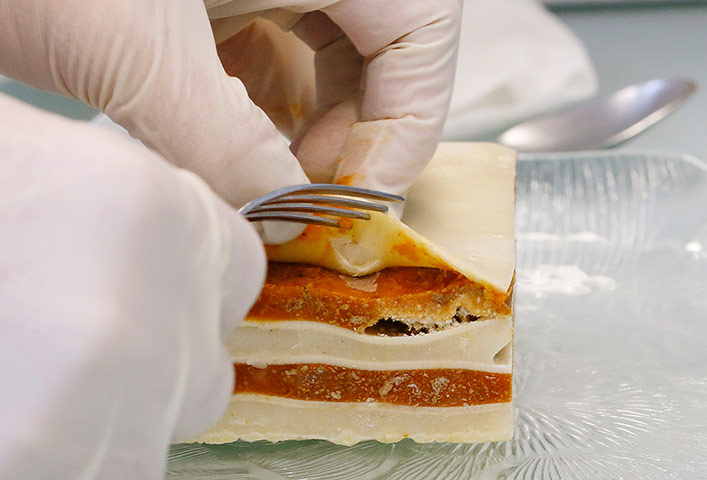
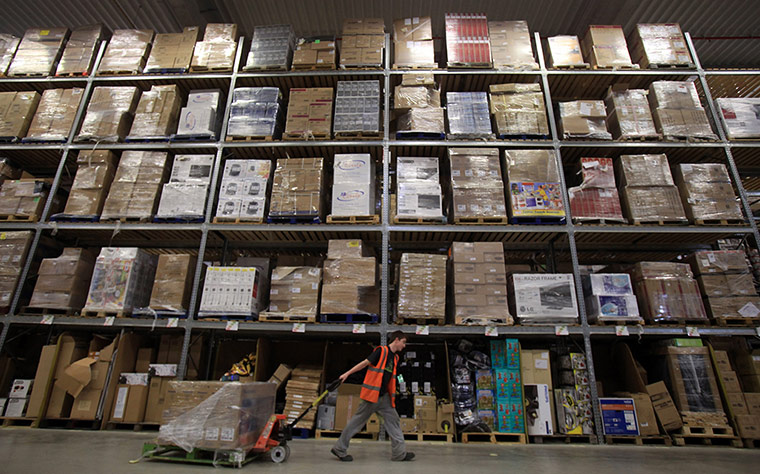
The UK was braced for a triple-dip recession in spring, but by summer even the double-dip recession of 2011/12 had been pushed from the headlines by statistical updates. Growth accelerated, unemployment dropped. But many economists saw little to celebrate in a recovery driven by consumer spending and an overheating housing market, rather than a German-style industrial renaissance. While the chancellor boasted of upward revisions to growth forecasts, the economy remains 2.5% smaller than at its pre-recession peakPhotograph: Jonathan Brady/PANo guaranteed hours, shifts cancelled at short notice: surely a contract fit for Wongaland? In the summer the Guardian reported that scores of employers, from McDonalds to Buckingham Palace, were using zero-hours contracts. As many as 1 million people could be on the controversial terms, according to the Chartered Institute for Personnel and Development, far more than previously thought. Vince Cable ruled out a complete ban on the contracts, saying that employers and workers alike valued their flexibility. But he pledged to clamp down on “unfair” provisions that tie people on zero-hour contracts to one employerPhotograph: Bloomberg/Bloomberg via Getty ImagesWhen Irish food inspectors discovered horse DNA in ‘beefburgers’ sold by supermarkets including Tesco, Asda and Aldi, they smashed open a massive food fraud scandal. Soon mislabelled products were being uncovered across Europe, from Ikea meatballs to a Findus beef lasagne with 100% horse meat wrapped up in the pasta and white sauce. As well as exposing how criminal networks had infiltrated the food chain, the scandal provoked a grovelling apology from Tesco. But MPs have criticised the slow pace of investigations. While several people have been arrested, no one in the UK has yet been prosecutedPhotograph: Pascal Lauener/Reuters
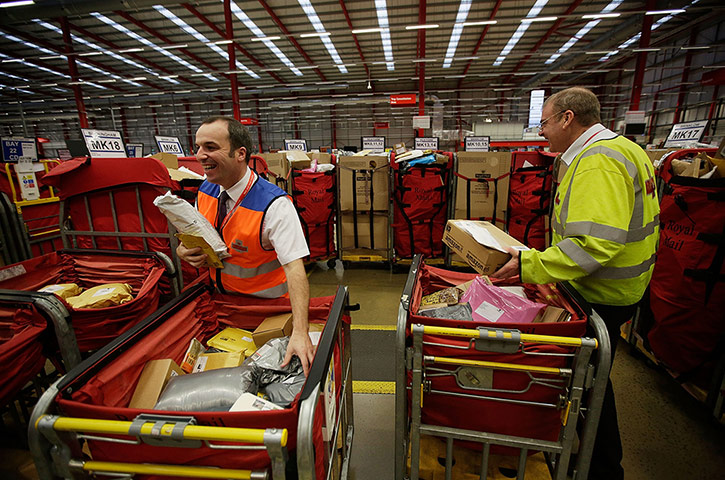
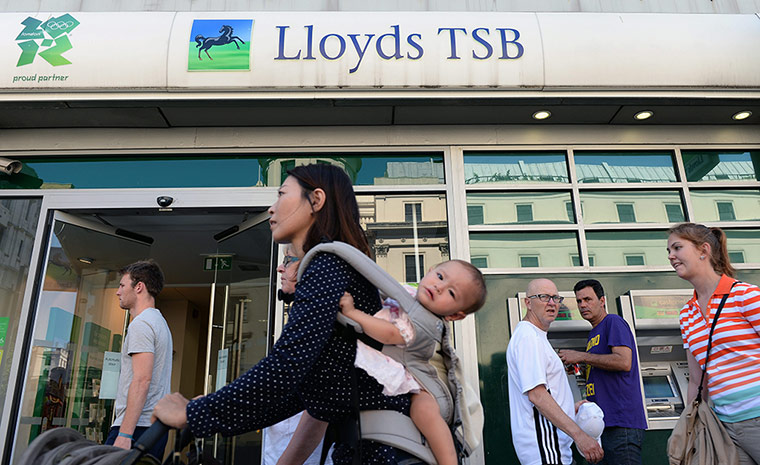
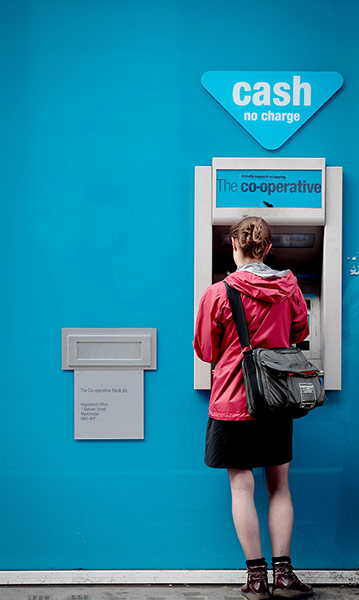
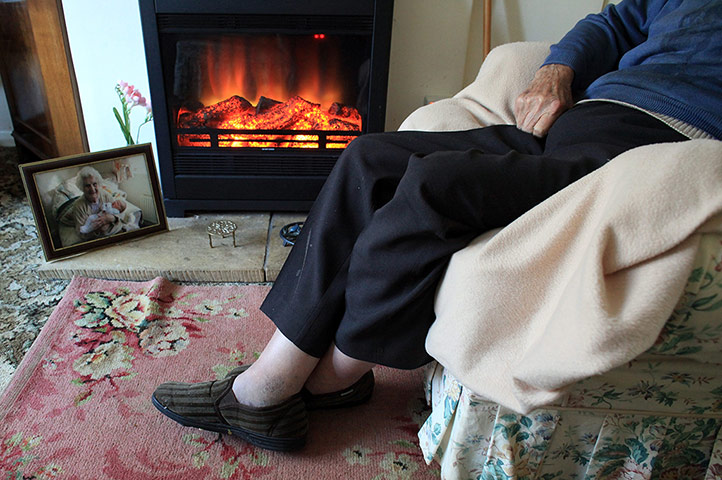
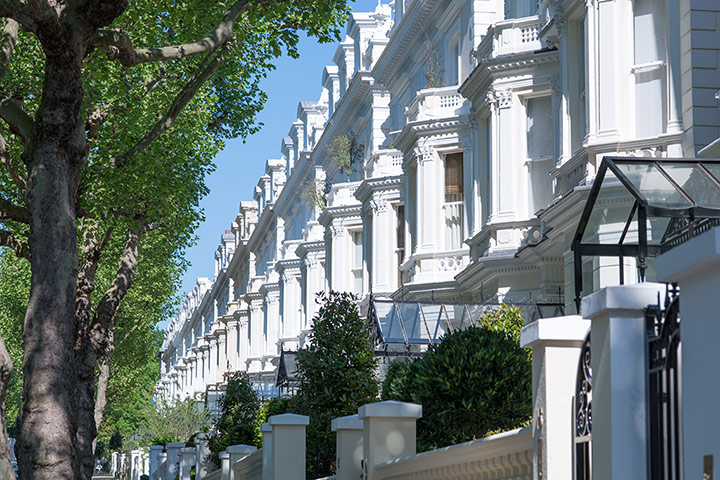
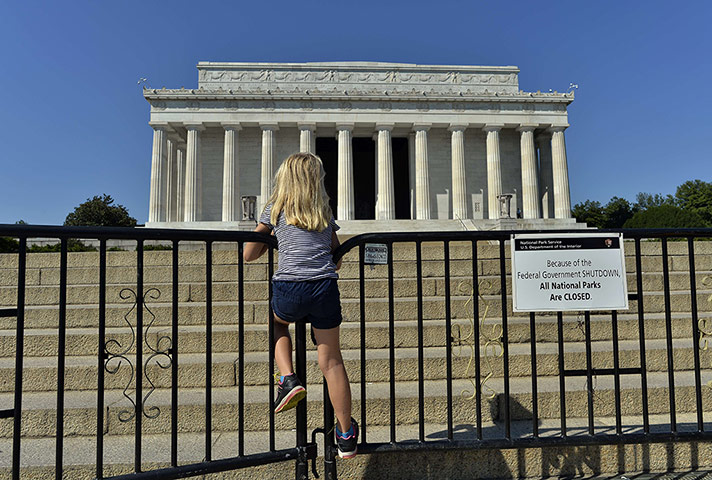
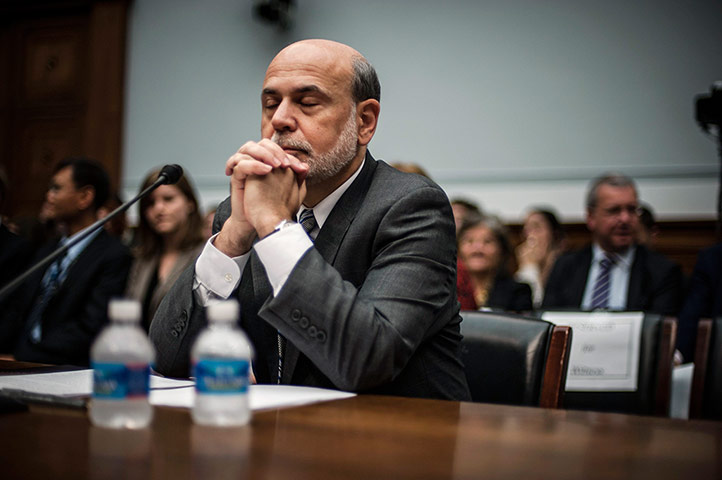
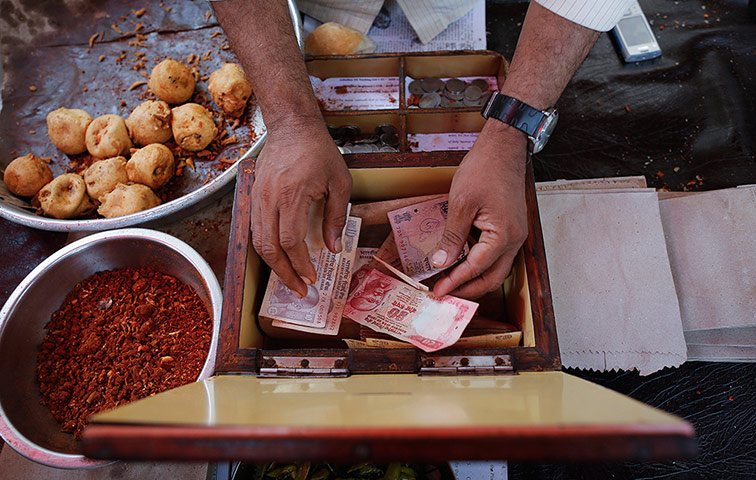
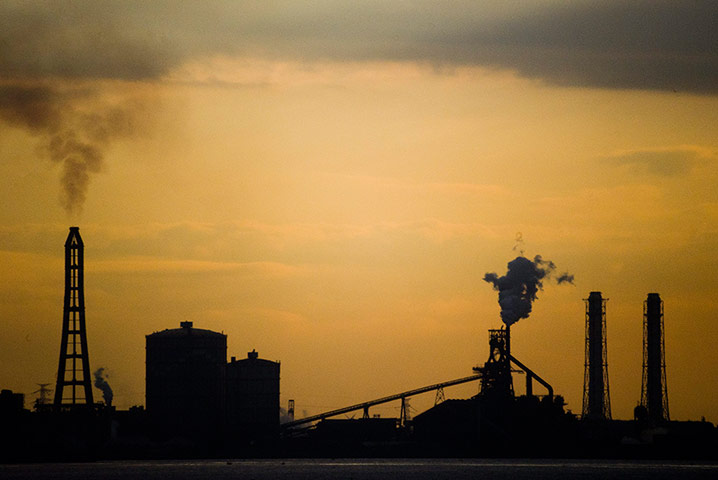
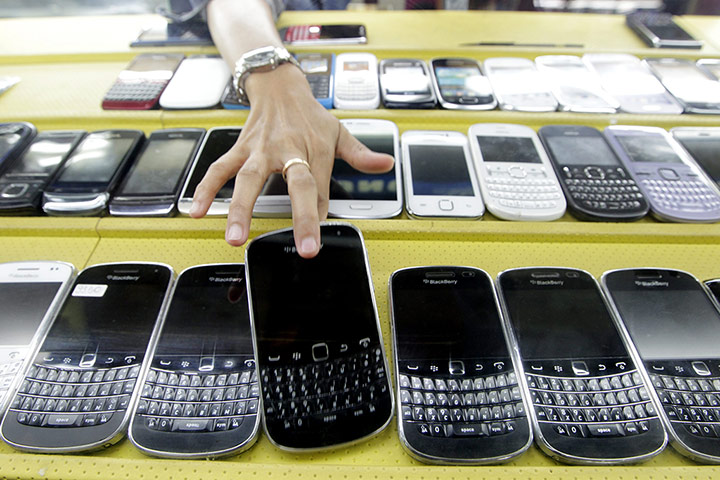
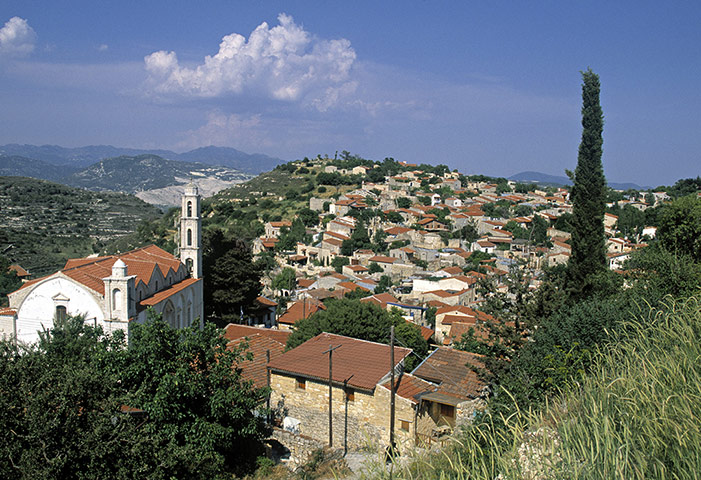
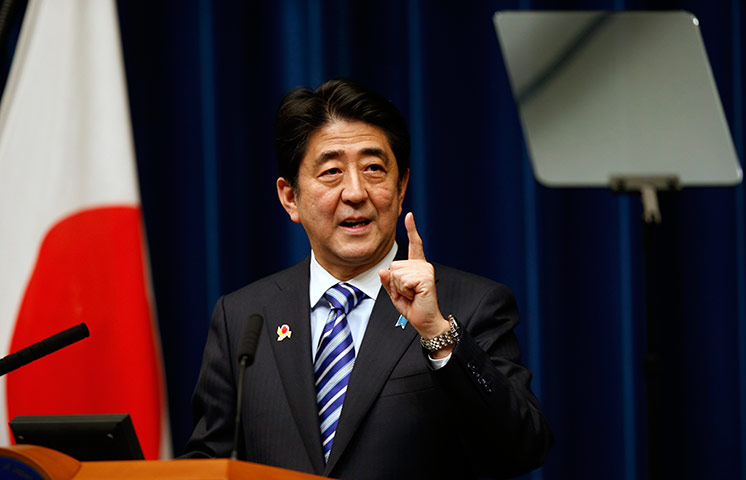
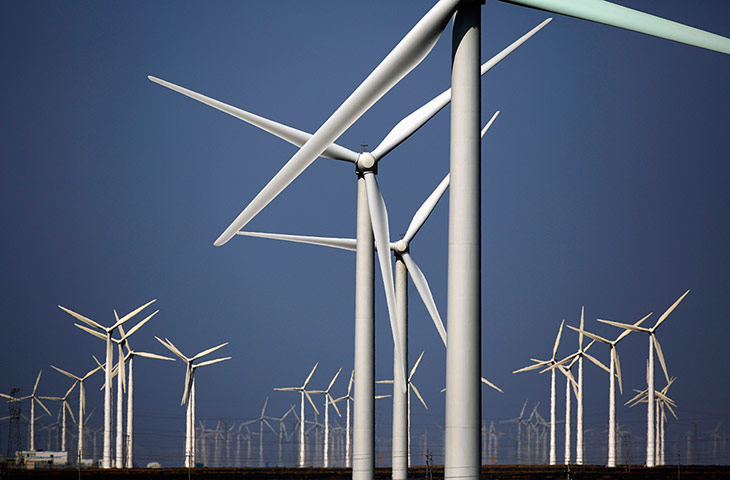
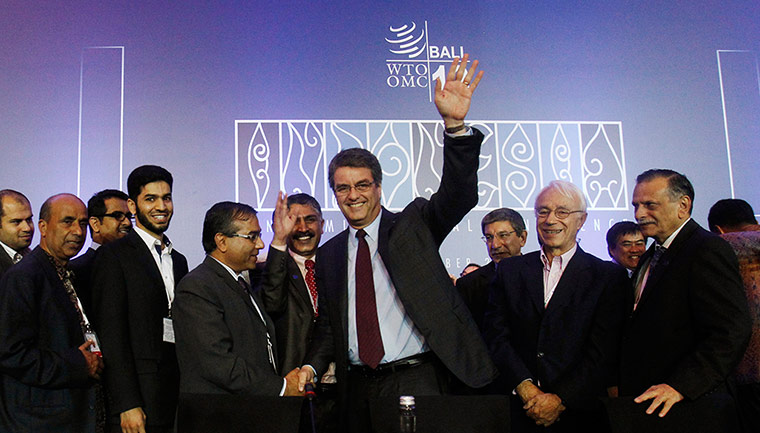
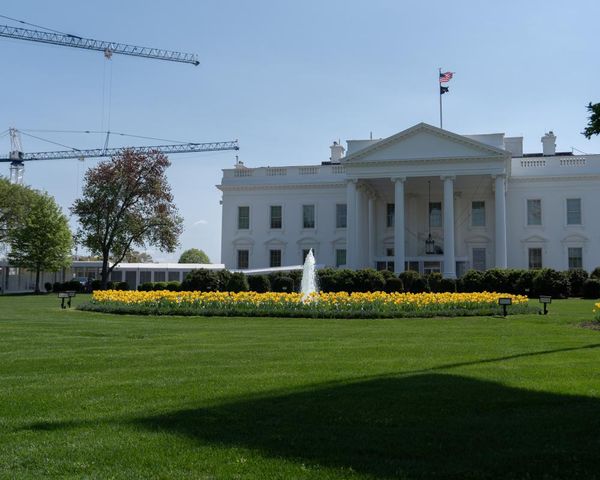
Royal Mail shares, sold at 330p on 15 October, are now close to 600p. The sale of the 497-year-old postal service – the biggest privatisation since John Major offloaded the railways 20 years ago – left retail investors and hedge funds alike scrambling for a piece of the action. The government insists the rocketing growth in the share price is nothing to worry about. Just 'froth and speculation' said Vince Cable. But as Royal Mail sailed into the FTSE 100 index of leading companies this month, with half year profits up almost 150%, critics were convinced it was sold too cheaply Photograph: Matthew Lloyd/Getty ImagesThe era of banking scandals is not over yet. Lloyds was fined a record £28m by UK regulators for misselling financial products, while Royal Bank of Scotland, another recipient of taxpayer largesse, was fined £60m for breaching US sanctions against Cuba, Iran and Burma. In other words, the horses were still bolting even as MPs were putting the finishing touches to a new stable door – the banking reform bill. This creates a new offence of 'reckless misconduct' to punish bankers that allow their institutions to go bust, as well as an 'electrified ringfence' to keep high street banks safe from the 'casino gambling' done by investment banksPhotograph: Andy Rain/EPACustomers disillusioned with the big banks could always turn to the Co-op’s ethical alternative, right? In October the movement founded by the Rochdale Pioneers in 1844 lost control of its bank to New York hedge funds, in a bid to plug a £1.5m capital shortfall. It was a spectacular implosion for the sensible bank that had been the government’s favourite to take over 631 branches owned by Lloyds. Customer worry and anger about what the hedge funds would do with the bank’s ethical investment policy, turned to incredulity when allegations emerged that the Co-op’s chairman had bought cocaine and run up huge expensesPhotograph: Jason Alden/Rex FeaturesAt least the energy companies gave the banks a run for their money in the ugliness contest to be Britain’s least favourite company. The big six were accused by the energy minister of treating their customers as cash cows, after the firms announced inflation-busting increases to customer bills. Ed Miliband changed the political game with his pledge to freeze energy bills, prompting a panicky reaction from the coalition government to roll back green costs, a move that knocks £50 off the average bill. But energy bosses warned MPs that prices were certain to rise againPhotograph: Matt Cardy/Getty ImagesA Kensington broom cupboard for £150,000, tears at packed-out house-viewings: the housing boom is back. At least in London, where average property prices rose 12% in the first 10 months of the year, compared to 5.5% outside. The lift-off was stoked by the government’s Help to Buy scheme, described by one City commentator as a 'moronic' idea that was driving young people 'deeper into indentured servitude'. Housebuilders defended the policy, with house prices yet to recover in north-east England and Northern IrelandPhotograph: Andrew Michael/AlamyAmazon became the latest multinational to come under parliament’s microscope after it was revealed that the company’s UK subsidiary paid £2.4m in corporate taxes in 2012, despite making £4.3bn sales in the country. It was another internet giant, Google, that was accused of 'doing evil' by public accounts committee chair Margaret Hodge. She urged a boycott of Amazon, but was largely ignored by bargain-hungry consumersPhotograph: Matt Cardy/Getty ImagesThe world in review: Budget wrangling is an annual Washington ritual, but this year it tipped into the first partial government shutdown in 17 years. As many as 700,000 federal workers were sent home at the start of a 16-day shutdown that Barack Obama said caused 'completely unnecessary damage' to the world’s largest economy. As well as the closure of national parks and only one person left to man the US-Canada border, the shutdown cost the US economy $24bn (£15bn), a loss of 0.6% of output for the quarterPhotograph: Jewel Samad/AFP/Getty ImagesNot exactly a whimper, but the big financial event of 2013 made less of a bang than anyone expected. In June when Ben Bernanke, the chairman of the US Federal Reserve, hinted that policymakers could start to unwind the massive $85bn per month bond buying stimulus, investors took fright. Stock market and bond prices plunged in the 'taper tantrum'. In December, when Bernanke surprised economists with a modest $10bn trimming of the stimulus, US markets soared. Or as some noted, the markets behaved like grown upsPhotograph: James Lawler Duggan/ReutersThe emerging economies of Brazil, Turkey, India, Indonesia and South Africa, were the biggest victims of investors’ taper paranoia. These countries saw the value of their currencies plunge as foreign investors withdrew funds from their economies, fearing the end of cheap money. Stock markets plummeted, while India’s rupee hit an all-time low. Over the summer, the governments of 'the fragile five' were forced to hike rates to defend themselves from market volatility. But when the modest taper did come, emerging economies were spared the worst, although analysts warned more painful times could be in storePhotograph: Danish Siddiqui/ReutersChina’s economy is too big to be affected by the taper caper, but the (mostly) male politburo has been pre-occupied with the slowing economy. The world’s second largest economy is expected to have posted growth of 7.6% in 2013, just beating the government’s 7.5% target, but far off the breakneck double-digit growth of the past. A slowdown in the expansion of Chinese factories in November confirmed those days are gone. A new set of Chinese leaders, installed in the autumn, are now attempting to switch the focus to domestic consumption, rather than just making shiny new toys for the rest of the world Photograph: Everett Kennedy Brown/EPAResearch in Motion used to boast that it didn’t make its BlackBerry phones in China for security reasons. But that guarantee did nothing to save the renamed BlackBerry corporation when consumers turned up their noses at its BlackBerry Z10. In September, BlackBerry announced it was cutting 4,500 jobs, after revealing a dramatic fall in earnings. The makers of the device, once nicknamed the crackberry for the way it was glued to its users’ hands, had committed the ultimate tech sin: they had become uncool. Blackberry’s rapid loss of ground to Samsung and Apple showed just how capricious the tech world can bePhotograph: Bagus Indahono/EPAFinancial reputations can also turn quickly, as Cyprus found out in March when it was forced to accept a €10bn (£8.4bn) bailout from the EU and IMF. An earlier deal unravelled when depositors with savings under €100,000 were hit with a levy, prompting a fierce backlash. Cyprus was the last gasp of the eurozone crisis, otherwise in abeyance in 2013. But the effects lingered on. Ireland became the first country to break free of its bailout, but its citizens are still emigrating in droves. Youth unemployment in southern Europe hit record levels: 58% in Greece, 57.4% Spain and 41.2% in ItalyPhotograph: Doug Pearson/Getty ImagesWhen economists attempt to scare eurozone leaders into action, they warn of Japan’s lost decade, a prolonged deflationary slump when consumers lost confidence and hung onto their savings. Returning to power last December, Shinzo Abe pledged to shake off Japan’s economic malady, with an unprecedented three-part economic plan to restore the world’s 3rd largest economy to health. 'Abenomics' – printing money, government stimulus and structural reforms, such as raising consumption tax – has already boosted confidence. But critics fear an explosion in Japan’s public debt, already close to 245% of economic outputPhotograph: Toru Hanai/ReutersThe banking crisis has receded, but the kindling for an even bigger economic crisis is still being thrown onto the fire. This was the message from a group of City blue chip companies and Lord (Nicholas) Stern, the author of the landmark 2006 climate change report. Stern warned in May that the world risks a major economic crisis, because a “carbon bubble” worth trillions has led to the overvaluation of assets held by oil and gas companies. But a new global deal on climate change, which would curb fossil fuels and speed up the switch to green energy, remains as elusive as everPhotograph: Carlos Barria/ReutersIn contrast to the painfully slow climate change talks, governments quickly reached a modest agreement on trade liberalisation to boost the flow of goods across borders. The deal, unveiled in Bali in December, was hailed as a lifesaver for the World Trade Organisation, which has been locked in the interminable Doha round of talks since 2001. Benefits to the global economy have been estimated at between $400bn (£244bn) and $1tn. If true, this would be a welcome boost for the fragile global economyPhotograph: Edgar Su/Reuters
Sign up to read this article
Read news from 100's of titles, curated specifically for you.