Police are to invoke secrecy laws to seek to withhold dozens of documents relating to the possible murder of a Russian whistleblower living in Britain, who may have been poisoned on Moscow's orders, from the forthcoming inquest into his death.
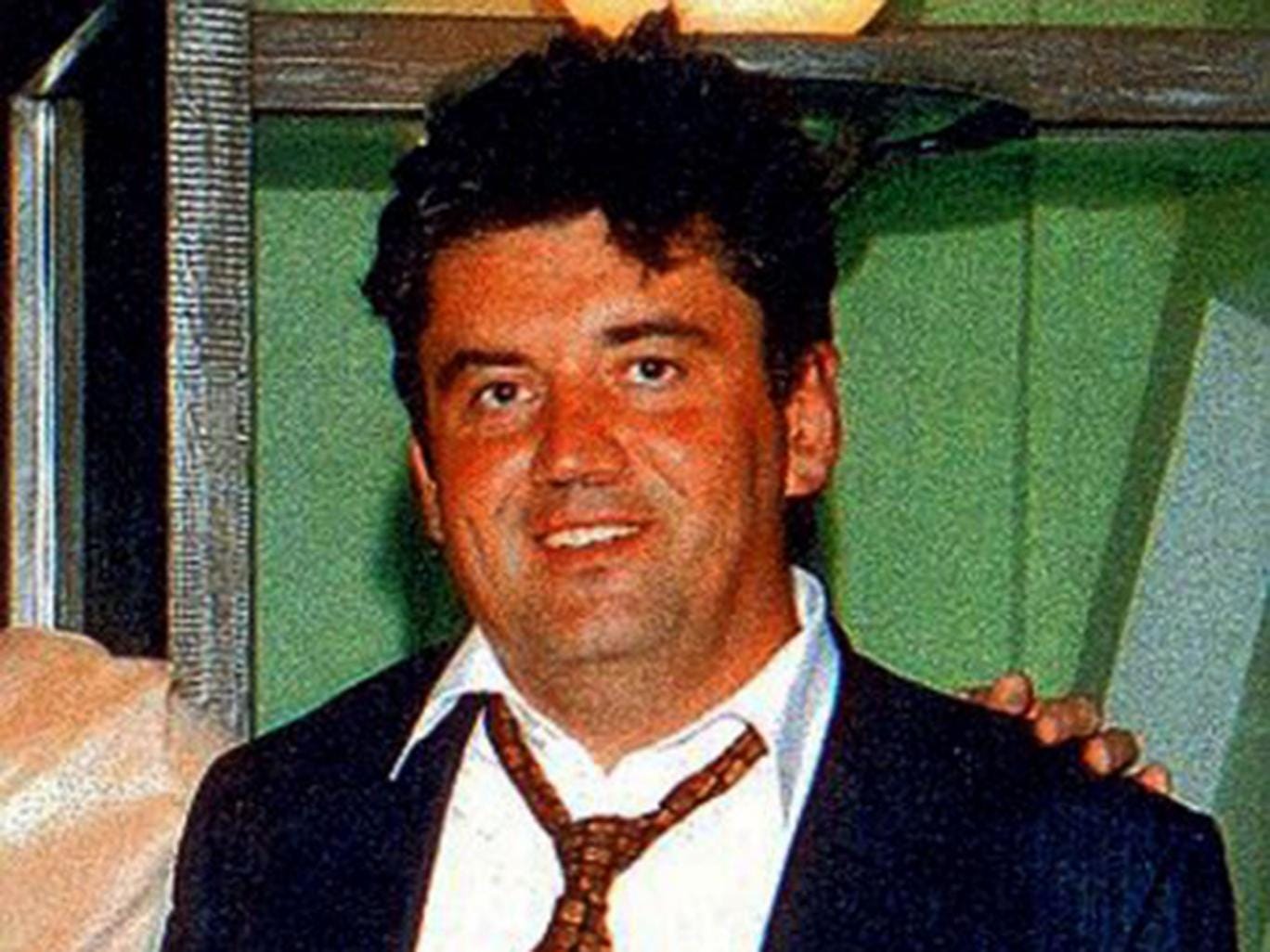
Alexander Perepilichnyy, 44, collapsed and died outside his luxury home on a gated Surrey estate in November 2012 after he had given evidence to Swiss prosecutors implicating Russian officials and mafia figures in a $230m (£150m) tax fraud. His death was initially declared non-suspicious but traces of chemicals linked to a rare poison known to be used by Russian assassins were later found in his stomach.
The inquest to establish the cause of Mr Perepilichnyy's death, initially due to take place last May, has been long delayed while further tests were undertaken to try to establish whether a lethal extract from the plant Gelsemium elegans, found only certain parts of India and China, was used to murder the businessman as part of a claimed "reprisal killing" for exposing corruption at the heart of the Russian state.
But Surrey Police, which declared in 2013 that it was satisfied there had been "no third-party involvement" in the Russian's death, has been accused of a "cover up" and "unacceptable" conduct after it told the coroner that it intends to apply to withhold up to 49 documents from a full inquest due next month under Public Interest Immunity (PII) legislation.
The PII rules, which are normally only invoked with the authorisation of either the Home or Foreign Secretaries, allow the authorities to apply to the courts or a coroner to keep material out of the public domain in legal proceedings where they fear its disclosure will damage national security or adversely affect Britain's international relations. PII has previously been invoked by the security services - MI5 and MI6 - to maintain operational secrecy, including protecting the identity of agents or informants.
At a pre-inquest hearing in Woking it emerged that the Surrey force, which is likely to face strong criticism if it is proven that Mr Perepilichnyy did not die from natural causes such as a sudden heart attack, gave notice last week that it intends to invoke the PII rules - the first time it has signalled such a move concerning its investigation into the Russian's death.
Geoffrey Robertson QC, acting for Hermitage Capital Management, a London-based investment company which was the victim of the alleged £150m money laundering fraud and was being helped by Mr Perepilichnyy, told the court that Surrey Police had shown "years of disrespect" with delays to the inquest proceedings.
Describing the PII application as "extraordinary", he added: "There has been a cover up. This is the very first time that the police have raised the subject of a PII situation."
The claims were strongly contested by the police force, whose lawyers said officers had reasons for seeking the PII ruling which could not be disclosed in public and also denied that they were intending to ask for a private hearing with Senior Surrey Coroner Richard Travers to be held without a legally-required tape recording.
Charlotte Ventham, for Surrey Police, told Mr Travers: "I cannot let it pass without comment that Surrey Police are somehow guilty of some sort of cover up of documents which you require to conduct your inquest or that we are urging upon this court some sort of unlawful procedure with regard to PII.
"Both of these serious allegations are very firmly rebutted and refuted."
The court heard that the 49 documents, including four which have only come to light in recent days, related to material gathered by detectives and a number of reports compiled by investigators concerning the Perepilichnyy case, some of which may also be subject to legal protection governing communication between lawyers and their clients.
Mr Robertson said the court should also be satisfied that police were not seeking to apply PII rules to "sensitive or private" information concerning Mr Perepilichnyy which might fall outside the interests of national security.
The hitherto healthy investment manager had arrived in Britain in 2010 and came forward as a whistleblower in the Sergei Magnitsky affair - the Russian lawyer who died in custody after exposing a multi-million dollar fraud against Hermitage involving corrupt officials and a mafia money laundering network.
Mr Perepilichnyy took out life insurance policies worth £3.5m shortly before his death and reportedly said he had received death threats from Russia in connection with the case.
Previous hearings have been told that circumstantial evidence exists to suggest that he may have been killed by or with the knowledge of the Russian internal security service - the FSB - because of the help he was giving to Hermitage and the Swiss authorities.
The court heard that a further hearing will be held at the end of this month to decide on the PII request. Toxicology evidence on whether the substances found in the Mr Perepilichnyy's body can be firmly linked to Gelsemium is expected to be heard during the opening days of the inquest due in February.