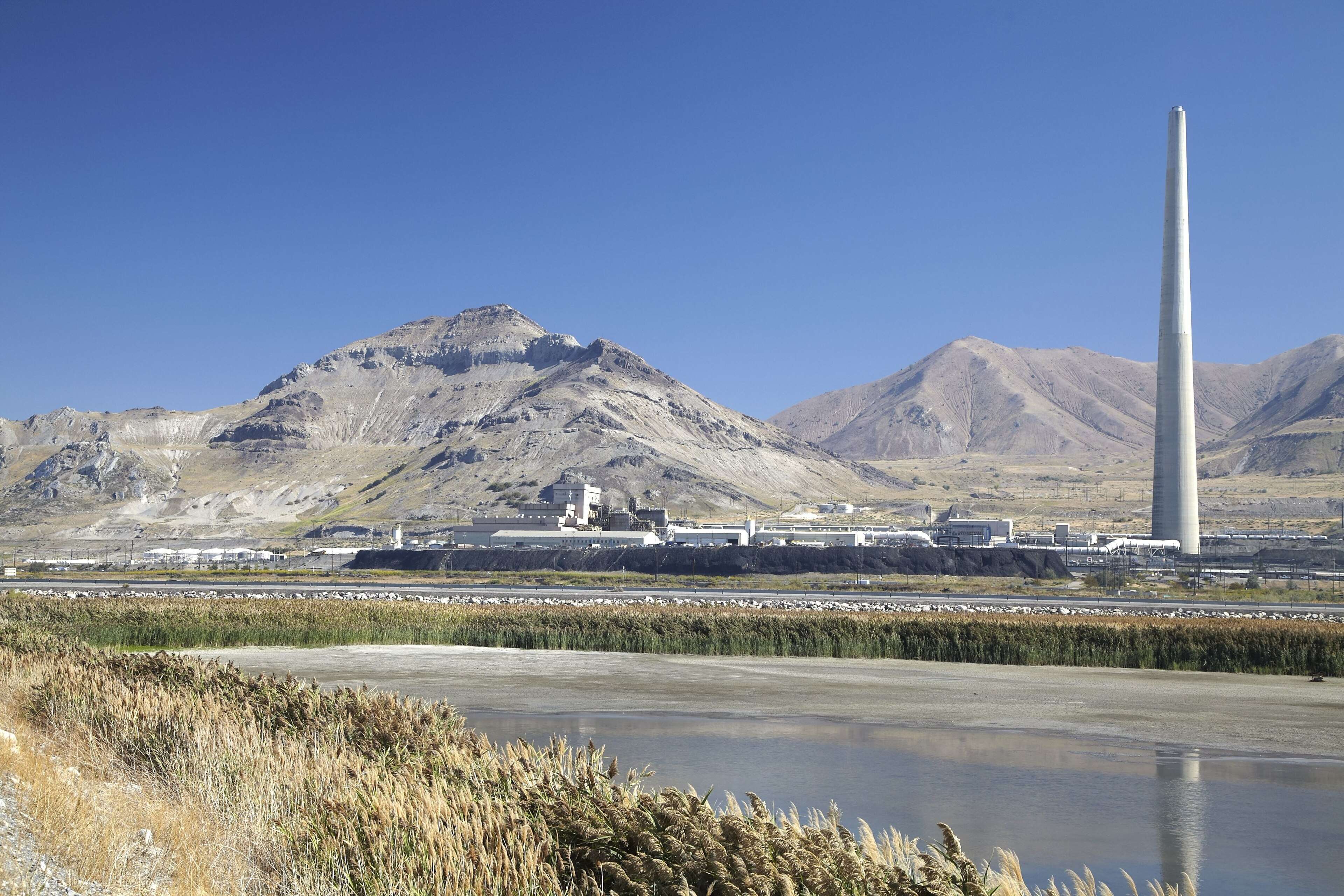
Hidden among Alaska's mountains and glaciers is a massive wooden building that has stood for generations. According to the National Park Service's Kennecott Mines National Historic Landmark research, the 14-storey Kennecott concentration mill remains one of the site's most recognisable structures. Although mining ended in 1938, the building still stands as a reminder of Alaska's copper mining history.
Get breaking news anytime, anywhere. Download the TOI app now!
Developed in the early twentieth century, the mining complex grew around exceptionally rich copper deposits in the Wrangell Mountains. As investment increased, Kennecott evolved into one of Alaska's most important industrial settlements, supported by major transport and processing infrastructure.
The operation required careful planning from the start. There were no roads linking the mines to the outside world, and moving heavy machinery across Alaska's rugged landscape was a challenge in itself. Yet the exceptionally rich ore made the project worthwhile. According to the National Park Service, a railway was eventually built to connect the mines to coastal shipping routes, creating the transport link that allowed the operation to expand. The arrival of the railway allowed equipment, supplies and workers to reach the site more efficiently, laying the foundation for a mining operation that continued for almost three decades.
Engineering and planning shaped Kennecott’s mining complex
Once the railway was completed, Kennecott developed into a well-planned company town. Workers, engineers and managers lived in a settlement where almost every building had a specific purpose. The National Park Service describes a community equipped with housing, workshops, warehouses, power facilities and ore-processing buildings, allowing mining operations to continue despite the region's demanding climate.
The concentration mill was the heart of the operation. Instead of spreading machinery across a wide area, engineers built the structure vertically into the mountainside. According to the National Park Service's historic landmark research, gravity played a central role in the processing system. Ore entered near the top of the mill and moved through successive levels where it was crushed, sorted and concentrated before being prepared for transport.
This design reduced handling and made efficient use of the steep terrain. Today, the concentration mill shows the engineering methods used by large-scale mining operations in the early twentieth century.
Around the mill was an interconnected network of industrial buildings that functioned as a single operation. Repair shops kept equipment in working order, power plants generated electricity, warehouses stored supplies, and residential buildings supported the people who lived and worked there. Together, these facilities enabled the remote settlement to operate throughout the year.
Unlike many temporary mining settlements of the era, Kennecott developed into a company town with facilities designed to support its workforce. Daily life revolved around the mines, and every part of the settlement helped keep production going far from major population centres.
The National Park Service notes that the exceptionally rich copper ore helped offset the high costs of building railways, industrial facilities and housing in such a remote part of Alaska. Once processed, the copper concentrate travelled along the Copper River and Northwestern Railway before continuing to coastal shipping points, linking the mines with wider markets.
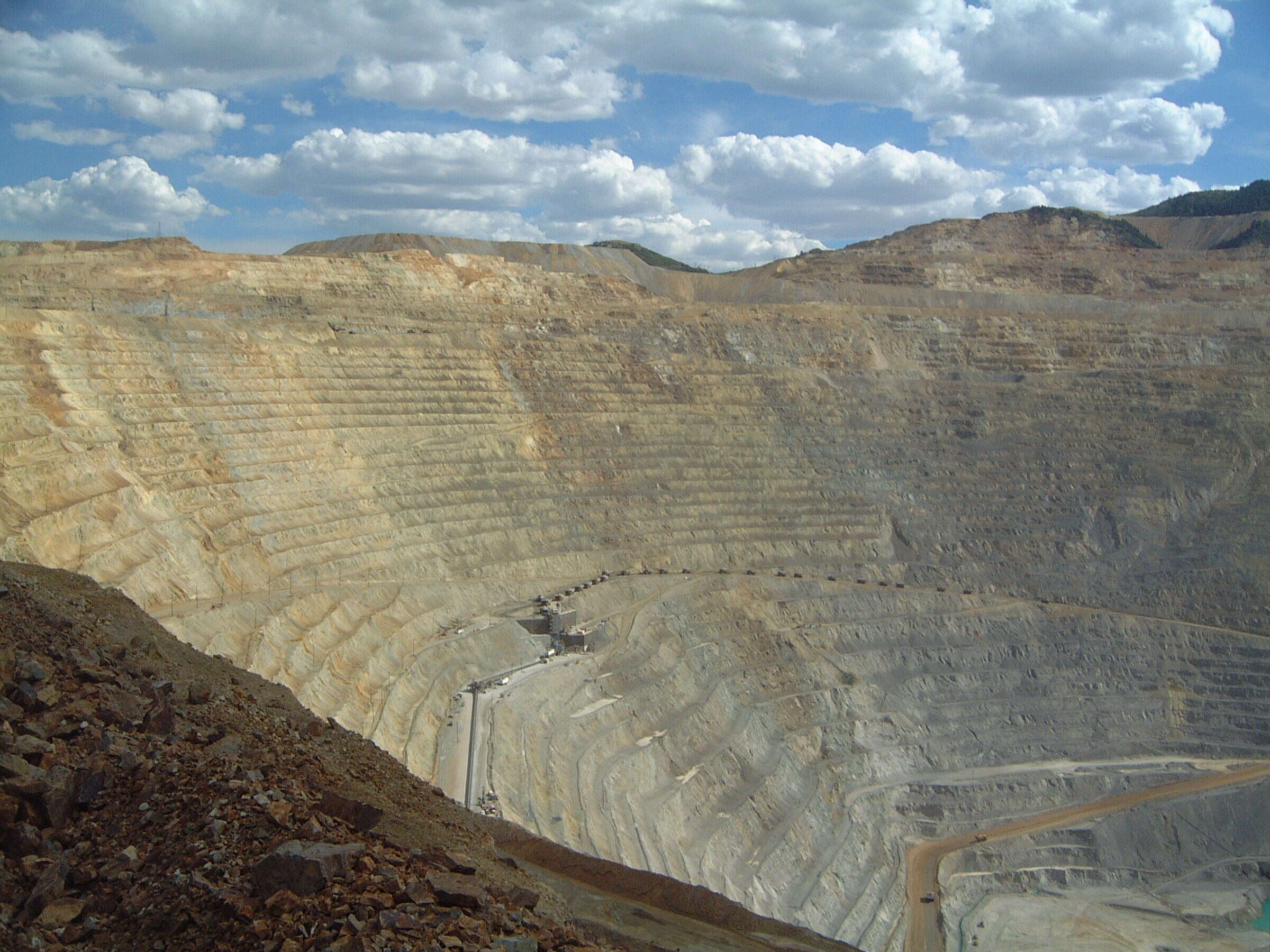
A preserved mining town that continues to tell its story
Like many resource-based communities, Kennecott's fortunes changed as economically recoverable ore became more limited. Mining operations officially ended in 1938, bringing nearly three decades of copper production at the site to a close, according to the National Park Service.
Many mining towns were abandoned after production stopped, but Kennecott retained much of its historic character. The National Park Service explains that a large number of original buildings remain, allowing visitors to explore one of the best-preserved historic mining sites in the United States.
Today, the site is part of Wrangell-St. Elias National Park and Preserve, where preservation work focuses on protecting the original structures. Rather than rebuilding the complex, conservation efforts aim to stabilise the historic buildings while preserving their original materials. Visitors can still walk through the surviving mill buildings and other historic structures, offering a clearer picture of how one of Alaska's most successful copper mining communities once operated.