Title: Social Media Companies Facing Criticism for Inadequate Measures Against Child Exploitation
In recent years, the issue of inappropriate interactions between adults and children on social media platforms has reached alarming levels. According to reports from the National Center of Missing and Exploited Children, there has been a staggering increase in incidents, with 32 million cases reported last year alone. Concerns have been raised about the role of social media companies in combatting this pervasive problem.
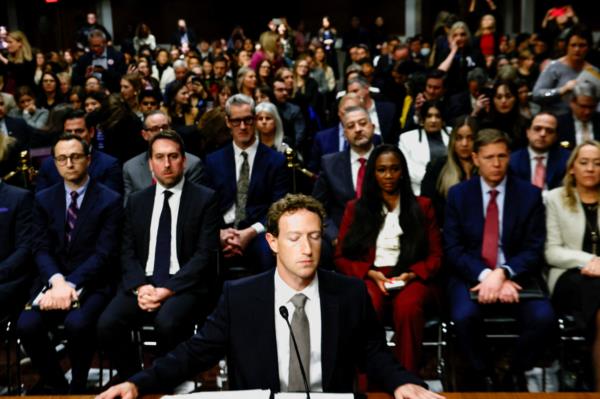
At a Congressional hearing in 2007, it was revealed that there were 100,000 reports of inappropriate contacts on social media platforms. Despite the exponential increase in cases over the past decade, little progress has been made in curbing this alarming trend.
Critics argue that social media companies have failed to adequately address these issues, with many accusing them of prioritizing profit over the safety of young users. While these companies may claim to take action, the reality is that significant changes only seem to occur when legal action is taken, or when public outcry becomes too intense to ignore.
These social media platforms are undoubtedly a significant part of our societal fabric, but some argue that they have become a breeding ground for predators. The question arises - should social media companies bear the responsibility for policing and filtering out these harmful activities, especially when they knowingly profit from users' attention?
Some experts draw comparisons with how intelligence agencies have developed sophisticated systems to detect and prevent terrorist threats. If such measures are possible in the face of national security concerns, why can't similar efforts be made to protect children online?
One author, known for the book 'The Comfort Crisis,' suggests that individuals must take responsibility for their own actions and limit their screen time. He argues that the addictive nature of cell phone technology has detrimental effects on mental health and prevents individuals from fully engaging with the world around them.
Meanwhile, politicians have faced criticism for their lack of meaningful action. While hearings and press releases may provide temporary buzz, little lasting change seems to be forthcoming. Lobbying efforts and the influence of big tech companies can often thwart attempts to pass comprehensive legislation that would address the problem effectively.
In conclusion, the rise in child exploitation on social media platforms has raised serious concerns about the role and responsibility of these companies. While their business models and monetary gains may be at odds with prioritizing user safety, it is clear that urgent action is needed. Stricter legislation, better enforcement, and increased funding for agencies combating these crimes are crucial steps in protecting our children from online predators.