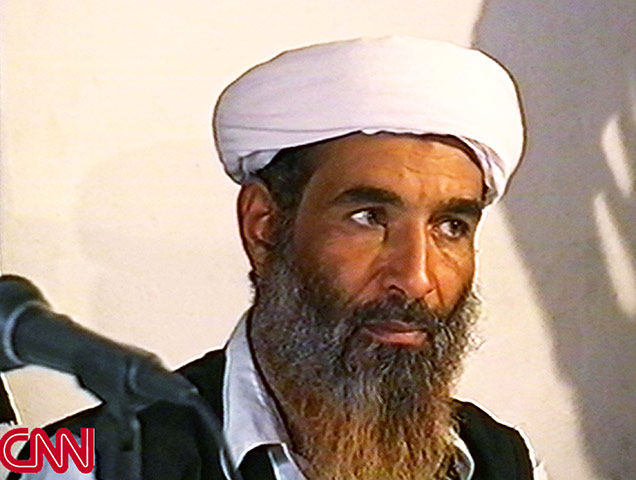
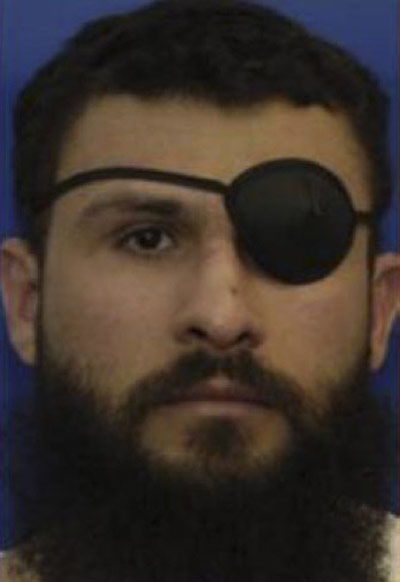
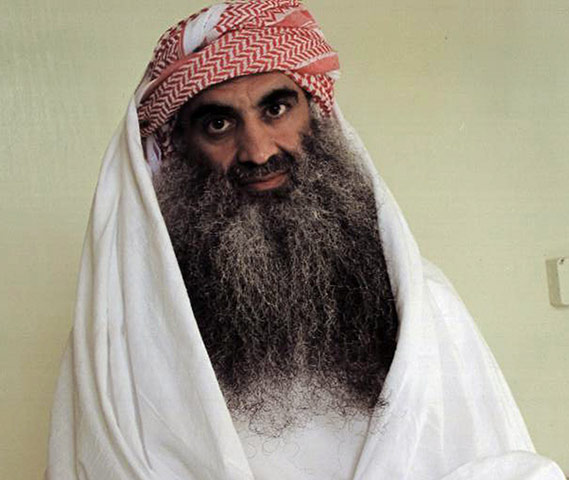
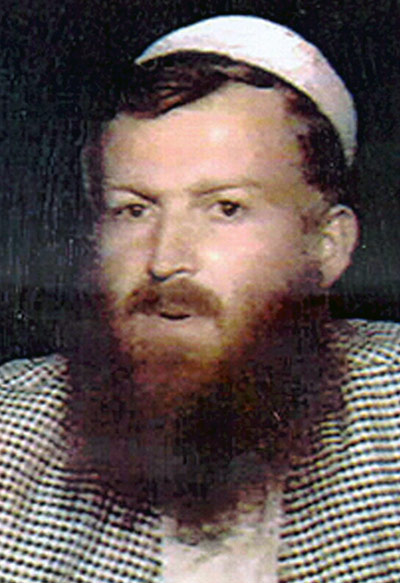
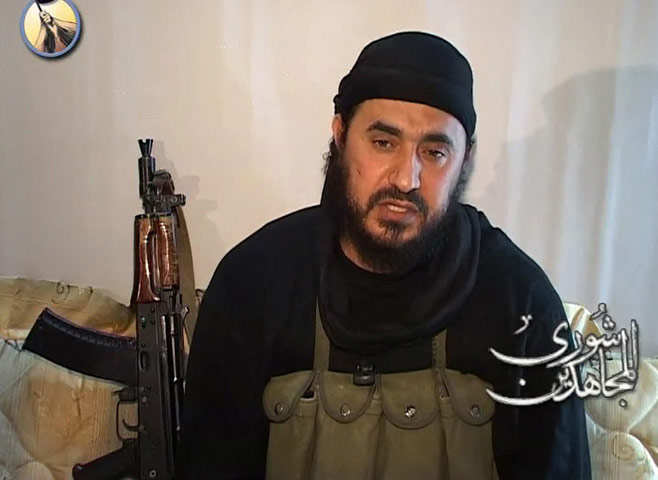
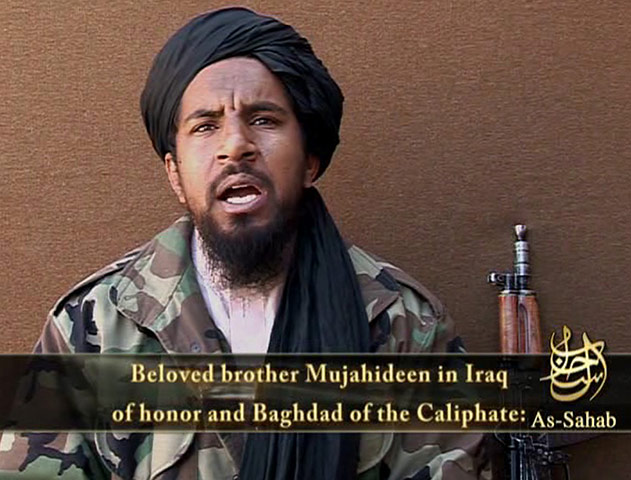
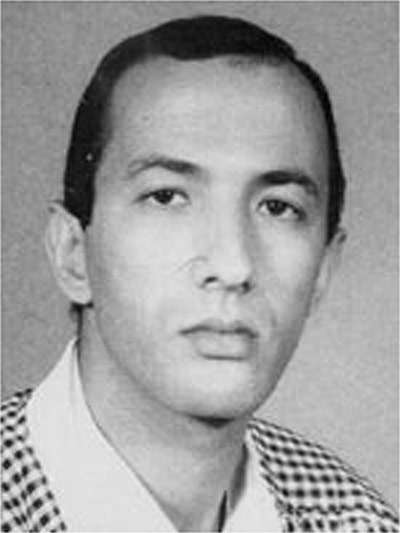
Killed in November 2001: Mohammed Atef, the commander. Ran military operations for al Qaida in late 1990s. Trusted by bin Laden, seen as competent and ruthless. Killed in Kabul missile strike.Photograph: CNN/Getty ImagesCaptured in March 2002: Abu Zubaydah, the logistician. A key logistics organiser – though his role was possibly exaggerated by Americans. A loyal follower of bin Laden but not leadership material. In Gitmo since being captured in Faisalabad, Pakistan.Photograph: guardian.co.ukCaptured in 2003: Khaled Sheikh Mohammed, the operator and architect of 9/11. Conceited, capable, charismatic and a mass-murderer. No great friend of bin Laden and refused to swear loyalty oath to him but one of most effective and capable militant organisers around. Captured in Rawalpindi, Pakistan and now in Gitmo. Photograph: AP
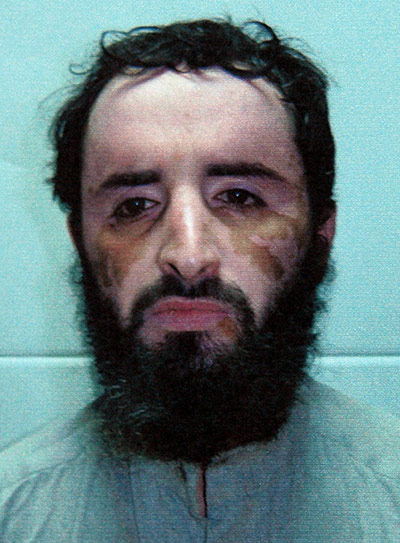
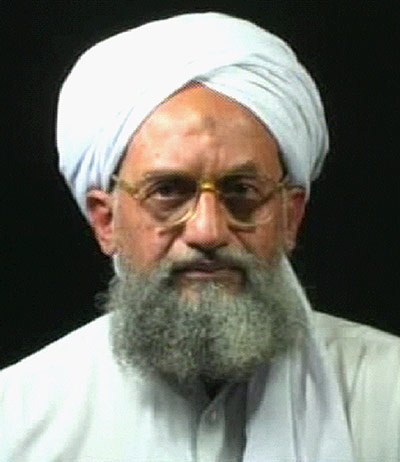
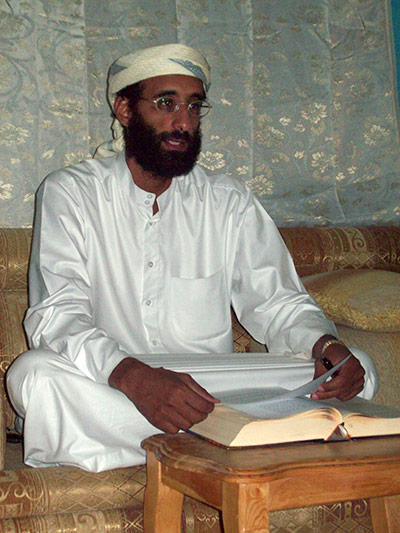
Captured in 2005: Abu Faraj al Libbi, the loyalist. Loyal, steady, capable, unassuming, he ran external operations for bin Laden from 2003 until his arrest in northern Pakistan town of Mardan. Now in Gitmo. Photograph: Pakistan Interior Ministry/APCaptured in 2005: Abu Musab al Suri, the strategist. One of the key strategists of 'leaderless jihad' who did not like or agree with bin Laden. A key influence on militants around the Islamic world, he theorised the decentralisation of militant campaigns, hoping to spark a 'global intifada'. Captured in Pakistan and now almost certainly in prison in his native Syria.Photograph: EPAKilled in 2006: Abu Musab al Zarqawi, the butcher. Jordanian leader of al Qaida in Iraq. Extremely violent, former street thug who made his name with attacks on Shia Iraqis and videoed executions, al Zarqawi eventually alienated the Sunni tribes he depended on for security. An always tense relationship with the al Qaida hardcore deteriorated badly towards the end. Killed by an American bomb in Iraq.Photograph: IntelCenter/APCaptured in 2007: Abdul Hadi al Iraqi, the aide. Kurdish in origin, a key lieutenant for bin Laden, trusted and capable. Played a critical role in a range of UK-based plots and others elsewhere. His arrest on Iraqi border after being dispatched by bin Laden to resurrect al Qaida in Iraq a major loss for al Qaida. Sent to Guantanamo Bay. Photograph: APAt large: Ayman al Zawahiri, deputy. Veteran leader of Egyptian Islamic Jihad, tortured and jailed in his native Egypt. A trained doctor, al Zawahiri saw how bin Laden’s charisma and contacts could compliment his own strategic understanding. Their difficult relationship has lasted for a decade and a half. Always much more than bin Laden’s deputy, now the obvious candidate for leader. However almost 60 and out of touch.Photograph: Al Jazeera/AFP/Getty ImagesAt large: Abu Yayha al Libi, the young star. Younger – in his mid-40s – and with stellar jihadi career behind him, Abu Yayha has been projected as the face of al Qaida in recent videos aimed at boosting support among young. But inexperienced and dependent on bin Laden rather than close associate.Photograph: AFP/Getty ImagesCaptured in 2002: Saif al Adel, the prisoner. Former Egyptian special forces officer. Capable, clever and experienced – and almost certainly in Iranian custody since 2002. Once close to bin Laden but now out of picture.Photograph: APAt large: Anwar al'Awlaki, the successor? 40-year-old Yemeni-descended and raised but New Mexico born. English-speaking star of internet jihadi chatrooms. Cited by dozens of aspirant jihadis around the world and given global projection by magazine Inspire. Operational involvement also proven. An unlikely leader of al Qaida as runs own independent organisation and networks but bin Laden’s death gives him chance of being preeminent leader in broad phenomenon of radical Islam today.Photograph: AP
Sign up to read this article
Read news from 100’s of titles, curated specifically for you.