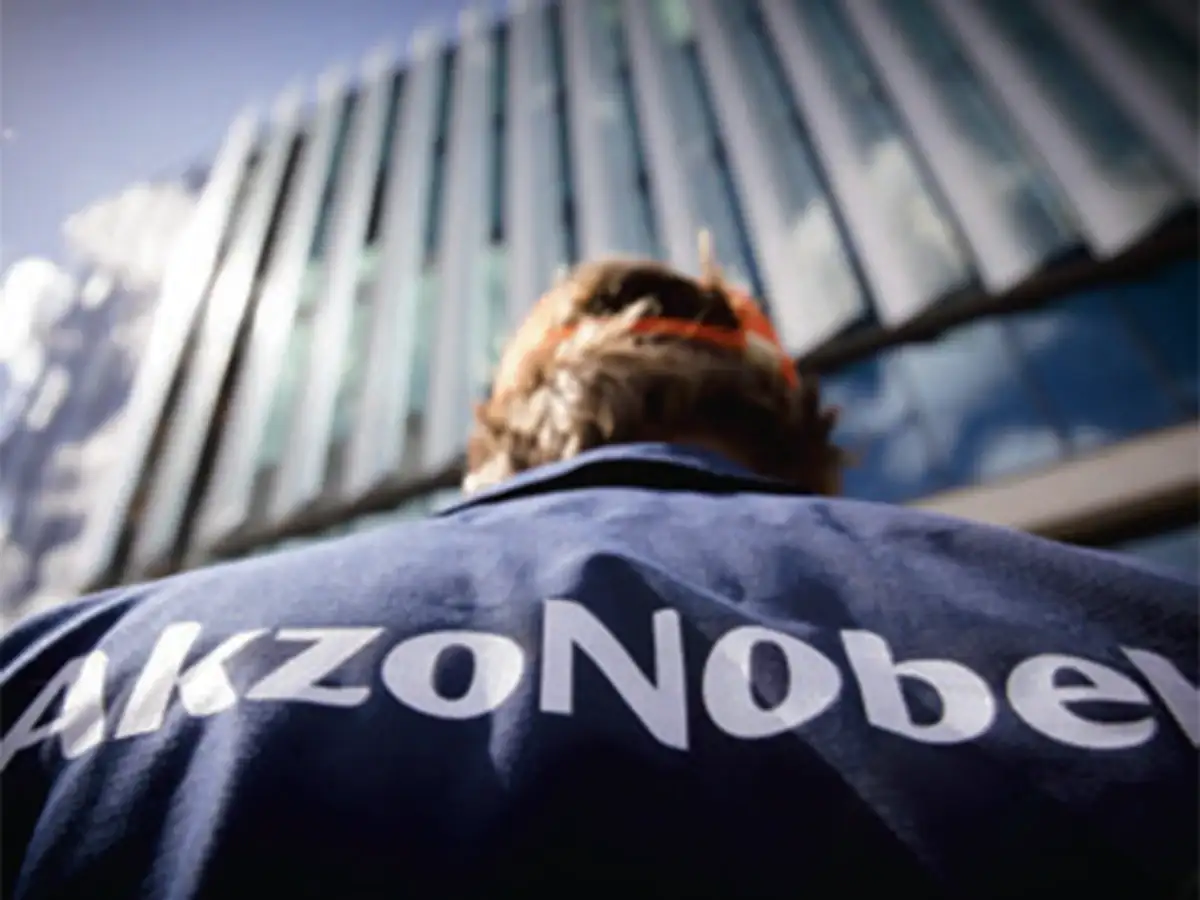
Dulux paint maker AkzoNobel struck down a €12.5 billion ($14.6 billion) cash takeover offer from rivals Nippon Paint and Sherwin-Williams on Wednesday, sending its shares 20% higher. The offer price of €73 per share represented a premium of 39% to AkzoNobel's last closing price of €52.52 per share. The shares jumped to €63 by 1241 GMT, firmly on track for their best trading day since at least October 2008.
AkzoNobel said the non-binding proposal undervalued its business, lacked deal certainty regarding regulatory clearances and would have split the company between the two suitors. The Dutch company's board continues to recommend the planned merger with U.S. coatings maker Axalta.
The planned merger, which shareholders are set to vote on in early July, would create a combined coatings company with an enterprise value of $25 billion, led by AkzoNobel CEO Greg Poux-Guillaume. The deal is expected to close in late 2026 or early 2027.
The two parties have said the merged entity would deliver $600 million in annual cost savings, most of them within the first three years.
DEAL OR NO DEAL?
Under the rejected proposal, Nippon Paint would have acquired AkzoNobel and retained its decorative paints and industrial coatings businesses, while selling its automotive, marine and powder coatings divisions to Sherwin-Williams.
Nippon Paint Group and Sherwin-Williams said in light of Azko's decision, the two companies "were considering their next steps, if any" and added they believe their proposal offered significant strategic benefits to AkzoNobel's businesses.
The joint proposal did not include any financing conditions and is not subject to approval from Sherwin-Williams and Nippon Paint shareholders, the companies said.
"Neither proposal qualified as a 'potentially superior' offer, compared to the Axalta merger," an AkzoNobel spokesperson said.
AkzoNobel's comments seem to suggest the proposal was rejected due to its price, brokerage MKI said in a note to investors, while noting the consortium could have deliberately timed its approach for when the share price was low.
"The hint here is probably that the consortium has more up its sleeve," MKI analysts wrote. AkzoNobel had rejected a similar offer by Pittsburgh-based PPG Industries in 2017.
A hostile approach would be complicated by AkzoNobel's stichting, a Dutch legal entity designed as an anti-takeover mechanism, which holds 48 priority shares worth 400 votes each.
AkzoNobel's stichting is firmly committed to the Axalta merger, so if shareholders were to terminate that deal, the stichting could block the takeover bid and leave the company with no deal at all, MKI explained.
Therefore, Nippon Paint and Sherwin-Williams would likely need to offer a very high price and deep commitments to sway the company's board to abandon the existing plan, the analysts said.
Bank of America is advising Nippon Paint Group financially, with A&O Shearman as legal counsel. Sherwin-Williams has appointed Citi as its financial adviser, while Weil, Gotshal & Manges LLP and Stibbe are acting as its legal advisers.