Airlines are facing significant challenges as they prepare for a surge in summer travel that is expected to reach record levels. One of the primary constraints they are grappling with is a shortage of planes, which is putting a strain on their operations.
The increase in demand for air travel comes as more people are eager to resume their travel plans after being restricted by the COVID-19 pandemic. However, airlines are finding it difficult to meet this demand due to a limited number of available aircraft.
With the summer season approaching, airlines are struggling to secure enough planes to accommodate the anticipated influx of passengers. This shortage is leading to flight cancellations, delays, and overbooked flights, causing frustration among travelers.


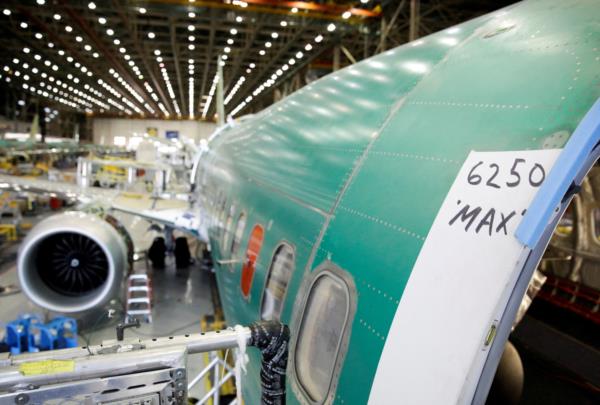
Several factors have contributed to the shortage of planes, including the grounding of aircraft during the pandemic, delays in aircraft deliveries, and maintenance issues. These challenges have created a bottleneck for airlines, making it difficult for them to operate efficiently.
To address this issue, airlines are exploring various strategies, such as leasing additional aircraft, adjusting flight schedules, and prioritizing high-demand routes. However, these measures may not be sufficient to fully alleviate the strain on the industry.
Industry experts warn that the lack of planes could have long-term implications for airlines, affecting their ability to meet customer demand and potentially leading to higher ticket prices. As the summer travel season approaches, airlines will need to navigate these constraints carefully to ensure a smooth travel experience for passengers.






.png?w=600)