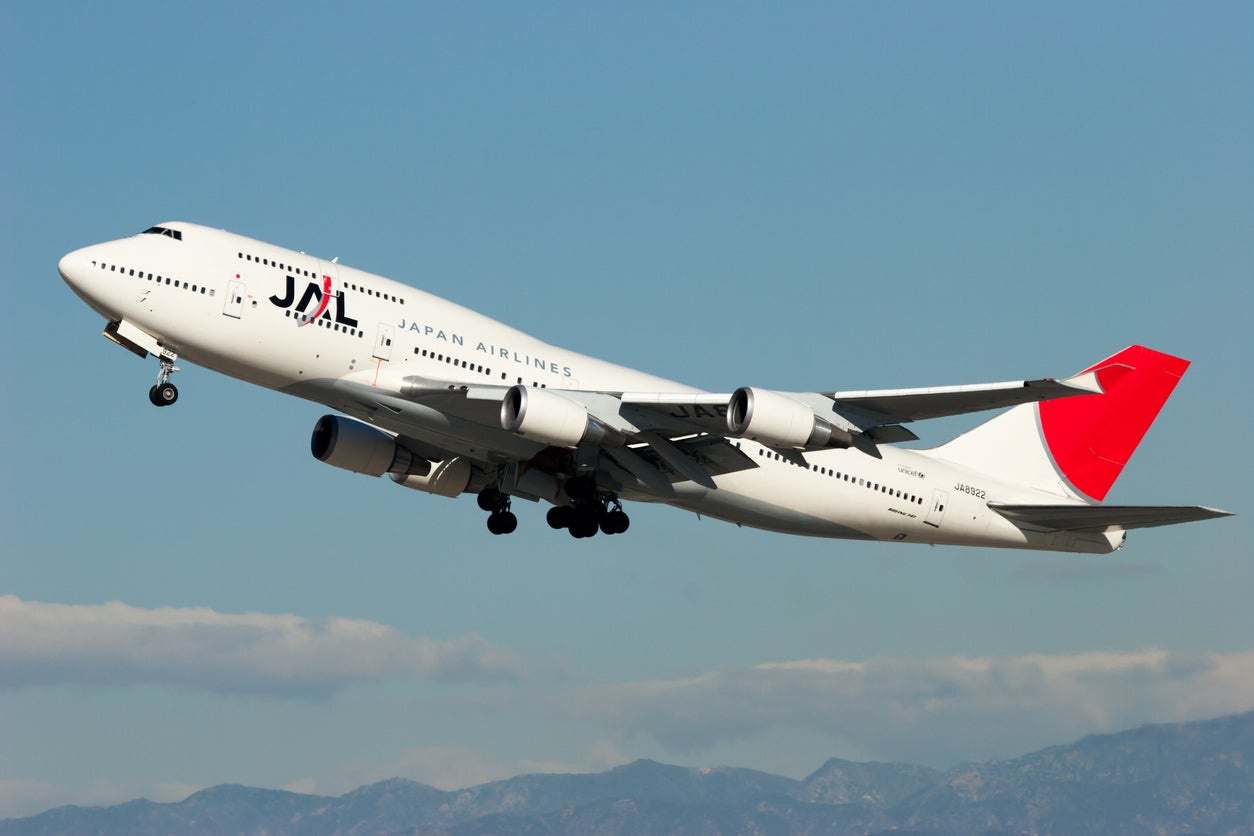
Japan Airlines (JAL) has introduced a “Meal Skip Option” on some of its flights in a bid to cut down on food waste.
JAL’s “Ethical Choice” initiative is the first of its kind that lets you opt out of inflight catering before you board your flight.
It means that the airline would simply not prepare your meal rather than letting the food go to waste if you decide not to eat the food offered once you’re on board.
Passengers can pre-select the option when they’re booking their flight or by calling the airline after their flight has been confirmed. The process is similar to if they’re requesting a meal for a special diet.
The No Meal option is available for all cabin classes, and travellers who opt for this will be given a JAL branded amenity kit containing items such as an eye mask and toothbrush.
JAL is targeting travellers who may want to sleep through the meal service or bring their own food on board, CNN reports.
It’s inspired by the UN's Sustainable Development Goals, which include reducing food waste.
The option to reject inflight catering before you board is currently only available on flights between Bangkok and Tokyo Haneda, where it has been trialled since 19 November this year.
It’s a relatively short overnight flight, which means many passengers would normally reject the meal service anyway.
JAL isn’t the only airline to expand its sustainability initiatives in recent years.
Earlier this year, British Airways announced that it will eradicate 700 tonnes of single-use plastic from its flights during 2020.
The airline said it planned to get rid of more than a billion single-use plastic items, which would fill the equivalent of more than 30,000 suitcases.
BA had already set out to remove 90 tonnes-worth of single-use plastic, or 25 million items, but it will now scale up its ambitions by more than 700 per cent.
As many single-use plastic items as possible will be swapped for more sustainable alternatives, such as recyclable or reusable items.
Meanwhile, Air New Zealand has tested out edible coffee cups on board its flights in a bid to reduce waste.