Aiming at Olympic boom, Japan builds 'Ethnic Harmony' tribute to indigenous Ainu
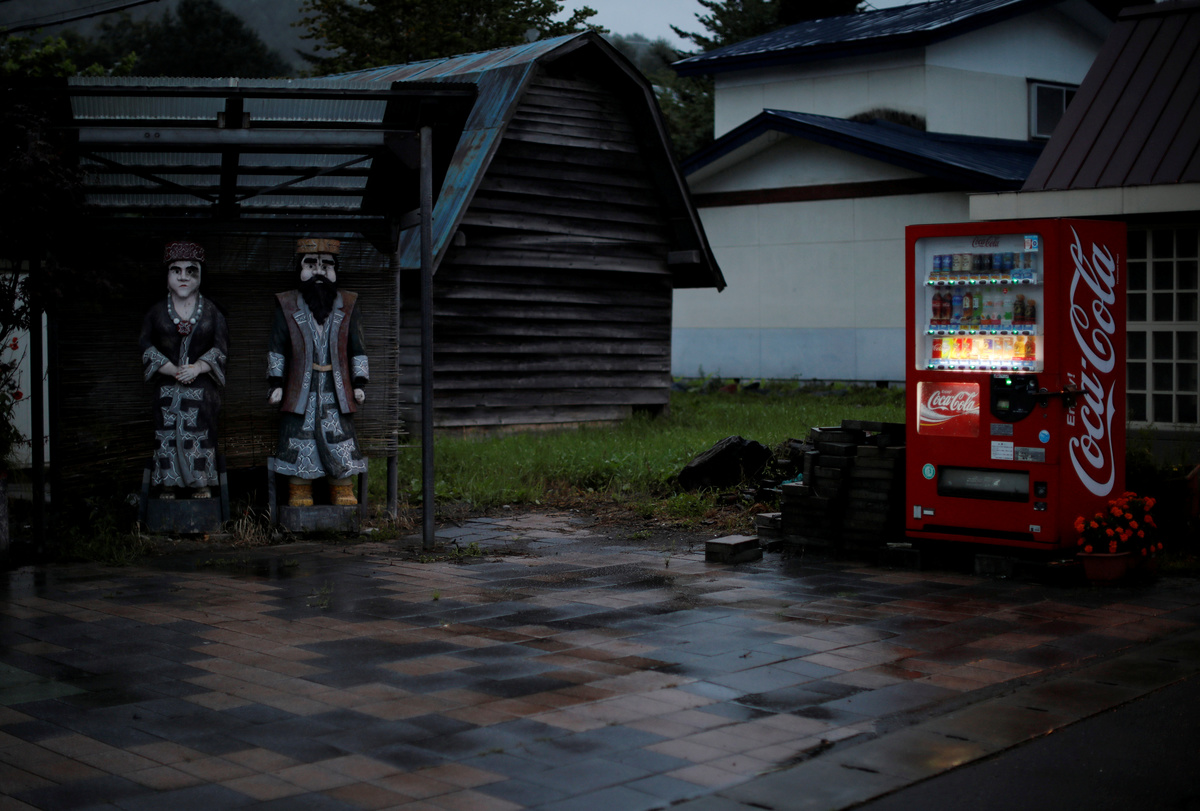
Wooden statues of an Ainu couple stand in front of an Ainu craft shop in the Nibutani district where several Ainu craft shops and a museum are located, in Biratori, Hokkaido Prefecture, Japan, August 23, 2019. REUTERS/Kim Kyung-Hoon
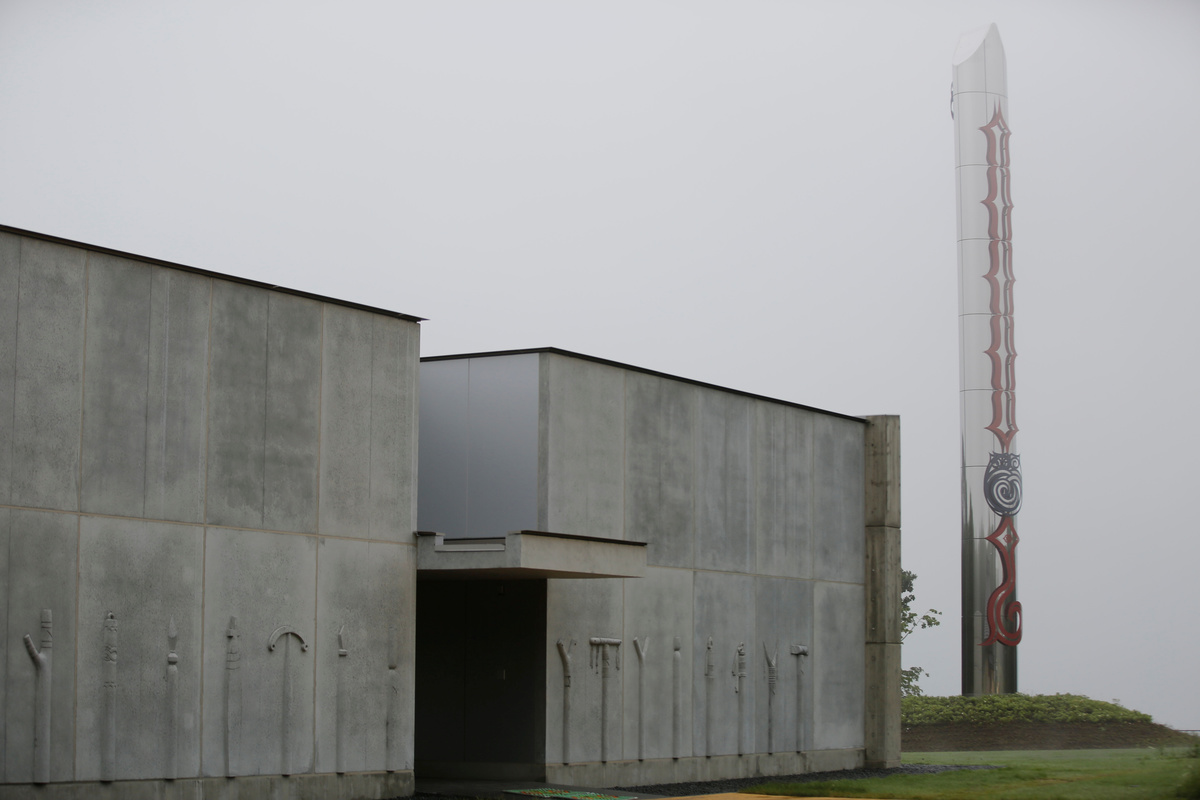
TOKYO (Reuters) - On a wooded lake shore in northern Japan, the government is building a modernist shrine that has divided the indigenous Ainu community whose vanishing culture it was designed to celebrate.
At a cost so far of $220 million, Japan's "Symbolic Space for Ethnic Harmony" is on track to open in time for the 2020 Olympics, part of a drive by Prime Minister Shinzo Abe to draw millions of foreign visitors to Japan and to the northern city of Sapporo, where the Olympic marathon will be run.
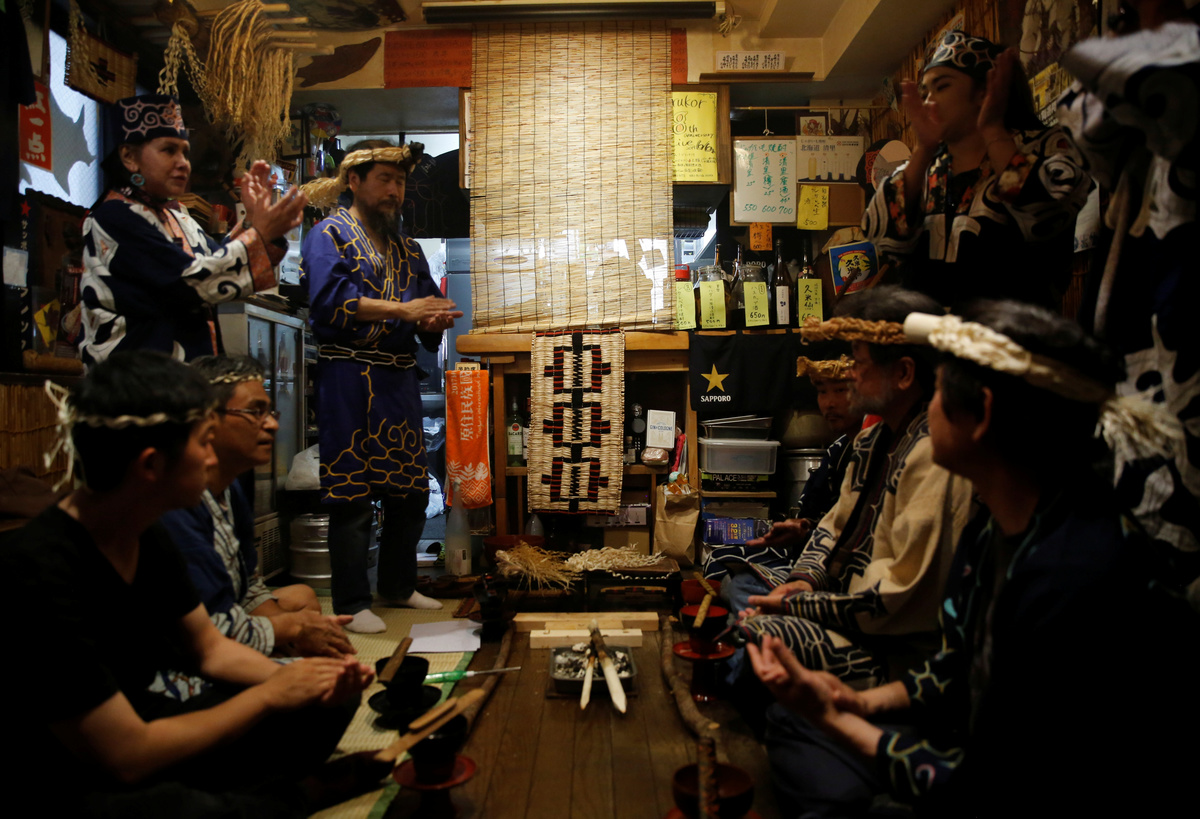
Indigenous Ainu Teruyo Usa (R) attends a traditional ritual ceremony to mark the eighth anniversary of the opening of her Ainu restaurant in Tokyo, Japan, June 6, 2019. Scholars say the Ainu settled in Japan's northernmost island and across Sakhalin, Russia, by the 1300s. They hunted, fished, practiced an animist religion and spoke a language unrelated to any other. REUTERS/Kim Kyung-Hoon
(Click https://reut.rs/2NejDTG to see a picture package.)
Also known as "Upopoy" or "singing together" in the Ainu language, the complex will include a museum, a replica of an Ainu village, many of which Japan destroyed in its 19th Century colonization of Hokkaido, and a memorial housing the bones of hundreds of Ainu whose remains were sent to universities in the 20th Century.
For some surviving Ainu, whose exact numbers are unknown, the project underscores how Japan has failed to come to terms with its history - despite more than a decade of deliberation on how Tokyo could meet its commitments to an indigenous group it officially recognized in 2008.
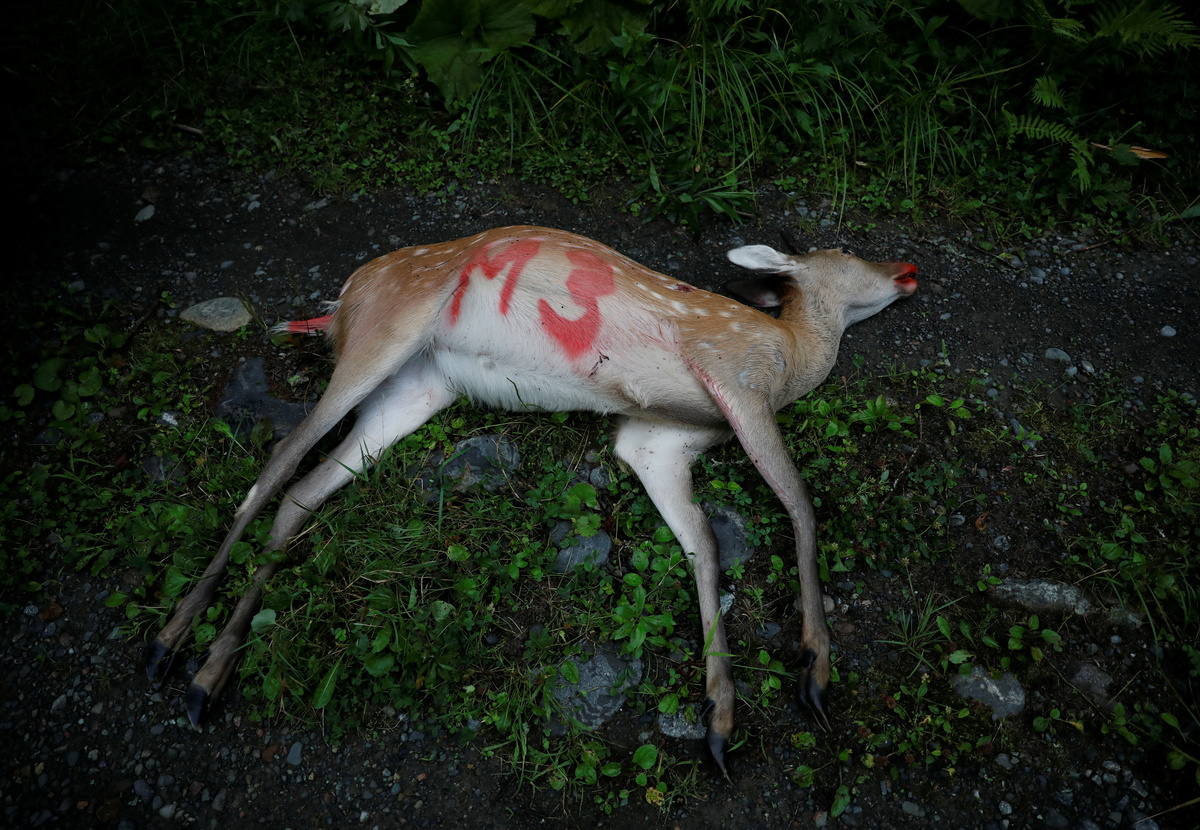
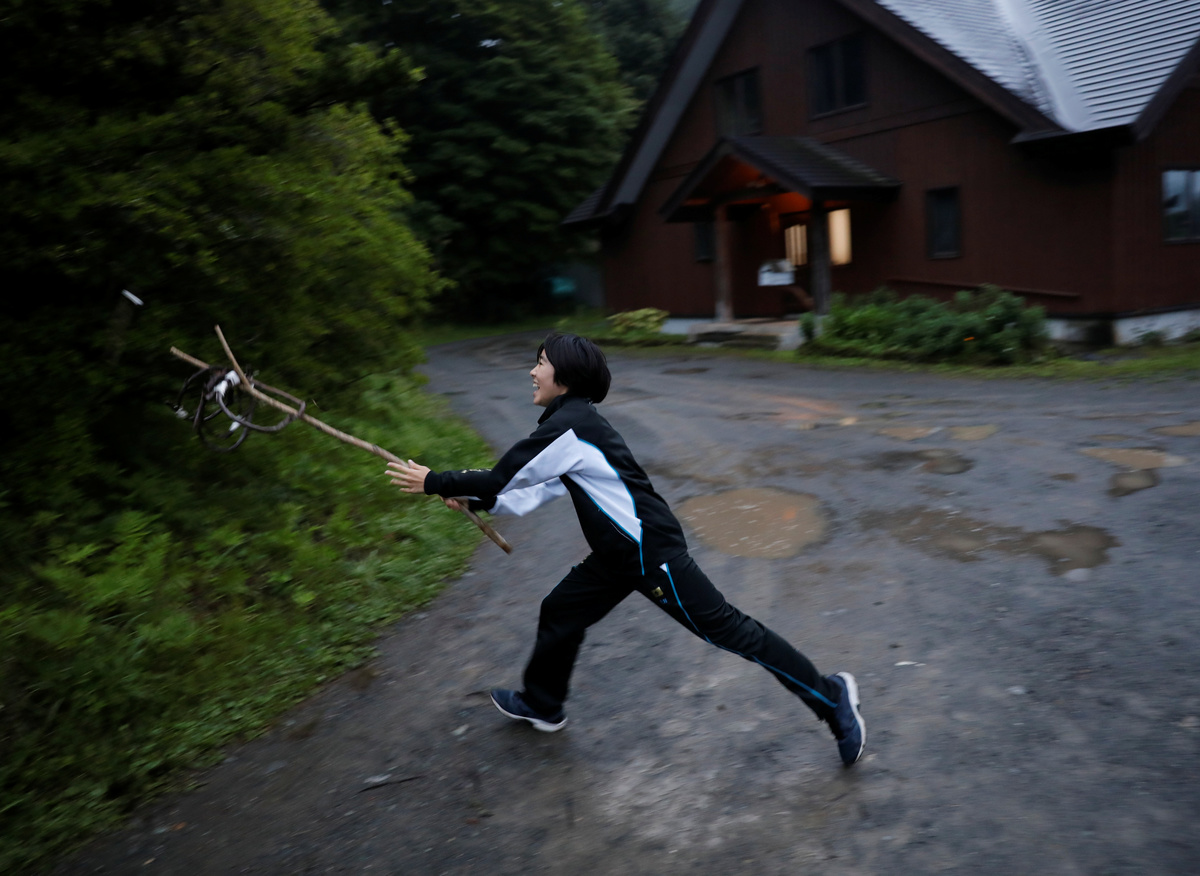
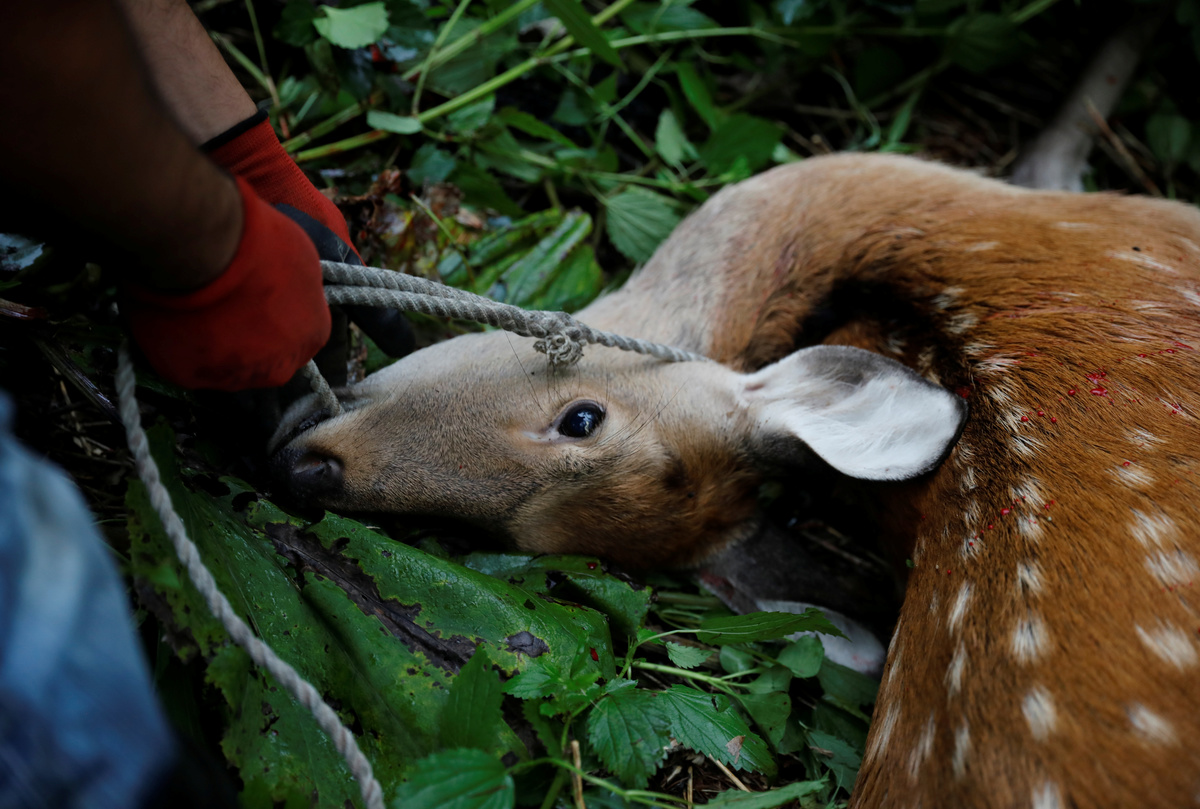
A deer shot by Ainu hunter Atsushi Monbetsu is marked with paint before he takes it to collect a $120 deer cull bounty from the local town hall in Biratori, Hokkaido Prefecture, northern Japan, August 22, 2019. Scholars say the Ainu settled in Japan's northernmost island and across Sakhalin, Russia, by the 1300s. They hunted, fished, practiced an animist religion and spoke a language unrelated to any other. REUTERS/Kim Kyung-Hoon
Some Ainu worry the new museum complex is mostly meant to burnish Japan's international standing ahead of the Olympics.
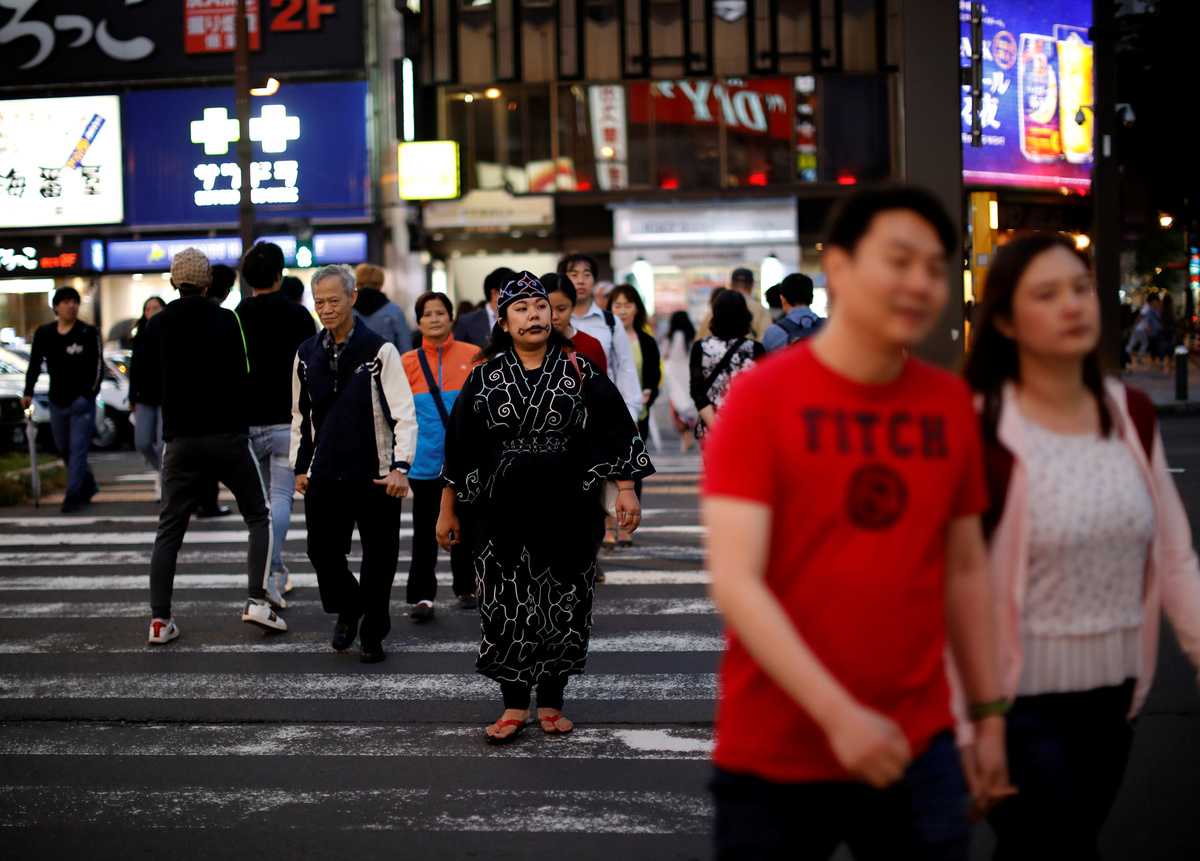
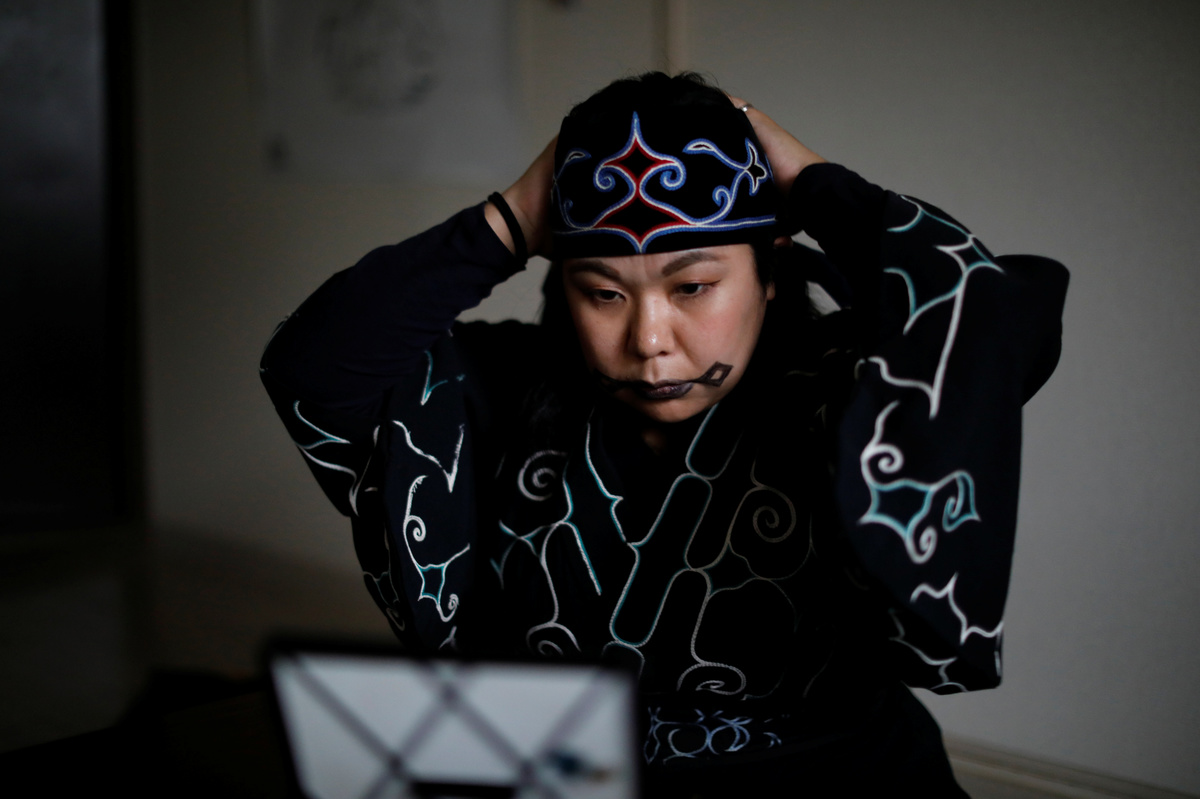
"I think it's possible it could end up becoming a theme park," said Ainu tattoo artist Mai Hachiya. "People would come to see the dancing and other performances. It would be like a zoo."
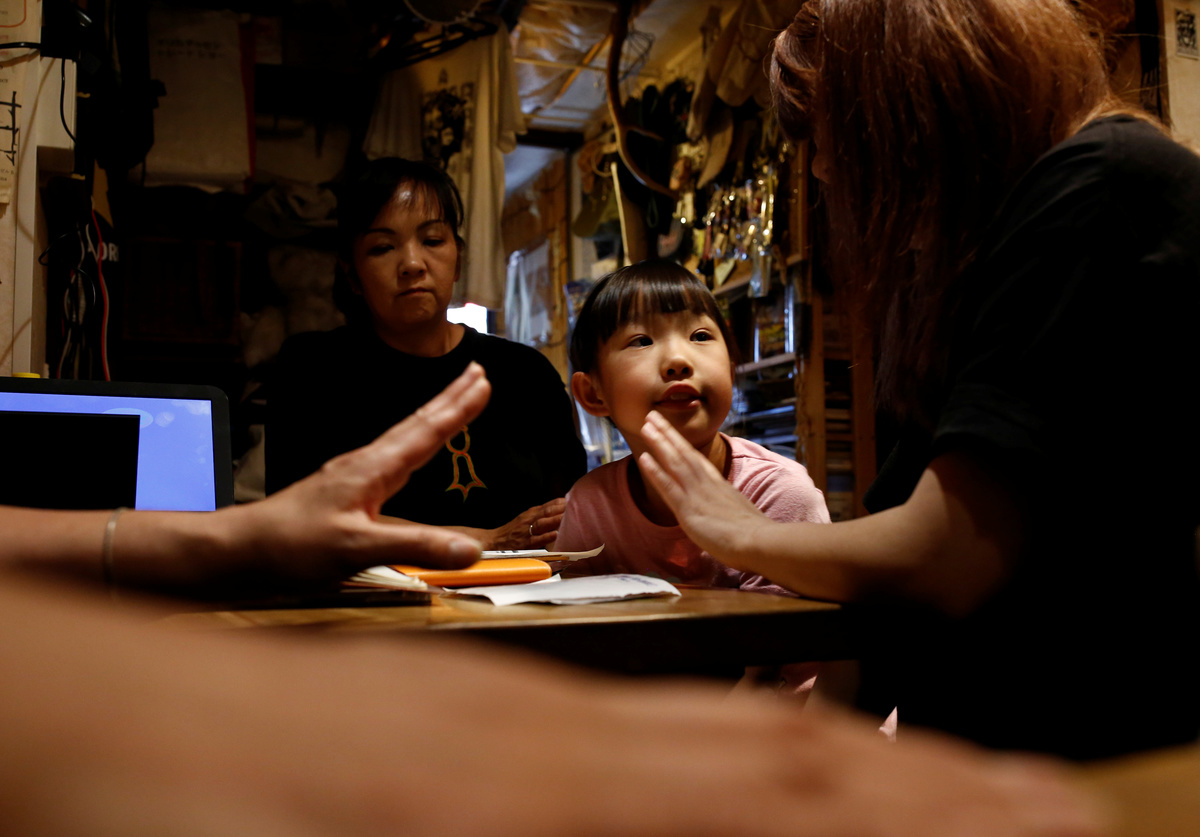
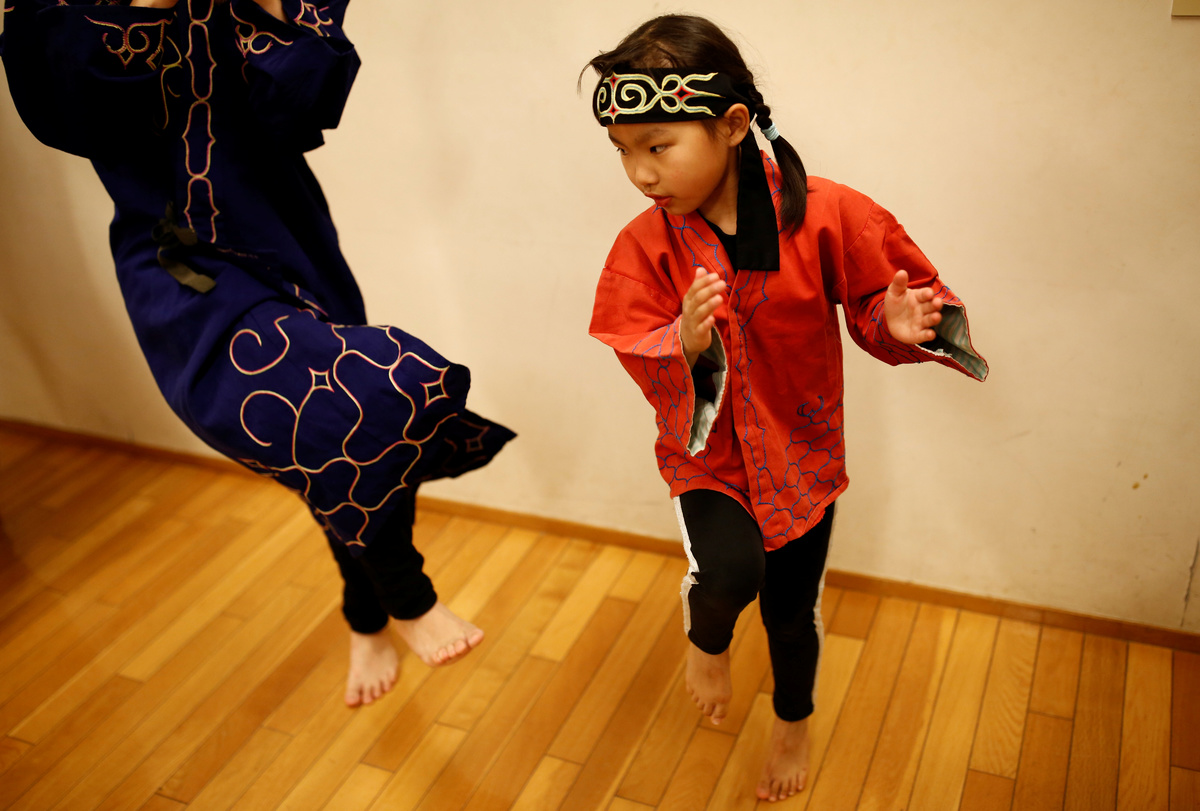
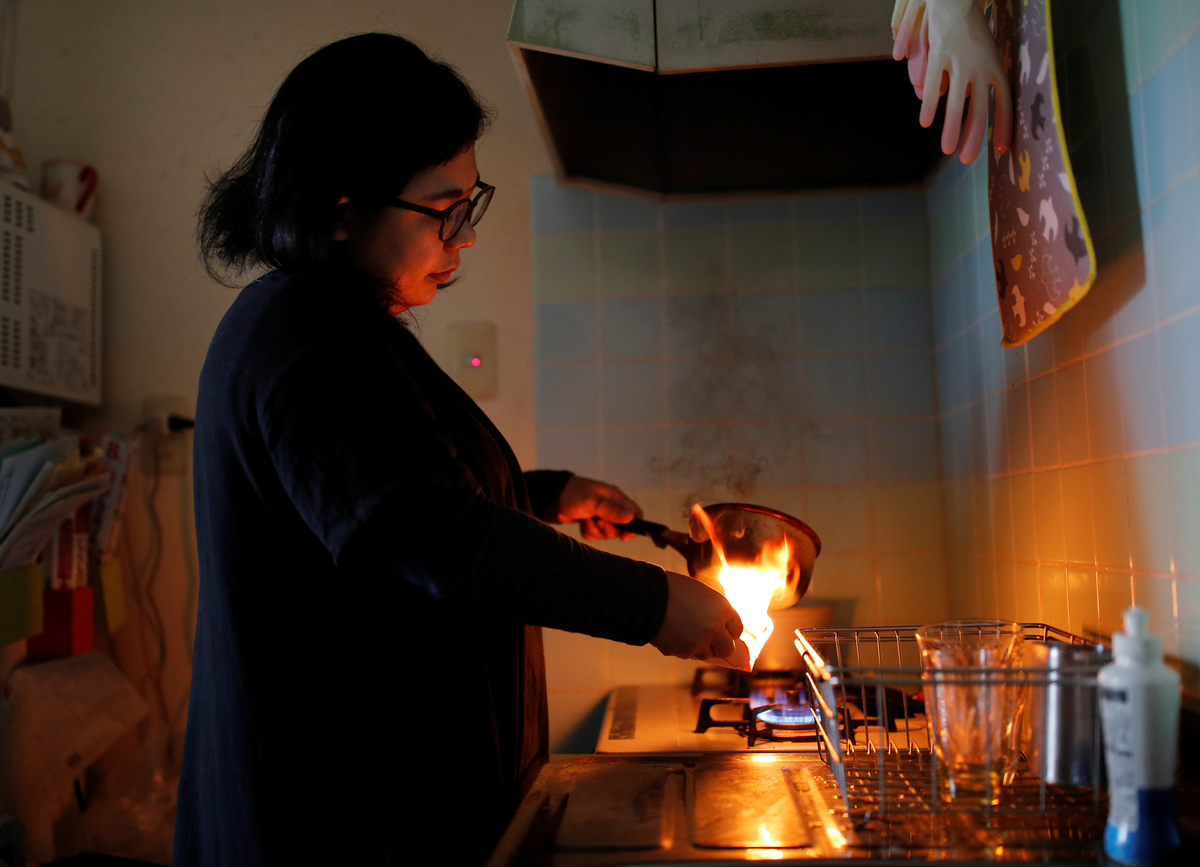
Indigenous Ainu Teruyo Usa's daughter Ruino learns a traditional Ainu song from her mother and relatives at her mother's restaurant in Tokyo, Japan, May 5, 2019. REUTERS/Kim Kyung-Hoon
'SILENT AINU'
Scholars say the Ainu settled in Japan's northernmost island and across Sakhalin, Russia, by the 1300s. They hunted, fished, practiced an animist religion and spoke a language unrelated to any other.
Japan took control of Hokkaido by force in the 19th Century and made it a colony. After opening it to Japanese settlers, it forced the Ainu, which it labeled "former aborigines," to assimilate.
Yumeka, a son of Ainu hunter Atsushi Monbetsu, plays Karippekap an Ainu folk game, with his father (not pictured) in Biratori, Hokkaido Prefecture, northern Japan, August 22, 2019. REUTERS/Kim Kyung-Hoon
A 2017 survey counted just over 13,000 Ainu in Hokkaido. The actual number is estimated to be much higher, because many Ainu fear identifying as other than Japanese and have moved to different parts of the country.
Ainu children are half as likely to go to college as other Japanese and average household earnings are significantly lower, official data show.
"Society was not accepting of the Ainu, and it still isn't," said Mai Ishihara, an anthropologist at Hokkaido University. "There are still many people who keep their Ainu identity secret from their children."
Indigenous Ainu Teruyo Usa's daughter Ruino practices a traditional Ainu dance before performing at a folk art concert in Tokyo, Japan, May 17, 2019. REUTERS/Kim Kyung-Hoon
Ishihara discovered at age 12 that her maternal grandmother was Ainu. She describes people detached from their roots as "silent Ainu."
In 2009, after signing the UN Declaration on the Rights of Indigenous Peoples, Japan's government began considering how to establish a new policy for the Ainu. Early proposals zeroed in quickly on the creation of the government-funded "Symbolic Space" now taking shape on the shore of Lake Poroto near the town of Shiraoi in Hokkaido.
In consultations that concluded in early 2018, Ainu representatives asked for legal rights to state-owned land, more funding for teaching Ainu culture and language and an apology from Japan's government.
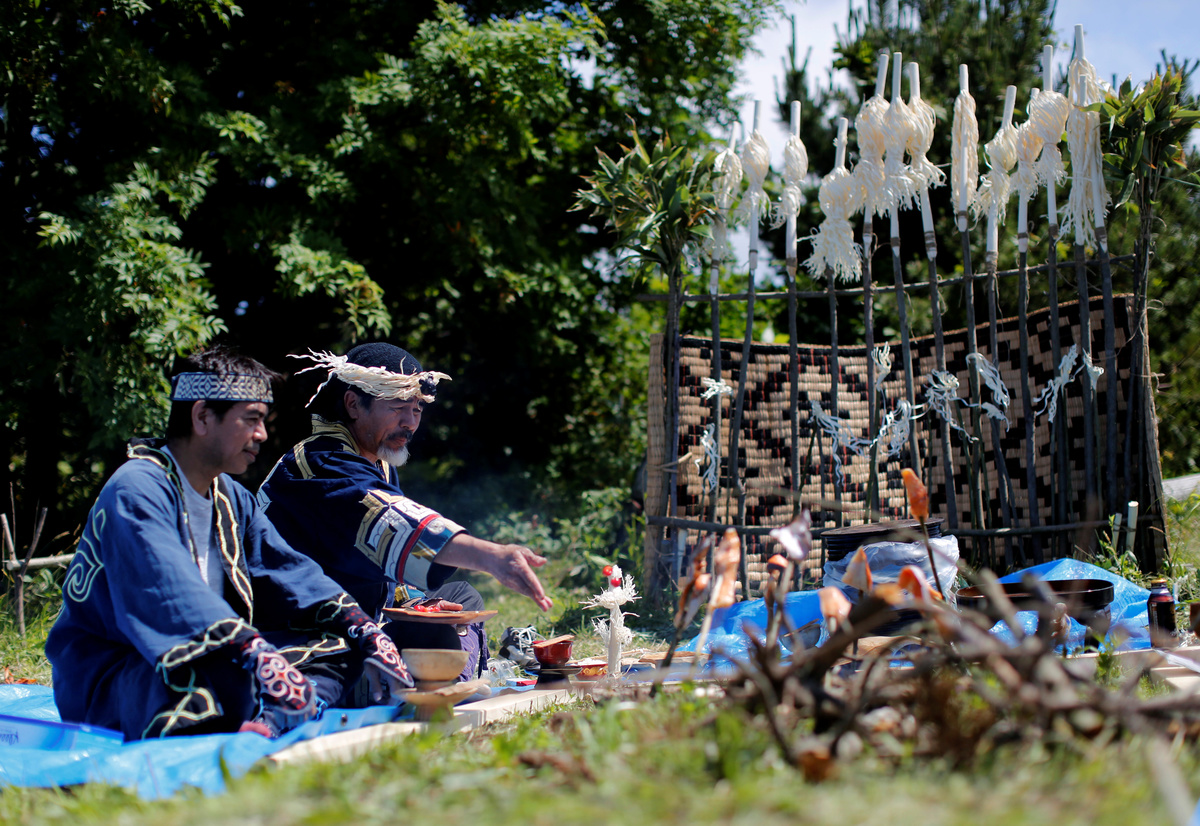
Ainu artist Koji Yuki (R) and his fellow Ainu Fukumoto Shoji, sit in front of a makeshift altar for a memorial service for Ainu tribesmen defeated by a Japanese army in a fifteenth century battle in Kaminokuni, Hokkaido Prefecture, northern Japan, July 6, 2019. REUTERS/Kim Kyung-Hoon
None of those proposals was considered.
"We can't do something if it is not achievable," said Hiroshi Koyama, the official in charge of Japan's Comprehensive Ainu Policy Office.
Giving back forest where Ainu once hunted and foraged, he said, would "be hard for the Japanese people to accept." And he added that an apology would be uncomfortable for many Japanese, as well as an insult to the Japanese settlers who built modern Hokkaido.
Ainu tattooist Mai Hachiya wears a traditional Ainu robe with lipstick drawn around her mouth to recreate traditional tattoos commonly worn by Ainu women as she walks downtown in Sapporo, Hokkaido, northern Japan, July 2, 2019. Some Ainu worry the new museum complex is mostly meant to burnish Japan's international standing ahead of the Olympics. "I think it's possible it could end up becoming a theme park," said Ainu tattoo artist Mai Hachiya. "People would come to see the dancing and other performances. It would be like a zoo." REUTERS/Kim Kyung-Hoon
"It would focus people's attention on the bad things that happened and not the future," he said.
'THE VERGE OF EXTINCTION'
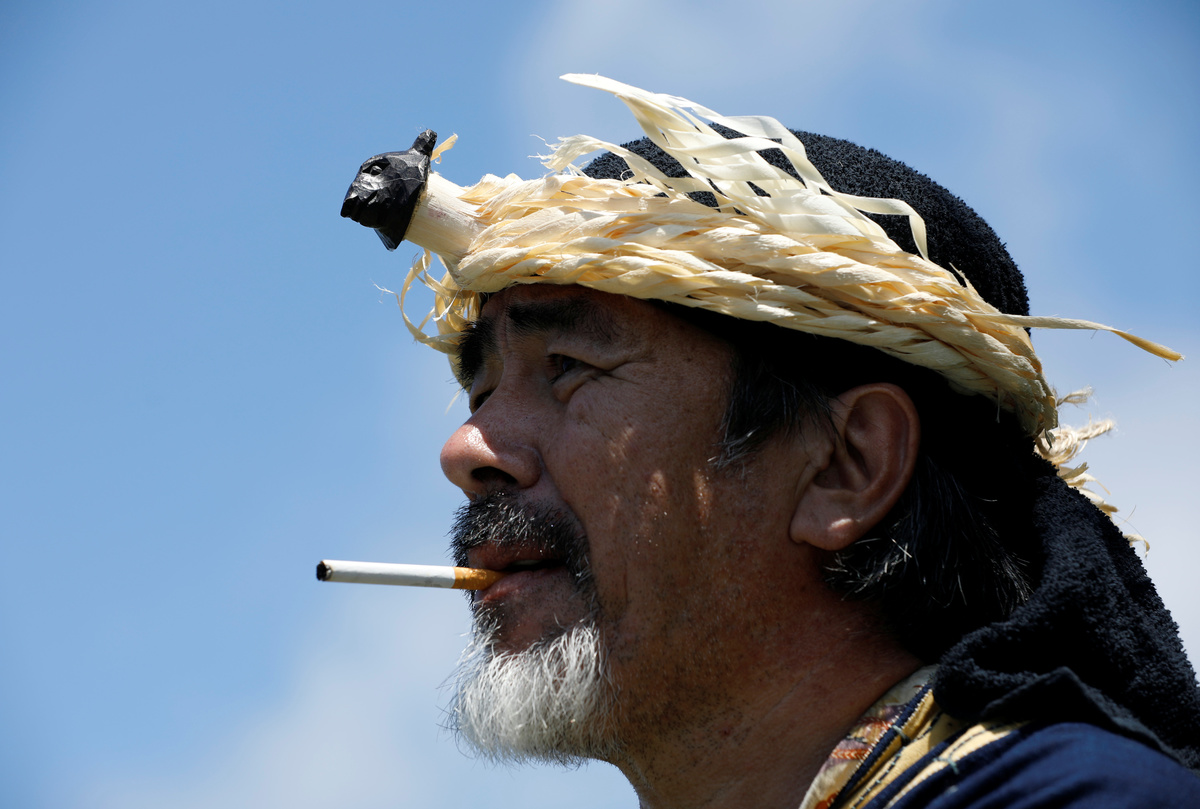
Ainu artist Koji Yuki smokes a cigarette after building a makeshift altar for a memorial service for Ainu tribesmen defeated by a Japanese army in a fifteenth century battle in Kaminokuni, Hokkaido Prefecture, northern Japan, July 6, 2019. Scholars say the Ainu settled in Japan's northernmost island and across Sakhalin, Russia, by the 1300s. They hunted, fished, practiced an animist religion and spoke a language unrelated to any other. REUTERS/Kim Kyung-Hoon
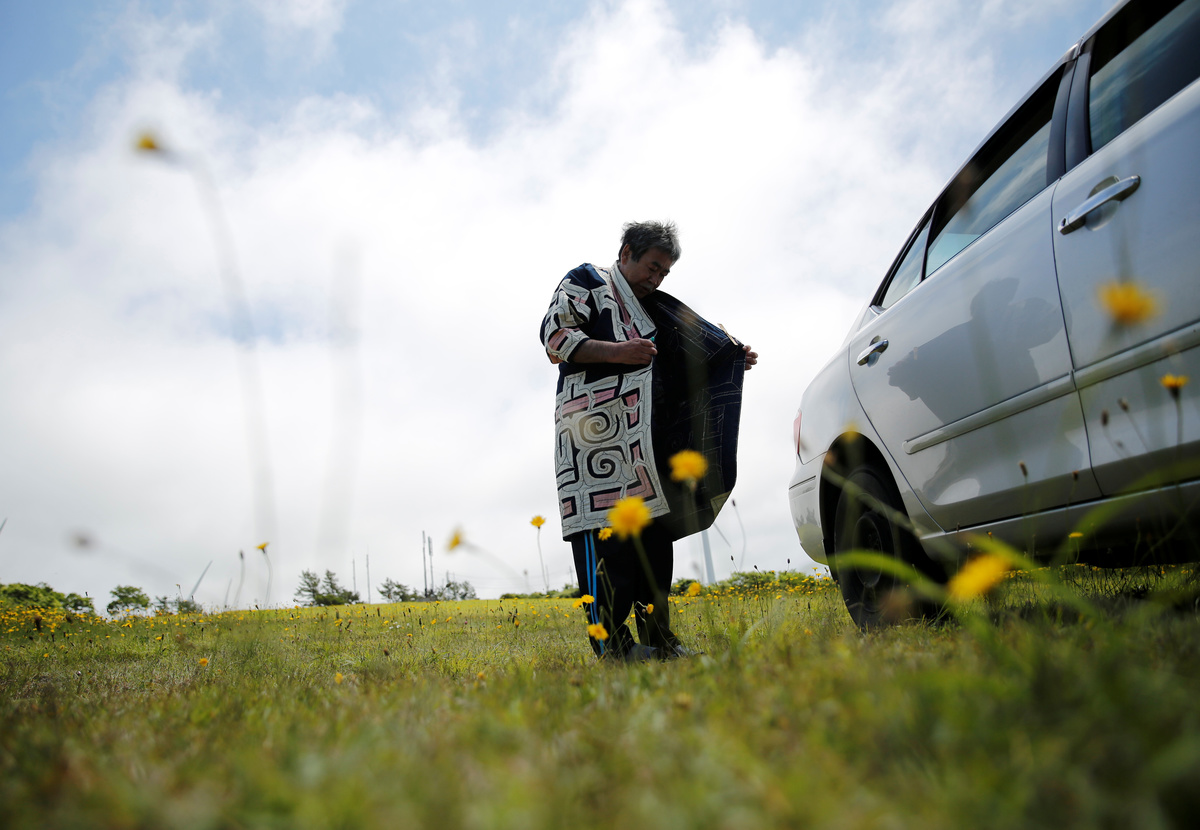
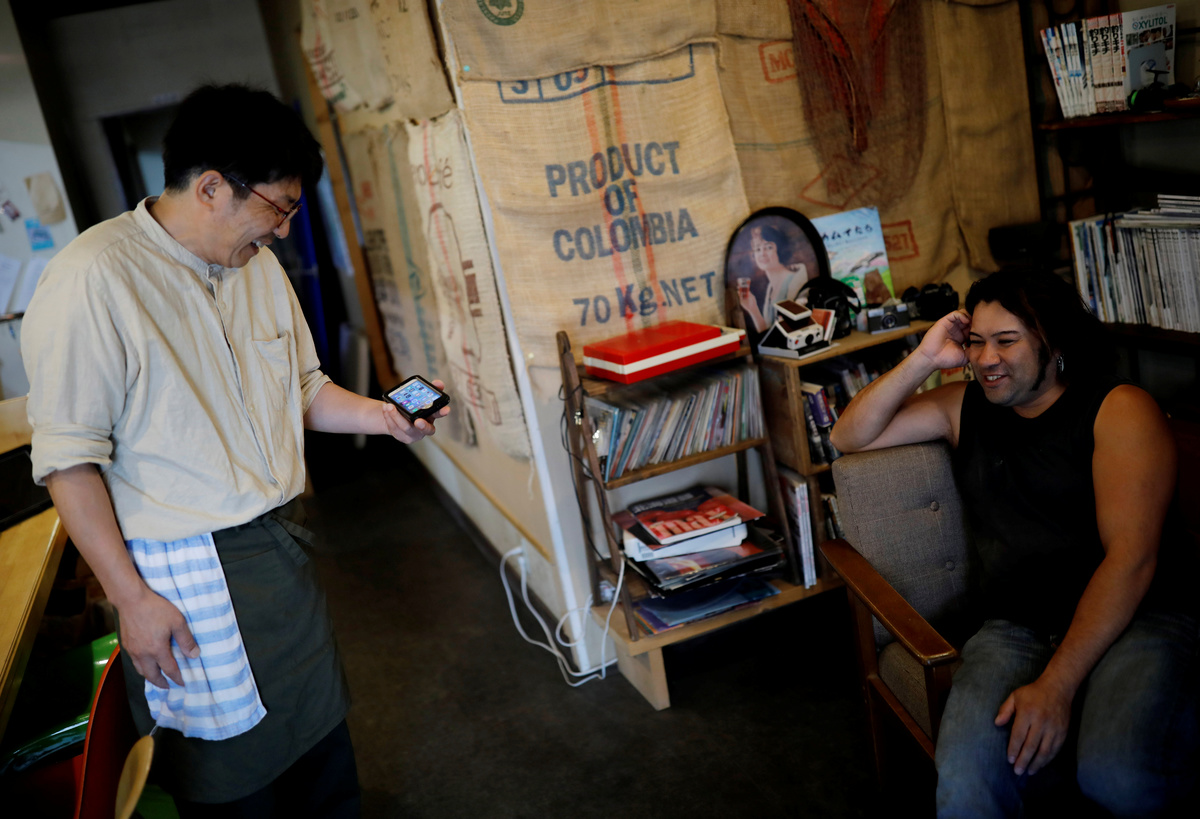
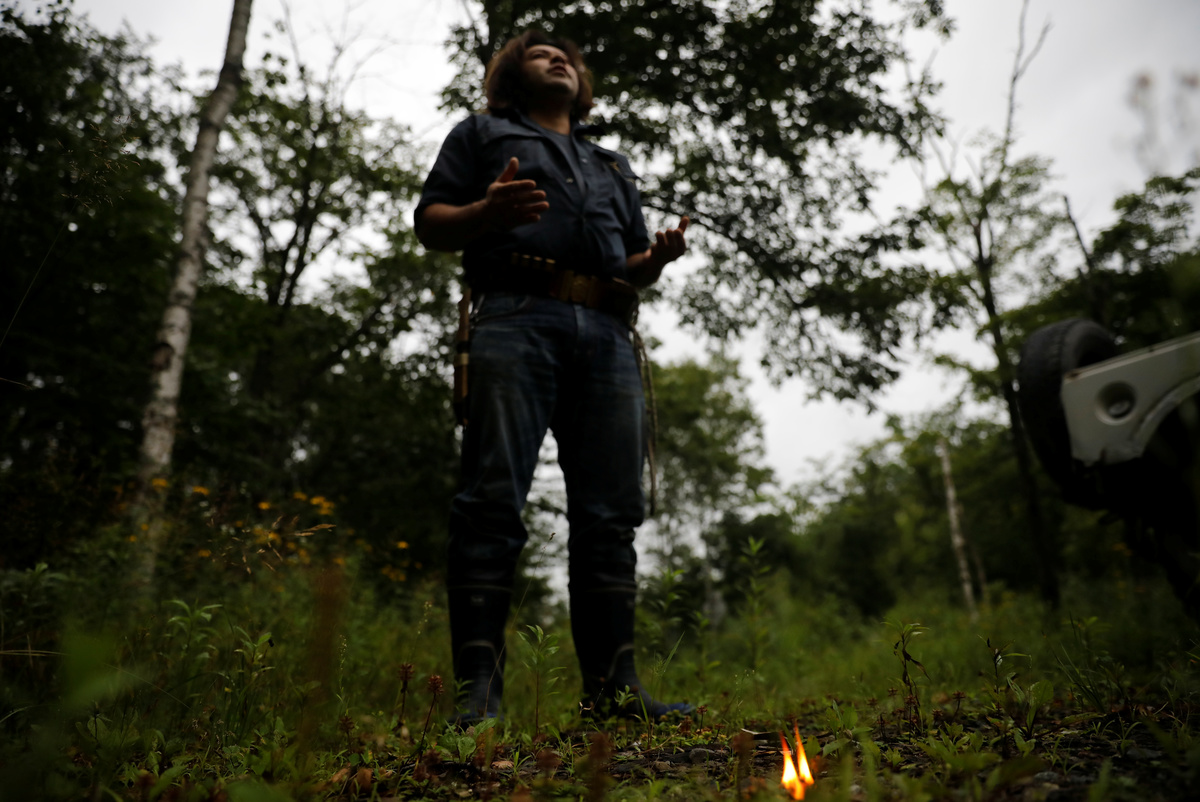
Ainu hunter Atsushi Monbetsu, 36, sees Tokyo's actions, including the ethnic-harmony park, as "useless." Discrimination as a child made him decide to embrace his heritage and live as a hunter, he said.
"It would have been nice if the government had given us a place where we could carry out our traditional rites," said Monbetsu, who burns birch shavings in a prayer to the Ainu gods before stalking deer with a shotgun.
A group representing about 2,000 Ainu supports Abe's project, arguing it will provide economic benefits from tourism and a forum focusing on Ainu culture and arts. Five of the 20 curators hired for the new museum are Ainu.
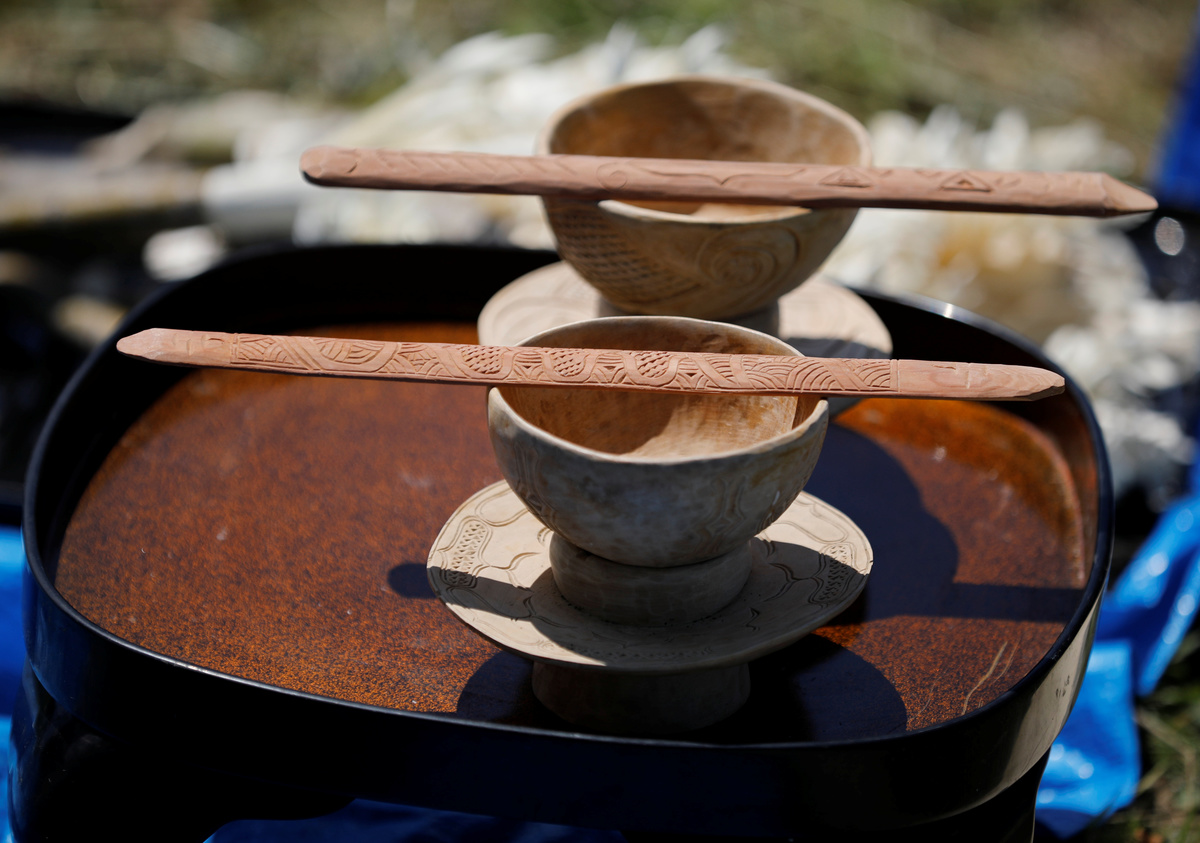
Ainu wooden bowls and pasui ceremonial sticks are displayed in preparation for a memorial service for Koshamain, an Ainu military leader defeated by a Japanese army in the 15th century, in Kaminokuni, Hokkaido Prefecture, northern Japan, July 6, 2019. Used in religious ceremonies, the pasui sticks are intended to act as a bridge to convey offerings from the human world to the Ainu gods. REUTERS/Kim Kyung-Hoon
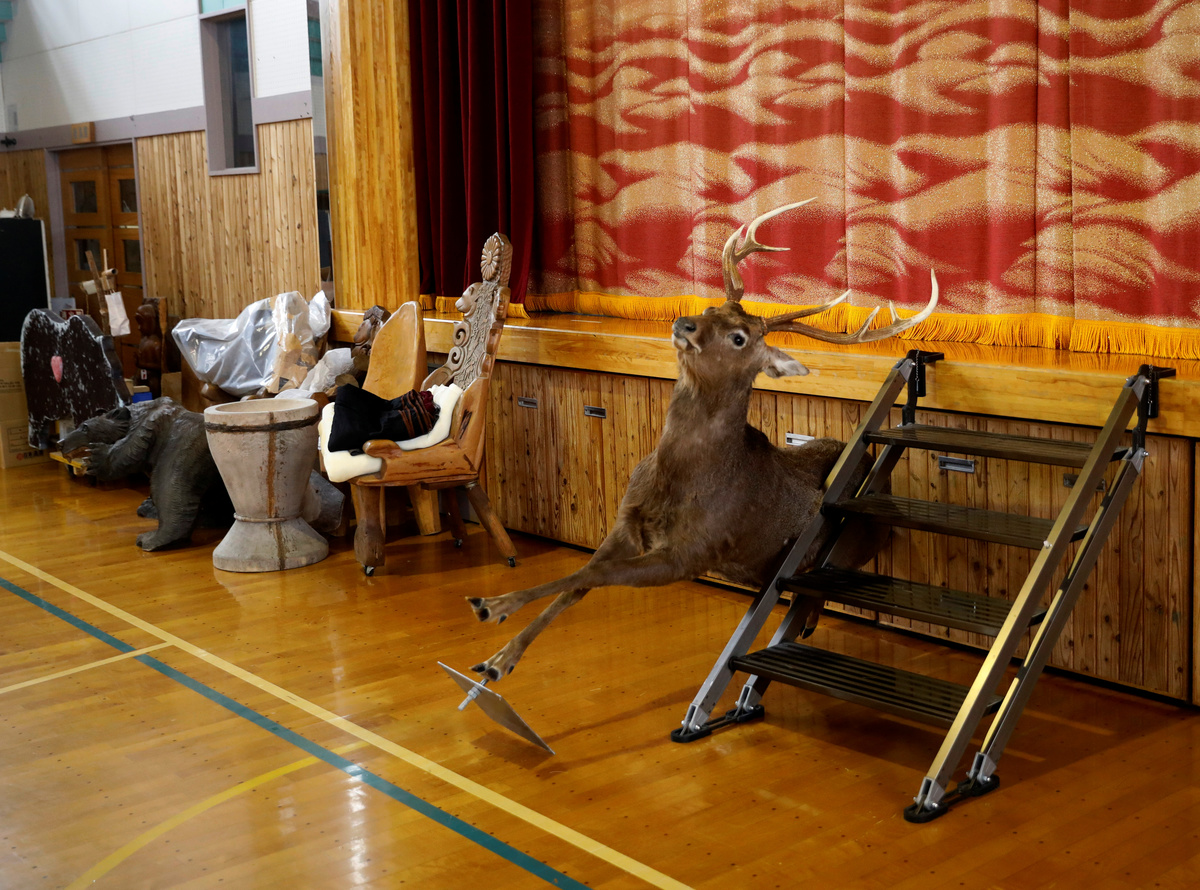
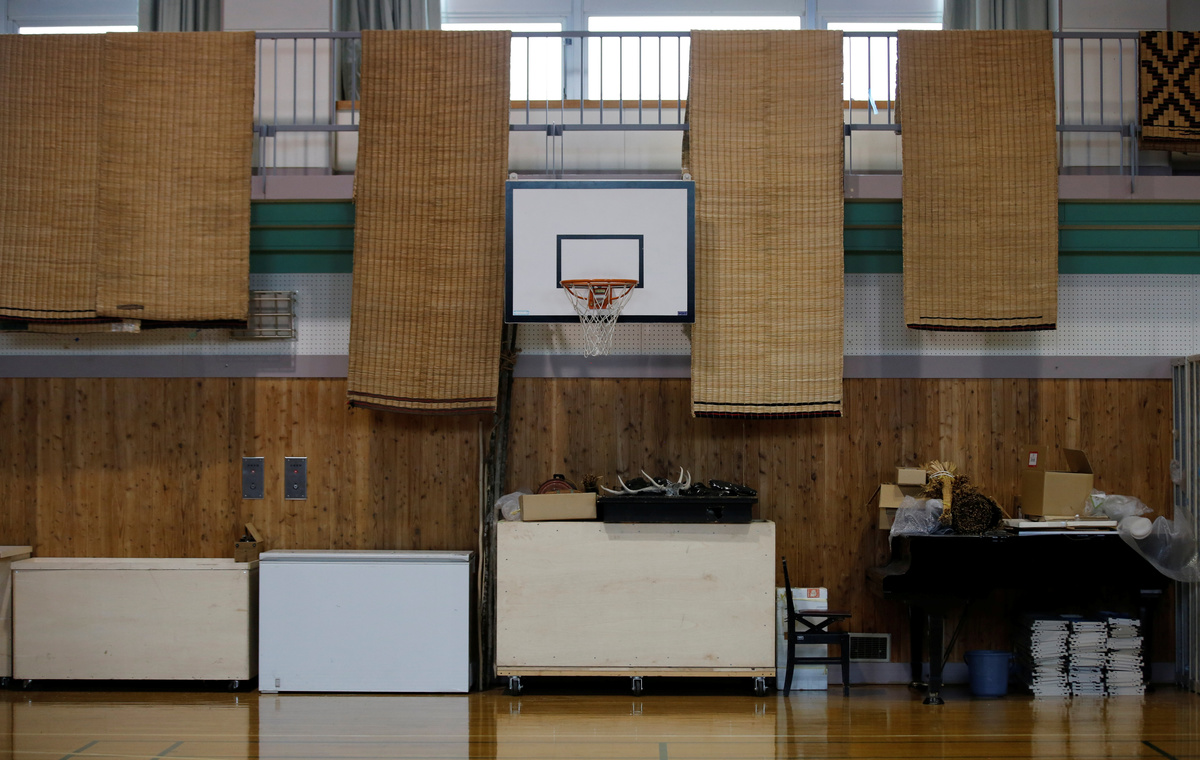
At a former school a short drive from the museum construction site, curators are preparing exhibits. Traditional Ainu coats hang in abandoned classrooms with knives, ceremonial sticks and heavy beaded necklaces laid out on tables. In the gymnasium, dancers practice next to stuffed bears and Ainu handicrafts.
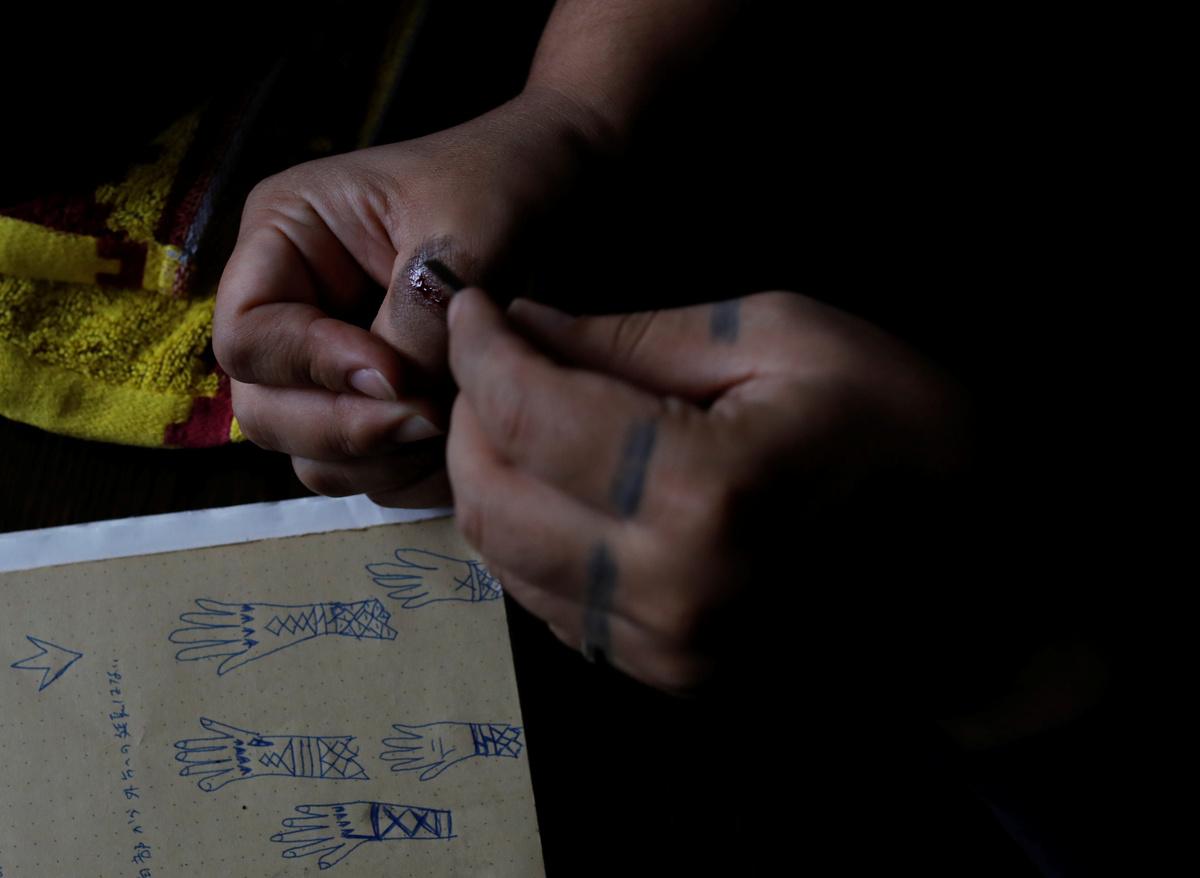
With pictures of smiling performers, a draft brochure describes Ainu hunter-gatherer culture as "on the verge of extinction." It makes no reference to Japanese policies that forced Ainu to adopt Japanese names, speak Japanese and outlawed practices such as a traditional form of tattooing Hachiya is trying to revive.
Hachiya, 36, who is also a singer, has been asked to practice a routine with other Ainu performers that may be included in the Olympics opening ceremony in Tokyo.
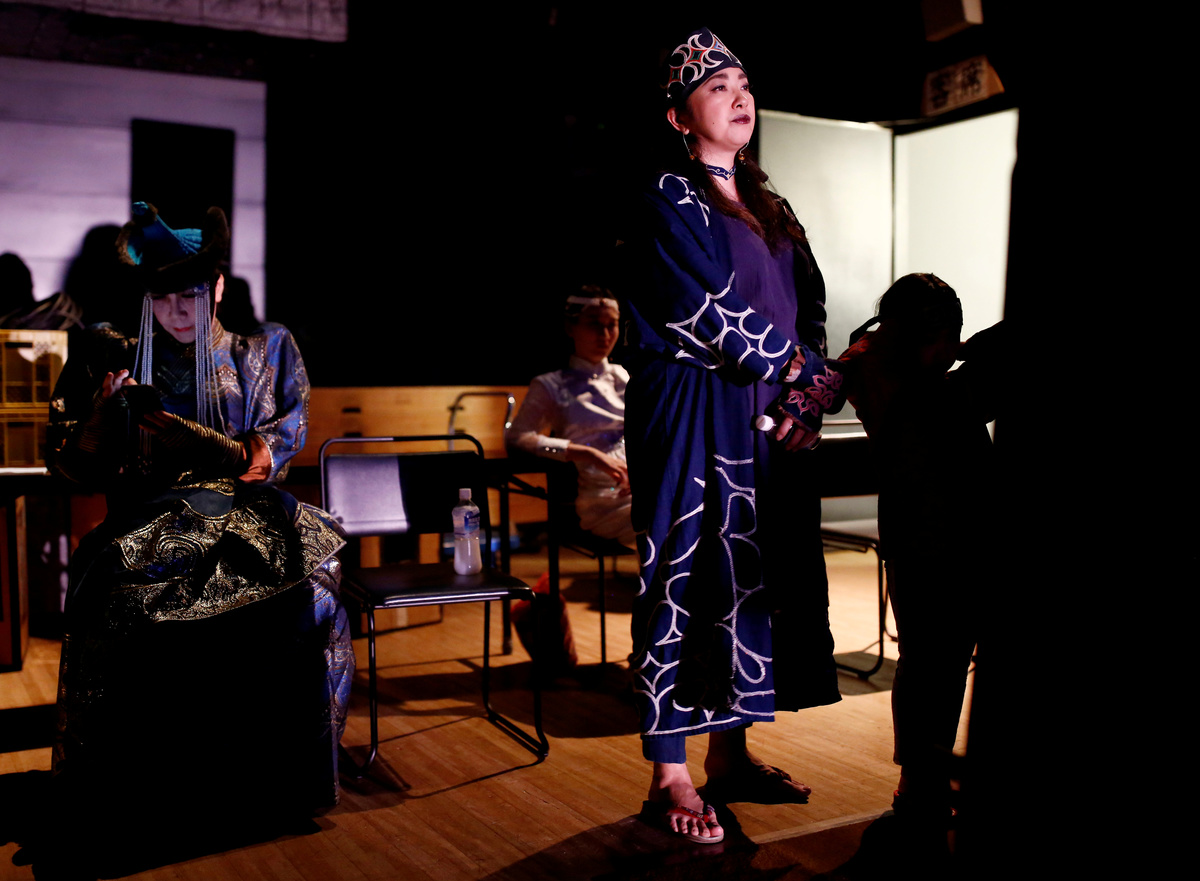
Indigenous Ainu Teruyo Usa waits for her turn to perform traditional Ainu dancing and song, backstage during a folk art concert in Tokyo, Japan, May 17, 2019. REUTERS/Kim Kyung-Hoon
"I think Hokkaido is a Japanese colony," she said. "That's a hard thing to say, but if you look back on what was done, that's what you have to conclude."
(Reporting by Tim Kelly, additional reporting by Kwiyeon Ha and Kyung Hoon Kim; Editing by Kevin Krolicki, Billy Mallard and Gerry Doyle)
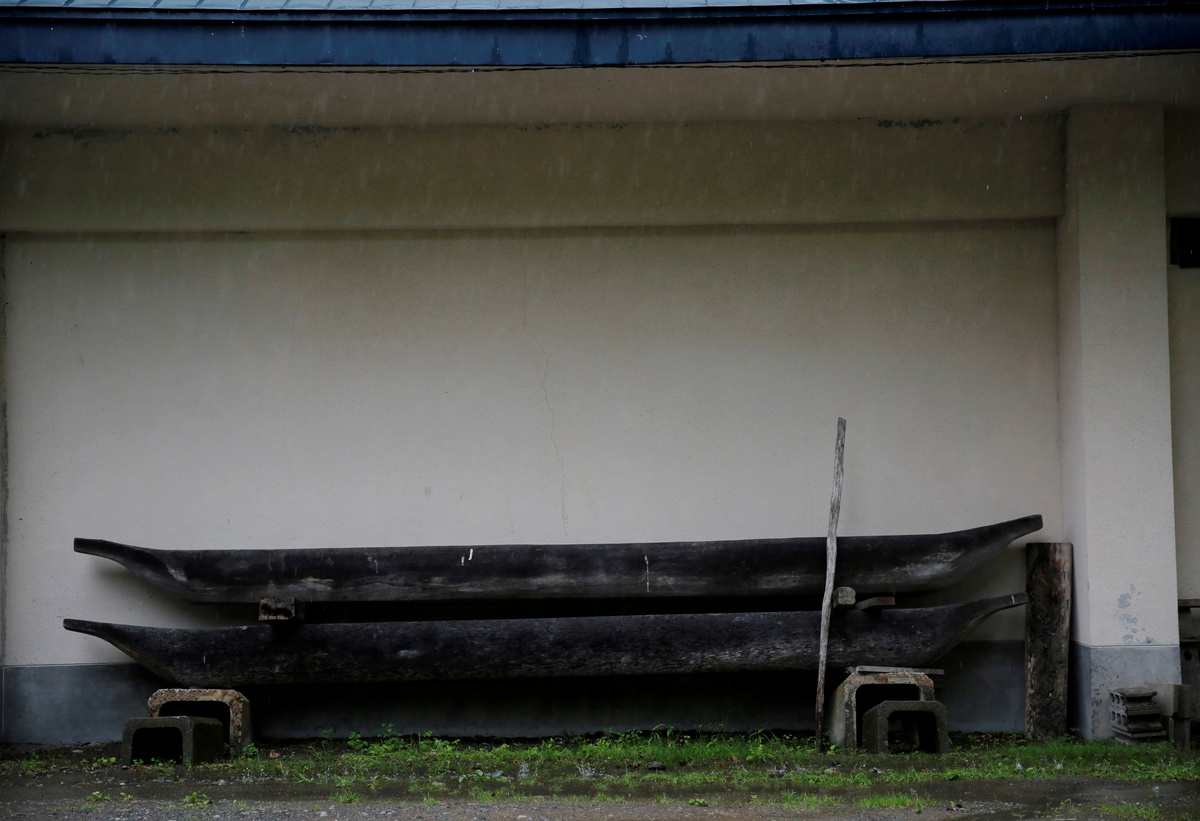
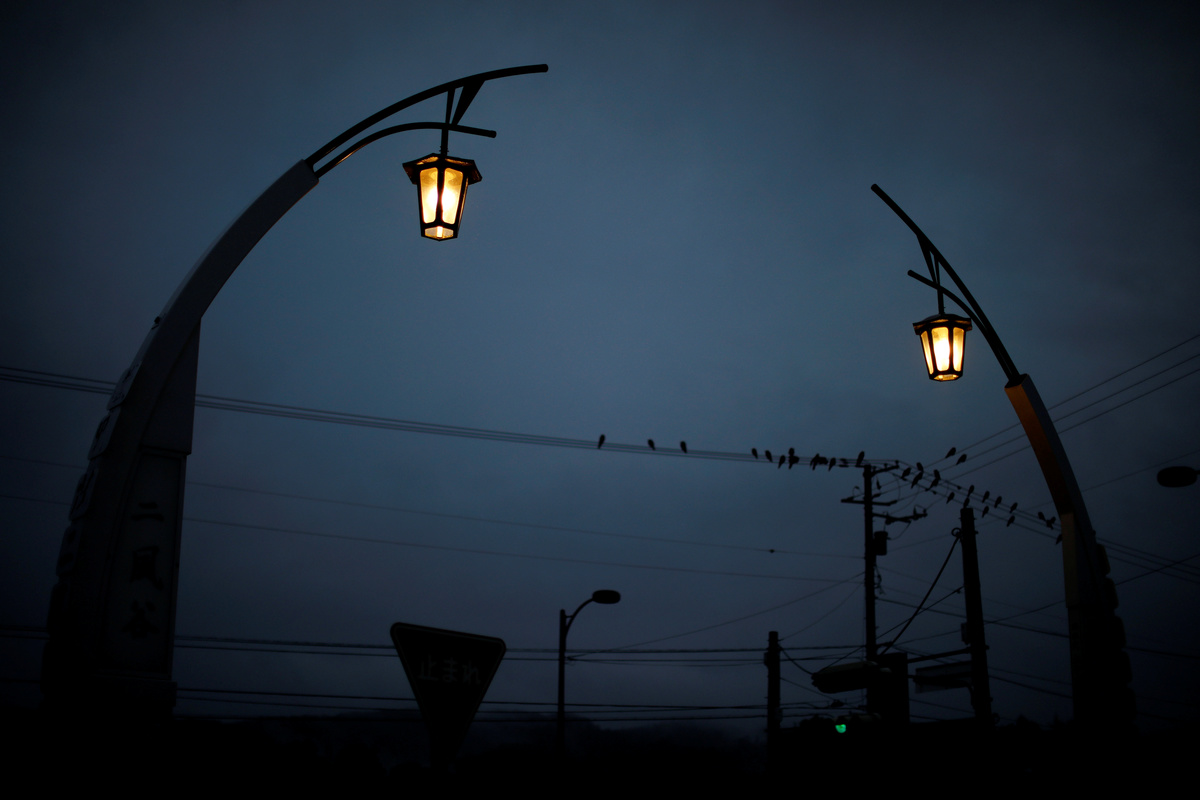
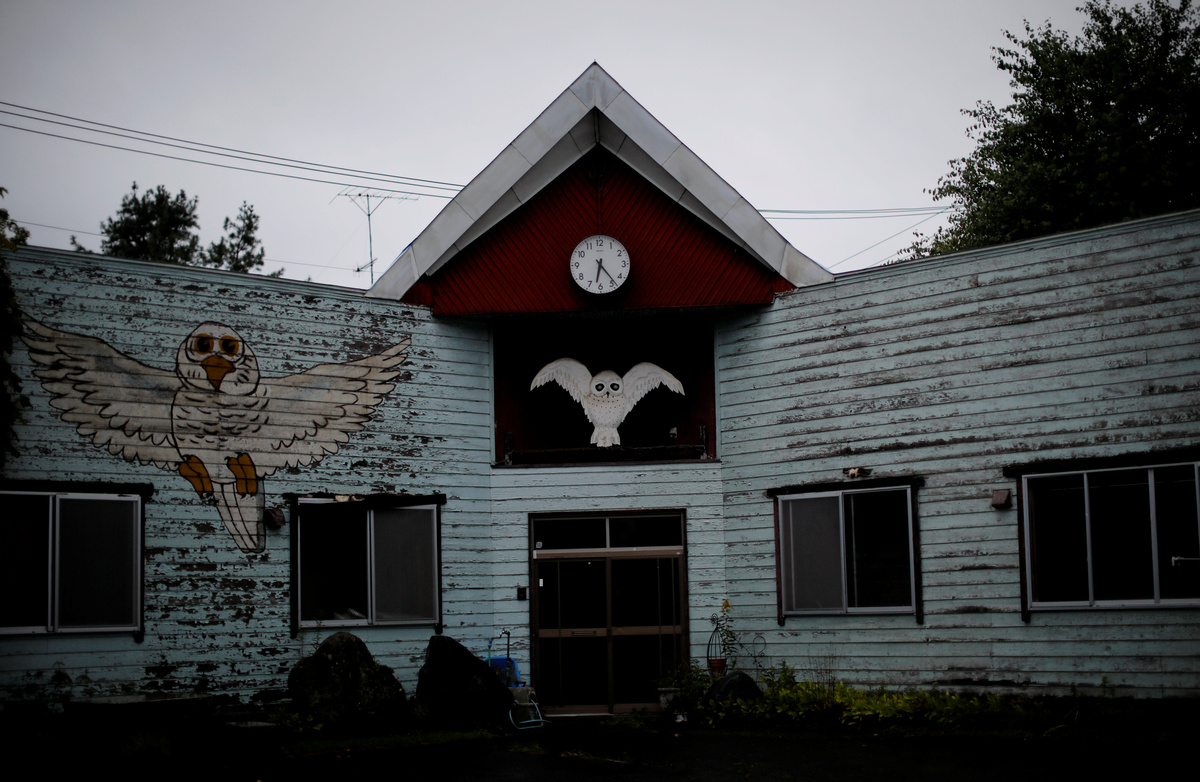
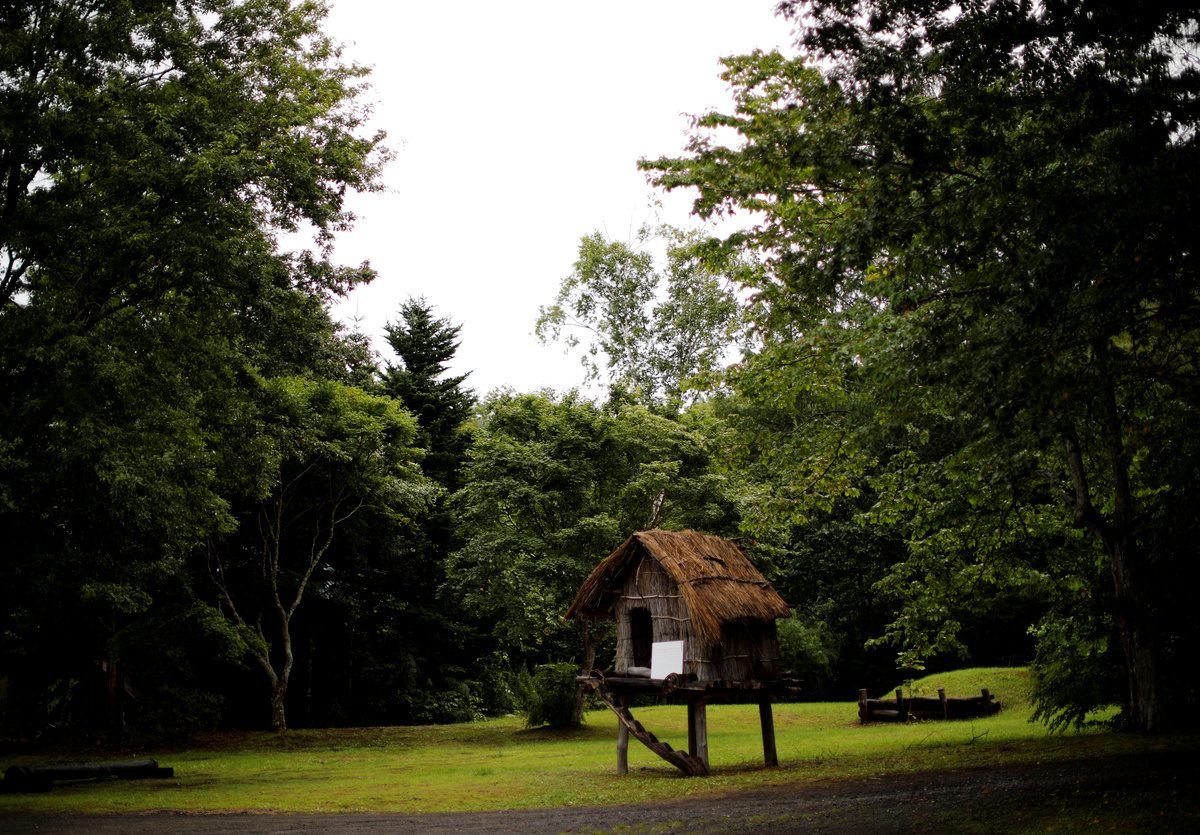
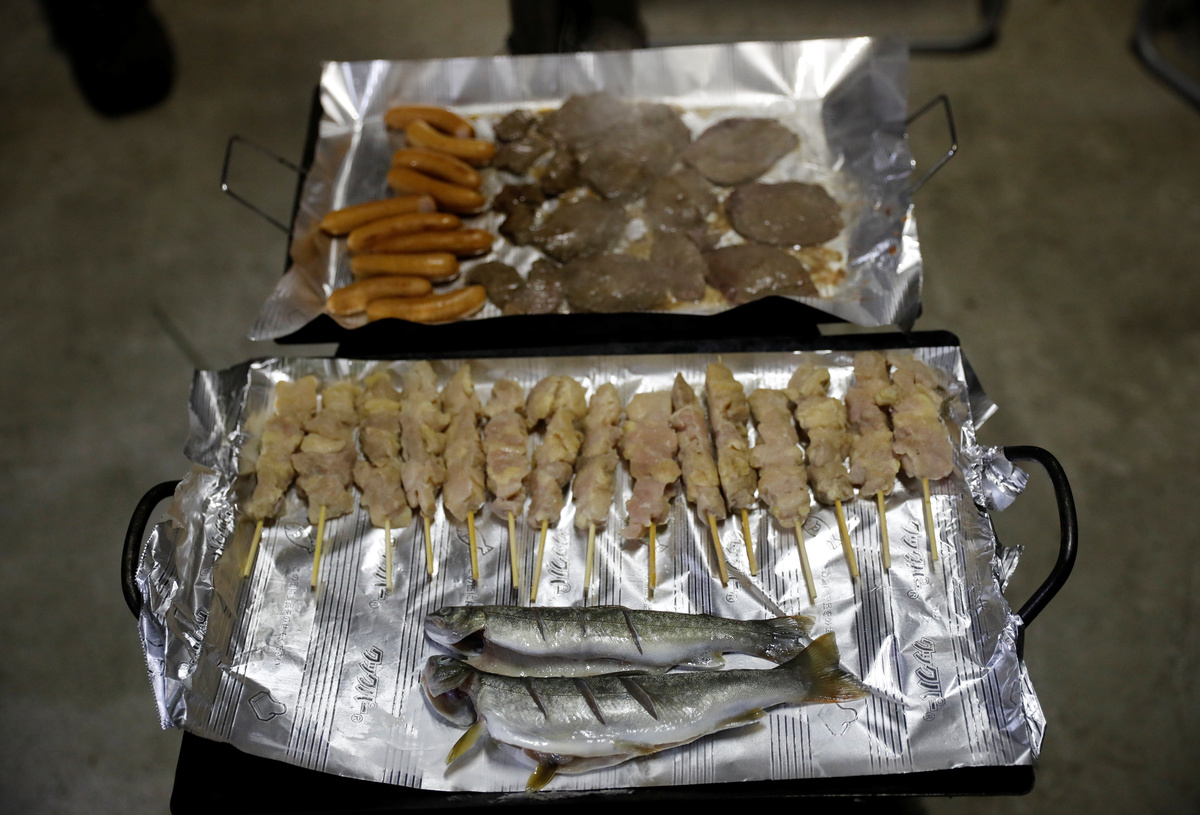
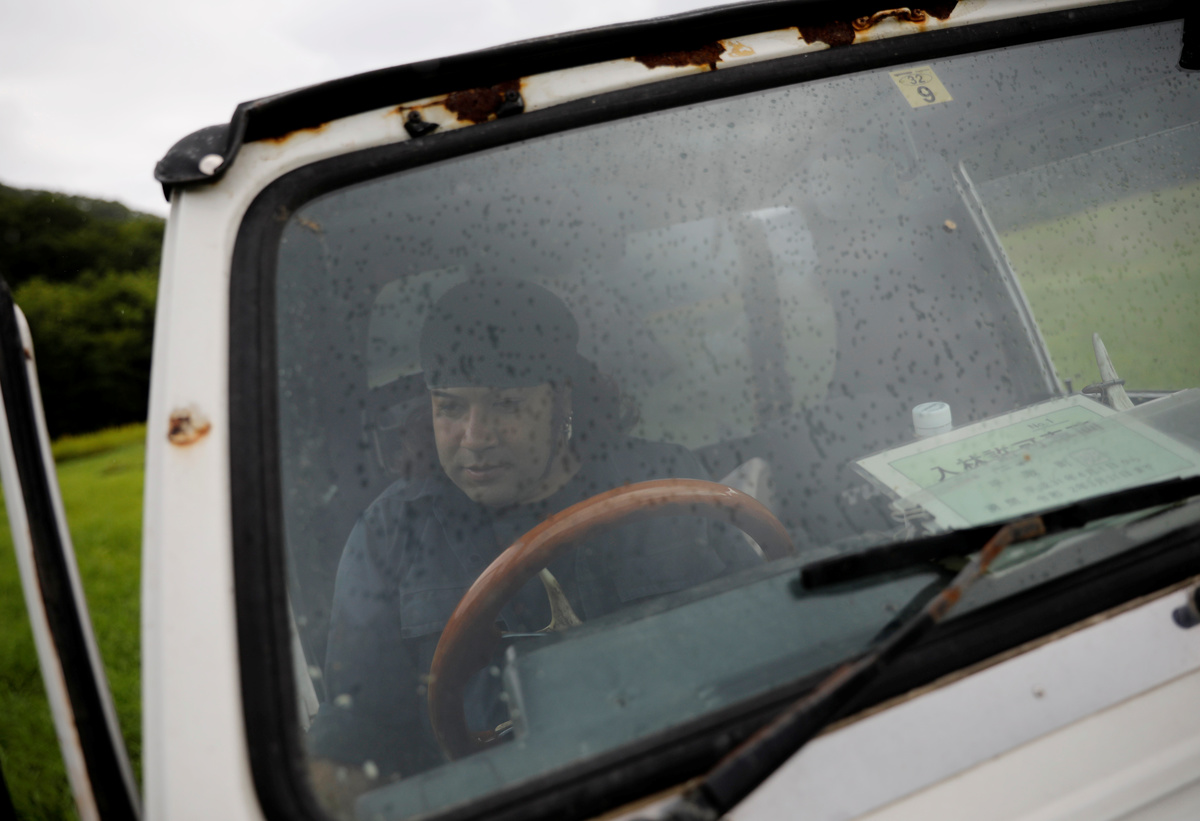
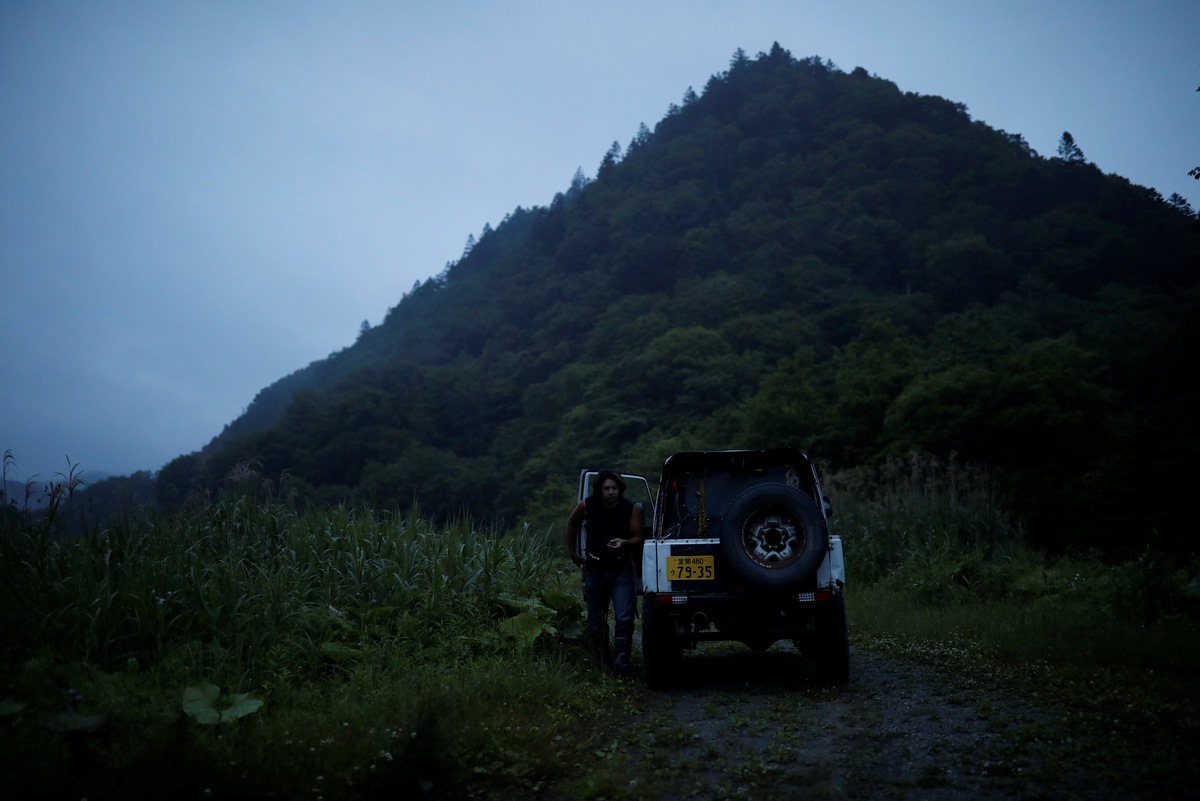
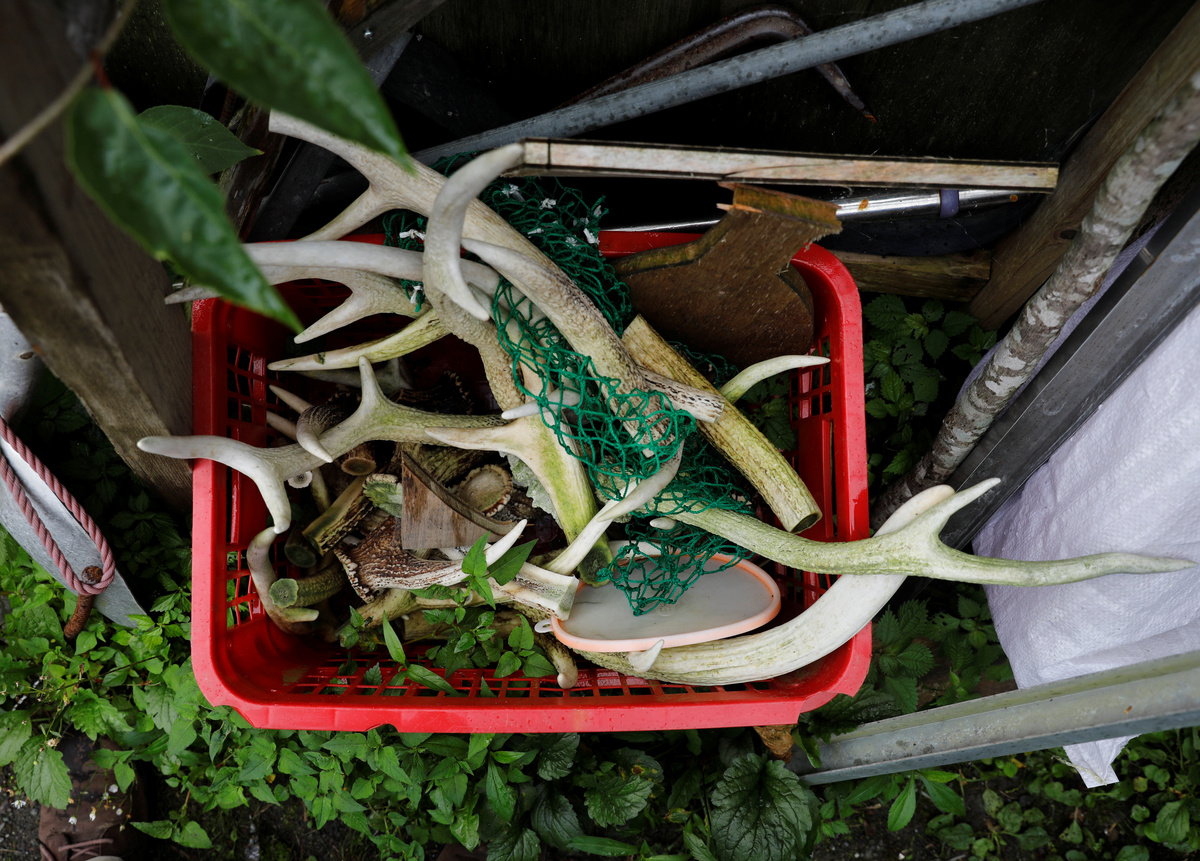
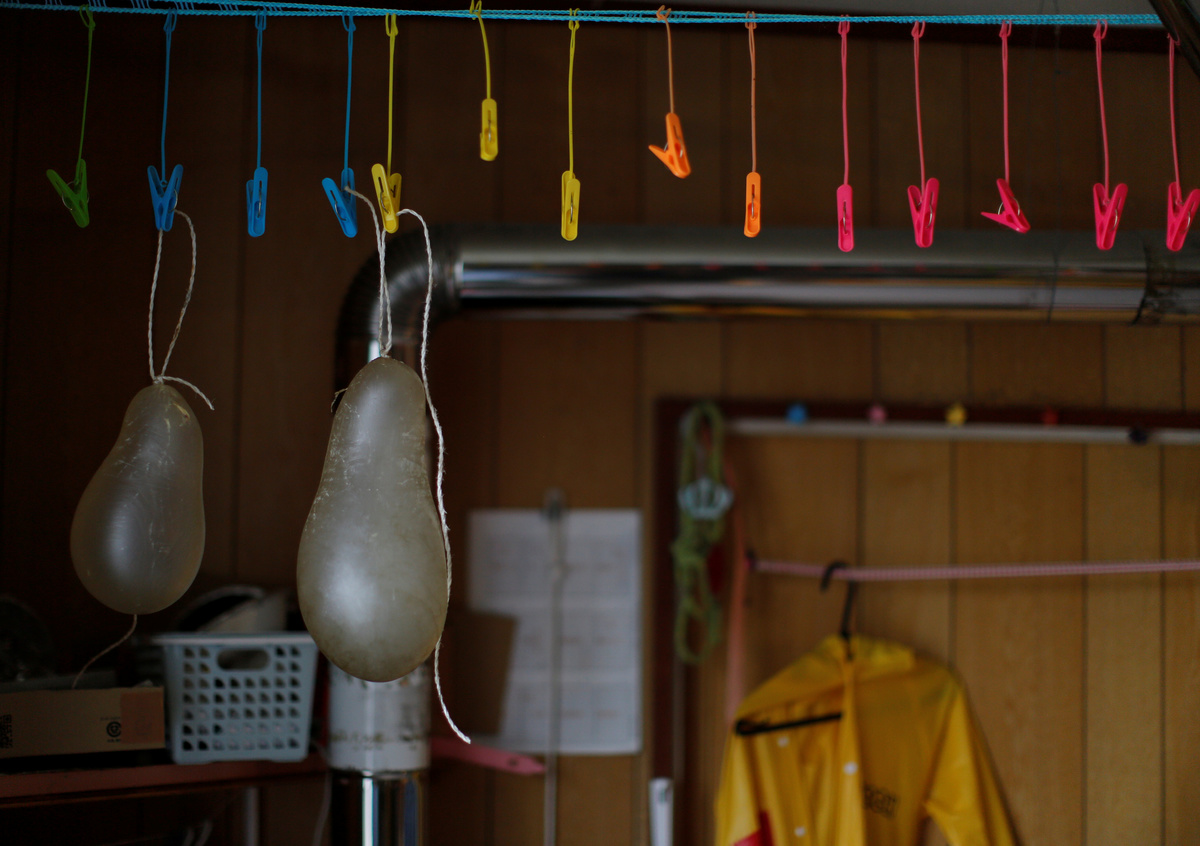
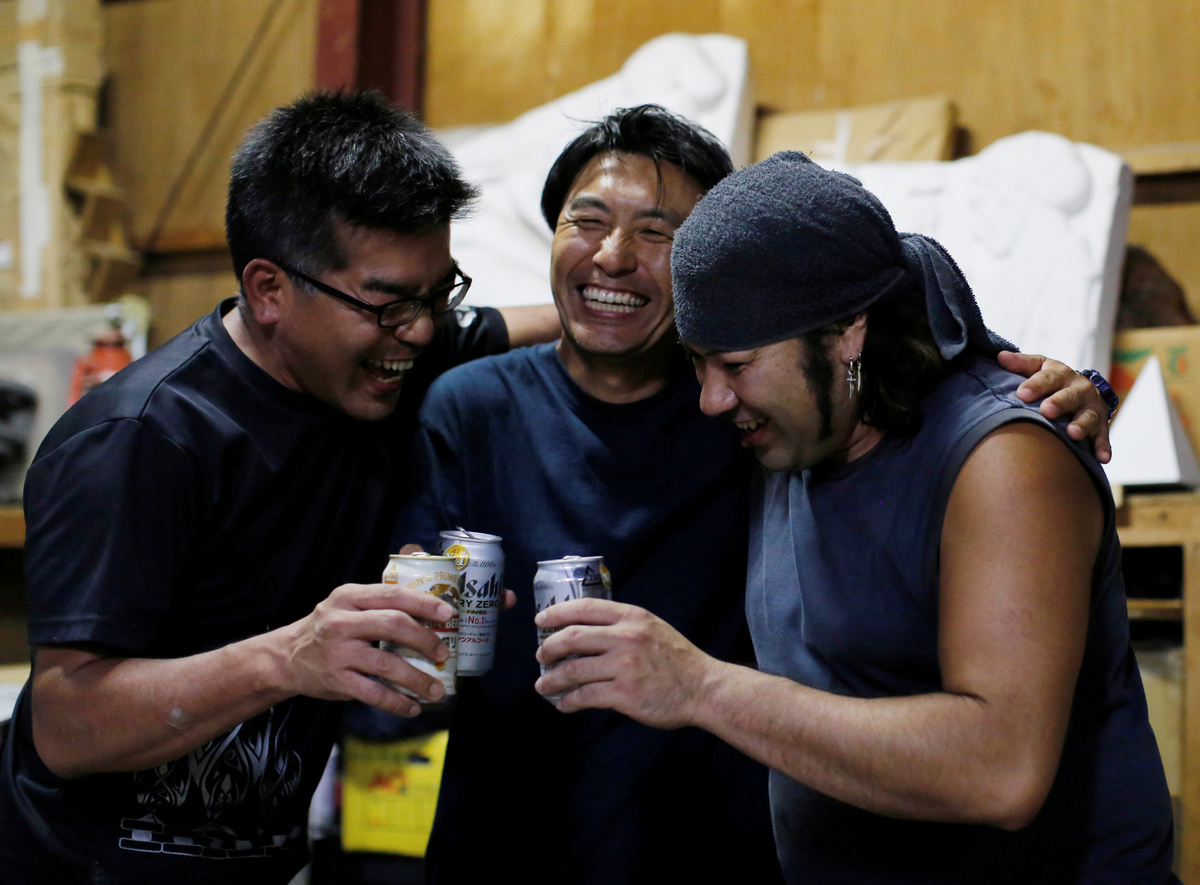
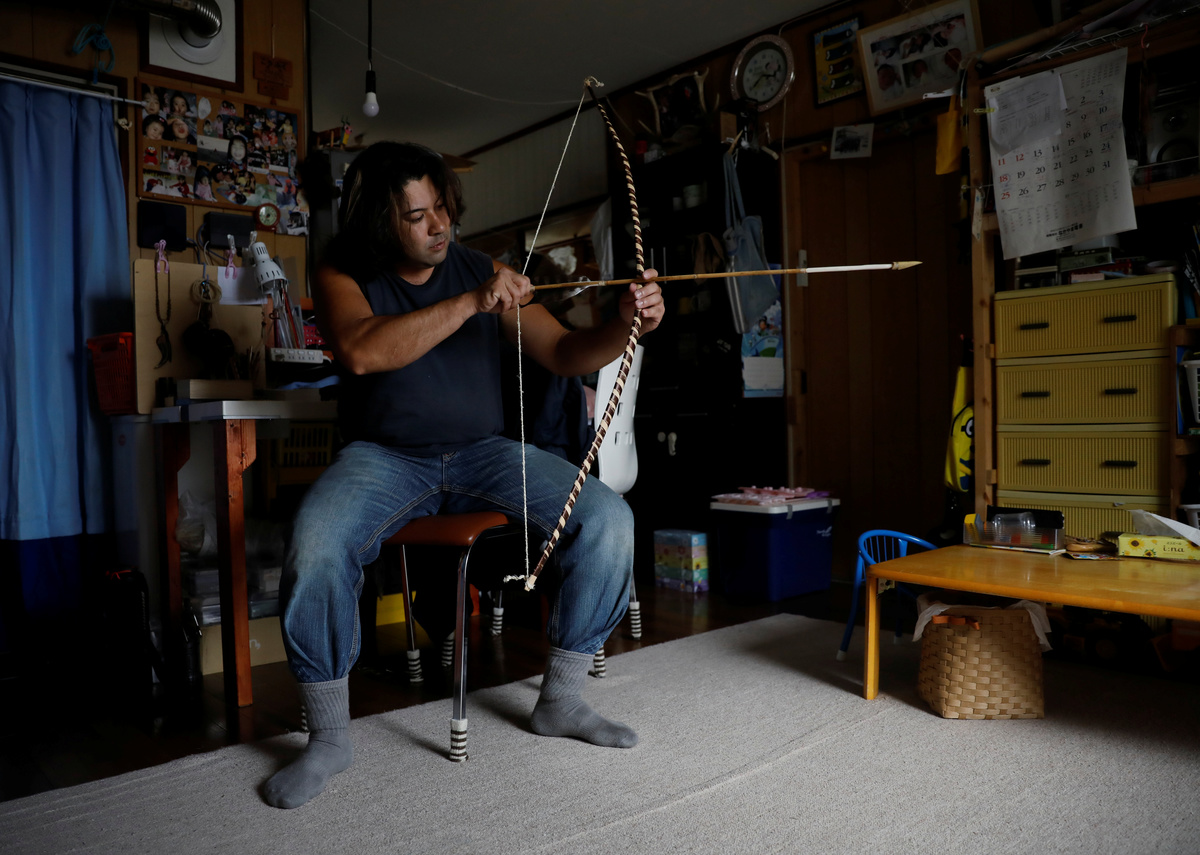
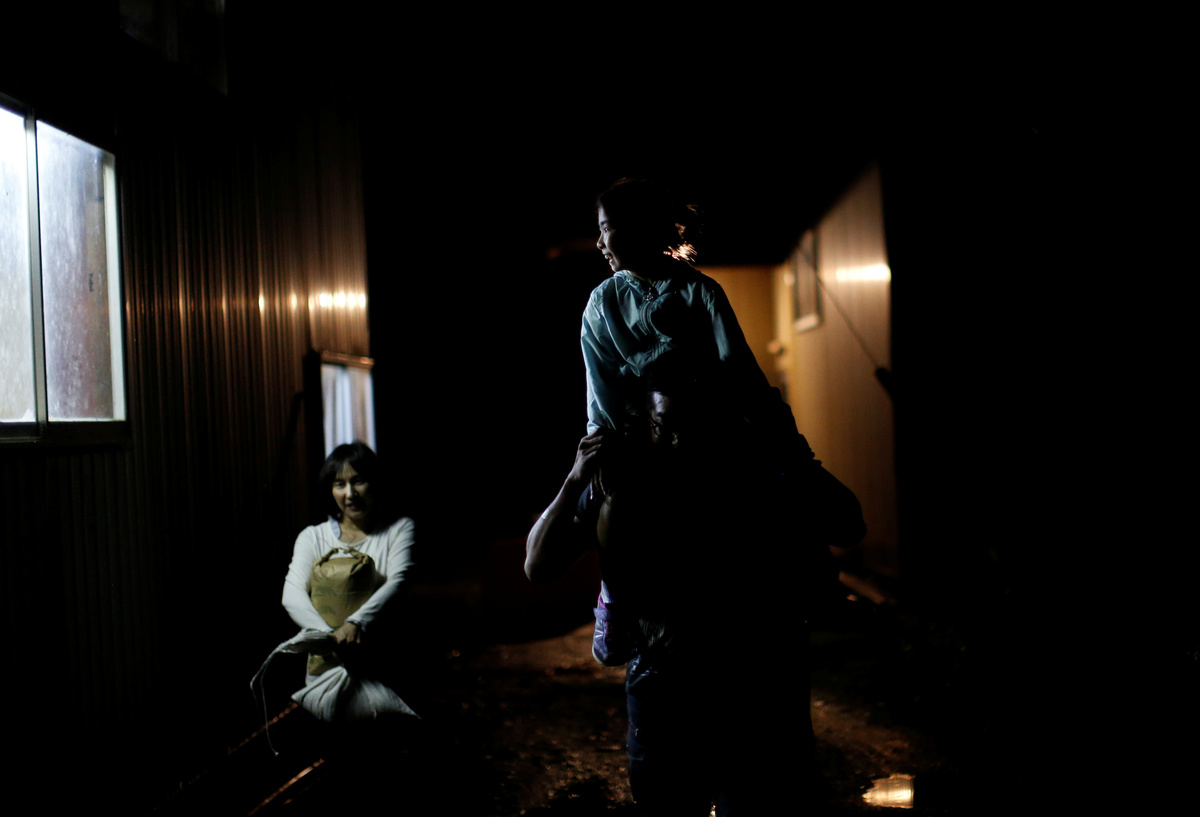
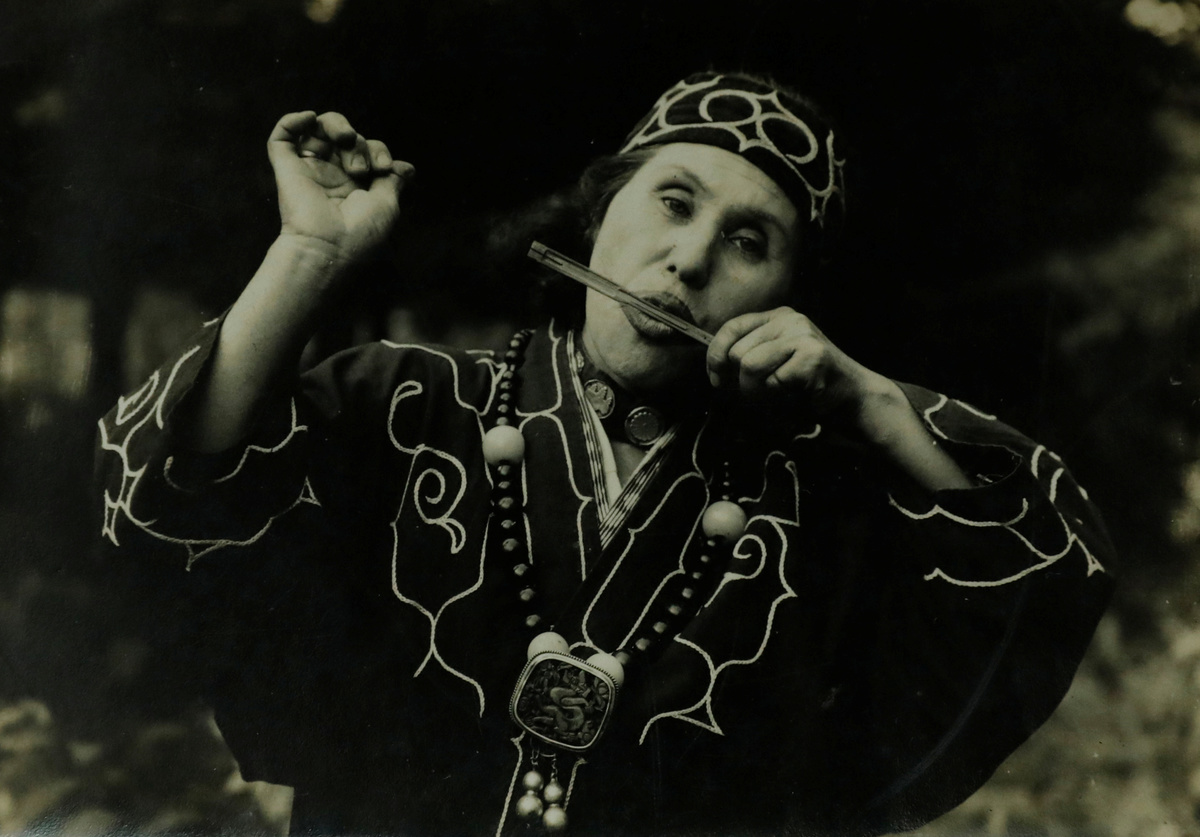
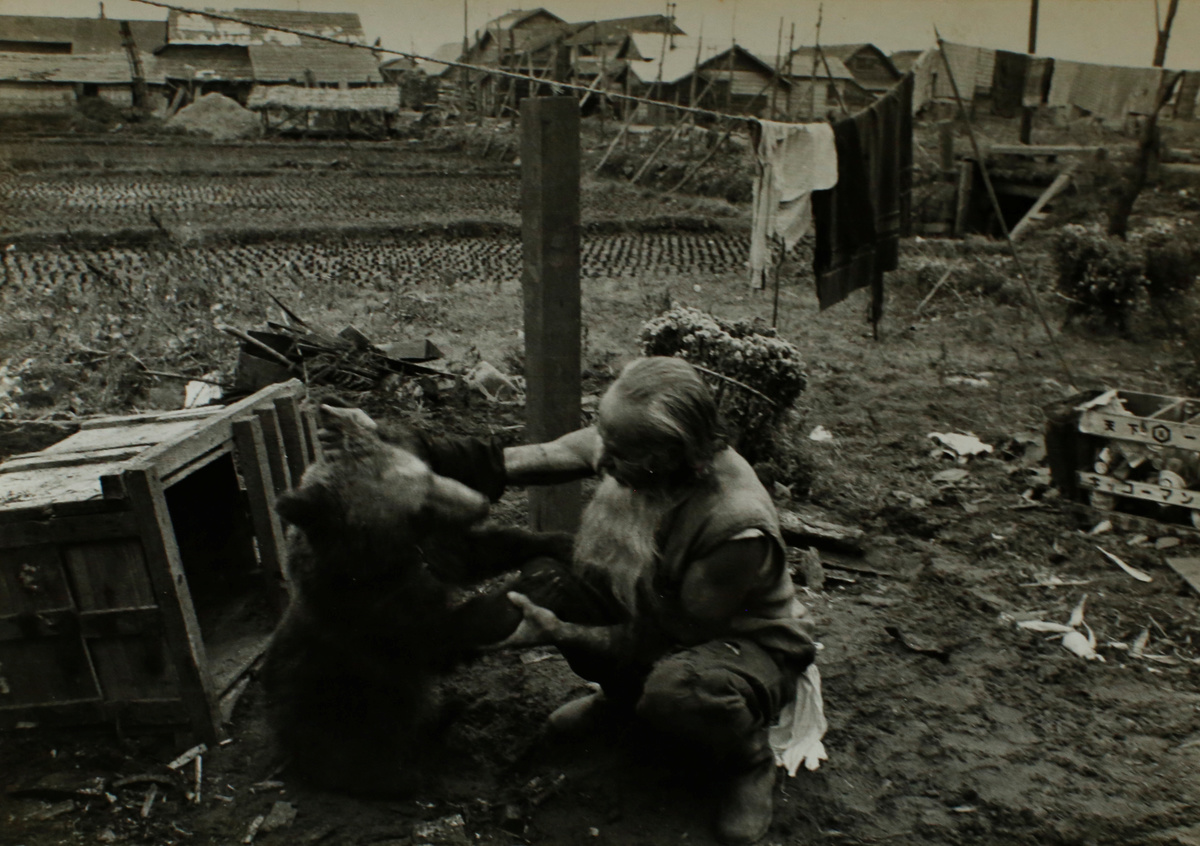
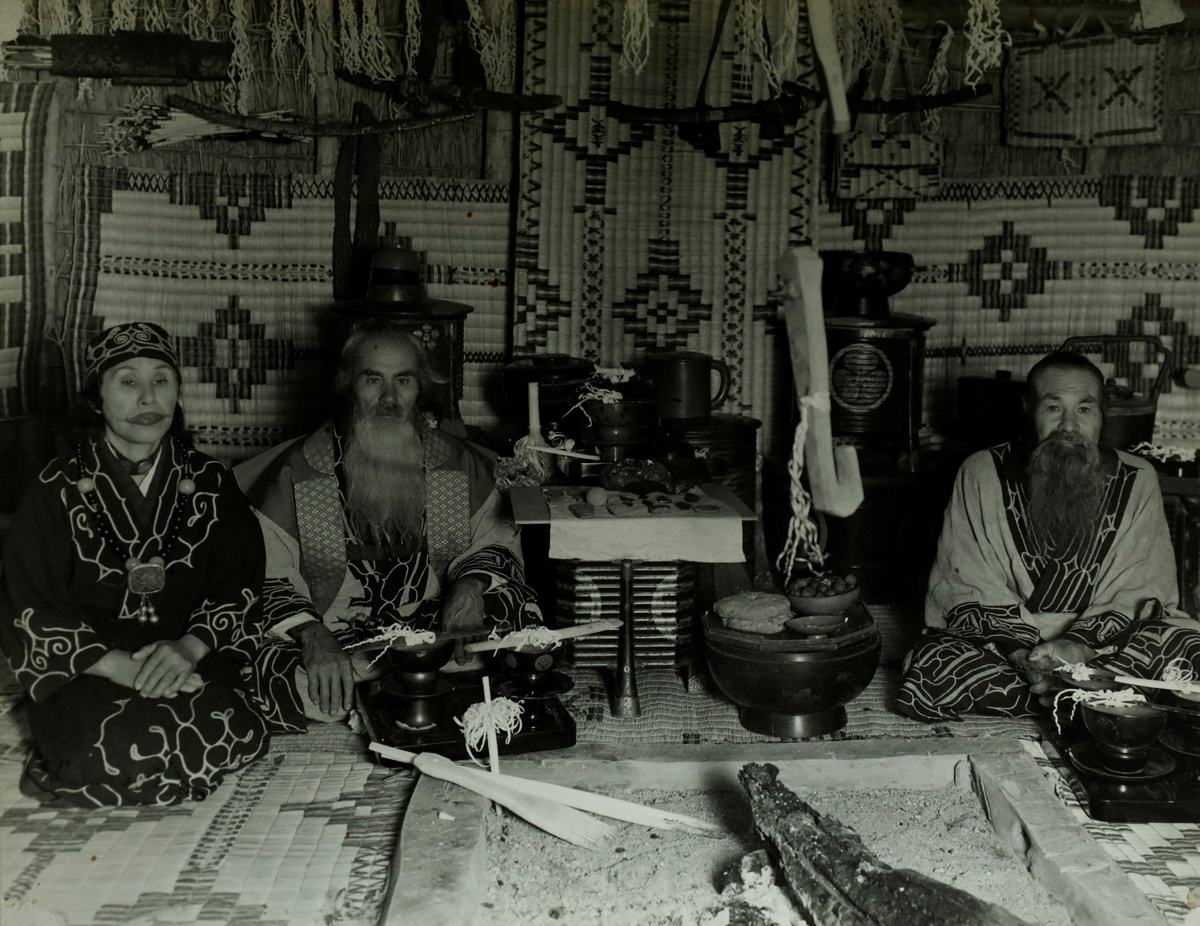
A stuffed deer and carved Ainu wooden handicrafts are stored at a former elementary school where curators are preparing exhibits for a national Ainu museum slated to open in April in Shiraoi, Hokkaido Prefecture, Japan, July 5, 2019. REUTERS/Kim Kyung-Hoon Ainu wooden kayaks are stored outside of Nibutani Ainu Museum in Biratori, Hokkaido Prefecture, Japan, August 23, 2019. REUTERS/Kim Kyung-Hoon Lights glow in Nibutani district of Biratori where several Ainu craft shops and a museum are located in Biratori, Hokkaido Prefecture, Japan, August 23, 2019. REUTERS/Kim Kyung-Hoon A hotel stands in the Nibutani district where several Ainu craft shops and a museum are located, in Biratori, Hokkaido Prefecture, Japan, August 23, 2019. REUTERS/Kim Kyung-Hoon A traditional Ainu hut stands in the grounds of Nibutani Ainu Museum in Biratori, Hokkaido Prefecture, Japan, August 23, 2019. REUTERS/Kim Kyung-HoonTraditional Ainu reed mats hang at a former elementary school where curators are preparing exhibits for a national Ainu museum slated to open in April in Shiraoi, Hokkaido Prefecture, Japan, July 5, 2019. REUTERS/Kim Kyung-Hoon Ainu tattooist Mai Hachiya cuts her thumb with a razor blade to create a tattoo at her apartment in Sapporo, Hokkaido Prefecture, northern Japan, July 3, 2019. Some Ainu worry the new museum complex is mostly meant to burnish Japan's international standing ahead of the Olympics. "I think it's possible it could end up becoming a theme park," said Hachiya. "People would come to see the dancing and other performances. It would be like a zoo." REUTERS/Kim Kyung-Hoon Ainu Araki Motoyato wears a traditional costume as he attends a memorial service for Ainu tribesmen defeated by a Japanese army in a fifteenth century battle in Kaminokuni, Hokkaido Prefecture, northern Japan, July 6, 2019. REUTERS/Kim Kyung-Hoon Ainu tattooist Mai Hachiya makes soot with burning bark as she prepares to draw an Ainu tattoo on her hand at her apartment in Sapporo, Hokkaido Prefecture, northern Japan, July 3, 2019. Some Ainu worry the new museum complex is mostly meant to burnish Japan's international standing ahead of the Olympics. "I think it's possible it could end up becoming a theme park," said Hachiya. "People would come to see the dancing and other performances. It would be like a zoo." REUTERS/Kim Kyung-HoonAinu hunter Atsushi Monbetsu, 36, visits a coffee shop and chats with the owner in Biratori, Hokkaido Prefecture, northern Japan, August 23, 2019. Monbetsu sees Tokyo's actions, including the ethnic-harmony park, as "useless." Discrimination as a child made him decide to embrace his heritage and live as a hunter, he said. "It would have been nice if the government had given us a place where we could carry out our traditional rites,". REUTERS/Kim Kyung-Hoon Deer meat (top) and other food is grilled during a barbecue with Ainu hunter Atsushi Monbetsu and his family and friends in Biratori, Hokkaido Prefecture, northern Japan, August 22, 2019. Monbetsu sees Tokyo's actions, including the ethnic-harmony park, as "useless." Discrimination as a child made him decide to embrace his heritage and live as a hunter, he said. "It would have been nice if the government had given us a place where we could carry out our traditional rites." REUTERS/Kim Kyung-HoonA memorial site, holding the remains of Ainu people, stands at the Symbolic Space for Ethnic Harmony in Shiraoi, Hokkaido Prefecture, Japan, July 5, 2019. At a cost so far of $220 million, Japan's "Symbolic Space for Ethnic Harmony" is on track to open in time for the 2020 Olympics, part of a drive by Prime Minister Shinzo Abe to draw millions of foreign visitors to Japan. REUTERS/Kim Kyung-Hoon Ainu tattooist Mai Hachiya wears a traditional Ainu robe with lipstick drawn around her mouth to recreate traditional tattoos as she looks into a mirror at her apartment in Sapporo, Hokkaido Prefecture, northern Japan, July 2, 2019. Some Ainu worry the new museum complex is mostly meant to burnish Japan's international standing ahead of the Olympics. "I think it's possible it could end up becoming a theme park," said Hachiya. "People would come to see the dancing and other performances. It would be like a zoo." REUTERS/Kim Kyung-Hoon A hill stands where Japanese forces are believed to have gathered during a fifteenth century battle with indigenous Ainu tribesmen in Kaminokuni, Hokkaido Prefecture, northern Japan, July 6, 2019. REUTERS/Kim Kyung-Hoon Ainu hunter Atsushi Monbetsu, 36, gets into his car after hunting a deer in a forest in Biratori, Hokkaido Prefecture, northern Japan, August 22, 2019. Monbetsu sees Tokyo's actions, including the ethnic-harmony park, as "useless." Discrimination as a child made him decide to embrace his heritage and live as a hunter, he said. "It would have been nice if the government had given us a place where we could carry out our traditional rites." REUTERS/Kim Kyung-Hoon Ainu hunter Atsushi Monbetsu ties a rope around a deer's neck after hunting it with a rifle in a forest in Biratori, Hokkaido Prefecture, northern Japan, August 22, 2019. Scholars say the Ainu settled in Japan's northernmost island and across Sakhalin, Russia, by the 1300s. They hunted, fished, practiced an animist religion and spoke a language unrelated to any other. REUTERS/Kim Kyung-Hoon Ainu hunter Atsushi Monbetsu, 36, gets out of his car to pray to the Ainu gods before hunting a deer in a forest in Biratori, Hokkaido Prefecture, northern Japan, July 4, 2019. Monbetsu sees Tokyo's actions, including the ethnic-harmony park, as "useless." Discrimination as a child made him decide to embrace his heritage and live as a hunter, he said. "It would have been nice if the government had given us a place where we could carry out our traditional rites." REUTERS/Kim Kyung-Hoon Ainu hunter Atsushi Monbetsu, 36, prays to the Ainu gods after hunting a deer in a forest in Biratori, Hokkaido Prefecture, northern Japan, August 22, 2019. Monbetsu sees Tokyo's actions, including the ethnic-harmony park, as "useless." Discrimination as a child made him decide to embrace his heritage and live as a hunter, he said. "It would have been nice if the government had given us a place where we could carry out our traditional rites." REUTERS/Kim Kyung-Hoon Deer horns are kept in a basket in the garden of Ainu hunter Atsushi Monbetsu's house in Biratori, Hokkaido Prefecture, northern Japan, August 22, 2019. Scholars say the Ainu settled in Japan's northernmost island and across Sakhalin, Russia, by the 1300s. They hunted, fished, practiced an animist religion and spoke a language unrelated to any other. REUTERS/Kim Kyung-Hoon Deer bladders are hung up to dry at Ainu hunter Atsushi Monbetsu's house in Biratori, Hokkaido Prefecture, northern Japan, August 22, 2019. Scholars say the Ainu settled in Japan's northernmost island and across Sakhalin, Russia, by the 1300s. They hunted, fished, practiced an animist religion and spoke a language unrelated to any other. REUTERS/Kim Kyung-Hoon Ainu hunter Atsushi Monbetsu (R), 36, drinks beer with his Ainu friend Taichi Kaizawa (L) and ethnic Japanese friend Jun Honda at a barbecue at Kaizawa's house in Biratori, Hokkaido Prefecture, northern Japan, August 22, 2019. Monbetsu sees Tokyo's actions, including the ethnic-harmony park, as "useless." Discrimination as a child made him decide to embrace his heritage and live as a hunter, he said. "It would have been nice if the government had given us a place where we could carry out our traditional rites." REUTERS/Kim Kyung-Hoon Ainu hunter Atsushi Monbetsu, 36, makes a traditional bow and arrow at his house in Biratori, Hokkaido Prefecture, northern Japan, August 22, 2019. Monbetsu sees Tokyo's actions, including the ethnic-harmony park, as "useless." Discrimination as a child made him decide to embrace his heritage and live as a hunter, he said. "It would have been nice if the government had given us a place where we could carry out our traditional rites." REUTERS/Kim Kyung-HoonAyuka, a daughter of Ainu hunter Atsushi Monbetsu rides on the shoulders of his father's Ainu friend Taichi Kaizawa while they have a barbecue at Kaizawa's house in Biratori, Hokkaido Prefecture, northern Japan, August 22, 2019. Scholars say the Ainu settled in Japan's northernmost island and across Sakhalin, Russia, by the 1300s. They hunted, fished, practiced an animist religion and spoke a language unrelated to any other. REUTERS/Kim Kyung-Hoon Tosa Monna, grandmother of Ainu tattooist Mai Hachiya, performs a traditional musical instrumental Mukkur in Asahikawa, Hokkaido Prefecture, northern Japan, in this handout photo provided by Mai Hachiya and taken between 1945-1950. Mai Hachiya/Handout via REUTERS Grandfather of Ainu tattooist Mai Hachiya, is pictured with a bear he kept as a pet at his house in Asahikawa, Hokkaido Prefecture, northern Japan, in this handout photo provided by Mai Hachiya and taken between 1945-1950. Mai Hachiya/Handout via REUTERSTosa Monna, grandmother of indigenous Ainu tattooist Mai Hachiya, her husband and her husband's brother (L-R) attend a traditional ceremony in Asahikawa, Hokkaido Prefecture, northern Japan, in this handout photo provided by Mai Hachiya and taken between 1945-1950. Mai Hachiya/Handout via REUTERS
Sign up to read this article
Read news from 100’s of titles, curated specifically for you.