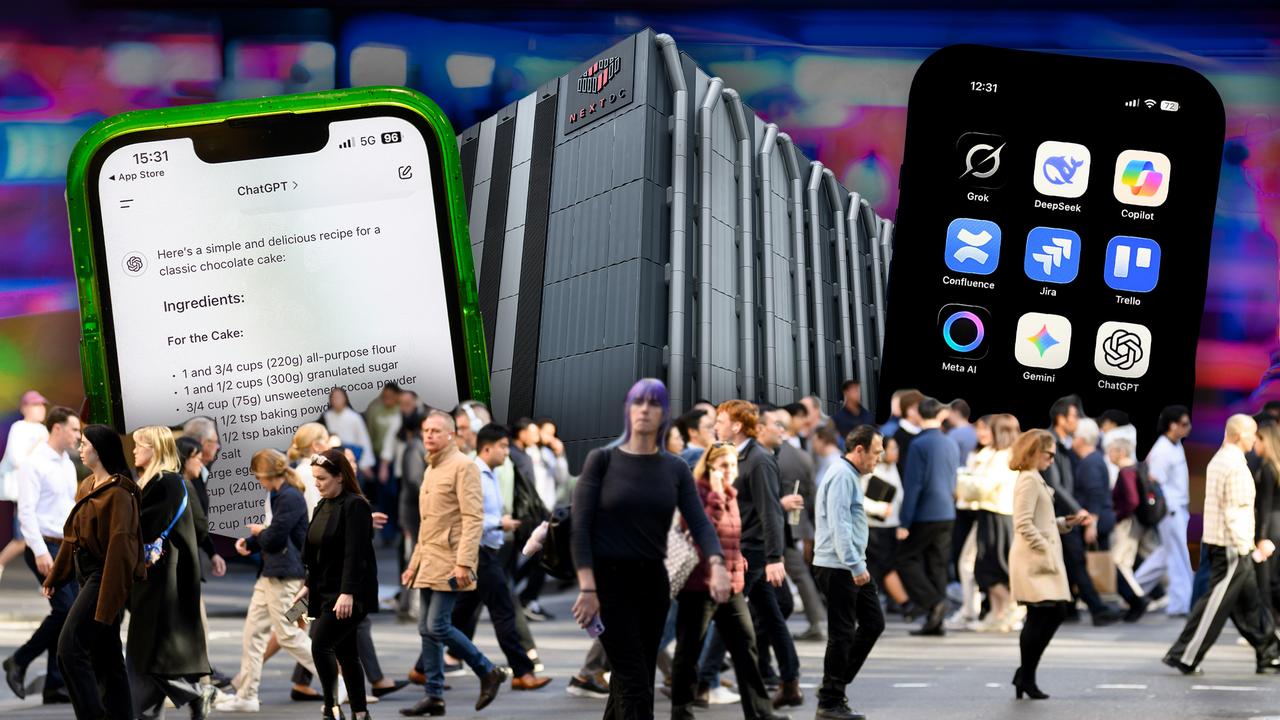
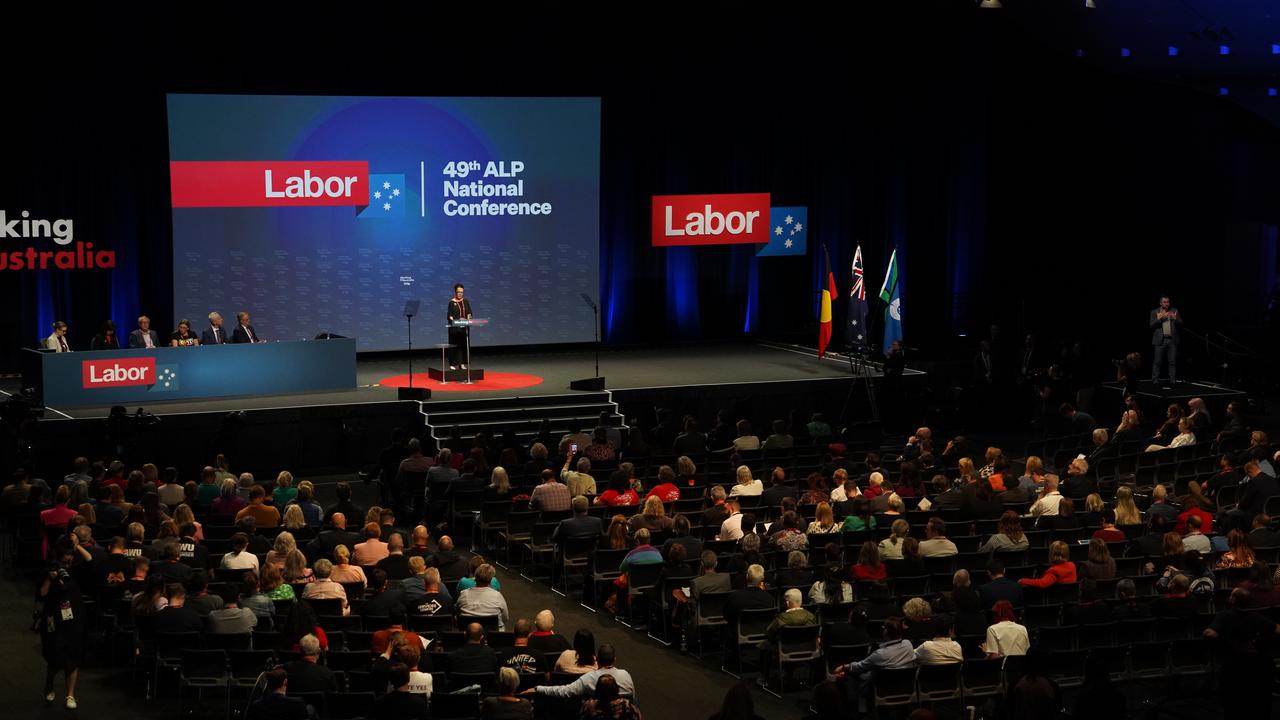
In a few days' time, the Labor party will hold its first national conference of the AI era.
When thousands of attendees converge on the Adelaide convention centre for the three-day event, discussions are expected to be dominated by the sprawling ramifications of the new technology across countless industries.
From office blocks and newsrooms to the roads and wharves, unions want assurances about AI's impacts on jobs and the broader economy to be written into the Labor party's chief policy document.
While government sources hope the prime minister's personal intervention in the AI debate on Wednesday will mollify some concerns at the gathering of the Labor faithful - traditionally known as True Believers - the issue is still far from settled.
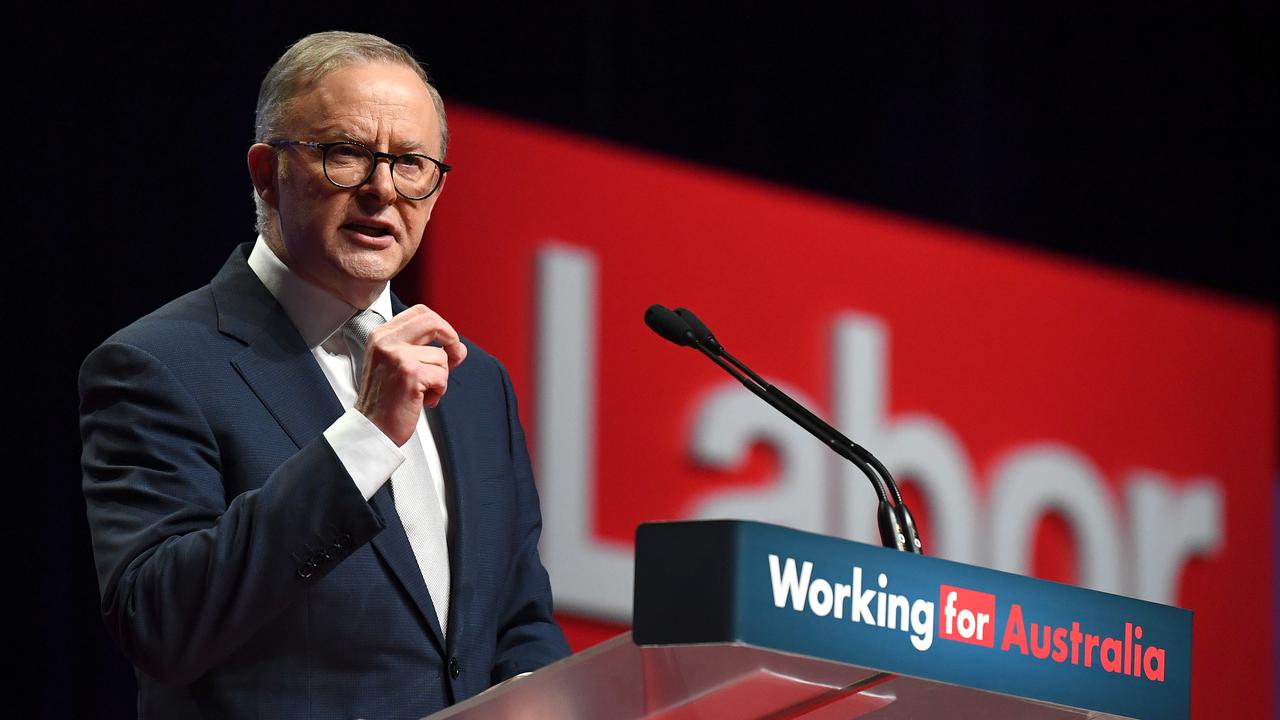
The conference - held once every parliamentary term - is usually highly stage-managed, with one Labor MP lamenting to AAP this one is likely to be "pretty sedate" as the party appears secure in power during its second term.
But some room is usually allowed for dissent on key issues: a bone thrown to the party's broader membership base which is generally more progressive than the parliamentary caucus.
Although unions are still finalising their motions, to be lodged by midday the day before they're scheduled for debate, some rank-and-file members are also agitating for movement on gambling reform, housing, Palestine and AI.
A furious debate over AUKUS - like in 2023 when the party's commitment to the nuclear submarine deal was put to the conference floor - is unlikely to be repeated.
At the time, Defence Minister Richard Marles was heckled from the conference floor, his colleague Pat Conroy angrily suggested opponents of the pact were ''appeasers'', Labor backbencher Josh Wilson broke with the party line to argue against AUKUS, and Prime Minister Anthony Albanese mounted a personal defence of the pact.
This time around, unions are more focused on the jobs the military agreement will create, multiple sources involved in the conference have confirmed.
The debate over the Middle East is also likely to remain relatively subdued, one senior union source tells AAP.
''There's an emerging sense or atmosphere around the conference that says, let's focus on those things that we can really make a difference on here in Australia,'' says the source, speaking on condition of anonymity to discuss sensitive party matters.
But with AI-driven job cuts already ripping through parts of Australia's economy, the technology's impact on workers could see unions pushing motions to protect their patch.
White-collar unions representing the public service and finance sectors will focus on the impacts of generative AI on office jobs, while blue-collar unions are deeply worried about roles being automated over coming years.
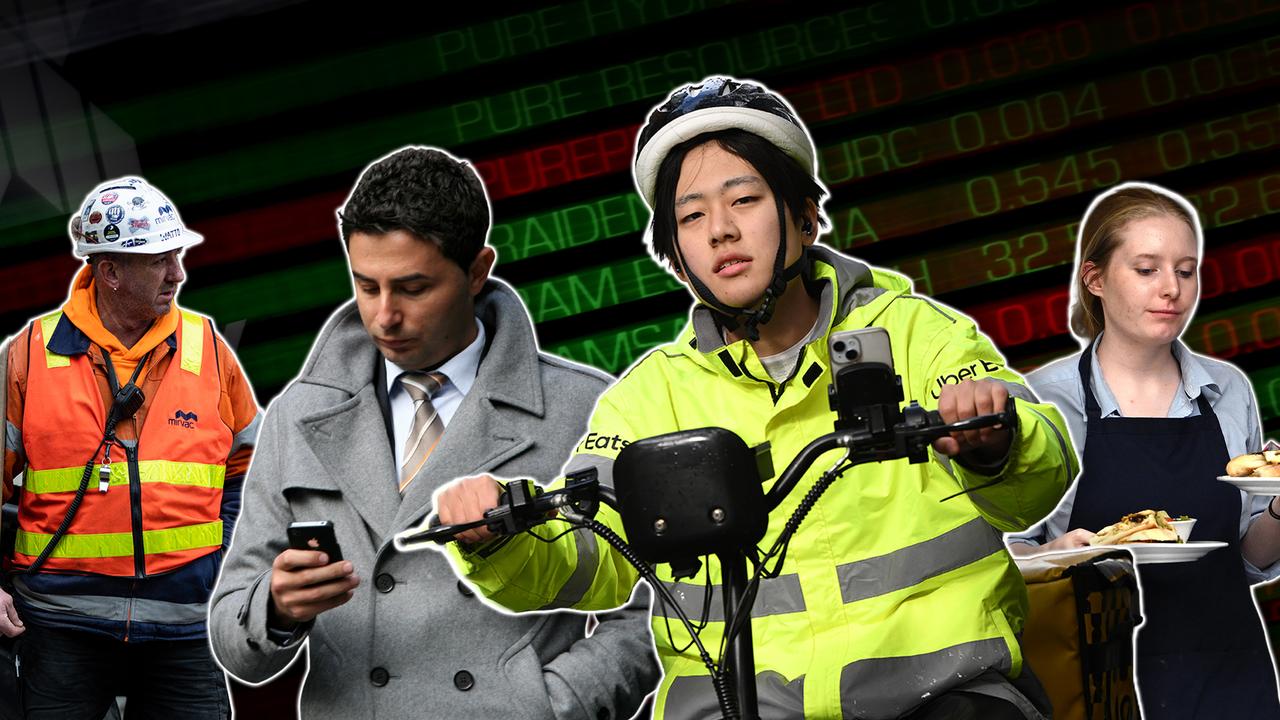
The Finance Sector Union, Maritime Union of Australia and Community and Public Service Union are among those pushing for greater protections.
The Transport Workers Union also wants stronger regulations around robo-taxis - which have been rolled out overseas but are yet to come to Australia.
In the US, Google sister company Waymo operates almost 4000 robo-taxis, with plans to expand to Japan, London and one day, potentially Australia.
''We're going to be really insistent about this. We're not burying our heads in the sand - we know this technology is here, but we want to be in control," TWU secretary Michael Kaine tells AAP.
The TWU's motion calls for human oversight in ''safety-critical'' functions and help - including retraining and income protection - for drivers who lose their jobs.
Workers should share in the benefits of innovation rather than bearing its costs, the union argues.
Mr Kaine paints the conference as a coming together of Labor's political and industrial wings to shape the party's policy direction over the coming years.
''We want sustainable industries, sustainable businesses that support sustainable and safe jobs, and that's what we're pursuing right across our agenda in conference,'' he says.
''What we expect to happen is that when words exist in the policy platform of the Australian Labor Party, those words and policy are taken very seriously, and they're acted upon by government before too long.''
While the Labor party platform as voted on at conference is binding, the parliamentary party decides when it acts on any new policies.
The media union, meantime, will push for an amendment to guarantee creatives a share of revenue if their work is used by third parties like AI companies.
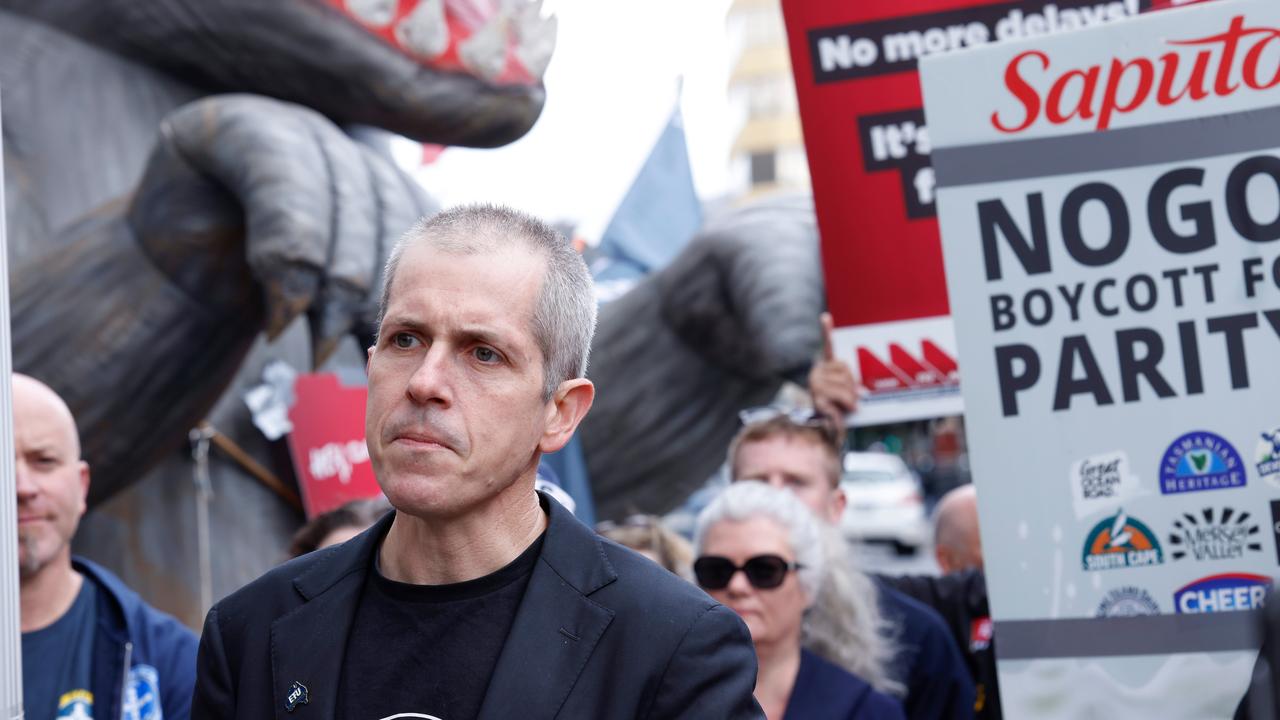
If supported, the "equitable remuneration" provision would apply when AI companies strike deals with record labels, publishers and other media companies.
But the debate over AI extends far beyond jobs and wages: the Electrical Trades Union - a key player in the previous debate over AUKUS - is pushing for a commitment for to build sovereign energy to power data centres, AI and heavy industry.
''We are at an inflection point. Electricity is no longer a substitutable vertical; it is a foundational economic input, as central to the economy as currency itself,'' ETU secretary Michael Wright says.
As it stands, Labor's draft platform commits the party to building ''sovereign AI and quantum computing capability'' and using government procurement to support Australian AI.
It also includes a promise to consider whether the Fair Work Commission - Australia's workplace watchdog - is set up appropriately to address AI issues and to look at setting up an expert panel to guide the agency's decision making.
"Labor believes that employers should take steps to ensure that the adoption of AI does not deepen existing inequalities or leave any worker behind," the draft platform says.
"Should AI adoption lead to the displacement of jobs at a significant scale, Labor will play an active role in an economy-wide transition."
Unions are expected to sharpen their demands over the final days before the conference, working the numbers to decide which motions will succeed and which will be left on the cutting-room floor.