AI healthcare deals are roaring.
Digital health startups raised $14.2 billion in 2025, up 35% from 2024, with AI‑enabled companies capturing 54% of that capital and enjoying roughly a 19% premium on average deal size versus non‑AI peers, research from Rock Health details. Investors have rushed into ambient scribes, agentic triage tools, and “doctor‑copilot” platforms—including Abridge (an AI-powered clinical scribe) which raised about $550 million across two mega‑rounds in 2025.
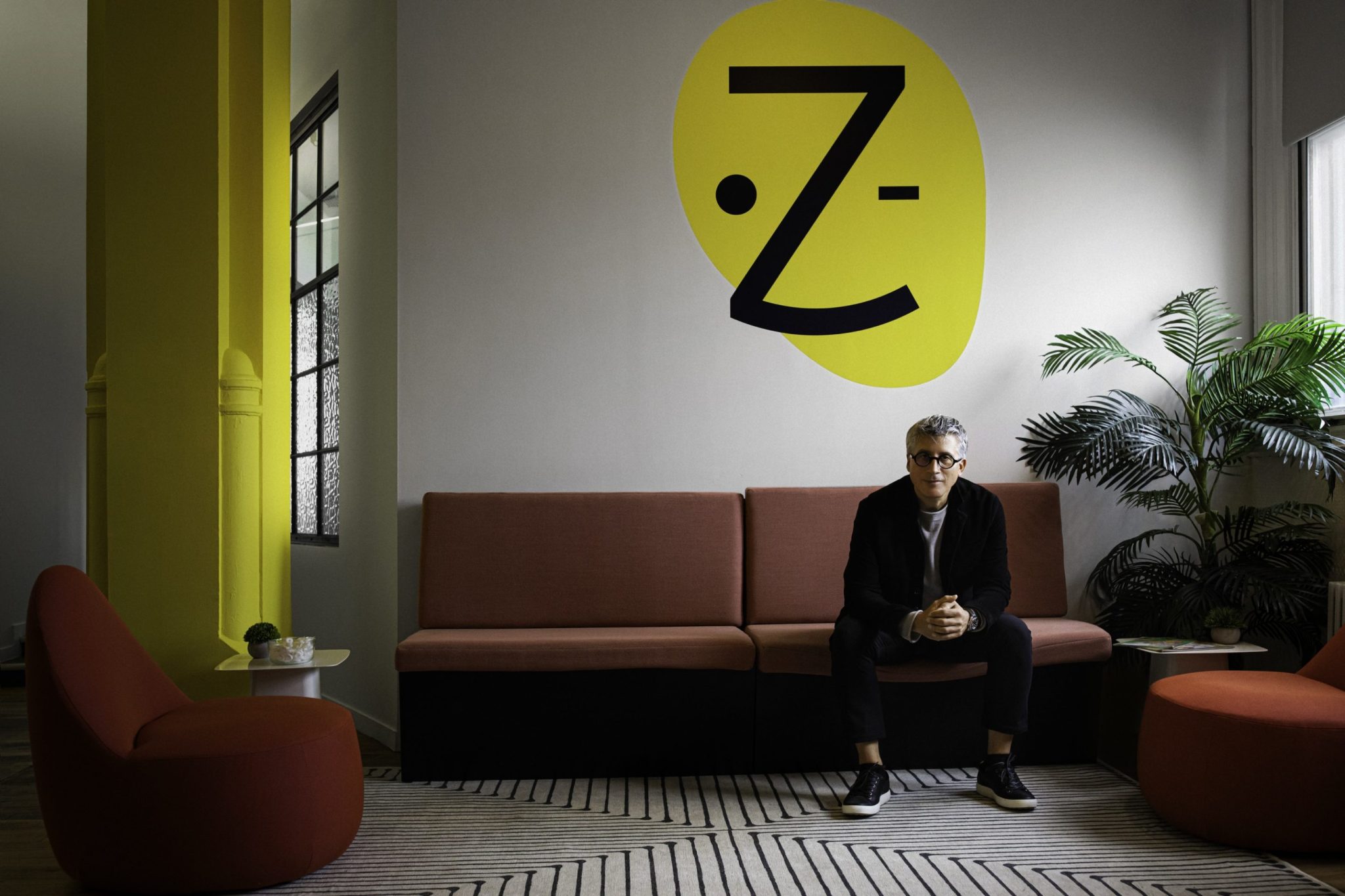
But Zocdoc CEO Oliver Kharraz is spending his time asking a less glamorous question: What actually happens when patients show up in the exam room armed with AI answers?
Zocdoc—backed by Francisco Partners, Atomico, Baillie Gifford, DST Global, and Goldman Sachs—was valued at roughly $1.8 billion in 2015 after a $130 million round led by Baillie Gifford and Atomico, making it one of New York’s highest‑valued private tech companies at the time. In 2021, Zocdoc raised $150 million in growth financing from Francisco Partners after growing revenue more than 35% year over year pre‑pandemic.
Now pitching itself as “healthcare access infrastructure,” Zocdoc says millions of patients each month use its marketplace to find in‑network doctors.
The company’s latest survey of 1,186 U.S. adults and 1,000 providers focuses on the interaction between AI and patient care. Zocdoc found that 26% of patients have already asked an AI a health-related question, and 85% of providers say they’re seeing more AI‑informed patients. Yet more than 1 in 5 patients admit they’ve hidden their AI use from their doctor—often out of fear of being judged. 77% of providers say they feel positively about patients using AI and 60% would rather they use AI than Google.
That disconnect is creating friction. Patients come in “anchored” to an AI-generated answer but won’t admit it, Kharraz told Fortune, forcing physicians to “shadow box with an unnamed partner” as they unwind advice that “might not apply to a patient’s specific case.” Zocdoc’s data backs him up: 83% of providers say they have to correct AI information. The most consequential finding: nobody actually wants a robot doctor. Seventy percent of patients say they would prefer to receive medical guidance from a doctor rather than AI, and 65% would rather ask a doctor their medical questions. But AI is filling a very real access gap—65% of patients say they’ve consulted AI because it’s easier than seeing a doctor, with average wait times to see a primary care provider now topping 31 days in the U.S.
Both patients and providers converge on a narrower job description for AI. Their No. 1 use case is the same: preparing better questions for the doctor. Kharraz’s advice to patients: Don’t ask AI for a diagnosis.
“It’s not as if you can keep AI use a secret. The interesting challenge for organizations like ours is helping mediate that patient-doctor relationship,” Kharraz says.
See you tomorrow,
Lily Mae Lazarus
X: @LilyMaeLazarus
Email: lily.lazarus@fortune.com
Submit a deal for the Term Sheet newsletter here.
Joey Abrams curated the deals section of today’s newsletter. Subscribe here.