
During the 2022 mayoral race in Shreveport, Louisiana, incumbent Adrian Perkins faced a unique challenge when a rival political action committee released a satirical TV commercial using artificial intelligence to create a deepfake video. The ad depicted Perkins as a high school student reprimanded by the principal for failing to address community safety and job creation issues. Despite being labeled as a product of 'deep learning computer technology,' the ad resonated with voters and contributed to Perkins' defeat.
This incident marked one of the first instances of AI deepfake technology being used in a U.S. political campaign, highlighting the growing concern over the potential misuse of generative AI in elections. While AI offers cost-effective solutions for campaign tasks, its ability to generate misleading content poses a significant threat, especially in down-ballot races with limited resources to combat misinformation.
Regulating AI in politics has become a pressing issue, with more than a third of states passing laws to address the issue. However, comprehensive federal legislation remains elusive, leaving local campaigns vulnerable to AI-enabled attacks. The decline of local news coverage further exacerbates the challenge of distinguishing fact from fiction, making voters susceptible to fake information.
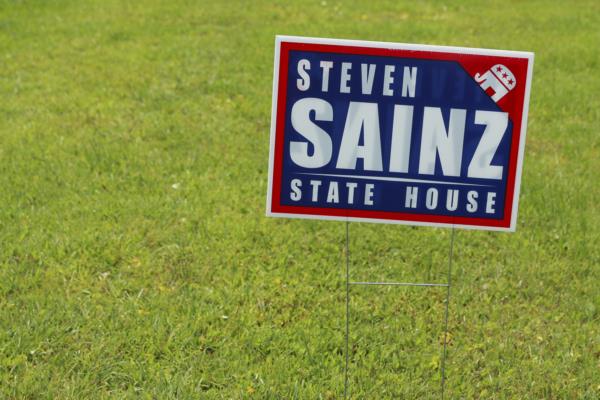















Despite the risks, some candidates have embraced AI tools to enhance their campaigns. For instance, a Republican candidate in Georgia leveraged generative AI models to create campaign content efficiently, allowing him to focus on grassroots outreach. While AI offers benefits in terms of cost and time savings, concerns remain about maintaining authenticity and transparency in political communication.
As AI continues to shape political campaigns, the need for safeguards against misinformation becomes increasingly urgent. With the disparity in resources between local and federal campaigns, down-ballot races face heightened vulnerability to AI attacks. Efforts to combat AI-generated falsehoods and regulate the integrity of political communication are crucial to preserving the democratic process.
This article is part of a series investigating the impact of artificial intelligence on the 2024 election cycle.