
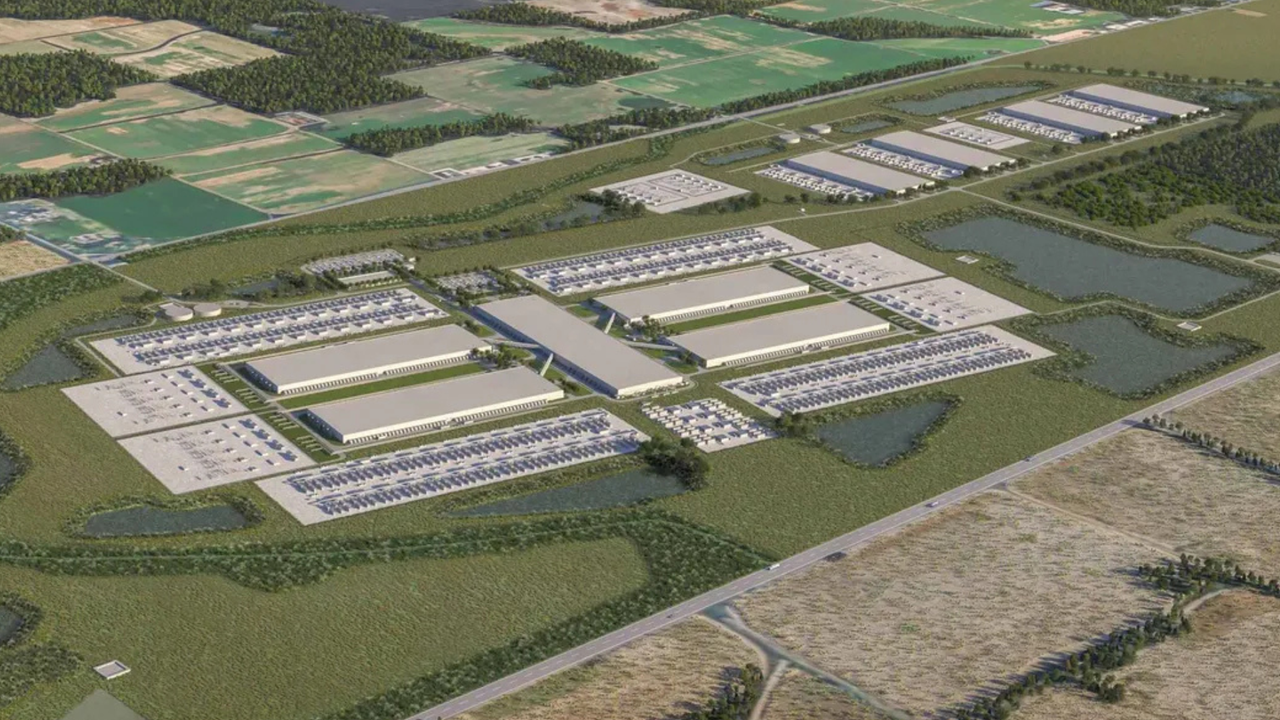
Developers are showing increased interest in unincorporated county land for putting up data centers, reducing regulatory friction, and allowing construction to proceed at a much quicker pace. According to a SemiAnalysis post on X, since these parcels of land are outside city limits, they do not have to go through city or town council approvals, rezoning votes, and land-use reviews. Many projects are experiencing delays because of pushback from the communities surrounding potential projects, with many jurisdictions approving moratoriums on data center construction, some of them permanent bans.
Datacenter developers are increasingly planning projects in unincorporated county land, and it's not an accident. Outside city limits, they can sidestep city council approvals, municipal zoning votes, and urban land-use reviews. This is redrawing the map of where large-scale AI… pic.twitter.com/BUEyhv52aVMay 8, 2026
Because of this, AI hyperscalers are looking for regions that offer speedier permit approvals, and they apparently see this in the rural areas surrounding towns and cities. Because these are administered directly by the county, developers remove one regulatory layer from the many that they must go through to put up power-hungry infrastructure. Many town and city councils have been becoming increasingly hostile towards these projects, with the community pressuring boards to disapprove applications and even replace council members who have previously said yes to projects.
Building in areas further from population centers likely means that developers will have to spend more on infrastructure to connect their projects to the power grid and water supply. But it seems they consider this a worthwhile expense if they can get their approvals at a much faster rate and get their projects online much sooner.
We’ve seen this move in some high-profile data center projects recently: Utah approved a 9GW data center in the unincorporated land in Box Elder County, while Meta is building a 7GW data center in rural Northern Louisiana with its own natural gas power plants. One Kentucky farming family even received a $26 million offer for 600 acres of their land — seven times higher than the average land value in the area — although they declined it and said that they would rather “stay and hold and feed a nation.”
Another advantage of putting these data centers in rural areas is that it will reduce their impact on the surrounding community, especially as the larger parcels of land mean that their operations will impact fewer people. This is especially important as these sites could potentially generate a lot of noise pollution, while off-grid operations can increase air pollution in the area because of their natural gas turbines.
Still, that does not mean that these companies can have free rein and do whatever they want without considering their impact on the people in the area. These companies still must go through county commissions, water authorities, and planning boards before they can get the go-ahead signal to build their projects, shifting political battles from the town and city to the county level. We’ve seen this with the Utah data center project, where a state senator got into a physical altercation with a reporter who was covering the community backlash of his yes vote on his business.
Data center developers are in a race to get their projects up and running, especially as more people are realizing the negative effects of these data centers, especially when it comes to electricity costs and power quality. Because of this, 47% of Americans now oppose the construction of data centers in their neighborhoods. When paired with permitting delays, lack of power hardware, and the years that it takes to connect big sites to infrastructure, many AI hyperscalers are seemingly desperate to get their projects off the ground and running, while investors are pouring a lot of money into projects like these.