
As the digital landscape continues to evolve, the way we search for information online is also changing. Google, once considered the go-to search engine for reliable results, is now facing criticism for a decline in search quality due to an abundance of sponsored or spammy links. This has led to the rise of generative AI chatbots as alternative sources for seeking information.
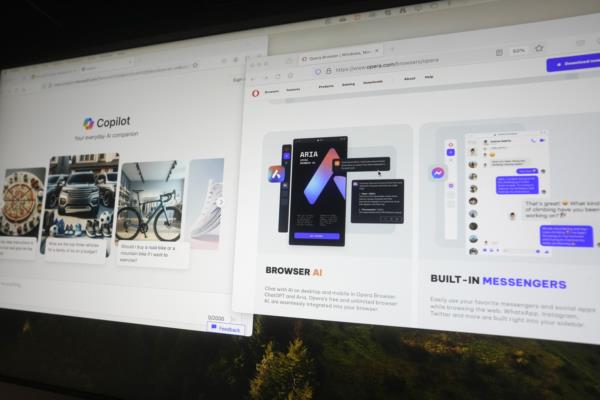
Google introduced its own AI chatbot assistant, formerly known as Bard and now rebranded as Gemini, to provide users with a new way to access search results. Similarly, Microsoft's Bing search engine offers generative AI searches through its Copilot feature. Additionally, a variety of startup AI search sites, such as Perplexity, HuggingChat, You.com, and others, have emerged to offer alternative search experiences.
Most AI search services offer free versions with limited query capabilities, while premium levels provide access to more advanced AI features. To perform an AI search effectively, users are advised to ask conversational questions rather than using traditional keyword strings. This approach allows for a more natural and intuitive interaction with the AI chatbots, resulting in succinct and informative responses.

Although AI chatbots can provide readable summaries of information and are useful for niche inquiries, there are downsides to relying solely on these tools. AI chatbots are not infallible and can sometimes provide inaccurate or misleading information, known as 'hallucinations.' Users are encouraged to cross-reference information from multiple sources and verify the accuracy of the responses provided by AI chatbots.
In conclusion, while AI chatbots offer a new and innovative way to search for information online, it is essential to exercise caution and critical thinking when utilizing these tools. By understanding the capabilities and limitations of AI chatbots and adopting best practices for querying information, users can make the most of this evolving technology in their quest for knowledge.