There was a shift from putting out models to actually building products. The first 100 million or so people who experimented with ChatGPT upon its release two years ago actively sought out the chatbot, finding it amazingly helpful at some tasks or laughably mediocre at others. Now, generative AI technology is increasingly integrated into various technology services, such as AI-generated answers in Google search results or new AI techniques in photo editing tools.
Companies are gradually building products that can take advantage of AI capabilities and do useful things for people. Since the release of GPT-4 and similar AI models, the focus has shifted from constantly improving models to making practical use of existing capabilities.
AI's Sticker Shock
Investing in AI research and development requires significant capital, with tech giants spending billions on energy-hungry computing systems and powerful AI chips. Despite the high costs, AI tools are proving incrementally more productive in various professions like sales and design.
AI and Your Job
Workers are concerned about AI tools supplementing or replacing their work. AI chatbots are being used to write employment contracts, raising fears among some professions about potential job loss due to AI advancements.
An 'Agentic Future'
Developers are pitching the next wave of generative AI chatbots as AI agents capable of reasoning and planning out solutions to complex problems. The future of AI may involve AI agents working together as an ensemble to tackle tasks more effectively.
AI Makes Gains in Medicine
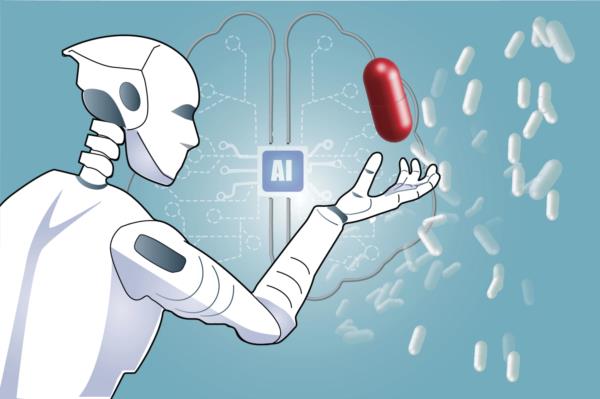
AI tools have streamlined medical diagnostics, providing doctors with quick insights to aid in patient care. AI has also bridged the gap between physical and data analysis labs in pharmaceutical development, significantly reducing the time required for research and experimentation.
Despite its advancements, AI still lacks common sense and the ability to imagine things, highlighting areas for future development and improvement.