Agricultural sheds are more than just roofed structures. They're at the core of your farming operations. They serve various purposes, such as sheltering livestock, storing harvest, and housing your farm machinery. But how you set them up makes a huge difference in how smoothly your farm runs and how easy it is to access supplies.
Read on to learn how to tailor your shed to your farm’s unique needs.
Identify Your Shed's Purpose
The first important step in your shed building project is understanding its purpose. What’s it going to be used for?
Here are some common applications:
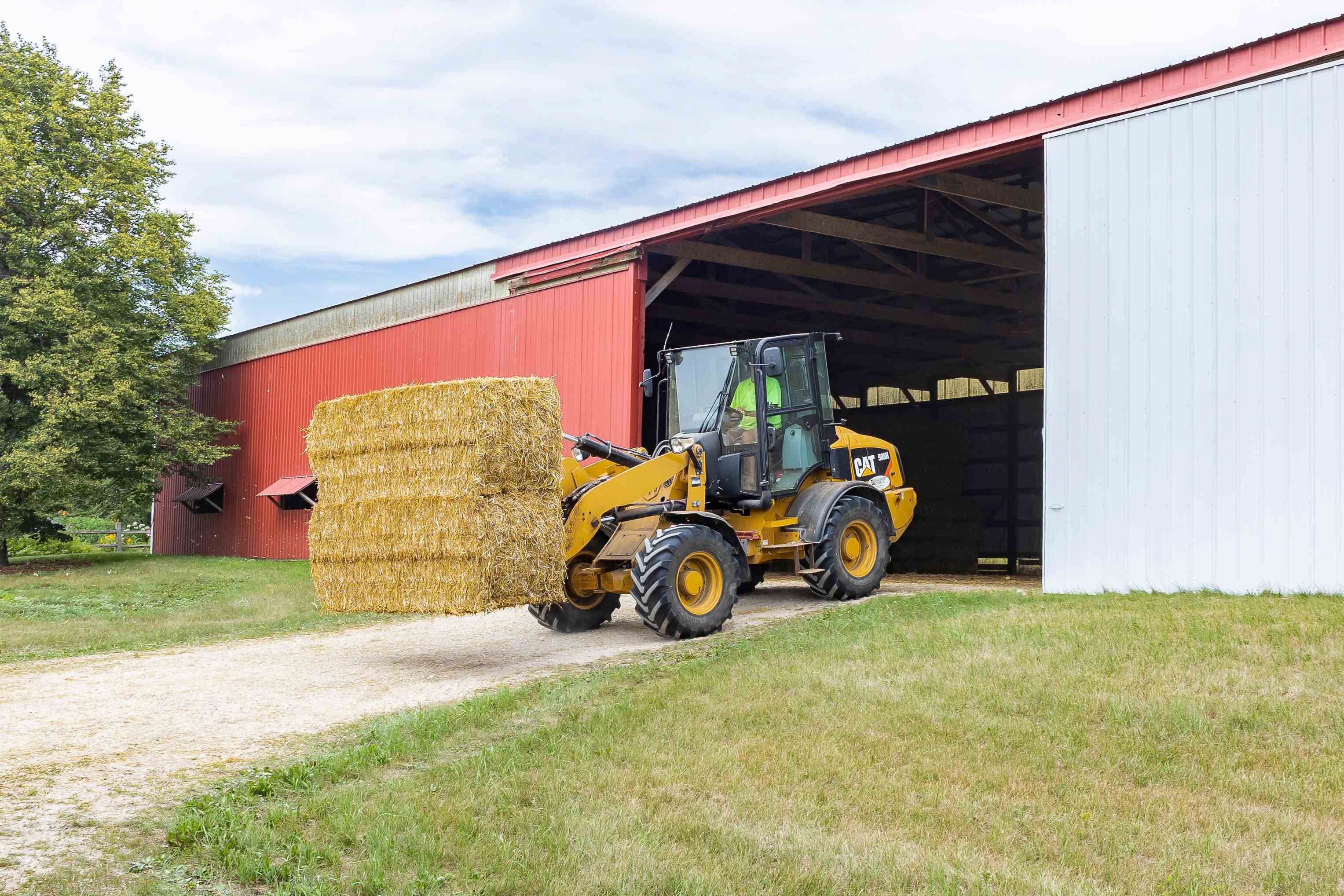
- Farm machinery storage: Tractors, harvesters, and cultivators are costly investments that require proper storage to safeguard them from harsh environmental conditions. Open-sided sheds are a convenient option, but may not adequately shield against dust, wind, snow, and ice. Meanwhile, enclosed sheds offer maximum protection but should have high clearance and much wider doors.
- Livestock housing: Cows, chickens, horses, and sheep need a safe, dry place to live. When animals are comfortable, they’re healthier and more productive, which is especially important for egg and milk production. You might need a dairy barn, chicken coop, horse barn, or just a simple cattle shelter, depending on what you’re raising.
- Feed storage: Proper feed storage is essential for maintaining feed quality, which affects your animals’ health. Your shed needs to protect against moisture, pests, and contamination. Consider how you’ll organise the space and ensure easy access for loading and unloading.
In many cases, the shed will be used for storing equipment, feed, and harvest crops, and for sheltering your animals. An optimal layout is crucial to ensure seamless farm operations even during peak times.
Thoughtfully designed agricultural sheds safeguard farm assets while streamlining your workflow. For lasting durability, choose trusted builders who can customise every detail to meet your specifications.
Choose the Site Carefully
As with any structure, location matters more than you might think. So, choose a flat, level site with convenient access points. Make sure it's also not in flood zones. You don't want to deal with water damage to your equipment or animals.
Another important consideration is how close you'll be to utilities like water, electricity, drainage, and sewer lines. These essential services keep your operations running smoothly.
Once you've found the right spot, consider which way your shed will face. The right orientation can give you better natural light during the day and help with ventilation.
Select the Right Materials and Design
Steel is widely preferred for farm sheds because of its durability, weather resistance, sleek appearance, and minimal maintenance needs. Timber, on the other hand, lends a rustic appeal to your farm building. However, it's not as long-lasting as steel and requires protective coatings to maintain its optimal condition.
As for roof styles, you can choose between gable, skillion, and flat.

- Gable: This triangular roof design offers high clearance, good ventilation, and efficient rainwater drainage.
- Skillion: Sloping in one direction, this roof design also allows rainwater runoff, provides generous overhead space, and enables quick access to equipment and feed.
- Flat: Prefabricated solutions like building kits are available for this roof type. Many feature trussless roof design and simply involve bolt-up construction, no welding required. Those with construction experience usually find assembly to be fairly manageable.
Carefully weigh the pros and cons of materials and roof design to choose the combination that best supports your farm setup.
Navigate Regulations and Permits
Before constructing your steel farm shed or prefabricated agricultural building, check local regulations like building codes and zoning laws to ensure compliance with relevant requirements. For instance, there may be restrictions on the size and height of the structure as well as how close it is to residential areas and property lines.
When securing the necessary building permits from your local council, present detailed engineer-stamped plans to expedite the approval process.
Consider Your Budget
Your budget is a key consideration here. It often dictates the shed’s size, the materials used, and overall design. Experienced builders can show you different options that meet your needs and suit your budget.
For big-scale projects like this, costs pile up quickly, so remember to account for labour, permit fees, and unexpected expenses.
If the budget is tight, you may have to hold off on the non-essentials. But if you anticipate expansion in the future, then it's best to go for modular construction that allows for additions without a major overhaul.
Add Practical Features
To further enhance the functionality of your agricultural shed, consider adding:
- Insulation: Proper insulation helps control temperature and moisture, which protects your equipment and stored materials. If you’re storing grain, for instance, spray foam insulation works best because it seals tight and prevents moisture and pests from getting in.
- Solar panels: Roof-mounted solar panels can help lower your utility bills and make your farm operations more environmentally friendly. While they cost a lot upfront, you can check government websites for applicable subsidies and rebates to offset the price.
- Access doors: Roller doors are fully sealable and can be motorised. However, they're more expensive to install, are limited in width, and require vertical clearance. Meanwhile, sliding doors have a large opening span, are more cost-effective, and are easier to install. But they don't close tightly, are not typically motorised, and need wall space to slide into.
- Ventilation systems: To improve internal ventilation, you may add ridge ventilation or side wall vents. For larger metal farm buildings, a mechanical ventilation system might be more suitable.
These extras make working in your shed more comfortable, secure, and environmentally responsible.
Conclusion
Building a farm shed that actually works for you comes down to good planning from the start. Start by determining exactly what you need it for and how much you can spend. These will guide your decisions on the material and which additions are worth the money.
Don't skip the permits and regulations, too. They help ensure your shed's safety and structural integrity. A well-built shed will serve your farm for years to come and make your daily work easier.