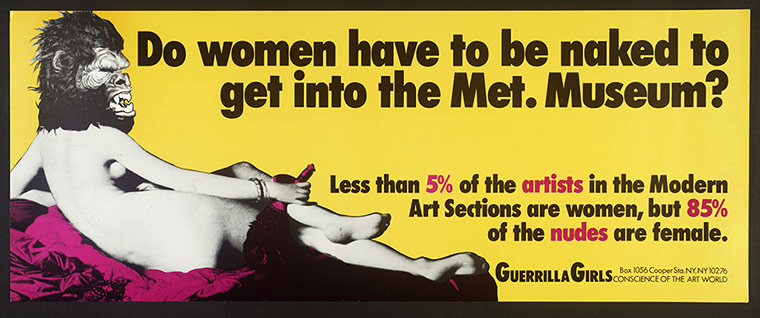
An anonymous group of female artists and feminists, the Guerrilla Girls fight sexism and racism within the art world Photograph: © www.guerrillagirls.com/Courtesy of the Tate
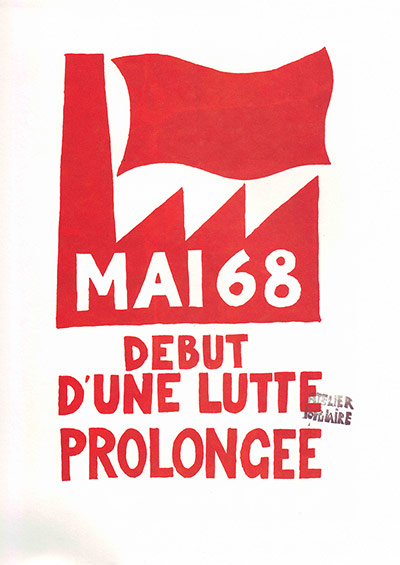
Atelier Populaire formed in 1968 during the student protests in France, which led to calls for the largest general strike ever held in the country, and a violent clampdown Photograph: Antonio Ricci/Courtesy of Archivio Sessantotto
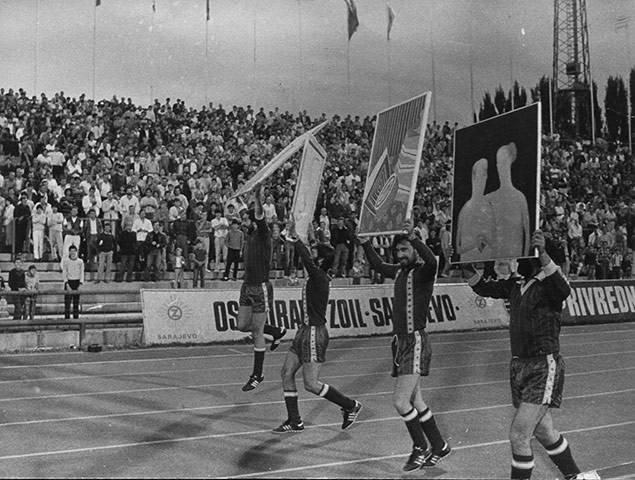
The Zvono Group performed actions in Sarajevo shopping streets and football fields, wanting their interventions to be experienced collectively, like those of sportsmen or musicians Photograph: © ZVONO
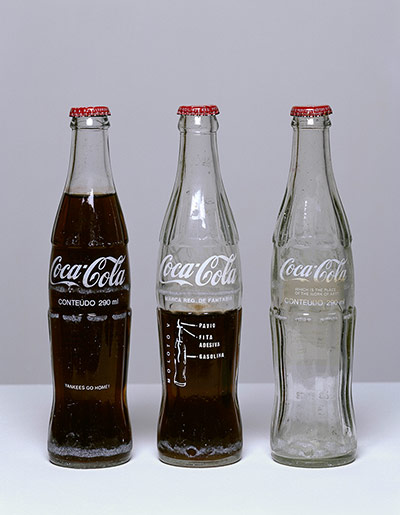
Meireles spread anti-American messages in Brazil, printing instructions for the construction of Molotov cocktails on Coke bottles – then sending the bottles to a recycling plant to be re-used Photograph: Cildo Meireles
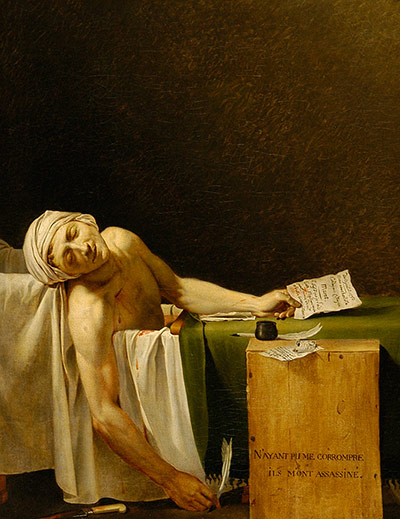
David’s portrait of the murdered French revolutionary was reproduced by his studio, and intended to be shown in around France in a kind of political poster of Marat as revolutionary martyr Photograph: Courtesy of Musee de Beaux -arts
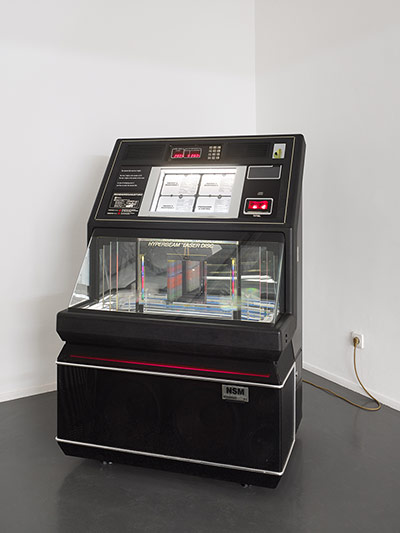
Ewan's archive now has over 2,000 politically progressive tracks, all of which are divided into categories like civil rights and feminism Photograph: Stephan Baumann
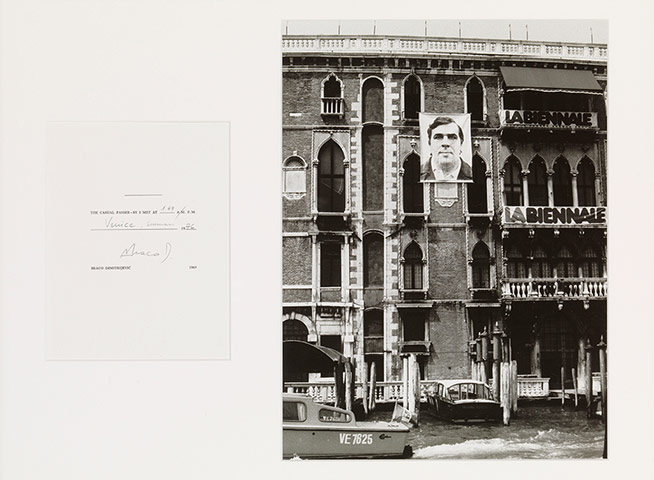
Dimitrijevic took portraits of anonymous people in the street, then displayed them on a huge scale in public places throughout Europe, to give their images the same status as public figures and celebrities Photograph: Sam Drake/Courtesy of the Tate
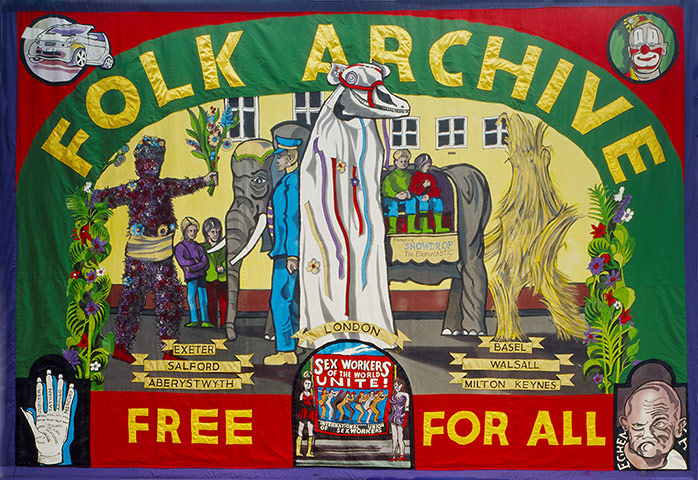
The Folk Archive celebrates activity from a vast range of British pastimes and pursuits, and gives an opportunity for a cross-section of the community to have their work shown in an art gallery for the first time Photograph: Courtesy of the British Council Collection
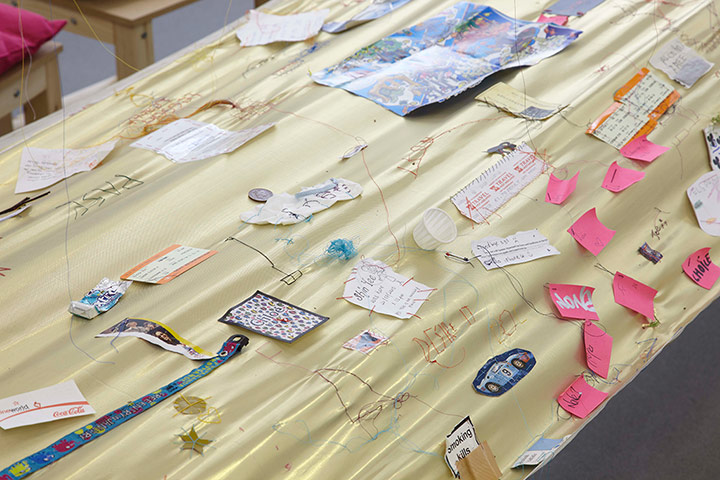
Members of the public are invited to stitch their ‘hopes, dreams, poems etc’ on a long cloth. Medalla created this in a period when he was interested in labour, and the cloth production industry in general Photograph: Stuart Whipps/Courtesy of Arts Council Collection
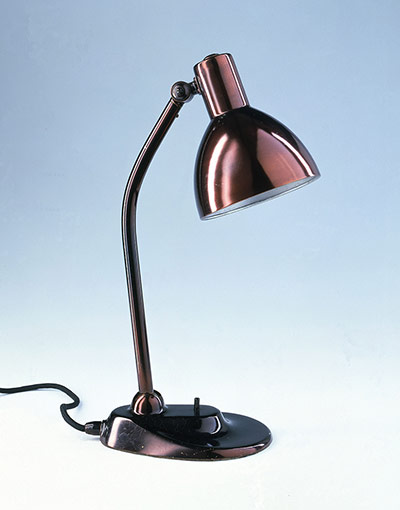
Brandt was a Bauhaus artist, who believed in collectivity and the democratisation of taste, and the introduction of craft aesthetics into industrial mass-production Photograph: Gunter Lepkowski/© DACS/Bauhaus-Archiv Berlin
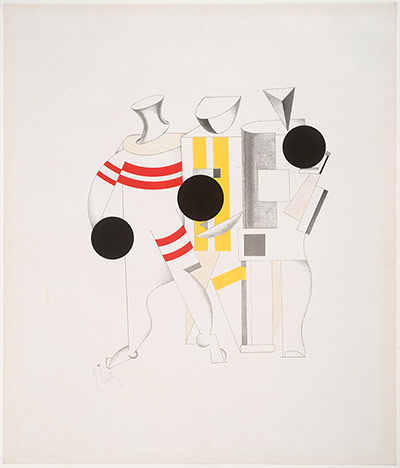
Lissitzky wanted art to be an agent of change in the early years of the Soviet Union, and his Suprematist style greatly influenced the Bauhaus Photograph: Courtesy of the Tate

Liverpool-born Crane, a friend of William Morris, used his art for the advancement of international unity and the power of collectivity Photograph: Courtesy of People's History Museum