Get all your news in one place.
100’s of premium titles.
One app.
Start reading
The Guardian - UK
The Guardian - UK
Politics

After the Tsunami came a flood of developers

tourism concern: indian ocean sailing fishing fishermen boat
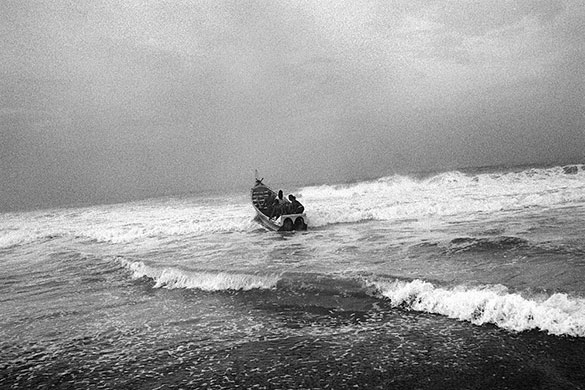
The rapid spread of hotels and beachfront developments means that fishermen are increasingly being forced to relocate inland. Local campaigners have had some success in fighting this. In particular in Kanyakumari, Tamil Nadu, where a small but determined group successfully challenged a number developments in the courts for breaching coastal regulations to the detriment of the natural environment.
Photograph: Tourism Concern/Sohrab Hura
tourism concern: india beach tourism
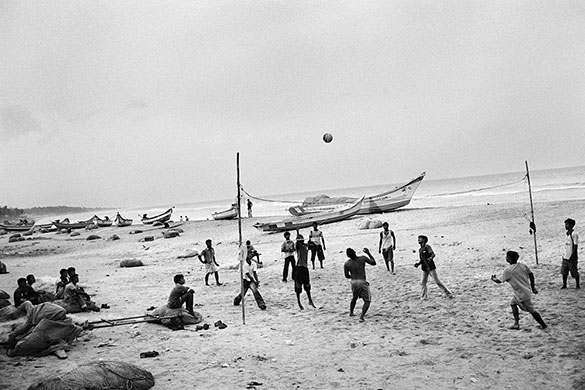
Kerala stretches 590 kilometres along India’s south-western coast, where it meets with the deep blue waters of the Arabian Sea. More than 170 people lost their lives and almost 2,500 were injured in the 2004 tsunami. A quarter of a million coastal residents were evacuated to temporary camps, and 13,000 houses were damaged or destroyed.
Photograph: Tourism Concern/Sohrab Hura
tourism concern: india housing
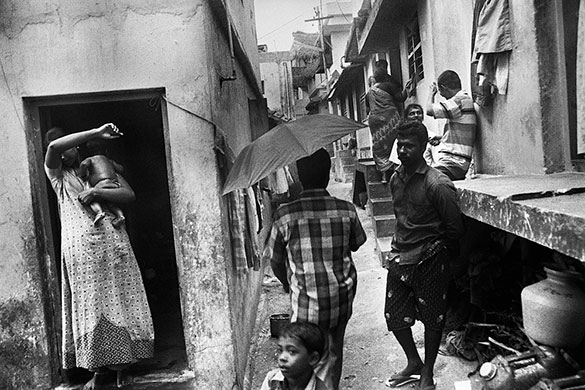
Communities were relocated to temporary housing away from the sea. The new housing is cramped and hot. And the fishermen would rather live back near the sea where they can watch over their boats and nets. But the government won’t build within 400 metres of the shoreline. All the surrounding land has been bought up by tourism developers, shrimp farms and fish hatcheries.
Photograph: Tourism Concern/Sohrab Hura
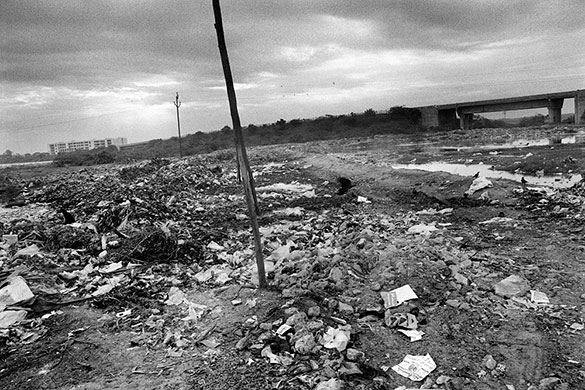
tourism concern: rubbish dump india
The rubbish dump outside Mahabalipuram. The hotels generate a huge amount of waste, but the town lacks sufficient infrastructure to deal with it.
Photograph: Tourism Concern/Sohrab Hura
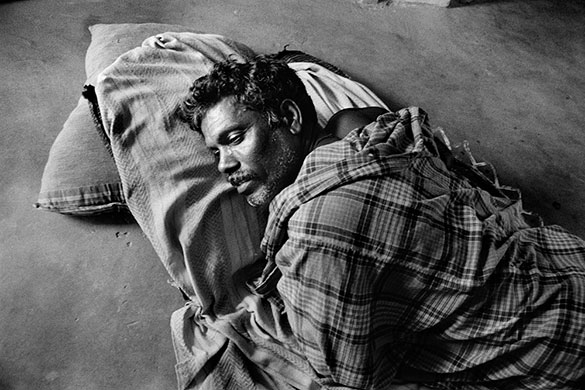
tourism concern: india
Muthu, 48, previously earned up to 500 rupees (about £6) a day as a fisherman, an occupation practised by his family for generations. After the tsunami, his village was relocated several hundred metres from the sea. This meant he could no longer fish. He now earns just 100 rupees a day as a gardener at a nearby tourist resort. He recently injured his back while at work and doesn’t know when he’ll be able to return. He has no contract with the hotel so doesn’t receive any sick pay.
Photograph: Tourism Concern/Sohrab Hura
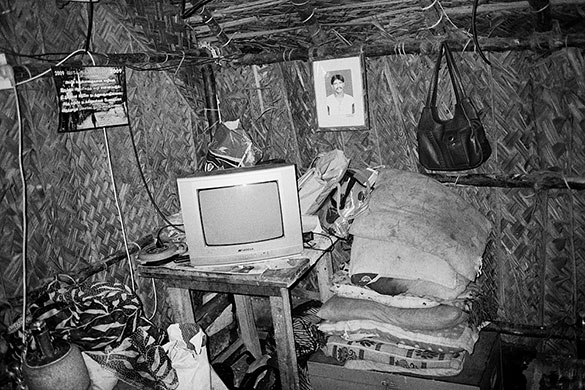
tourism concern: india shack
13,000 houses were damaged or destroyed in the 2004 tsunami. “We were told two years ago that the new houses would take seven months to build, but they still haven’t finished. The tourism minister visited about a year ago and said it would be sorted out, but nothing has happened.”
Photograph: Tourism Concern/Sohrab Hura
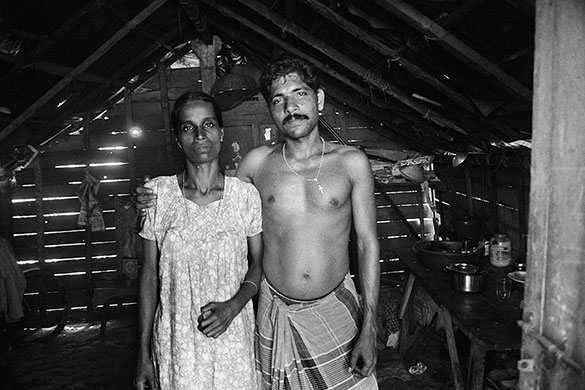
tourism concern: india shack dwelling
Mary and her husband sold their five-roomed house and land to tourism developers after the tsunami and were relocated inland. They believed they were getting a good price for their home - enough to clear some debts and give themselves a fresh start. But the money they received was only enough to build a small, temporary wooden house. And they feel that they were cheated: “We need a proper house, but we don’t have any money. My husband must now walk several kilometres to the beach so he can fish. because he can’t afford the transport costs," says Mary.
Photograph: Tourism Concern/Sohrab Hura
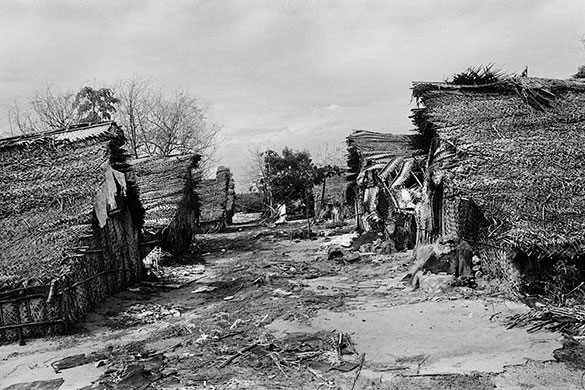
tourism concern: india shacks
Despite massive aid-flows to the region, many families are still waiting for their tsunami-damaged homes to be rebuilt. Others endure cramped and undignified living conditions, while the funds that were meant to assist them are channeled instead into beachfront beautification schemes for tourists.
Photograph: Tourism Concern/Sohrab Hura

Sign up to read this article
Read news from 100’s of titles, curated specifically for you.
Already a member? Sign in here
Related Stories
Top stories on inkl right now
One subscription that gives you access to news from hundreds of sites
Already a member? Sign in here
Our Picks
Fourteen days free
Download the app
One app. One membership.
100+ trusted global sources.