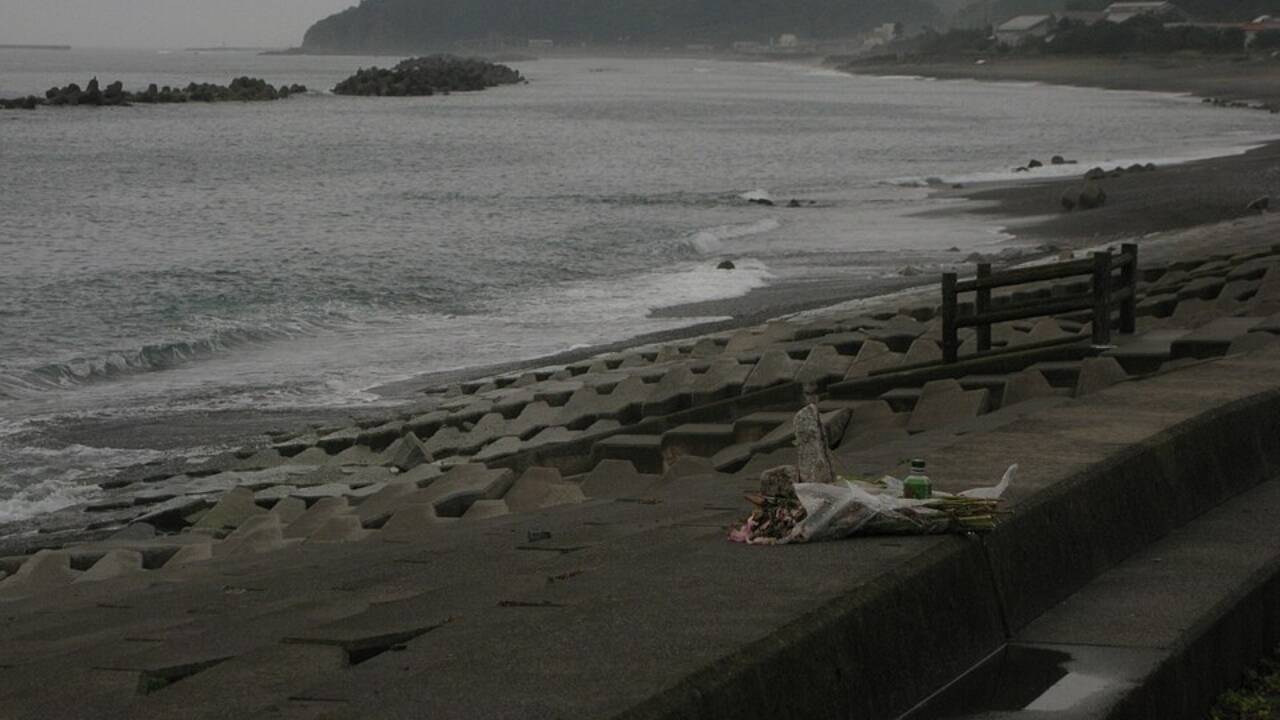
The devastating Great East Japan Earthquake and tsunami on March 11, 2011, claimed more than 15,000 lives and damaged entire coastal communities across northeastern Japan. Following that, the Japanese government launched one of the world’s biggest coastal defence programs, investing billions of dollars to rebuild and expand the seawalls across the affected prefectures, including Iwate, Miyagi, and Fukushima. Notably, many of these barriers were made significantly taller and wider than those that were replaced, with some even reaching nearly 45 feet high and extending more than 150 feet wide . These walls were built with the aim of reducing the impact of future tsunamis and protecting the vulnerable communities. However, scientists now believe that the reconstruction effort might have unintentionally intensified another long-standing problem that is disconnecting Japan’s coastline from natural processes that sustain beaches, wetlands, and coastal wildlife.
Get breaking news anytime, anywhere. Download the TOI app now!
Researchers believe that nature has already started its recovery
According to researchers who surveyed the disaster zone in the immediate years following the tsunami, many coastal ecosystems showed remarkable signs of natural recovery. Plant ecologist Yoshihiko Hirabuki of Tohoku Gakuin University reported that native coastal vegetation along parts of Sendai’s shoreline recovered beyond what researchers had initially expected. Additionally, beaches that had been severely damaged by the tsunami gradually transformed into thriving habitats hosting native flowering plants and pollinating insects.
The Nature Conservation Society of Japan (NACS-J) also noted the formation of around 20 new marshes during surveys conducted between 2011 and 2012, suggesting that the tsunami, despite being a major disaster, also created new opportunities for new ecosystems to develop naturally. Many even believe that the disaster presented a rare chance to reshape Japan’s heavily engineered coastline and allow more nature-based coastal management strategies to emerge. However, despite this belief, the reconstruction largely focused on concrete infrastructure.
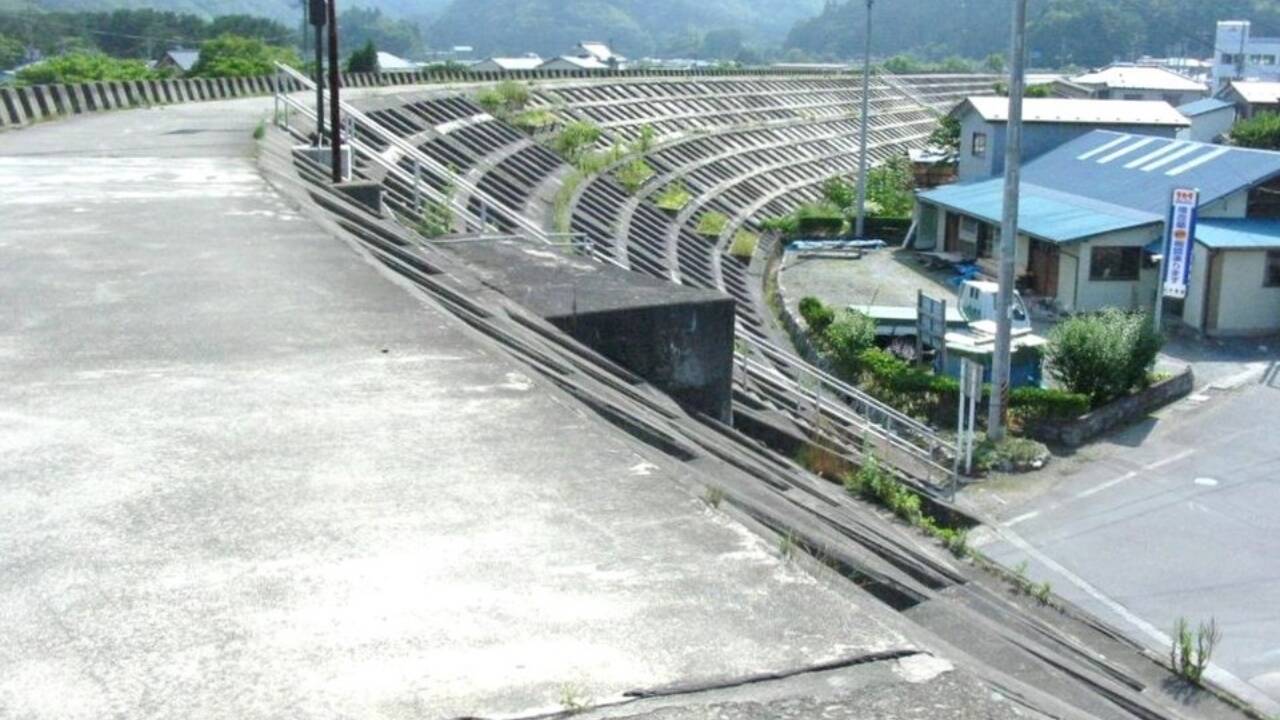
Following the construction of wider and taller seawalls, scientists have stressed that while these walls are effective at reducing certain coastal hazards, they can also significantly alter how shorelines work. Large concrete barriers interrupt the natural movement of the sand, seawater, and sediments between the ocean and the land. Therefore, over time, this can accelerate beach erosion, fragment wetlands, isolate tidal flats, and prevent coastal dunes from naturally shifting with changing tides and storms. Additionally, construction can damage fragile habitats by burying existing vegetation, disturbing wildlife and replacing diverse coastal landscapes with hardened infrastructure.
A coastal landscape shaped by decades of engineering
The environmental debate regarding Japan’s seawall did not begin after the tsunami. According to Japan’s Ministry of the Environment, more than 56% of Honshu’s coastline had been modified through coastal engineering projects before 2011. Decades of land reclamation, ports, seawalls, and flood-control infrastructure had already reduced tidal flats and seagrass beds while contributing to widespread beach erosion. Therefore, these changes affected wildlife ranging from loggerhead sea turtles, which rely on sandy beaches for nesting, to shellfish and migratory birds that depend on tidal wetlands. Thus, many researchers viewed post-tsunami reconstruction as a rare opportunity to restore some of these degraded coastal landscapes.
Many researchers also advocate more nature-based coastline protection; that is, rather than abandoning the seawalls altogether, many support combining engineered defences with ecosystem-based solutions. Experts including environmental engineer Satiquo Seino of Kyushu University have argued that relocating some seawalls farther inland could preserve beaches, marshes, and dunes while still protecting communities. Meanwhile, others recommended restoring natural coastal buffer zones to conserve wetlands, allowing undeveloped areas between settlements and sea to absorb wave energy. It is worth noting that while the country’s reconstruction has undoubtedly improved protection against smaller and moderate tsunamis, researchers believe that future coastal planning should place greater emphasis on preserving natural habitat alongside engineered infrastructure.