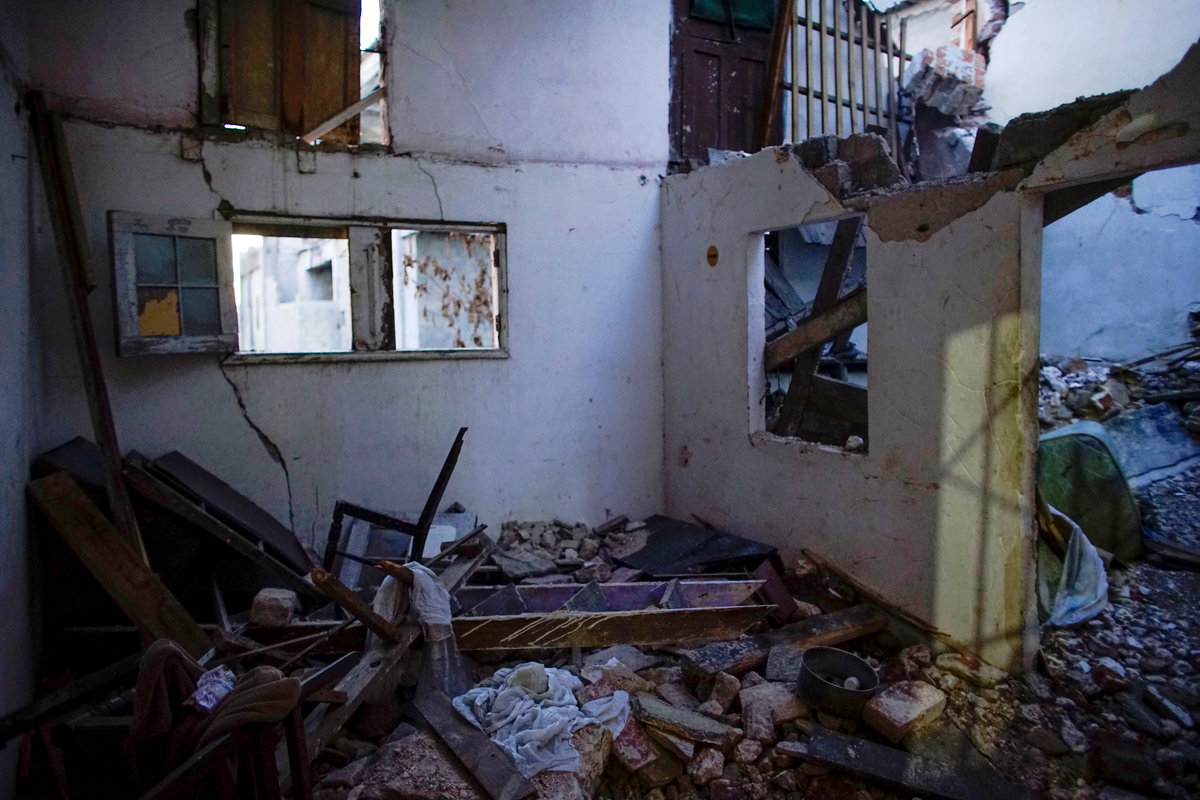
HAVANA (Reuters) - After Hurricane Irma wrought havoc on Havana's decrepit buildings and killed four in building collapses there, city authorities held a rare media briefing to stress they were prioritizing solving the capital's longstanding housing needs.
A quarter of buildings in the Cuban city are in "bad or regular" shape, according to the provincial housing authority, due largely to a punishing tropical climate, lack of adequate maintenance and passage of time.
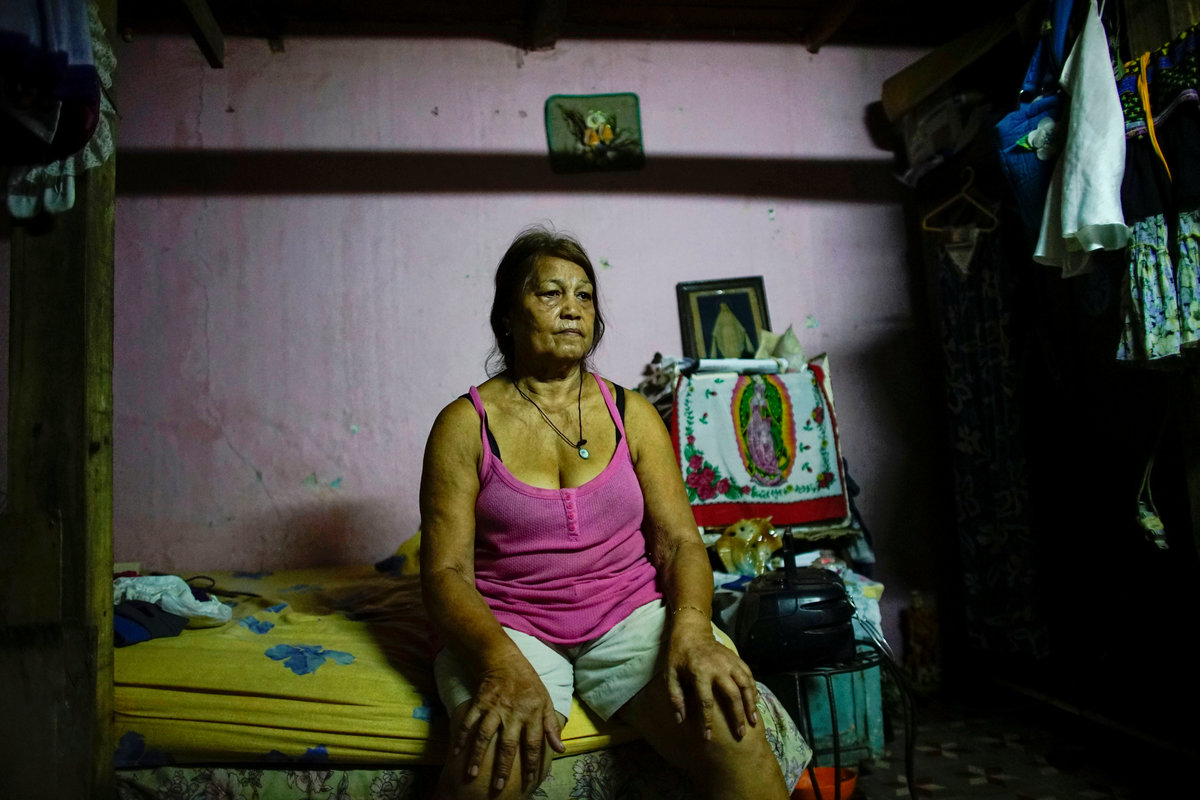
Some Havana residents complained Irma would not have been as deadly if authorities had addressed their housing needs, a criticism authorities rejected.
Euclides Santos, in charge of Havana housing, told a small group of foreign reporters the city had put a strategy in place in 2012 to repair housing as well as provide new homes even if lack of resources made it hard to fulfill its goals.
Around 50,000 families in total were in need of new housing, Santos said.
"We have delivered 10,000 or so homes so far to people in shelters which means the program is achieving results," he said on Friday, noting the city had nearly doubled annual spending on construction in that time to around 185 million Cuban pesos, equivalent to some $7.7 million.
Some Cubans had been waiting in communal shelters for more than 20 years at the start of the program, said Santos, pointing to the economic crisis Cuba went through after the fall of the Soviet Union. The country has also suffered from the decades-long U.S. trade embargo.
Havana had focused first on providing homes for those Cubans, then for those who had been waiting 15-19 years. Now it was looking to resolve housing needs of those who had been waiting 10-14 years.
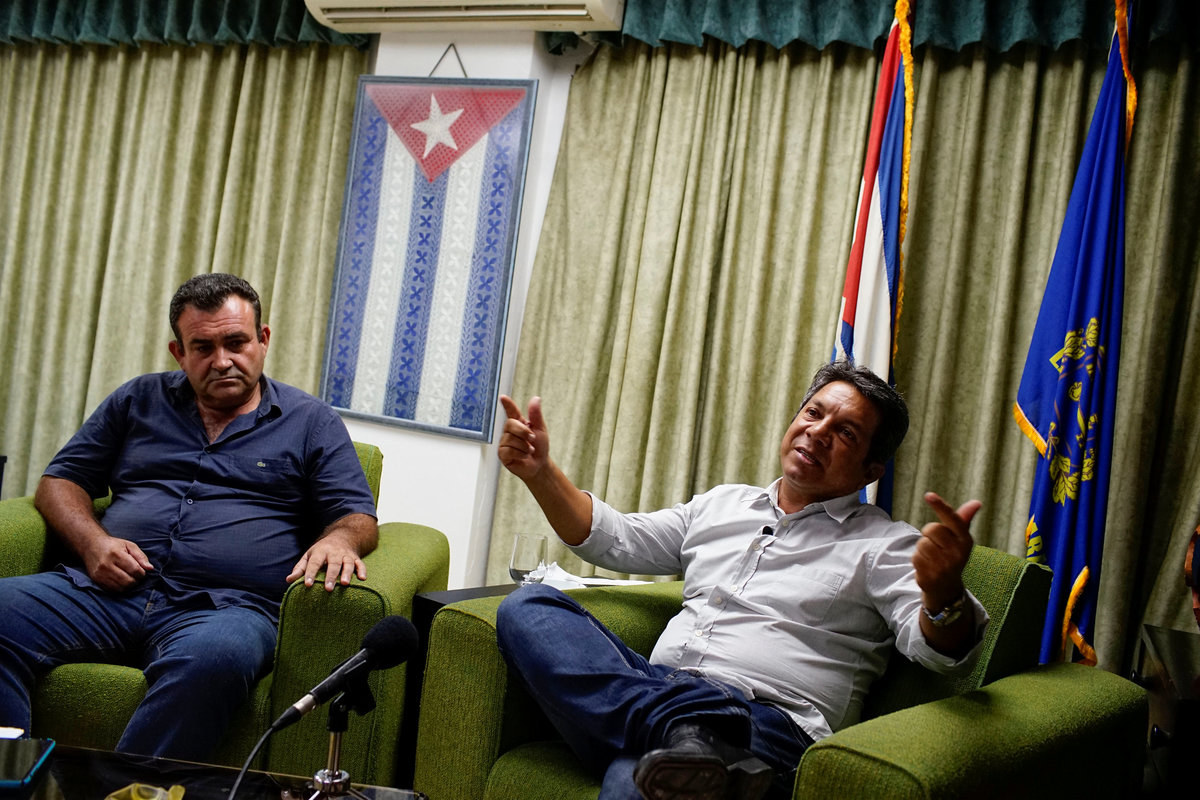
"There is a strategy to reduce the time families have to spend in these places," Santos said, adding that around 7,000 people were residing in Havana's 109 shelters.
Families have little privacy in the shelters, where flimsy walls or even washing lines are often used to crudely divide the units. Many Cubans say they would rather risk their lives staying in their crumbling homes than move to one.
Others say they would prefer to remain in existing homes in the city center, even though they are falling apart, rather than move to new houses they complain are shoddily built and out of town.
The city's aim had been to build 3,000 homes per year, which would have solved 80-90 percent of Havana's housing needs by 2020, Santos said. However, a lack of resources meant it had only managed to build between 2,200 and 2,300 homes per year so far.
With shipments of cheap oil from Venezuela reduced and Cuba's exports down, the cash-strapped island nation has had to cut imports over the past two years. Irma added to those woes.
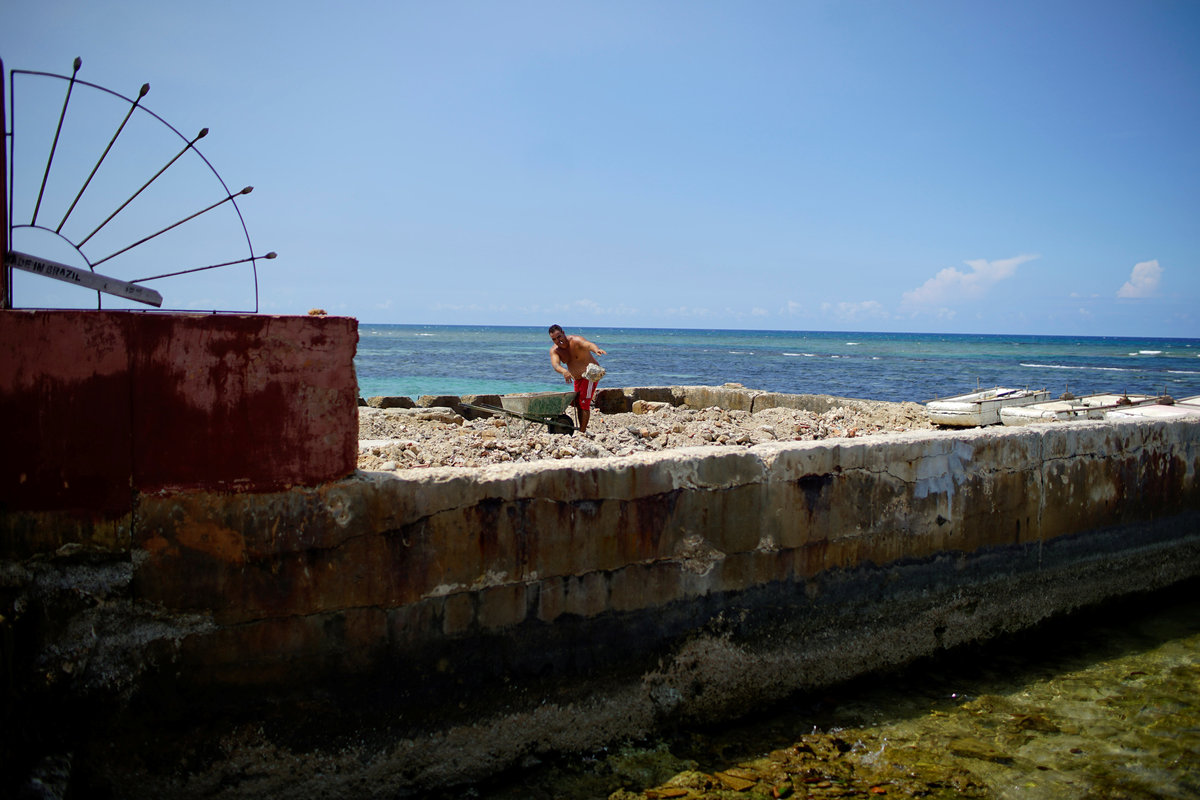
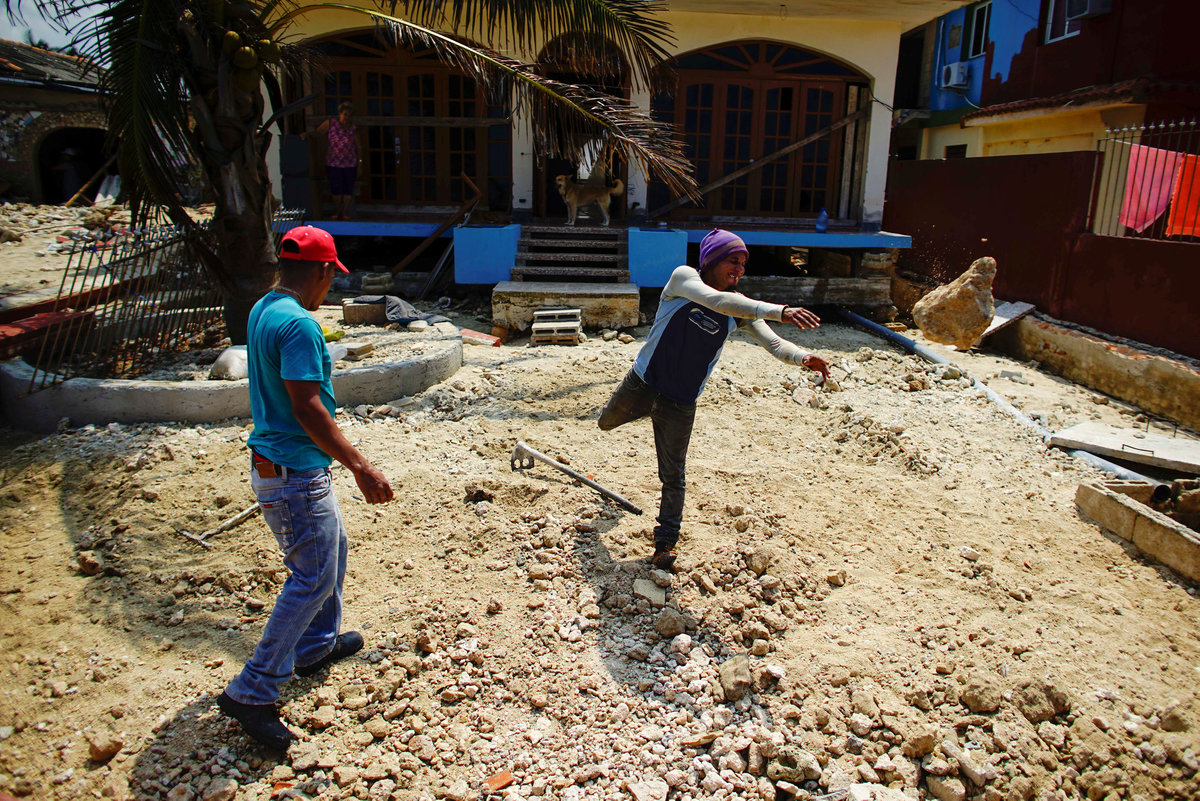
While the eye of the hurricane did not reach Havana, tropical-storm force winds and heavy rains of its outer bands, as well as a storm surge, lashed its buildings. Nearly 200 were completely destroyed.
Two brothers were killed in densely packed Canter Havana when a wall fell on their flat.
Santos said authorities had urged them to evacuate the building which they knew was in bad shape. The actual owner of the flat had already been given a new home and they were squatting there, he said.
(Reporting by Sarah Marsh; Editing by David Gregorio)