TikTok appears to be closing in on a deal to sell its U.S. operations in the coming days, as the controversial, fast-growing social video app reels amid the Trump administration's looming ban and the abrupt resignation of its chief executive, Kevin Mayer.
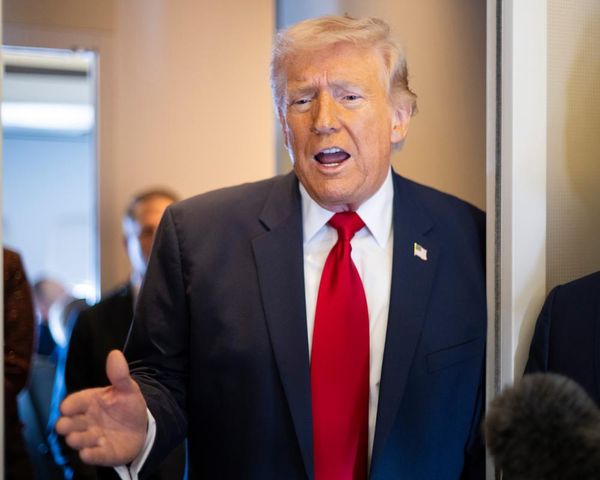
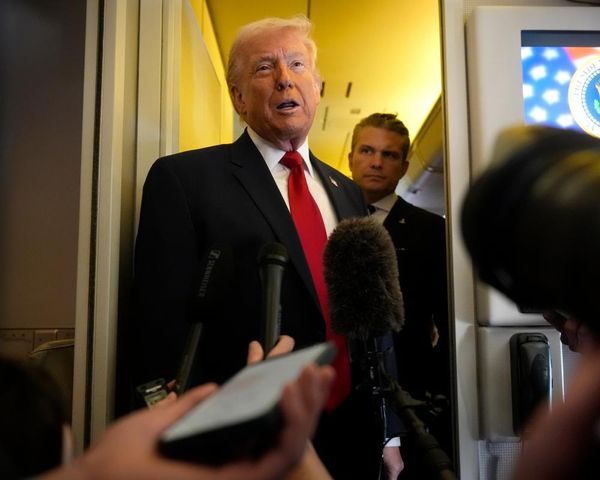
Mayer's surprise exit came late Wednesday night as the company has been under immense pressure after Trump signed executive orders, including one that would require TikTok's Chinese parent company, ByteDance, to divest TikTok's U.S. operations by Nov. 12.
As TikTok's troubles mount, multiple potential buyers are circling in hopes of taking advantage of the app's enormous reach with young consumers.
Several potential bidders have emerged for TikTok, including a joint bid from Microsoft and retail giant Walmart, and a separate bid by Oracle Corp. Oracle founder Larry Ellison reportedly hosted a Trump fundraiser in February, making him one of the few tech titans to back the president, who has also publicly supported Oracle's bid.
But Walmart on Thursday confirmed its interest in a deal involving Microsoft and TikTok, in a pairing that one prominent analyst said gives the companies a major advantage in their pursuit of the tech firm's U.S. business. Microsoft has said it is also exploring buying TikTok's Canadian, Australian and New Zealand operations.
"The way TikTok has integrated e-commerce and advertising capabilities in other markets is a clear benefit to creators and users in those markets," Walmart said in a statement. "We believe a potential relationship with TikTok US in partnership with Microsoft could add this key functionality and provide Walmart with an important way for us to reach and serve ... customers as well as grow our third-party marketplace and advertising businesses."
The partnership probably "seals the deal" for TikTok to sell its U.S. operation quickly, said Wedbush Securities analyst Daniel Ives in a note to clients.
TikTok could help Walmart in its efforts to compete with Amazon.com's massive e-commerce platform by increasing its marketing clout, especially among the young. As the pandemic has driven more customers online, Walmart saw its e-commerce sales double in the last quarter _ an important development for a company looking to outpace Amazon.
"In our opinion, this is the final piece of the puzzle that ultimately cements Microsoft successfully acquiring TikTok's US operations for likely $35 billion to $40 billion," Ives said.
The logic of a purchase by Oracle, the enterprise software company, is less obvious, Ives said.
"It would be Ellison taking a risky shot at building a consumer strategy, but ultimately this would be like the Dodgers going after someone from the Lakers next season to add their team. Oracle is an enterprise company with no consumer tentacles."
Representatives of Microsoft and Oracle could not be immediately reached for comment.
Microsoft and Walmart's white-knight bid comes at a uncertain time for TikTok.
Mayer joined the tech company only three months ago, after he left Walt Disney Co., where he ran the Burbank entertainment giant's high-priority streaming business. His position at TikTok, which has a large presence in Culver City, was supposed to bring more legitimacy to TikTok, which had long faced scrutiny over its use of data and ties to China.
TikTok secured a foothold in the U.S. by becoming especially popular among teens and is expanding to a broader audience, most recently with a massive marketing campaign.
The app has seen a surge in use as people shelter in place and look for ways to be entertained during the coronavirus crisis. The number of people using TikTok in the U.S. has grown dramatically, from 11.2 million monthly active users in January 2018 to 91.9 million users in June 2020, according to documents filed by TikTok in federal court.
Mayer's exit took the tech and entertainment industries by surprise and is seen as a blow to TikTok's efforts to navigate the treacherous political waters.
"It's more bad news for TikTok," said Carl Tobias, a law professor at University of Richmond. "The whole idea was that he would be the face of the company and interface with the politicians in D.C. who politicized this. And maybe that was a tall order. The whole purpose of his coming in was to navigate that difficult situation."
Mayer wrote in a memo to staff on Wednesday night that he has always been "globally focused" in his work and "leading a global team that includes TikTok U.S. was a big draw for me."
Mayer was not only CEO of TikTok, but also chief operating officer of ByteDance, giving him a prominent role at what promised to be a major global tech and entertainment player. The U.S. government's actions to break up the company promised to bifurcate the two roles.
"I understand that the role that I signed up for _ including running TikTok globally _ will look very different as a result of the U.S. administration's action to push for a sell off of the U.S. business," Mayer said in his note.
Vanessa Pappas, currently general manager of TikTok U.S., will become interim head, according to Mayer's note.
TikTok declined to make Mayer and Pappas available for interviews.
TikTok's U.S. headquarters are in Culver City and as news spread about Mayer's departure, it was another dose of drama for the company's 1,500 U.S. employees.
"This is one more source of uncertainty," said an employee who declined to be named for fear or reprisals. "People are committed to the product, but what's going on is beyond our control."
The exit is also a blow for Mayer, who until recently was riding high at Disney because of the successful launch of Disney+, the Mouse House's $7-a-month competitor to Netflix. The app has been a major success for Disney, soaring to more than 60 million subscribers globally since its November launch. His purview also included Hulu, ESPN and Disney's international business.
Mayer left Disney after being passed over for the role of succeeding Bob Iger as chief executive after his 15-year run. The company's board named former parks and products head Bob Chapek as CEO in February, shortly before the coronavirus hammered Disney's business by shuttered movie theaters, theme parks and film productions.
Disney insiders were surprised by Mayer's departure at the time because he appeared to have one the most interesting jobs in Hollywood. TikTok was already controversial because of its China ties, though it wasn't obvious to outsiders at the time how much of a political lightning rod the company would become.
"He left to become the Bob Iger of TikTok," said Ted Chervin, co-managing director of Century City-based talent agency ICM Partners. But now, with TikTok facing heat from the U.S. government, "It became a much different beast," he added.
Mayer's resignation will probably increase anxiety among creators and employees who are concerned about what will happen when Trump's first executive order against TikTok goes into effect on Sept. 20. That order could bar U.S. companies from placing ads on the app or potentially stop TikTok U.S. employees from getting paid.
TikTok filed a lawsuit this week calling the order unconstitutional, and a separate lawsuit has also been filed on behalf of employees. Several potential bidders have emerged, including Microsoft and Oracle.
In a statement, TikTok said, "We appreciate that the political dynamics of the last few months have significantly changed what the scope of Kevin's role would be going forward, and fully respect his decision."
It was unclear what Mayer planned to do next. The Financial Times first reported news of his departure.
Mayer played a key role in growing Disney into what it is today, establishing a reputation as a master dealmaker through acquisitions such as that of 21st Century Fox assets, Pixar Animation Studios, Marvel Entertainment and Lucasfilm.
His move to TikTok was not the first time he left Disney for an unexpected destination. In 2000, he left to run Playboy Enterprises' digital subsidiary, where his stint was brief. He soon returned to Disney in 2005 after additional stints at Clear Channel and L.E.K. Consulting.
Trump, who has been waging a trade battle with China, says TikTok threatens national security. In the U.S., the app is used by 100 million people.
TikTok has maintained that the government has provided no evidence to support its claims and that its U.S. user data are stored in Virginia and backed up in Singapore. The company said it has not and will not give information to the Chinese government.