After a post-war agricultural disaster, one of the most devastating in Soviet history, the government launched an environmental experiment unlike any attempted elsewhere. The idea behind the plan was that forests could do much more than provide lumber. Planners believed trees could help change the climate, reduce drought and protect the country from famine.
Get breaking news anytime, anywhere. Download the TOI app now!
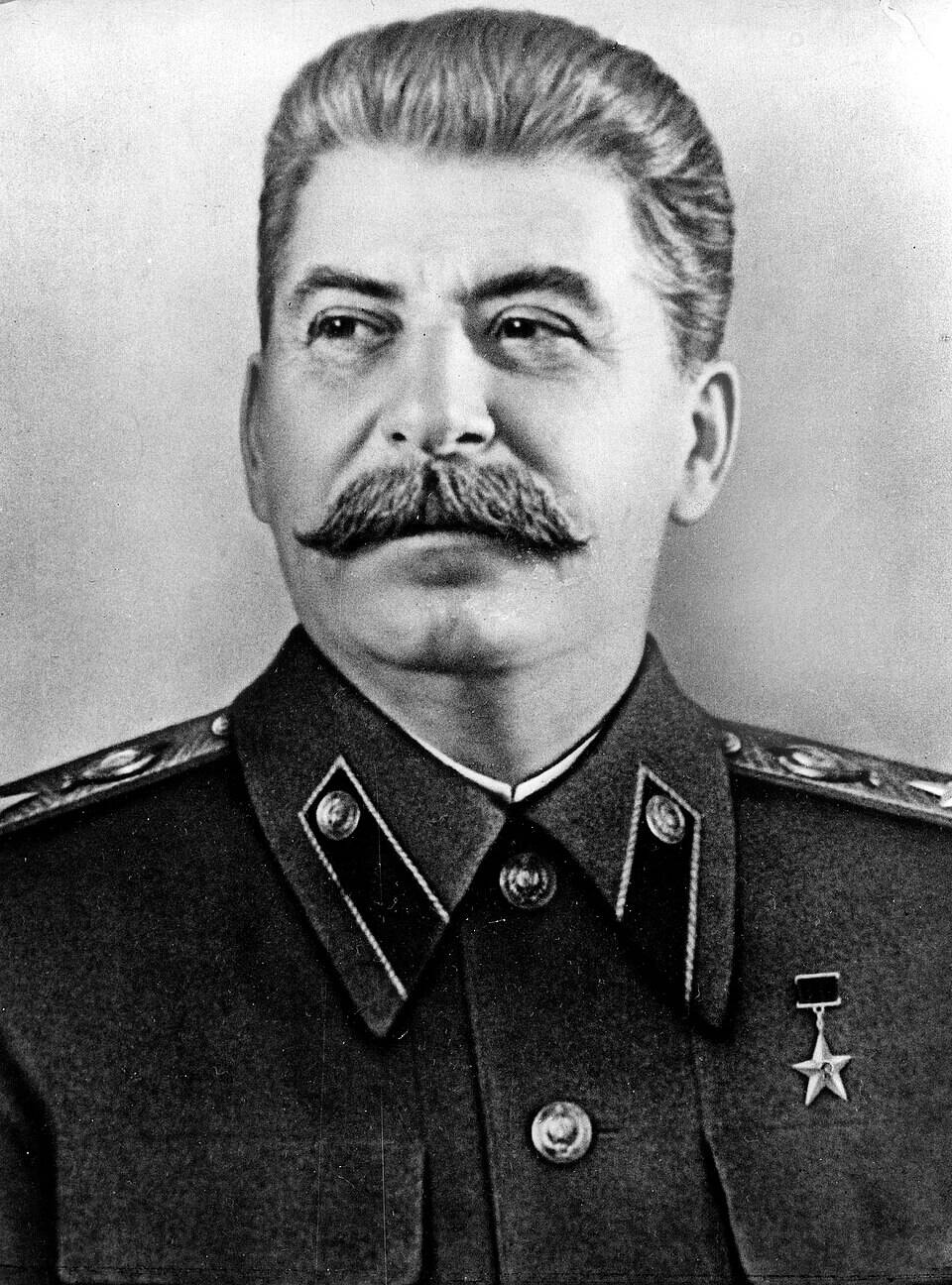
As a result, the Great Plan for the Transformation of Nature was launched in October 1948 under Joseph Stalin. The plan called for eight huge state shelterbelts covering about 15 million acres in the drought-stricken steppe and forest-steppe regions of the Soviet Union.
Although millions of trees were planted and thousands of kilometres of forest belts took shape, the grand vision of transforming the regional climate never materialised. After Stalin died in 1953, political priorities changed, funding declined, and much of the programme was abandoned.
A response to famine and recurring drought
The plan originated against the backdrop of a serious ecological and humanitarian crisis. The drought that occurred in 1946 was then followed by famine in 1946–47. It became clear that Soviet agriculture was highly vulnerable. Extensive parts of the agricultural land of the country experienced poor harvests because of hot, dry winds, which carried off the topsoil and deprived it of its precious moisture content. It convinced Soviet leaders that conventional agriculture was not enough to ensure food security.
Rather than treating drought as a natural phenomenon beyond human control, the Soviets believed landscapes could be engineered to minimise the effects of harsh weather conditions.
According to EBSCO, the 1948 decree proposed planting vast shelterbelts across southern Russia, Ukraine, and Kazakhstan. Some belts were planned to be up to 100 metres wide and extend for hundreds of kilometres. Besides the state forest belts, collective farms were instructed to establish countless smaller windbreaks around cropland. The broader programme also included crop rotation, grassland restoration, construction of ponds and reservoirs, and soil conservation measures intended to increase the resilience of agricultural landscapes.
The plan reflected a widespread belief that humans could intentionally reshape nature on a continental scale. Soviet scientists hoped the forests would reduce the strength of dry winds, trap winter snow, improve groundwater recharge, and increase atmospheric humidity. Some even believed the new forests would increase rainfall across the steppe, permanently altering the regional climate.
How giant shelterbelts were expected to work
While some of the climatic expectations proved overly optimistic, the scientific principles behind shelterbelts themselves remain well established.
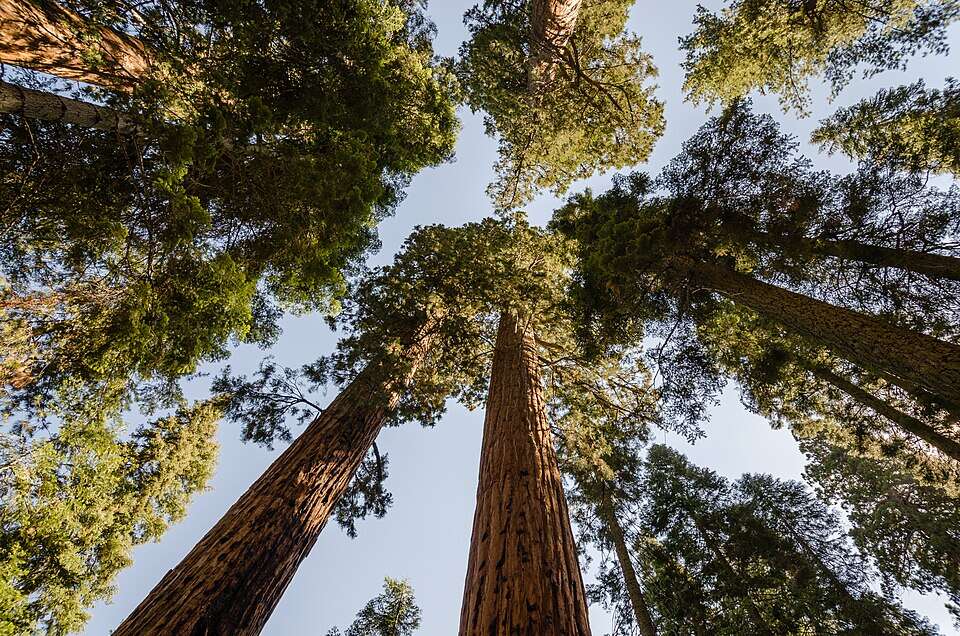
Rows of trees reduce wind speed by acting as natural barriers, protecting crops from damaging gusts and reducing moisture loss from soil. Slower winds also decrease soil erosion by preventing fertile topsoil from being blown away during dry conditions. Snow accumulates more evenly around shelterbelts, providing additional water for crops when it melts in spring.
Contemporary studies of forest ecology still show that appropriately designed protective forests can boost the efficiency of agriculture in arid lands. Forest shelterbelts can enrich the soil with nutrients, create a favourable microclimate for crop cultivation, help prevent desertification, and provide habitat for birds, insects and other animals.
A comprehensive review published in Forestry Research concluded that protective forests remain one of the most effective ecological measures for improving farmland resilience. Researchers found that shelterbelts reduce wind erosion, improve water conservation, enhance biodiversity and support sustainable agricultural production, even as climate change increases the frequency of droughts in many parts of the world.
The Soviet programme rested on a mixture of sound ecological ideas and far more speculative assumptions. While forests can influence local microclimates, scientific evidence does not support the idea that planting tree belts alone can substantially increase rainfall across an entire region.
An unfinished environmental experiment
Construction accelerated during Stalin's final years. Millions of trees were planted, forestry stations were established, and thousands of workers participated in a vast afforestation campaign. However, the programme also faced enormous practical challenges.
Many plantations were established in harsh environments where young trees required years of maintenance before becoming self-sustaining. Limited water, poor planting techniques in some areas, and the influence of politically favoured but scientifically flawed agricultural theories associated with Trofim Lysenko reduced survival rates in several plantations. At the same time, the project's sheer scale made long-term management difficult.
After Stalin died in 1953, Soviet leaders shifted their attention to the Virgin Land Campaign, prioritising land expansion over further development of the shelterbelts. Support for the plan faded, leaving some of the constructed forests incomplete or poorly maintained.
Even though the plan failed, some efforts continued. Some shelterbelts have survived and continue to protect the farmland today. They still help prevent wind erosion, retain moisture in the soil, and provide benefits to the environment. Their survival shows that, although altering the climate was unrealistic, the method itself had scientific value.
Historical research by environmental historian Stephen Brain argues that the Great Plan represented one of the twentieth century's most ambitious attempts to use ecological engineering to solve national problems. Although the political project faded, it left behind a lasting legacy in forestry and environmental planning, demonstrating both the possibilities and the limits of using nature as a tool of state policy.