For a summary of the games industry's failures over the past five years, it would be hard to do better than Embracer Group. The company ballooned in size through ambitious mergers and acquisitions as it worked toward a $2 billion deal, only for that deal to fall through and start a tailspin of layoffs, studio closures, game cancellations, and rights pawning that uprooted the lives of thousands of people, gutted promising projects, and destroyed the company's reputation. New CEO Phil Rogers, who entered the Embracer C-suite near the end of that tailspin after moving from the company's Crystal Dynamics - Eidos group, says it's been a "humbling" experience and hopes to salvage that reputation.
Speaking with The Game Business, Rogers stresses "learnings" from the company's acquisition spree and tacitly acknowledges the enormous debt it ran up. "Funding for any M&A would come through organic cash flows, which is really important to mention," he says. In other words, Embracer isn't necessarily done buying up companies, but any future deals will be clearly and totally funded up front, not tied to, say, a speculative injection of cash.
But how do you recover from the hasty acquisitions that got the company to this point? "There's a lot of reflection on that," Rogers suggests. "How the industry changed, could we not all have predicted this?"
Former CEO Lars Wingefors admitted in May that Embracer has "become closely associated with industry layoffs," with estimates putting its collapse at nearly 8,000 employees cut, over 80 games canceled, and dozens of studios shuttered entirely. He insisted the cuts were not "a hard 'US Corporate style' headcount reduction," but try telling that to the people impacted, not to mention the fans watching their favorite studios and IP disintegrate under mismanagement.
Rogers acknowledges these issues and looks at how Embracer has "had to take some really deep strategic actions at times." He says that's an ongoing process.
"I think we know we're on a journey," he adds. "Internally, it's about getting in front of people, talking more plainly ... I'd hope our trust is improving."
Rogers ponders what you'd hear "if you straw poll 100 people saying, 'What do you think about Embracer?'" Whatever you'd hear, "whatever that score is, I want it to be better in a year, two years, five years."
Likening the company to others who've "had tougher times, and then they've reset and rethink things and they improve," Rogers reasons that "trust with gamers is the key thing," and "in some ways you can restore that trust when you deliver things they enjoy."
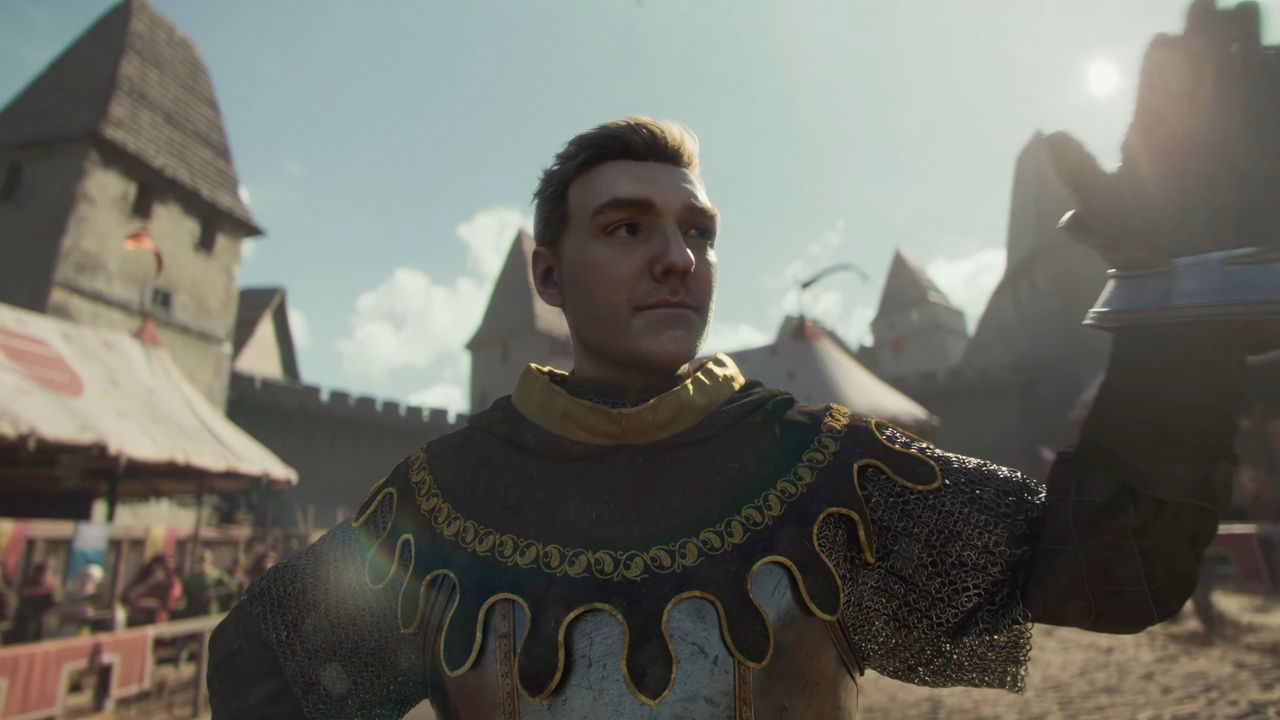
Last month, Rogers spoke on the newly announced Kingdom Come: Deliverance 2 follow-up coming alongside the Lord of the Rings RPG also in the works at studio Warhorse. (Embracer owns THQ Nordic as well as Deep Silver, which published KCD2.) The group will become two separate companies, with new group Fellowship Entertainment coming in 2027 and overseeing IP like The Lord of the Rings and Tomb Raider.
Rogers hopes people will come to "look forward to our next release, that it'll be a mark that people say, 'Yeah, these guys, they deliver. I played the last game and it was a lot of fun.' That they understand that we are really centered around some of the IP they want to be around, they want to play."
Another example from November: Barely 4 years after buying them, Embracer Group sells Remnant publisher and Star Trek Online developer in a deal that'll net it $30 million.