The African Union set on Tuesday a deadline for Sudan’s military rulers to hand over power to a civilian-led transitional authority.
It gave the Transitional Military Council 60 days to meet the demands of popular protests that culminated in the military’s ouster of longtime ruler Omar al-Bashir on April 11.
In a statement, the AU said it noted “with deep regret” that the military had not stepped aside and handed power to civilians within a 15-day period set by the AU last month.
The 60 days were a final extension for the 10-member council to hand over power to civilians, the AU said.
Separately, Sudan's main opposition chief on Wednesday warned protest leaders against any provocation of the country's army rulers, saying they will soon hand power to a civilian administration as demanded by demonstrators.
The call by Sadiq al-Mahdi, chief of Sudan's opposition National Umma Party, comes amid a deadlock in talks between the protest leaders and the army council on forming a joint civilian-military body to rule the country three weeks after Bashir’s ouster.
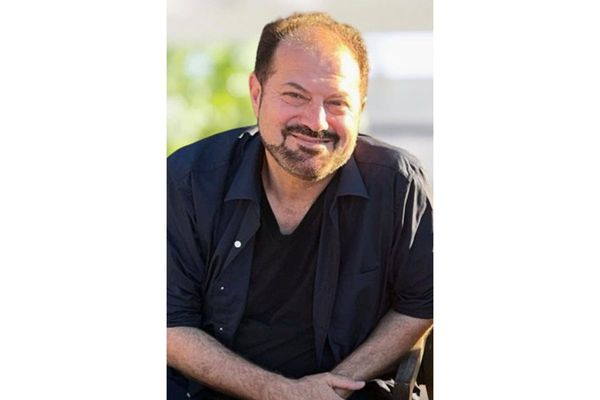
"We shouldn't provoke the army council by trying to deprive them of their legitimacy, deprive them of their positive role in the revolution," Mahdi, 84, told AFP in an interview at his residence in Omdurman, the twin city of Khartoum across the Nile.
"We must not challenge them in a way that makes it necessary for them to assert themselves in a different way," the veteran politician said.
Mahdi's elected government was toppled by Bashir in a coup in 1989. The former premier fought Bashir politically, and in January threw his weight behind the protest movement.
The army has resisted transferring power to a civilian government as demanded by the protesters, who have camped in their thousands outside its Khartoum headquarters in a round-the-clock sit-in.
The military has been pushing for a 10-member joint civilian-military council including seven army representatives and three civilians.
Protest leaders want a majority of civilians on a 15-member joint council with seven military representatives.