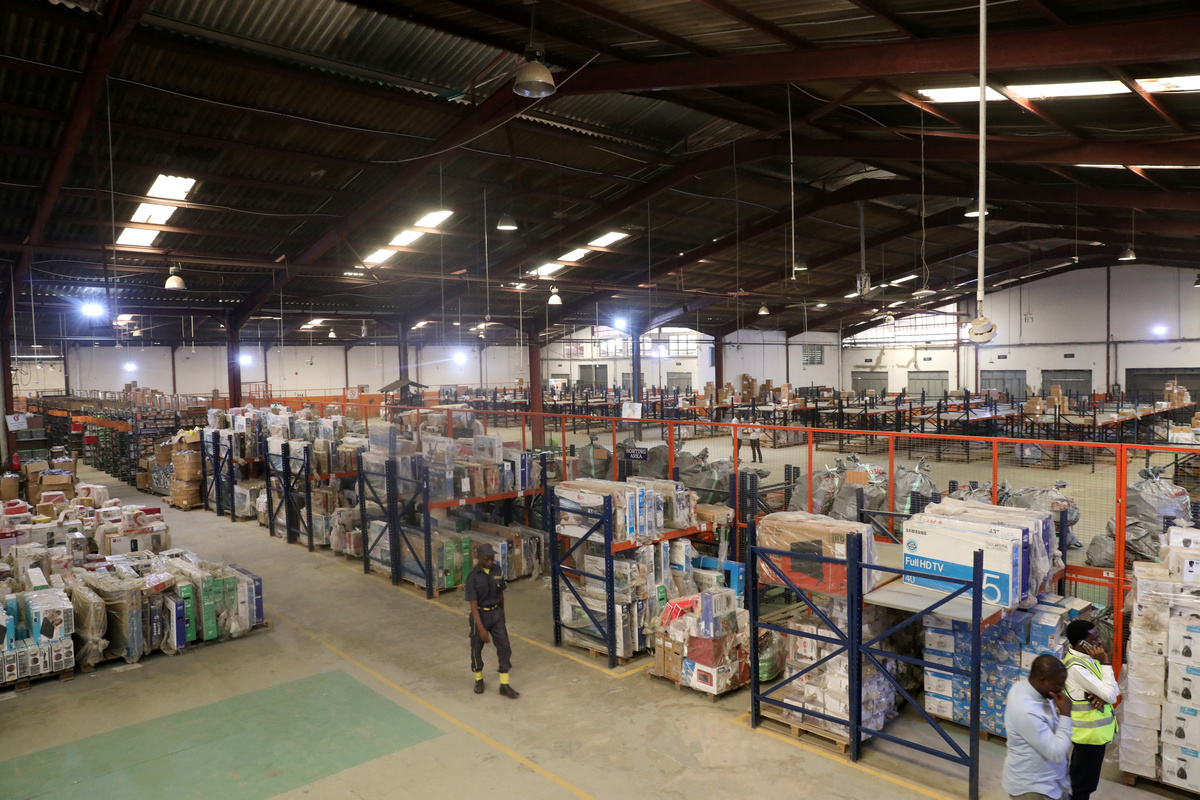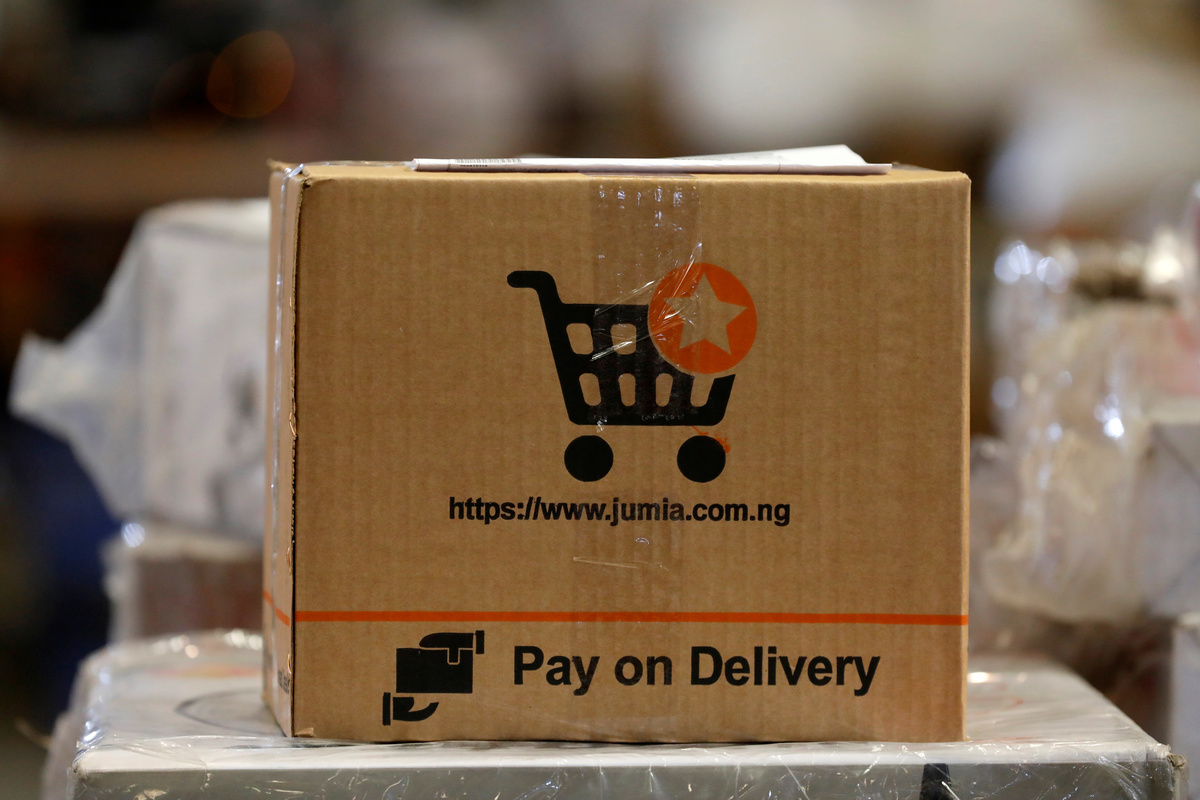
E-commerce unicorn Jumia Technologies, which last year became Africa's first tech firm to list in New York, will focus on proving it can turn a profit after a bruising 2019, one of its co-founders told Reuters.
Jeremy Hodara said the company aims to capitalize on its payment platform and infrastructure network and to boost revenue from services for third-party sellers on its online marketplace.
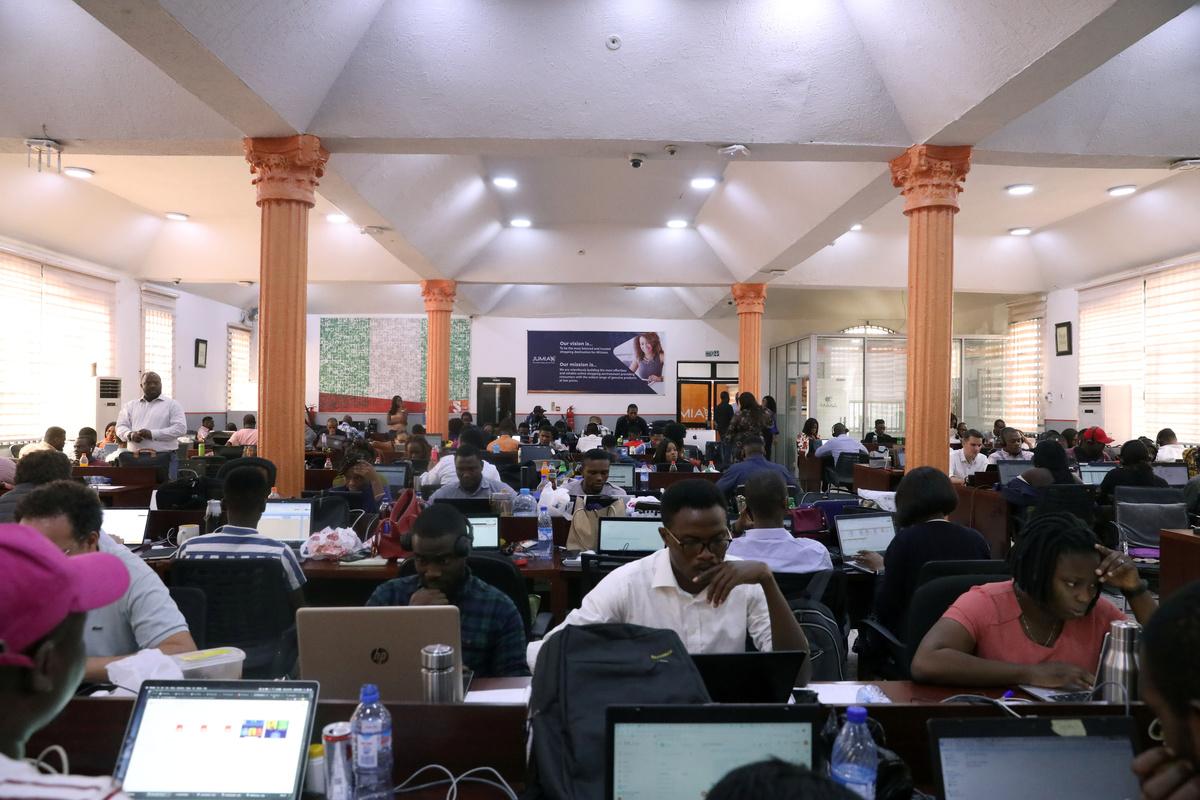
"We're going to be extremely disciplined and very focused on our path to profitability," Hodara told Reuters on Tuesday at the company's office in Lagos.
Jumia, which hit a peak value of close to $4 billion, has seen its shares fall by nearly 70% since its IPO last April.
They tumbled after short-seller Citron Research cast doubt on its sales figures, which dealt a major blow to investor confidence.

(Graphic: Jumia Shares Battered After IPO - https://fingfx.thomsonreuters.com/gfx/ce/7/8221/8202/Jumia.png)
Late last year, it shut its e-commerce service in Cameroon and Tanzania and halted food delivery in Rwanda. Hodara declined to say whether more markets could face the axe.
Its third-quarter adjusted EBITDA loss widened to 45 million euros, up nearly 27% from a year earlier, and as it burned through cash, analysts warned that raising more could be a challenge.

"Clearly it's a bit uphill, but I think in the end if investors believe they're going to make money on the story, they're going to buy into it," said Sarah Simon, senior analyst at Berenberg. "But they have to prove themselves."
Hodara declined to comment on whether Jumia planned to seek more outside cash, but said that as the business scaled up, costs would come down. Improvements to its algorithms were also helping, he said.
JumiaPay, the company's online payment platform, is a key part of the growth plan, Hodara said. The company is interested in making it and its logistics network available to third-parties, even those not selling on its e-commerce platform.
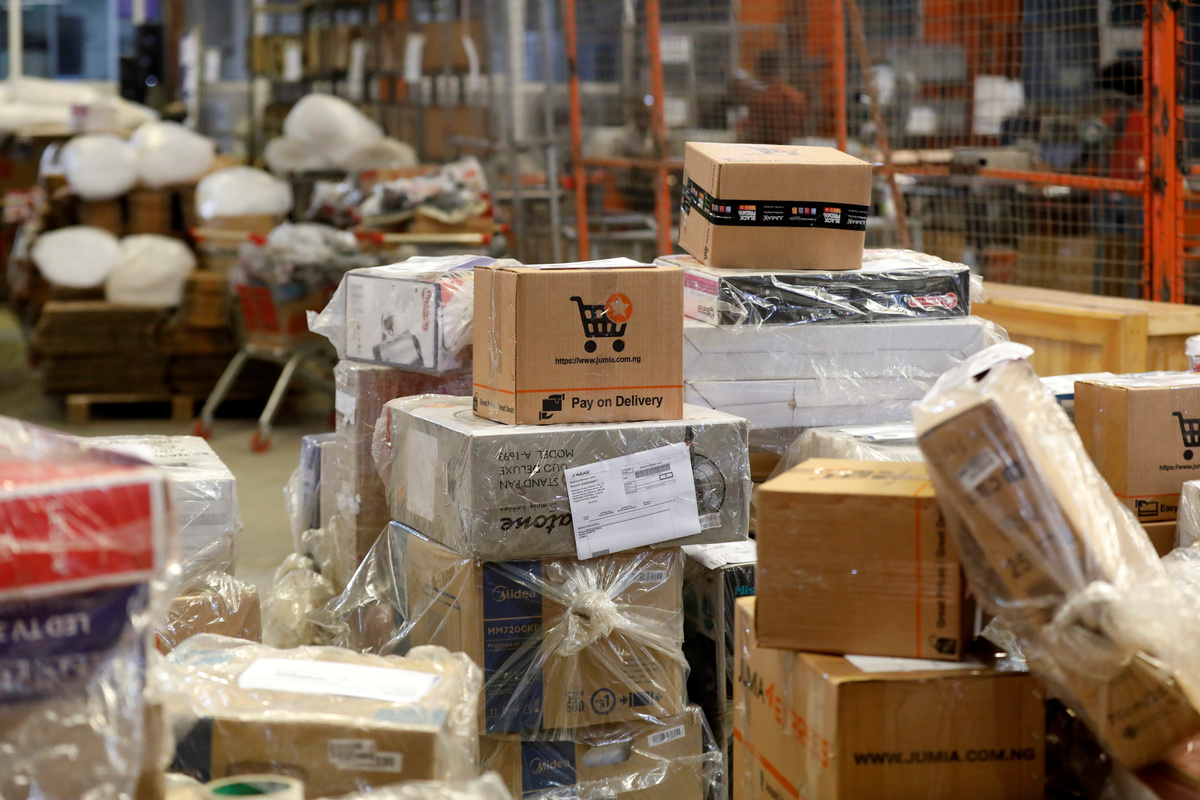
Jumia has tested this on a small scale, but said widespread access - where, for example, an individual could drop a package at a Jumia hub in Lagos and have it delivered to a friend in Nairobi - could come eventually.
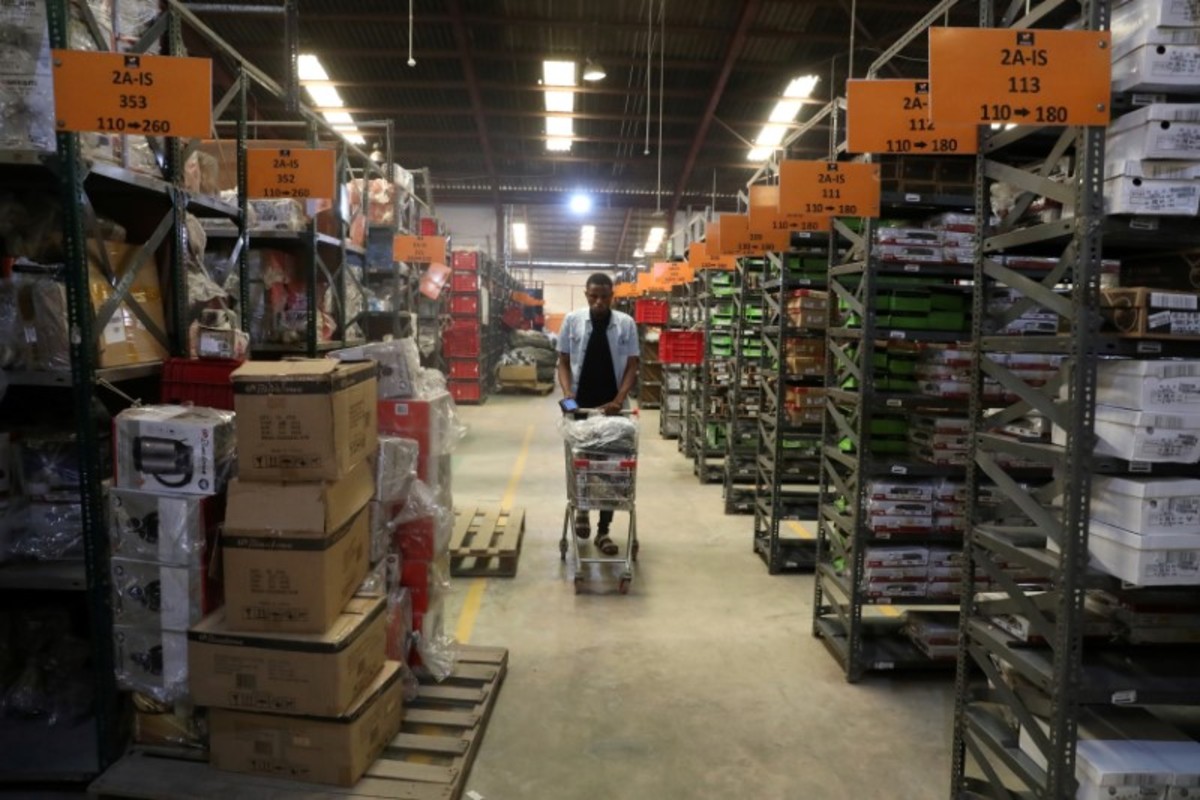
"We have a very significant footprint of physical locations across the continent where we can inject packages and parcels and distribute it. That's unique," Hodara said.
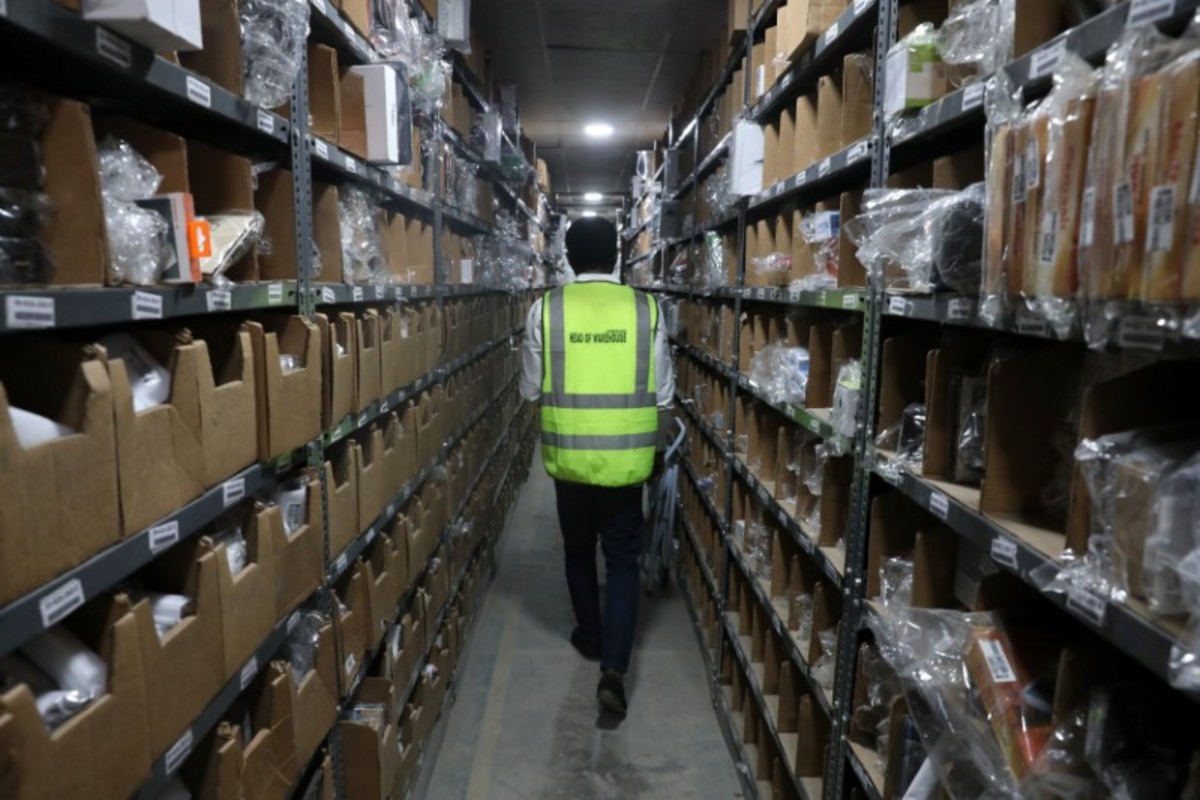
In the near term, the company is also looking to increase the extra services it offers to sellers, for a fee, in addition to the warehouse space, marketing services and search engine optimisation it already offers.
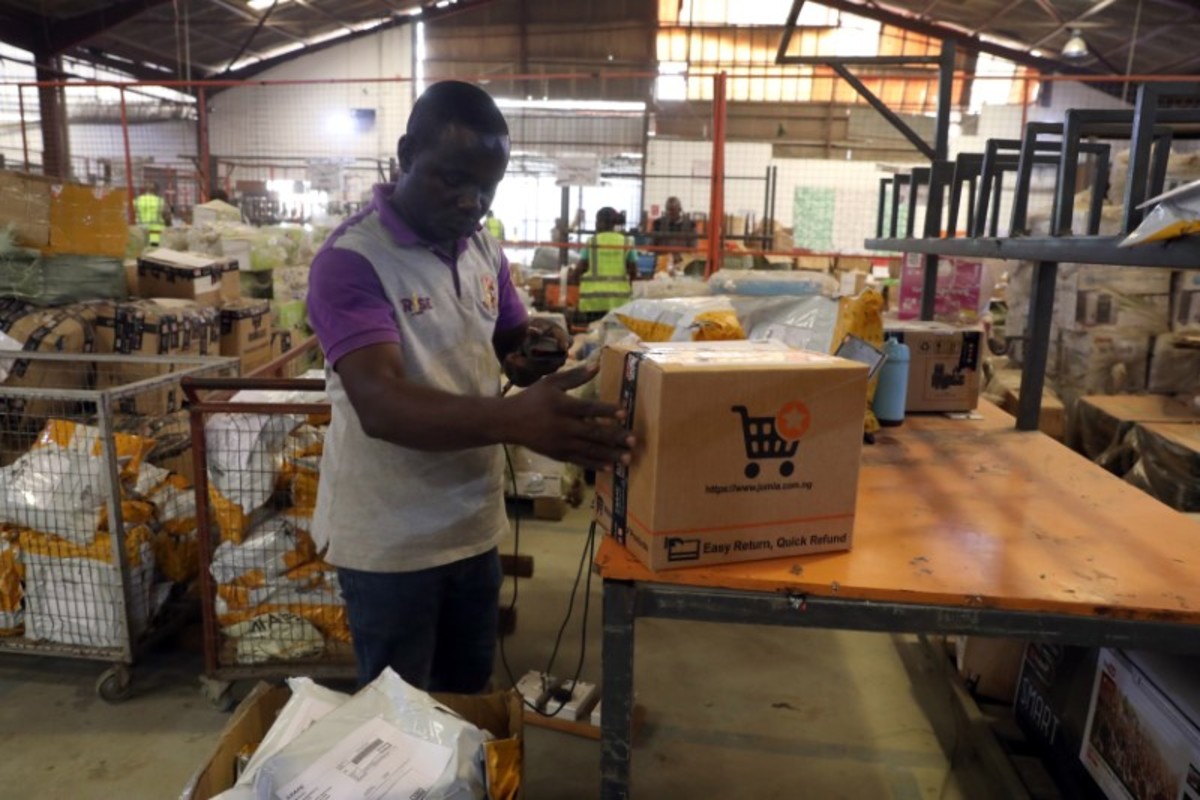
"A fantastic world would be a world where you have zero commission as a seller...and your entire monetisation is made out of additional services you sell to the sellers," he said.
(Reporting by Libby George; editing by Joe Bavier and Jason Neely)