Get all your news in one place.
100’s of premium titles.
One app.
Start reading
The Guardian - UK
The Guardian - UK
World
Another Africa, part of the Guardian Africa Network

African art exhibitions in April – in pictures

african art: Adolphus Opara, Orisa Lajoomi [diety of children] – Mrs. Ogunremi Lekun
Lagos, Centre for Contemporary Art: Emissaries of an Iconic Religion is the first major solo exhibition in Nigeria of Lagos-based photographer Adolphus Opara. The work offers a compelling photographic portrayal of the custodians of indigenous religious beliefs, pushing the boundaries of contemporary portraiture. Opara highlights some of the tensions between the cultures of animist belief and organised religion.
Photograph: Orisa Lajoomi [diety of children] – Mrs. Ogunremi Lekun by Adolphus Opara. Courtesy of the artist and CCA, Lagos
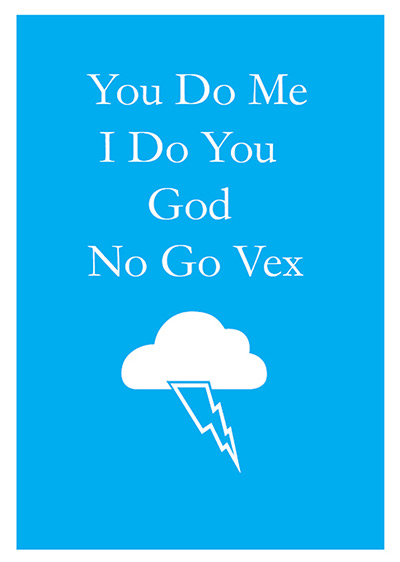
african art: Alafuro Sikoki-Coleman, Nigerianisms, 2010
Lagos, African Artists' Foundation Gallery: Designing Africa: Appropriating Culture, Mediums, and Meanings presents the work of a diverse group of Nigerian artists whose practices span wide spectrums of art and design. They share a particular design sensibility that can be traced back to an interest in process, experimentation, and presentation
Illustration: Nigerianisms, 2010, by Alafuro Sikoki-Coleman. Courtesy of the artist and the African Artists’ Foundation Gallery
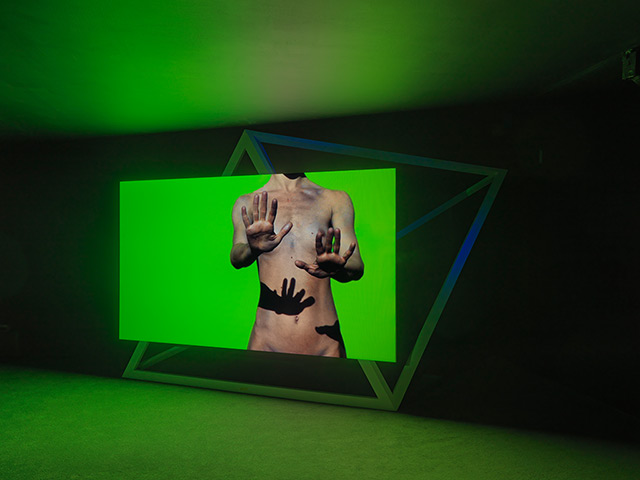
african art: Anja Kirschner & David Panos, Ultimate substance, 2012
Cairo/London, Beirut/Lisson Gallery: The Magic of the State is an exhibition and editorial project taking place in Cairo and in London, featuring different constellations of works by the same artists, including new commissions, and a public programme of performances, talks and screenings
Photograph: Ultimate substance, 2012 (video installation) by Anja Kirschner & David Panos. Courtesy of the artists and Lisson Gallery
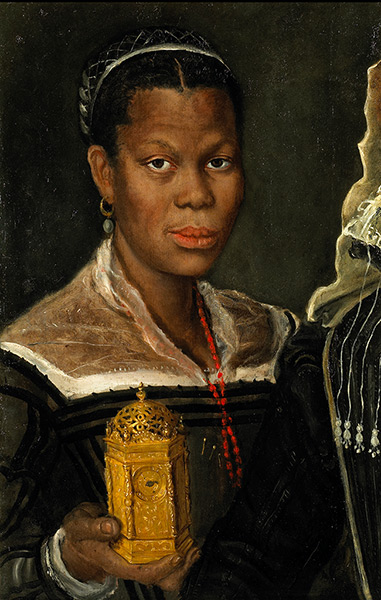
african art: Annibale Carracci Portrait of an African Slave Woman, ca. 1580s
Princeton, Princeton University Art Museum: Revealing the African Presence in Renaissance Europe explores Africans and their descendants in Europe from the late 1400s to the early 1600s and the roles they played in society as reflected in art. The first half examines the historical circumstances as well as the conventions of exoticism that constituted the prism of Africa through which individuals were inevitably perceived. In the second half, attention shifts to individuals, focusing on portraits
Photograph: Portrait of an African Slave Woman, ca. 1580s, Annibale Carracci (Italian, 1560 – 1609). Courtesy of Tomasso Brothers, Leeds, England and the Princeton University Art Museum
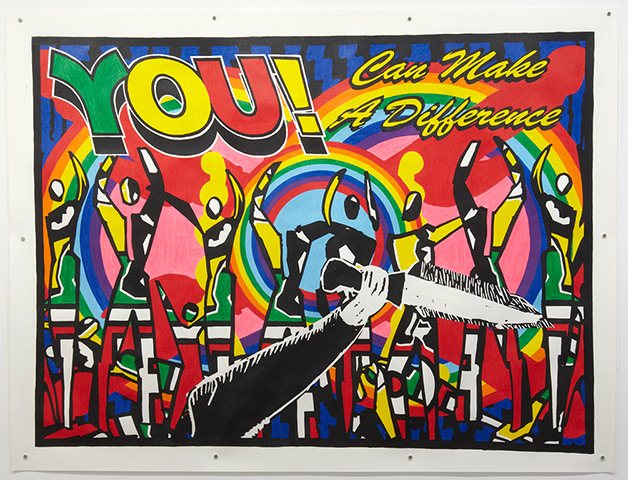
african art: Cameron Platter, Rainbows, 2013
London, Jack Bell Gallery: South African artist Cameron Platter presents Everyday Apocalypse, his first exhibition in the UK. The drawings shown form part of an ongoing series of large-scale documentary work. His drawings interact with transitory subjects and sources considered delinquent, sordid and lowbrow, he reconnoiters notions and concepts on the fringes of popular culture to create a highly edited, transitive, violent, personal, cynical, symptomatic and abstract vision
Illustration: Rainbows, 2013 by Cameron Platter. Image courtesy Jack Bell Gallery
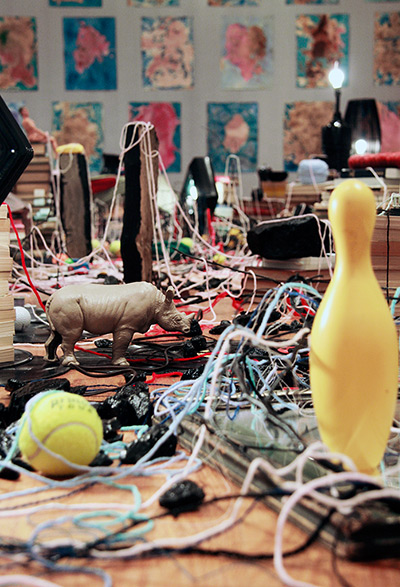
african art: Counterpoints / Moshekwa Langa: Mogalakwenaw, 2013
Champaign, Illinois, Krannert Art Museum: Counterpoints presents the work of artist Moshekwa Langa, who is known for his usage of everyday objects to create whimsical, map-like collages and imaginary landscapes that link disparate things. Langa’s diaristic paintings and assemblages are born of a boyhood fascination with the power of words. Discovering that Bakenberg, the town of his birth (in apartheid-era KwaNdebele 'homeland') was not on the maps he was shown at school, Langa assembled his own map and inserted himself into it
Photograph: Counterpoints / Moshekwa Langa: Mogalakwena, installation view, 2013. Krannert Art Museum, University of Illinois at Urbana Champaign
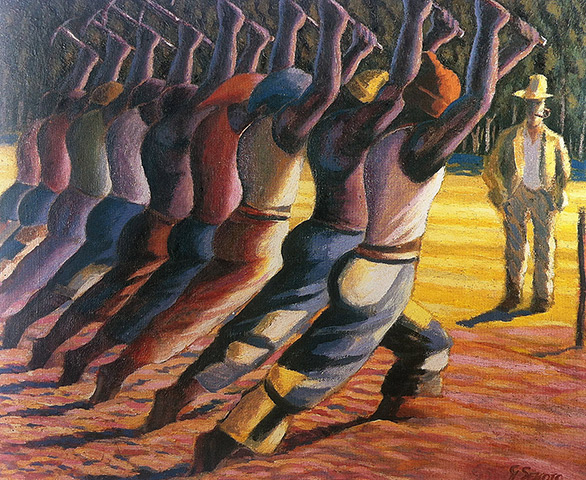
african art: Gerard Sekoto. Song of the Pick, 1947
Johannesburg, University of the Witwatersrand Arts Museum: An exhibition of Gerard Sekoto’s work, to celebrate the centenary of the artist’s birth. Sekoto is considered by many to be the father of South African art, fetching extremely high values on the international art market yet relatively unknown in his birthplace, South Africa
Illustration: Song of the Pick, 1947, by Gerard Sekoto. Signed. Oil on Canvas-Board. Courtesy of the BHP Billiton Collection
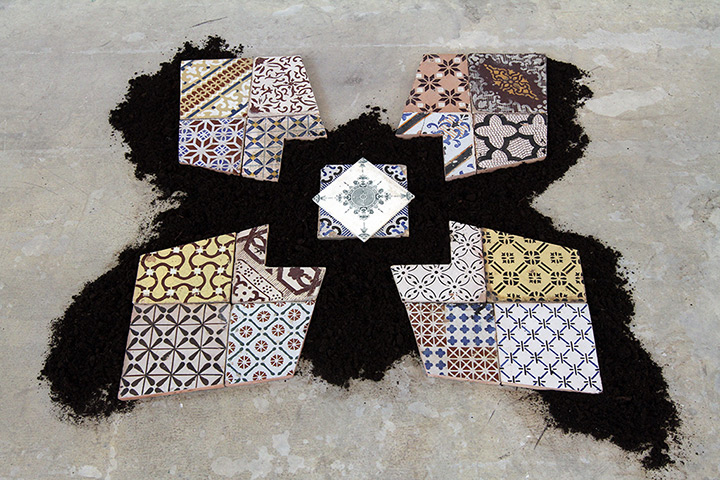
african art: Gabriella Ciancimino, Liberty Fleurs
Mulhouse, La Kunsthalle Mulhouse: Sous nos yeux (Before our eyes), is a three-part project featuring works by Adel Abdessemed, Gabriella Ciancimino, Badr El Hammami, Pedro Gómez-Egaña and Younès Rahmoun, and the group LMDP (l’Autre moitié du paysage) in collaboration with social activists and cultural groups. The series brings together artists, researchers and professionals from the art world and other areas of the humanities, placing artworks within the context of society’s other forms of creative production
Photograph: Liberty Fleurs (Project Le jardin de la Résistance), 2013 - detail, by Gabriella Ciancimino. Courtesy of the artist and L’appartement 22. © La Kunsthalle Mulhouse
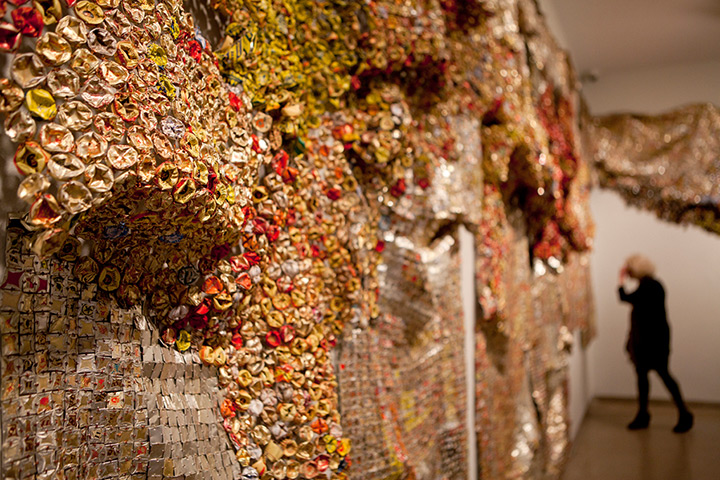
african art: Gravity and Grace, Monumental Works by El Anatsui
New York, The Brooklyn Museum: Gravity and Grace: Monumental Works by El Anatsui features more than 30 works in metal and wood that transform appropriated and found objects into site-specific sculptures. Anatsui is captivated by his materials’ history, which reflects his own nomadic background
Photograph: Gravity and Grace, Monumental Works by El Anatsui (installation view), 2013. Courtesy of the artist and Jack Shainman Gallery, New York
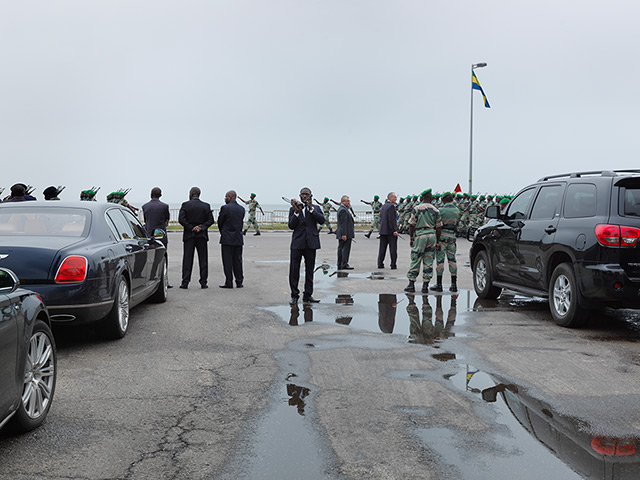
african art: Guy Tillim, Independence Day celebrations
Johannesburg, Stevenson Gallery: Libreville, a body of new work by Guy Tillim, features images taken in the capital of Gabon in 2012, drawing on the formal and aesthetic concerns of his Second Nature series as well as the ongoing interest in power and ideology in Africa that informed his Avenue Patrice Lumumba and Congo Democratic series. The irony of the name of the city, with its complicated relationship to autocracy and democracy, permeates Tillim’s images of this urban landscape, as do the markers of power that recur throughout his work
Photograph: Independence Day celebrations, Boulevard de l’Indépendance, 2012, by Guy Tillim. ©Guy Tillim. Courtesy of Stevenson, Cape Town and Johannesburg
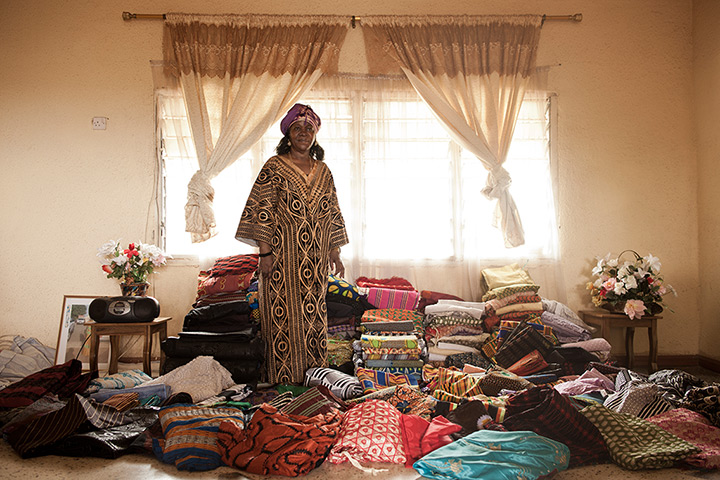
african art: Hollandaise : A Journey into an iconic fabric
Dakar, Raw Material Company: Hollandaise: A Journey into an Iconic Fabric looks at the long-standing economic relation between the Netherlands and the African continent. First shown last November in the Netherlands at Stedelijk Museum Bureau Amsterdam, the exhibition now travels to Dakar
Photograph: The Currency of Ntoma (fabric), two-channel video projection, 2012 (video still) by Godfried Donkor. Courtesy of the artist and Raw Material Company
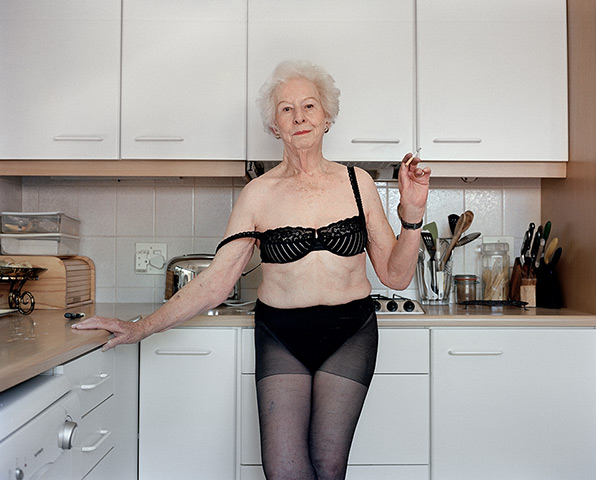
african art: Jodi Bieber, Claire, 2008. From the series, Real Beauty
Goch. Museum Goch: Between Darkness and Light features close to 100 photographs by award-winning photographer Jodi Bieber. The earlier works, in particular, bring together images that reveal a strained shift between Bieber’s work for magazines and newspaper, and her personal work in the decade following the advent of democracy in South Africa
Photograph: Claire, 2008, from the series, Real Beauty by Jodi Bieber. Courtesy of Goodman Gallery
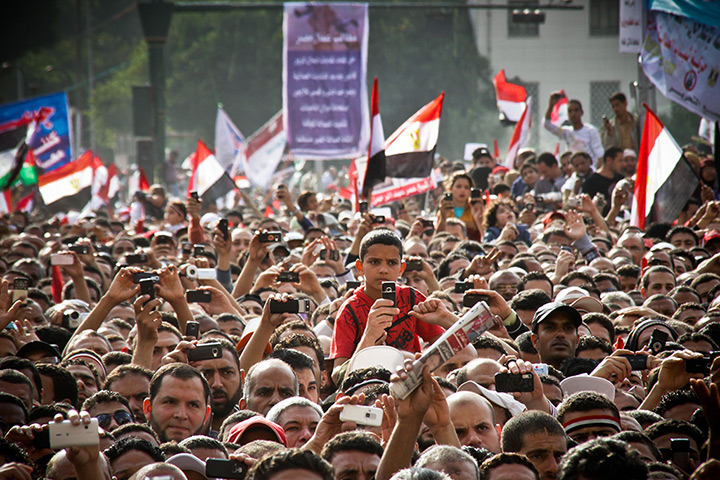
african art: Mosa’ab Elshamy, Protestors during a speech, Tahrir Square, Cairo
Essen, Museum Folkwang: Cairo. Open city. New testimonies from an Ongoing Revolution is an experimental, continually regenerative group exhibition project which offers insight into the freedom movement underway in the Arab world and also seeks to write a new chapter in the history of images
Photograph: Protestors during a speech, Tahrir Square, Cairo, April 8, 2011, by Mosa’ab Elshamy. © Mosa’ab Elshamy. Courtesy of Museum Folkwang
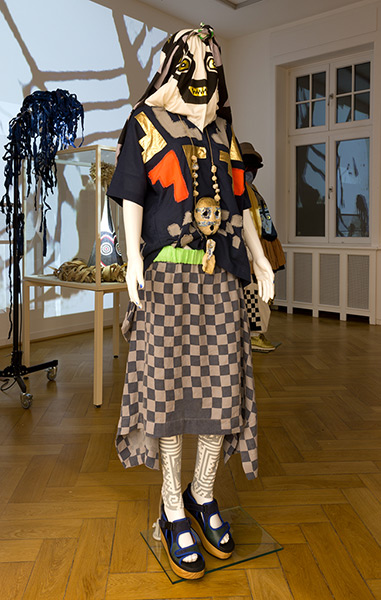
african art: P.A.M. / Perks and Mini, Trading Style, 2013
Frankfurt: Weltkulturen Museum: What does fashion tell us about society? How do styles travel and mediate identity? In a dialogue between the past and future worlds of fashion, Trading Style – Weltmode im Dialog presents more than 500 historic objects, photos and films from the Weltkulturen Museum’s ethnographic collection next to new clothing and accessories designed by four contemporary fashion labels: A Kind of Guise (Germany), Buki Akib (Nigeria), CassettePlaya (Great Britain) and P.A.M./ Perks and Mini (Australia)
Photograph: Design by P.A.M./ Perks and Mini, Trading Style, 2013 – exhibition view. Wolfgang Günzel. Courtesy of the Weltkulturen Museum
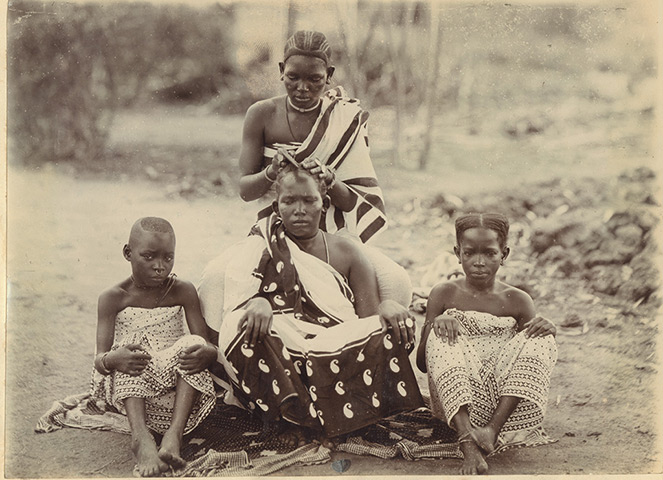
african art: Women of the E. Coast. Africa. Tanzania, late 19th century
New York, The Walther Project Space: Poetics & Politics, is the third and final edition to the series Distance and Desire: Encounters with the African Archive, curated by Tamar Garb. Poetics and Politics presents an extraordinary range of previously unseen vintage portraits, cartes de visite, postcards, and album pages from southern and eastern Africa, produced from the 1870s to the early 20th century. The exhibition highlights both the ideological frameworks that prevailed during the colonial period in Africa and the exceptional skill of photographers working in the studio and landscape
Photograph: Tanzania, late 19th century, Inscribed: “Women of the E Coast Africa", unidentified photographer. Walther Collection
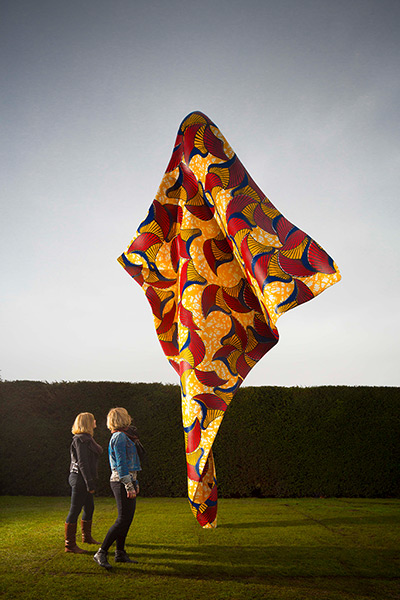
african art: Yinka Shonibare MBE, Wind Sculpture, 2013
Wakefield, Yorkshire Sculpture Park: Fabric-ation, the first major UK survey of works by Yinka Shonibare, takes place outdoors and in three of Yorkshire Sculpture Park’s indoor galleries. The show features more than 30 works, including sculpture, film, photography, painting and collage, with many never before seen in the UK
Photograph: Wind Sculpture, 2013, by Yinka Shonibare. Jonty Wilde. Courtesy of Stephen Friedman Gallery, London and James Cohan Gallery, New York
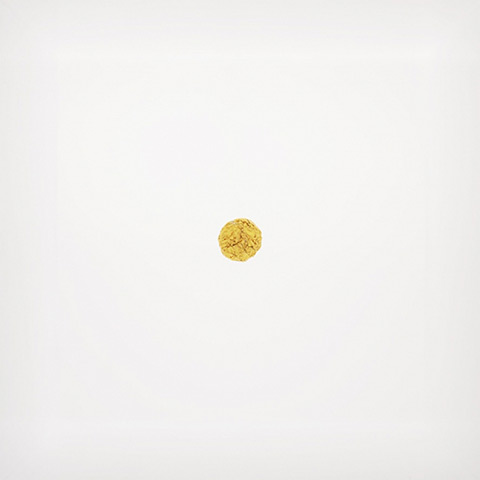
african art: Younès Rahmoun, Darra Dahab, 2012
London, Tiwani Contemporary Gallery: Darra is interdisciplinary artist Younès Rahmoun’s first solo exhibition in London. The show, a series of photographic enlargements, explores spiritual transcendence by transforming everyday materials such as chocolate wrappers, pieces of worn blankets, and scraps of electric cable into miniature spheres
Photograph: Darra Dahab, 2012, by Younès Rahmoun. Courtesy of the artist and Galerie Imane Farès
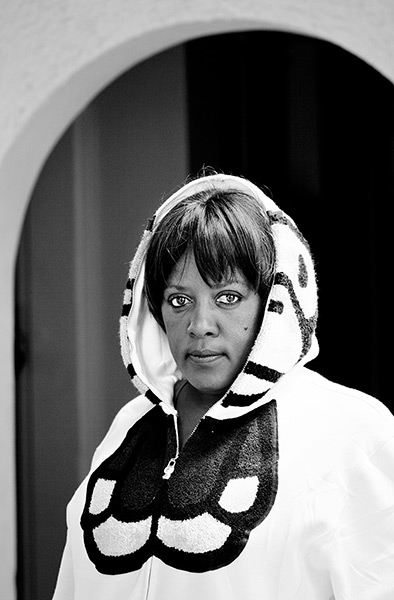
african art: Zanele Muholi, Faces and Phases seriesAudrey Mary, Harare, Zimbabwe, 2011
New York, Yancey Richardson Gallery: Celebrated South African artist Zanele Muholi presents Faces and Phases in her first solo exhibition in the United States. The ongoing photographic series presents portraits of black lesbians and transgender individuals in South Africa and beyond. Muholi writes: “In the face of all the challenges our community encounters daily, I embarked on a journey of visual activism to ensure that there is black queer visibility. It is important to mark, map and preserve our mo(ve)ments through visual histories for reference and posterity so that future generations will note that we were here”
Photograph: Audrey Mary, Harare, Zimbabwe, 2011, by Zanele Muholi. Courtesy of Stevenson, Cape Town and Johannesburg
Sign up to read this article
Read news from 100’s of titles, curated specifically for you.
Already a member? Sign in here
Related Stories
Top stories on inkl right now
One subscription that gives you access to news from hundreds of sites
Already a member? Sign in here
Our Picks
Fourteen days free
Download the app
One app. One membership.
100+ trusted global sources.