DNA taken from massive shipments of ivory has been used to identify the three largest wildlife trafficking gangs operating at the height of Africa’s elephant poaching epidemic.
Ivory tends to be shipped around the world from African ports in bulk, and scientists have used genetic evidence gleaned from intercepted batches to reveal their origins.
Led by Dr Samuel Wasser from the University of Washington, they traced a number of these shipments to three cartels operating out of Kenya, Uganda and Togo.
Evidence collected by Dr Wasser has already helped convict ivory kingpin Feisal Mohamed Ali, and as his team joins the dots between shipments they plan to shore up the cases against more of the continent’s most prolific smugglers.
Though the international trade in ivory has been outlawed since 1989, it has continued to grow into an illegal multibillion pound industry that kills up to 40,000 elephants every year.
Using DNA techniques, scientists have been able to identify hotspots across Africa where poachers are operating, but convictions remain rare and insufficient.
“To our surprise, the poachers still remain very hard to stop,” said Dr Wasser.
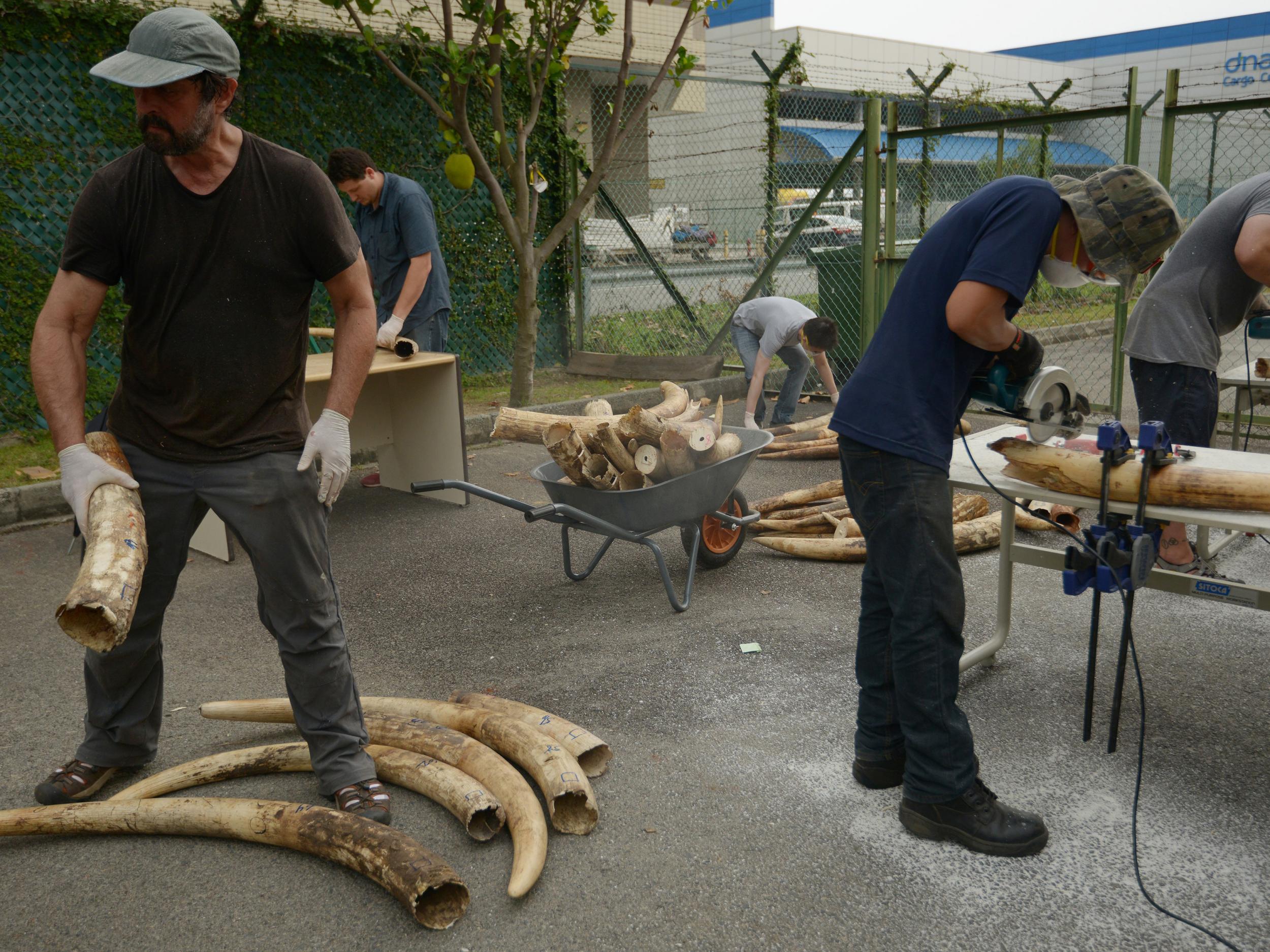
“They operate in large areas that they know really well – and even when they are apprehended they only have as much ivory as they can carry.
“They sell their ivory to the this pyramid of middle men who move it up the crime chain to the ports, where it is consolidated and shipped in large volumes.”
At $25 (£19) per bullet, killing elephants is an expensive business for impoverished poachers. This suggests that these individuals are being supported by large cartels, but this has been hard to prove.
Dr Wasser and his team realised they could help tackle this problem when they found that many tusks being shipped were orphans – they were not being transported with their partner tusk.
The scientists matched partners between different shipments, and compared their data with a DNA map of elephants across the continent obtained from dung samples. This meant they could link tusks both with a geographic origin and other shipments.
Out of the 38 ivory consignments the researchers analysed, covering a three-year peak period for poaching, they matched up 26 pairs of tusks from 11 shipments.
“By linking these matching seizures together like links in a chain, we were able to identify the three largest cartels moving ivory out of Africa during this peak 2011-2014 period,” said Dr Wasser.
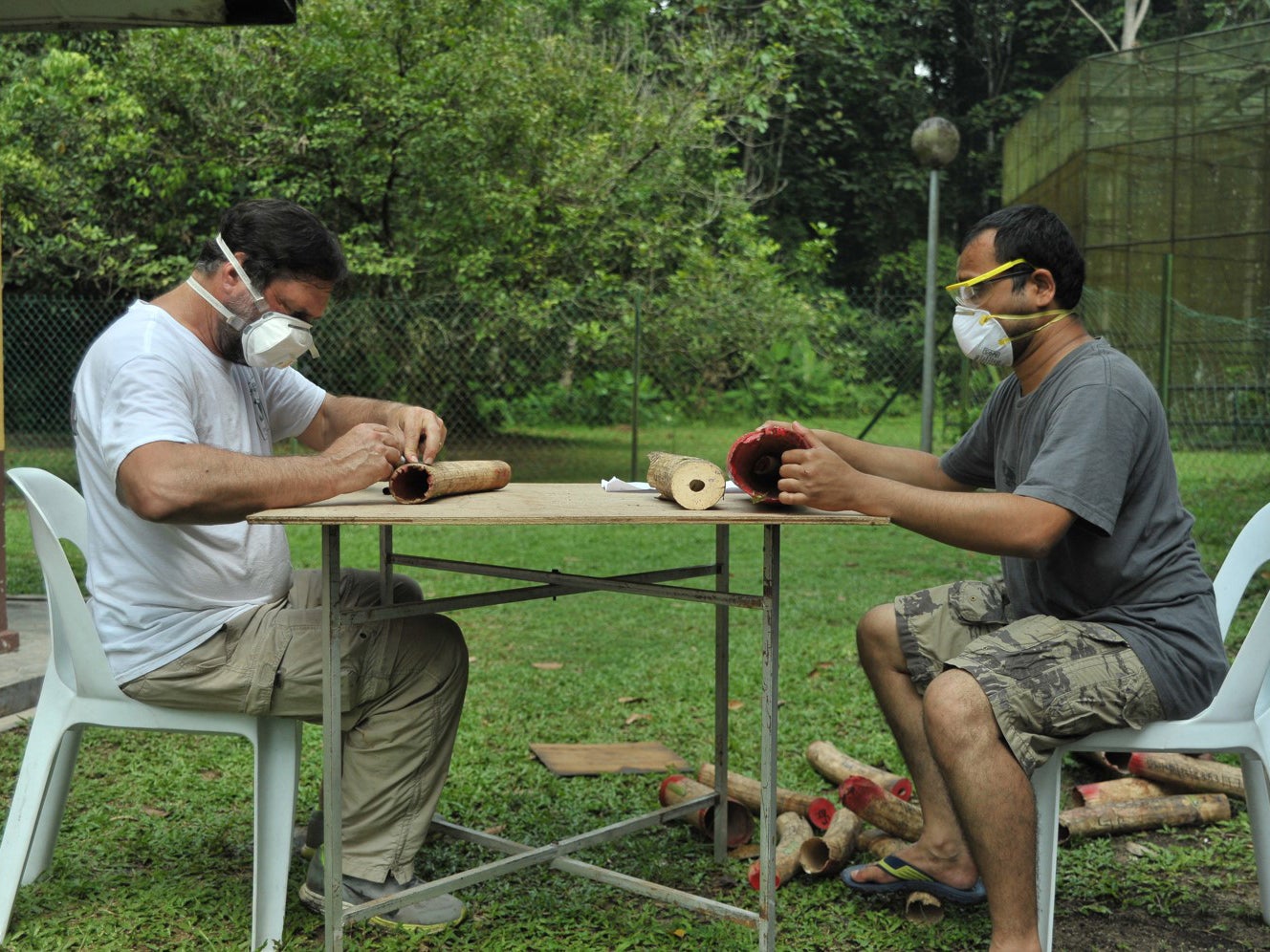
When traffickers are caught, they tend to face charges for a single seizure. This means that criminals who have been caught in the past with the help of Dr Wasser’s genetic evidence – including Ali – have not faced significant sentences or have already been released.
Finding connections between large shipments means law enforcement officials can link individuals to large networks of criminal activity and convict them accordingly.
John Brown, special agent in the US Department of Homeland Security, said with the scientists’ help it has been able to “identify, dismantle and disrupt” the transnational criminal organisations behind this illegal trade.
“The connections through the DNA analysis have facilitated the financial investigations into these transnational criminal organisations, which in the end we hope will help us facilitate recuperating the assets that were illegally gained through their illegal activity,” he said.
Though their work, published in the scientific journal Science Advances, focused on poaching activities earlier this decade, Dr Wasser emphasised its importance in continuing to bring thee criminals to justice.
“It takes a long time to catch these guys, and when you do hopefully we have accumulated a large number of seizures that are relevant to the case,” he said.
“Faisal [Mohamed Ali] is a great example – our data helped convict him and since then they have built a much stronger case against him.”