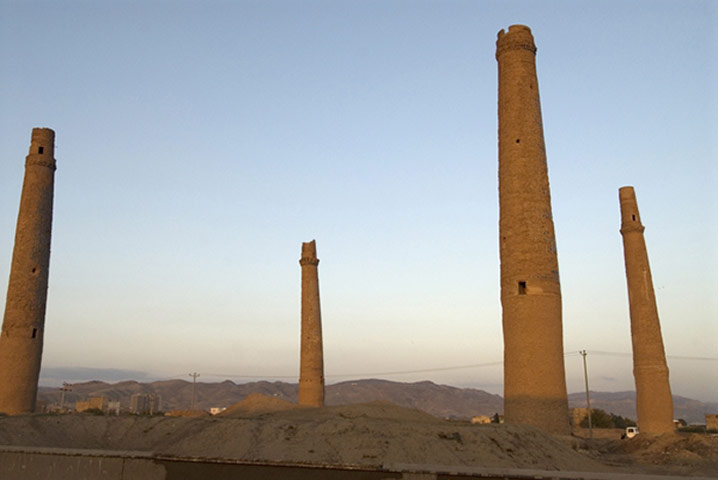
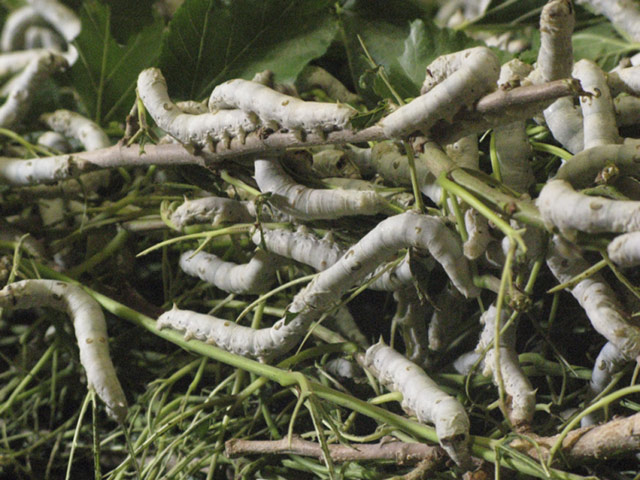
Herat, in north-eastern Afghanistan, was once a stop on the Silk Road and has a long history of silk production. Supply routes and exports of silk were effectively cut off during the Afghan-Russian war of 1979-89, and the industry was further diminished under the Taliban, which refused women access to factory work and educationPhotograph: Sarah Malian/Christian AidWomen have historically been the backbone of the garment and textile industries. The silkworm project, which is focused on widows and households headed by women, and is supported by the European commission, aims to empower women by enabling them to earn their own money Photograph: Sarah Malian/Christian AidRaada distributes silkworms to the women of Herat, where the abundance of mulberry bushes provides the insects with a ready food supply. The silk they produce is harvested and sold by the women, who carefully cultivate the worms by feeding them mulberry leaves and keeping them at a regular temperature Photograph: Sarah Malian/Christian Aid
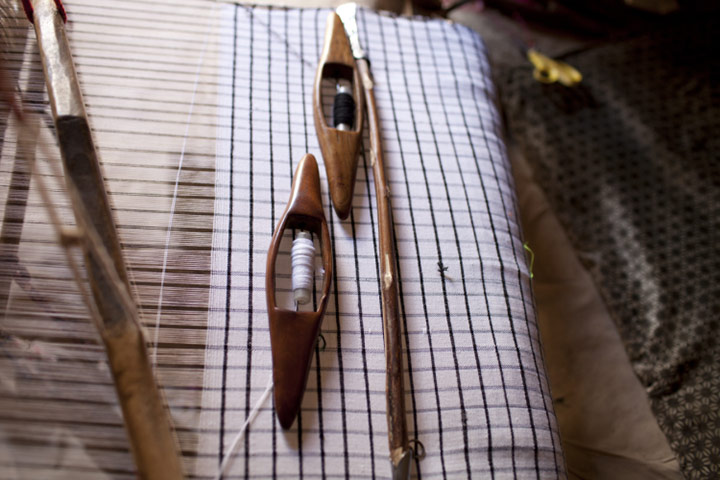
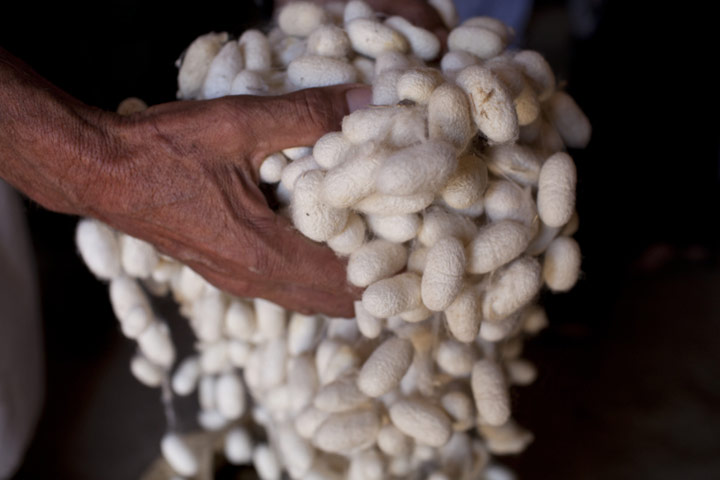
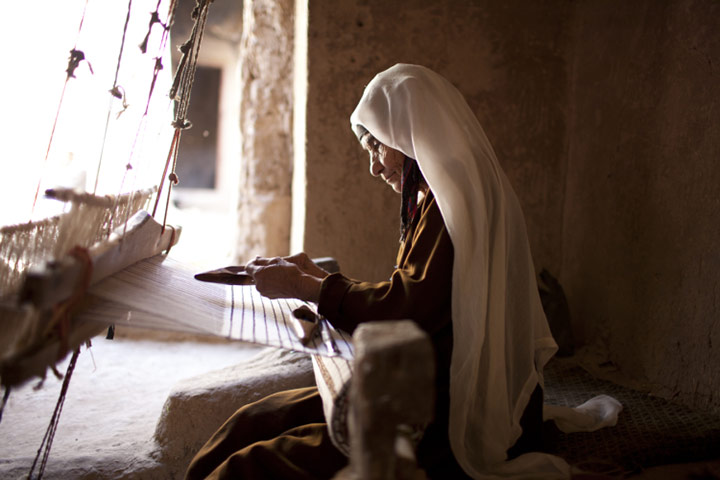
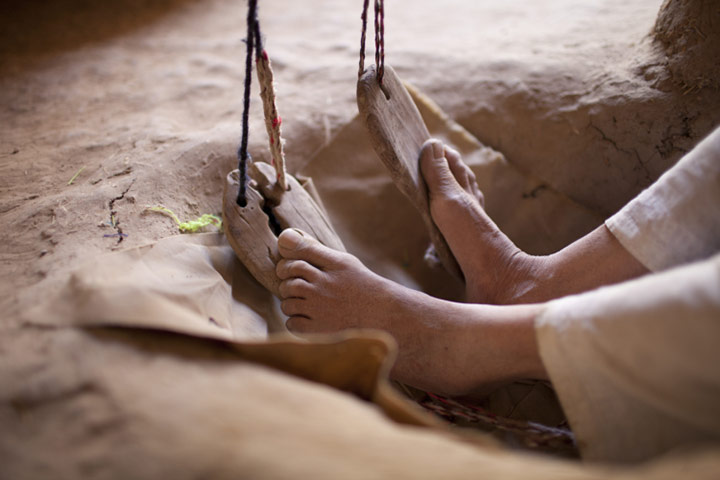
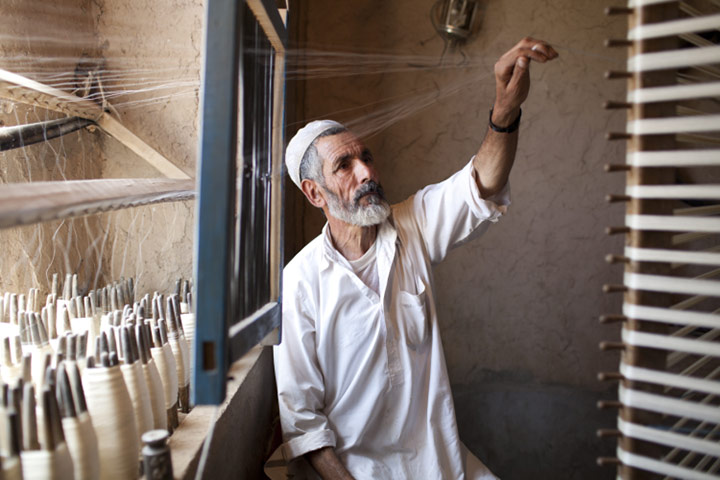
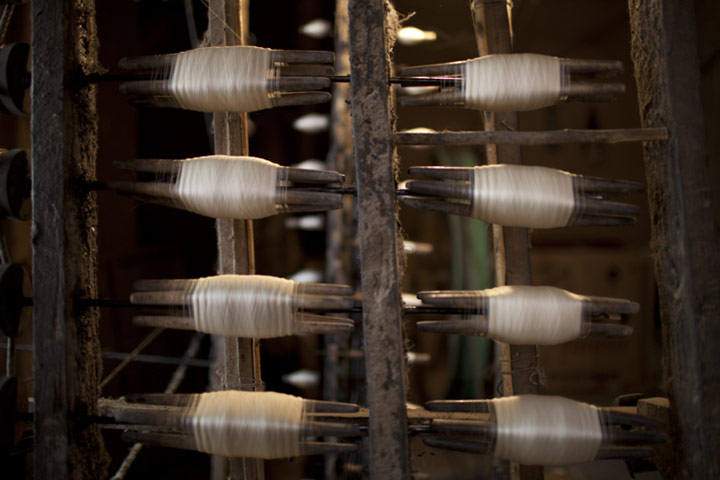
The silkworm spins a cocoon around itself, consisting of silk fibre up to a mile long. Just 8kg of silkworms can become 48kg of silk cocoons. ‘A woman can make $140 twice a year from taking part in this process, which in Afghanistan is a significant amount,’ says Yaqoob Rauf, Christian Aid’s senior programme officer in the country Photograph: Sarah Malian/Christian AidLast year, 70-year-old widow Gul Shah made more than $200 by selling the silk cocoons spun by the silkworms. With the money she made she was able to set up her own business. She buys cotton thread for her loom, which she uses to make tablecloths. The tablecloths are then sold for small profit at the local marketPhotograph: Sarah Malian/Christian Aid‘Before, I would get thread from others and weave it for them, but now I can afford to buy thread myself,’ says Shah. ‘I’m busy working for myself, not working for others. Before, I was only meeting the basic needs of my family, but now I can buy good rice and vegetables, and medicines'Photograph: Sarah Malian/Christian AidAzatullah Amidi, a spinner for more than 30 years, buys silk cocoons from the women, using mechanised equipment, acquired through Raada, to spin the silk. ‘In the past we did the work manually,' says Amidi. 'It took a long time and we couldn’t make a lot of money out of it.' Over the past two years, he has doubled production Photograph: Sarah Malian/Christian AidWhen the silk thread is put on to the bobbins, it is sold in the city and transported to other places like Mazar. Afghanistan's fourth largest city, Mazar was on the old silk route. Today it is an important commercial centre Photograph: Sarah Malian/Christian Aid
Sign up to read this article
Read news from 100’s of titles, curated specifically for you.