Islamabad: Afghanistan-Pakistan transit trade plunges to USD 367 million in the outgoing fiscal year from USD 5 billion in 2021, according to a media report.
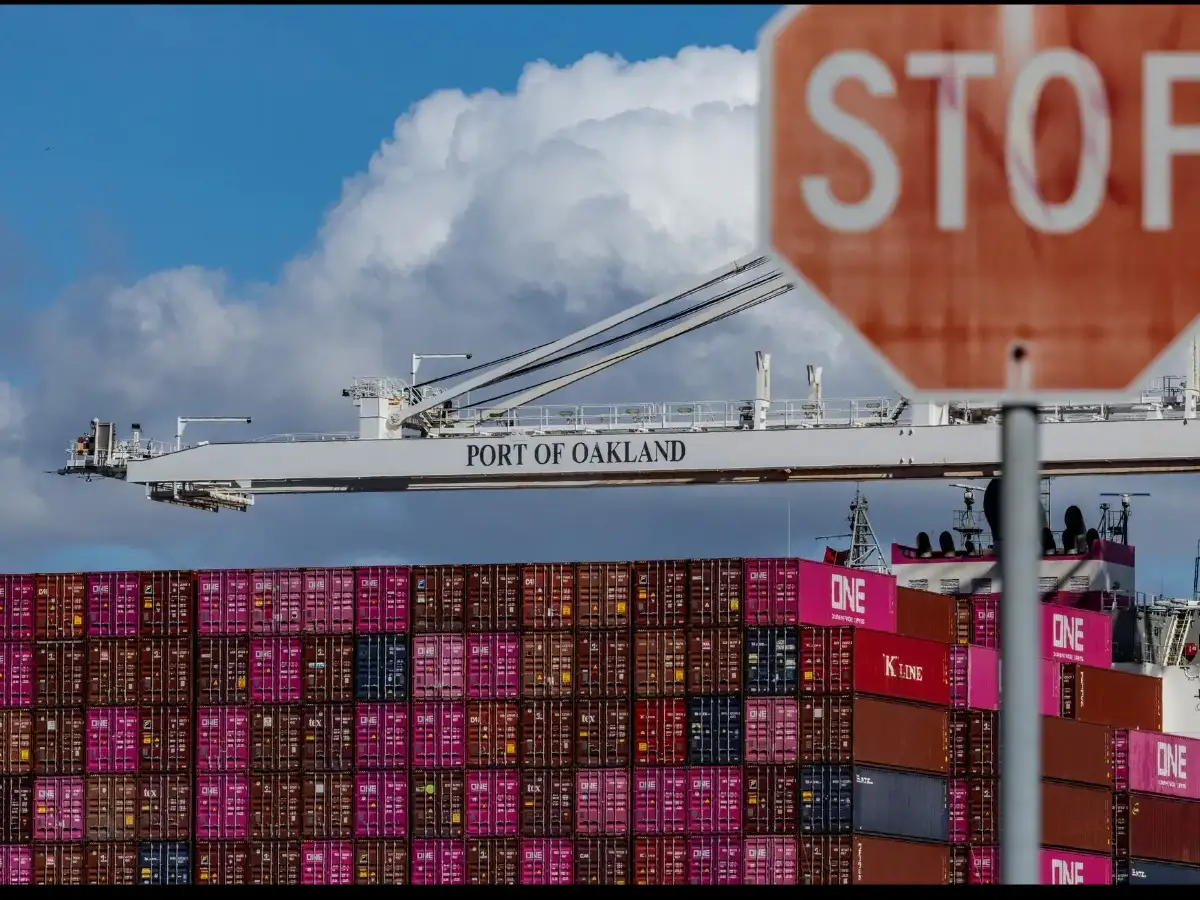
The transit trade between the two countries has suffered one of its steepest declines, plunging to just 11,592 containers worth USD 367 million in FY-26, the Dawn reported on Sunday.
Also read: Pakistan to revise oil prices daily amid renewed West Asia tensions
The trade plummeted from nearly 89,000 containers valued at USD 5 billion before the Taliban returned to power in 2021, as Kabul's growing reliance on Iranian routes increased in recent years, the report said.
Pakistan closed its border with Afghanistan in October 2025 over security concerns, which impacted the transit trade to some extent.
However, the data shows that transit trade had begun losing momentum well before Islamabad implemented restrictions, the report said.
Container traffic increased from about 60,500 containers in FY-17 to nearly 89,000 containers in FY-21, immediately before the Taliban returned to power.
Following the Taliban's return to power, transit cargo via Pakistan initially recovered, with container traffic reaching 1,02,886 and cargo valued at USD 6.7 billion in FY-23.
However, the transit volumes fell to 54,114 containers in FY-24 and 42,959 containers worth USD 1.36 billion in FY25, well before Pakistan closed the border in October 2025.
Also read: Pakistan extends airspace ban for Indian aircraft till August 24
"The border closure did not initiate Kabul's search for alternative trade routes. Rather, it marked the culmination of a strategy the Afghan Taliban had already begun to reduce Afghanistan's dependence on Pakistani ports," the report quoted trade analysts as saying.
This diversion reduced Pakistan's leverage but carried economic costs for Afghanistan.
The higher transport and logistics costs are ultimately passed on to consumers, adding to inflationary pressure.
The burden falls disproportionately on eastern and southern Afghanistan, particularly Pakhtun communities that have traditionally relied on Pakistani goods and cross-border commerce, the report said.
Reduced commercial activity has also translated into fewer employment opportunities and lower household incomes on both sides of the border, according to Dawn.