Afghanistan: One of the army's most dangerous jobs
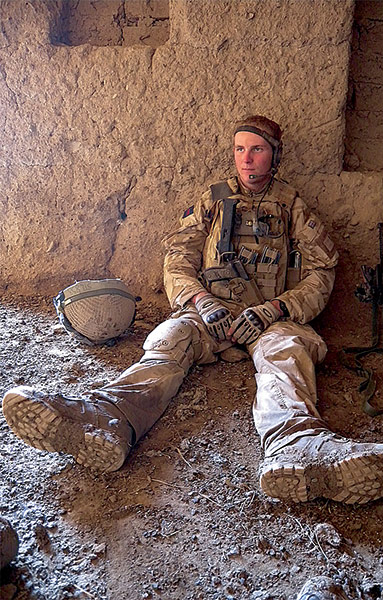
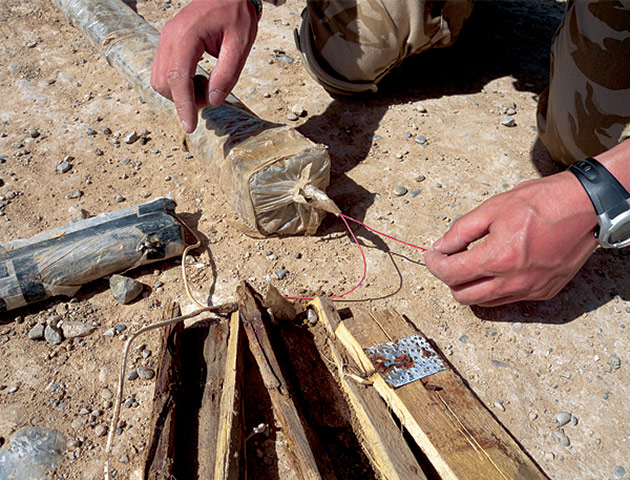
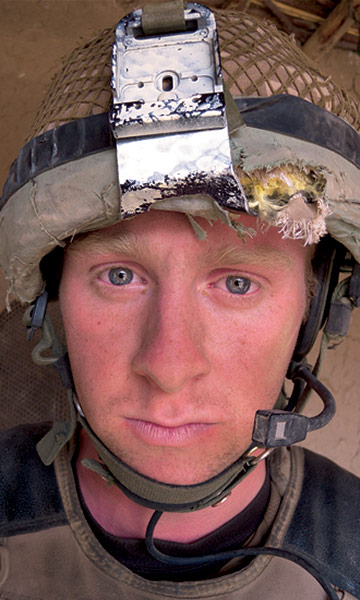
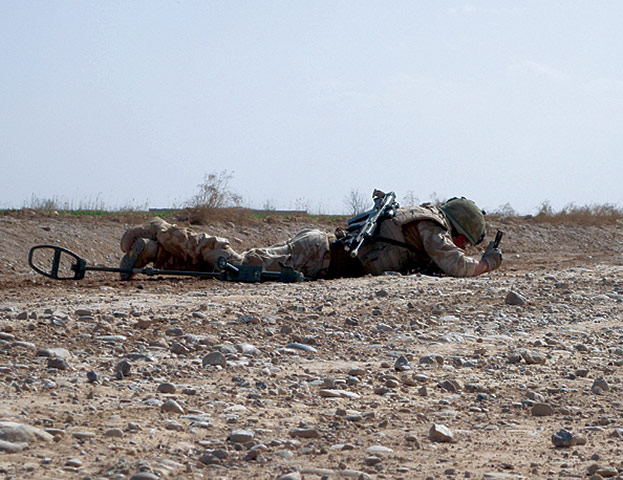
The last five years have seen a sharp increase in the use of IEDs (improvised explosive devices) in Afghanistan. According to figures leaked last month, the number of IEDs increased from 308 in 2004 to 7,155 last year; a total of 16,000 were planted in those five years, killing at least 7,000 Afghan civilians. Guardsman James 'Steveo' Stephenson (pictured) is “Vallon Man”. The Vallon is the metal detector used to sweep for bombs. Photograph: Stuart WebbStaff Sergeant Gareth ‘Woody’ Wood inches from a bomb. It takes eight to 10 years to train a bomb disposal specialist to the standard required to work in Helmand – longer than a doctor or a barrister – and among candidates there’s only a 14% pass rate. Photograph: Stuart WebbLance Corporal Tom McGuffie, 20, who was shot in the helmet during an ambush. He is lucky to be alive. Outgunned by Nato’s superior firepower, the Taliban have changed tactics. They are fighting the war with IEDs and hit-and-run attacks. Photograph: Stuart Webb
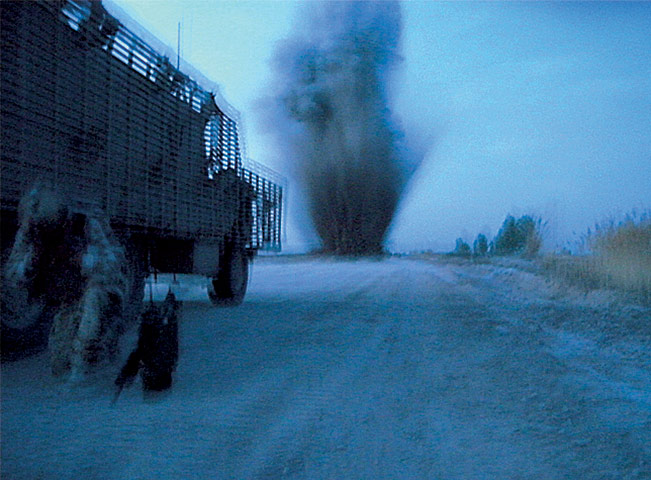
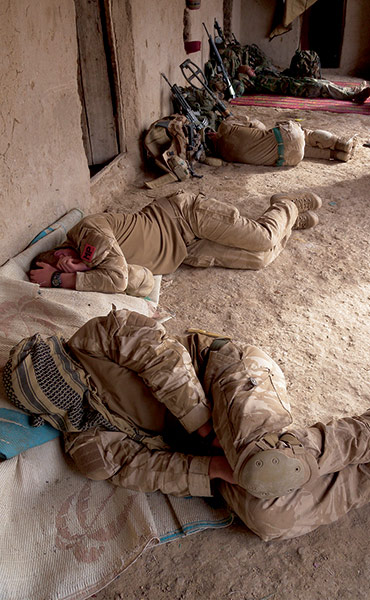
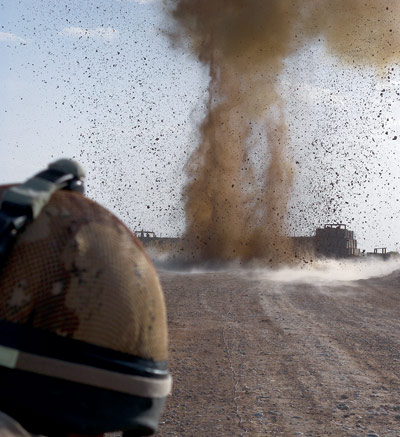
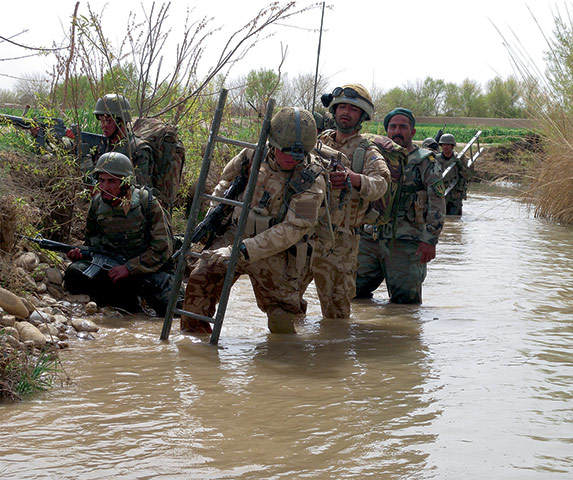
Detonating the last IED of the day – the team had been working nonstop for 12 hours. Usually, when soldiers call in an IED find, the exact location is unclear, and there may be other IEDs in the area. A Royal Engineers search team goes in first, to identify and confirm the location of the IED, and to find a safe path for the bomb disposal specialist to reach it. Photograph: Stuart WebbSoldiers sleeping rough in between ambushes. 'In Northern Ireland during the Troubles, you might do five or six [IEDs] in a whole six-month tour,' Staff Sergeant Gareth Wood says. 'You can do that in a day in Helmand.'Photograph: Stuart WebbDetonating the biggest IED of the day. The bomb disposal teams are very small and close-knit. Any loss or injury is a terrible blow to such a small community. Photograph: Stuart WebbColdstream Guards use rivers and ditches as cover from ambushes. In one three-day patrol they are ambushed 20 times.Photograph: Stuart WebbA member of the Royal Engineers search team looks for an IED. Bomb disposal experts are a prime target for the Taliban; the bomb-makers are constantly devising new methods to catch them out. In October last year, Staff Sergeant Olaf Schmid was killed on the final day of his tour, while diffusing his 65th bomb.
Stuart Webb is a journalist with Channel 4 News. Photograph: Stuart Webb
Sign up to read this article
Read news from 100’s of titles, curated specifically for you.