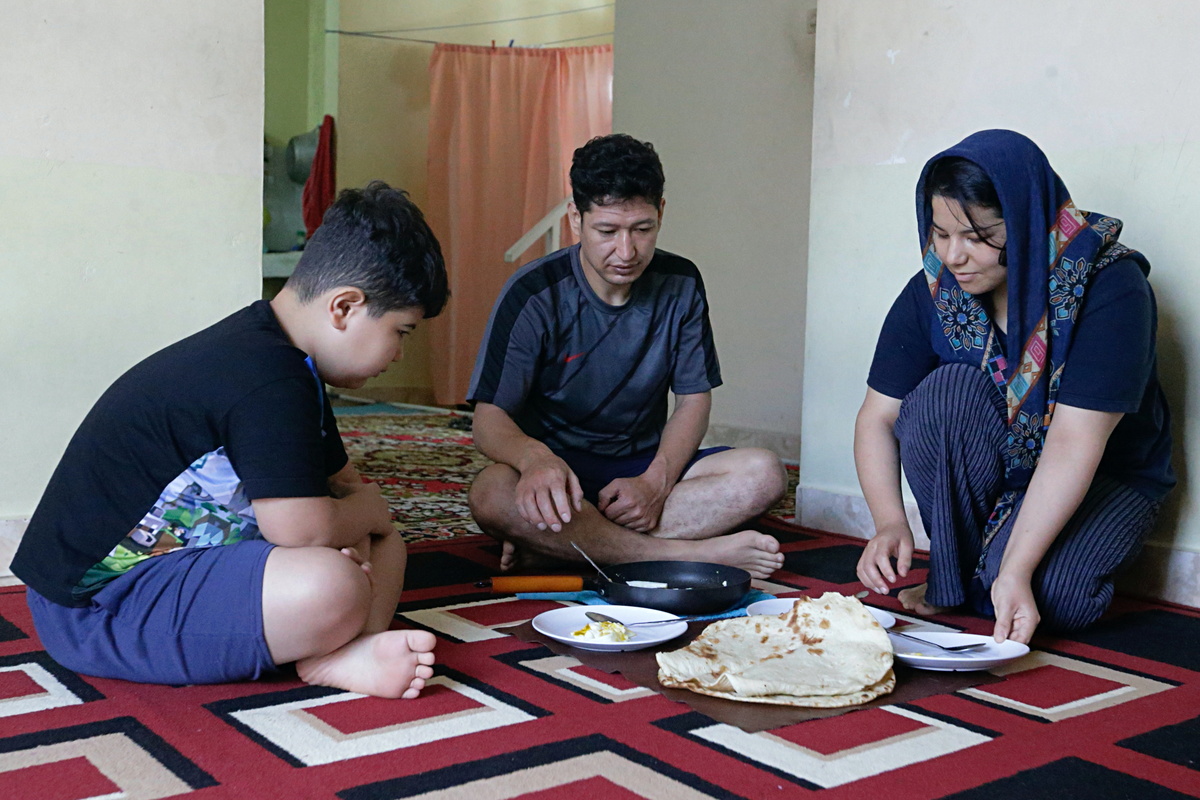
Despite leaving Afghanistan at the age of five, the country where Azis was born always holds a special place in his heart.
When Taliban forces took control of Afghanistan this week, Azis, a Hazara minority, feared for the safety of his relatives still in the country.
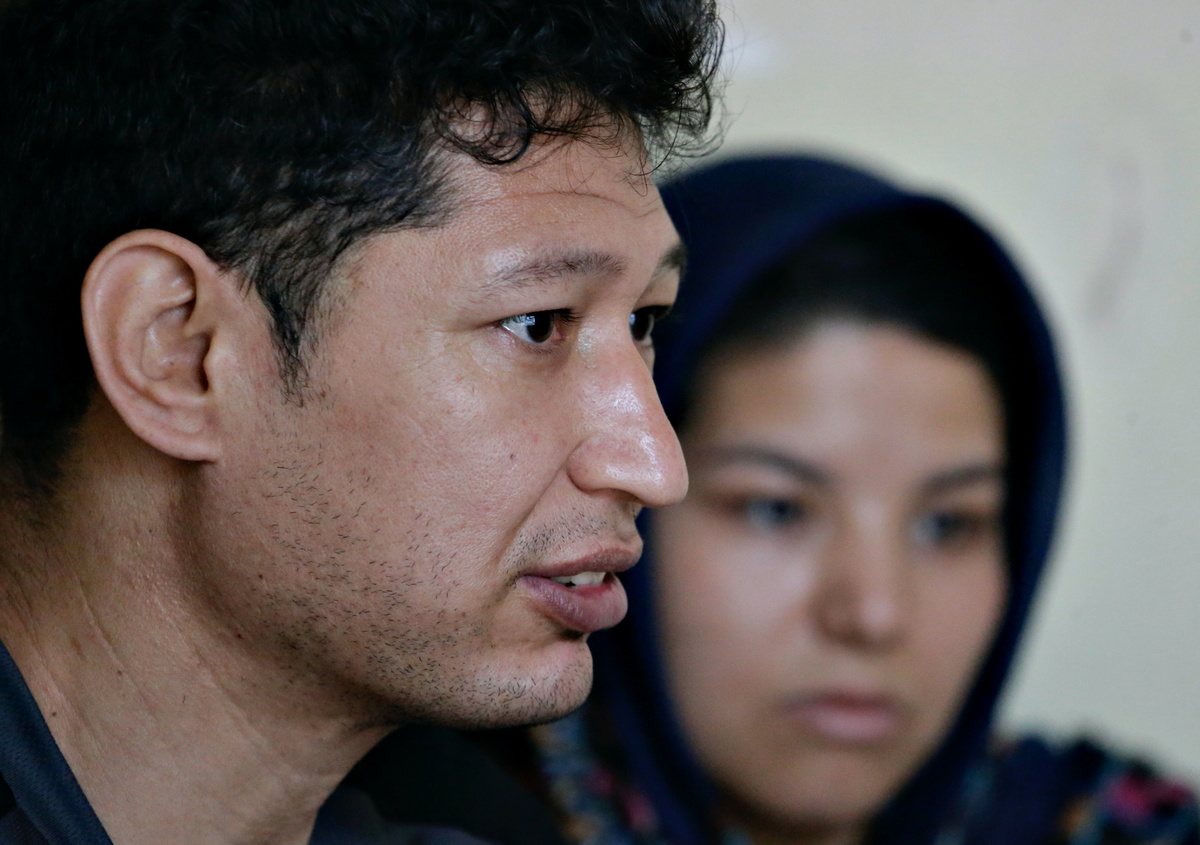
"This situation is very dangerous for us, the Hazaras, because they don't like us," said the 34-year-old, who coaches futsal, a version of soccer played indoors with smaller teams.
He and his direct family have for the past seven years been living in Indonesia in Ciawi, about 70 kms (43.5 miles) from the capital Jakarta, awaiting relocation to a third country.
Azis, who asked to be referred to by his first name because of concern for relatives back home, said his uncle's family had locked themselves inside their house since the sudden fall of the Western-backed Afghan government.
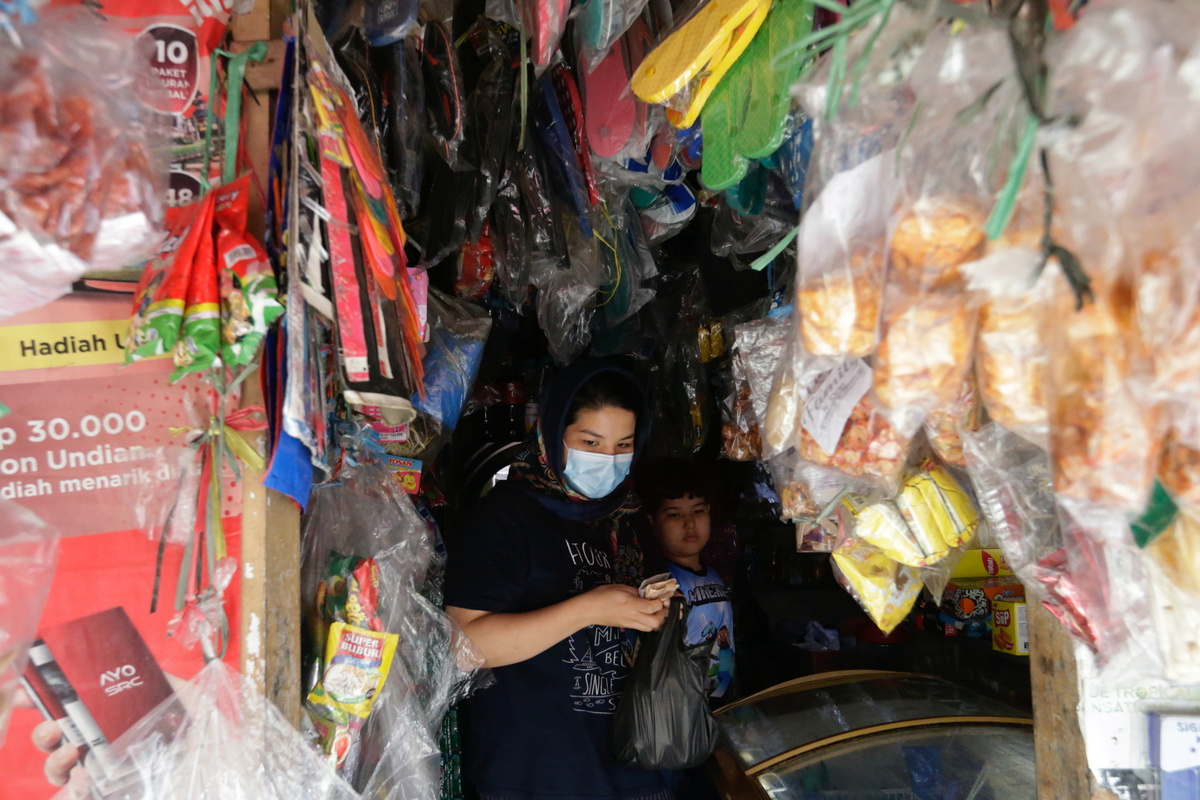
"They are afraid to leave the house. Now they are looking for ways to get out of Afghanistan, because my family do not feel safe there," said Azis.
For decades, the Hazara, an ethnic minority, have been targeted by militants, including the Taliban and Islamic State, for their ethnicity and religious beliefs.
Most of the Hazara are Shi'ite Muslims, whom Sunni hardliners like the Taliban despise. The community has faced persecution and violence for decades, including recent attacks on a maternity hospital and a girls' school.
Despite Taliban assurances that they have changed since their last reign, Azis worries about sports and greater freedoms enjoyed by Afghan women - which were outlawed under the group's notorious 1990s era of austere rule.
"I don't know what would be the future of football in Afghanistan. What is the fate of women and sports? And what about the women who want to go to school?" he said.
"I hope Afghanistan will become better, but I'm not hopeful."
(Writing by Angie Teo; Editing by Martin Petty and Emelia Sithole-Matarise)