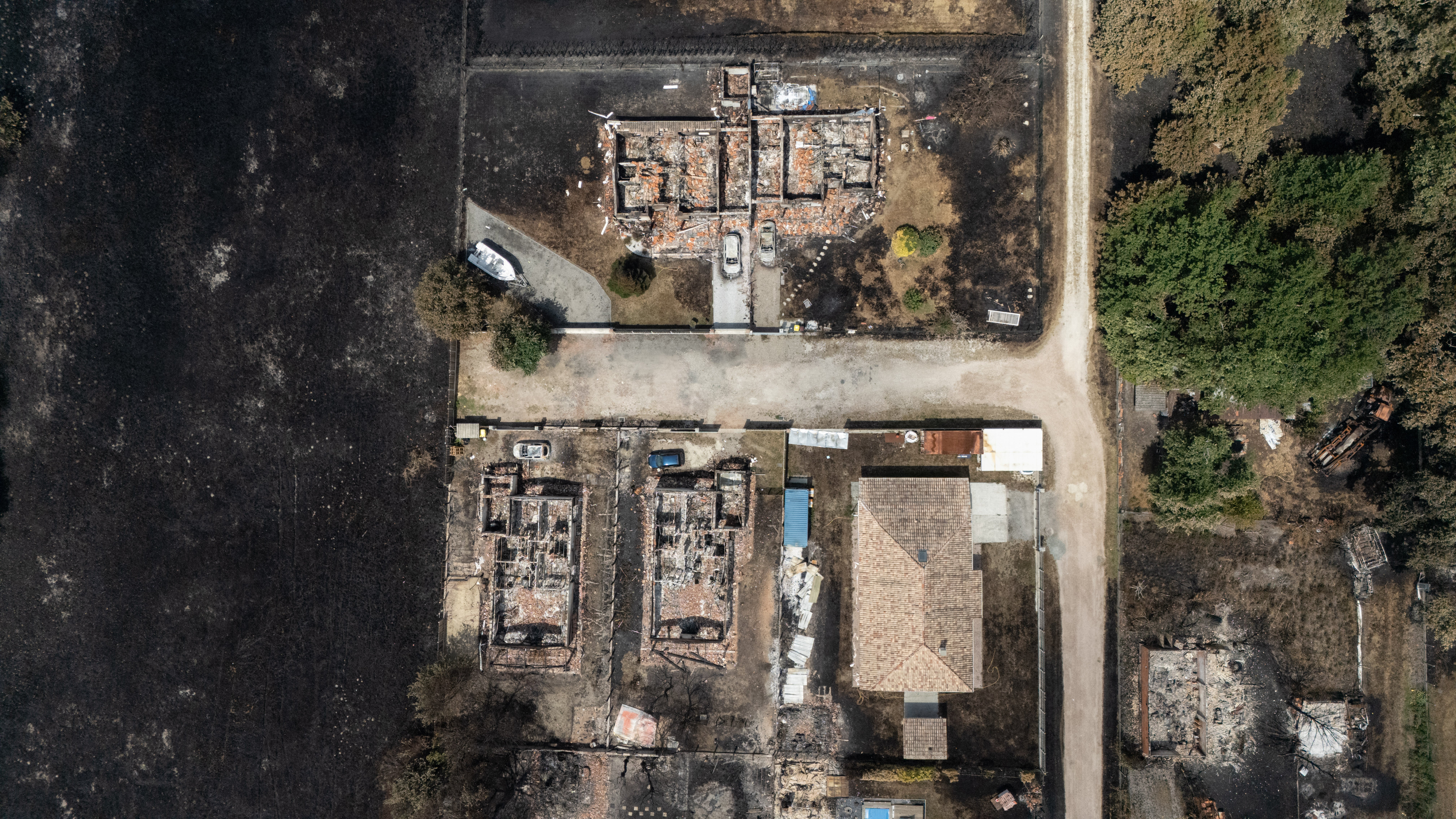
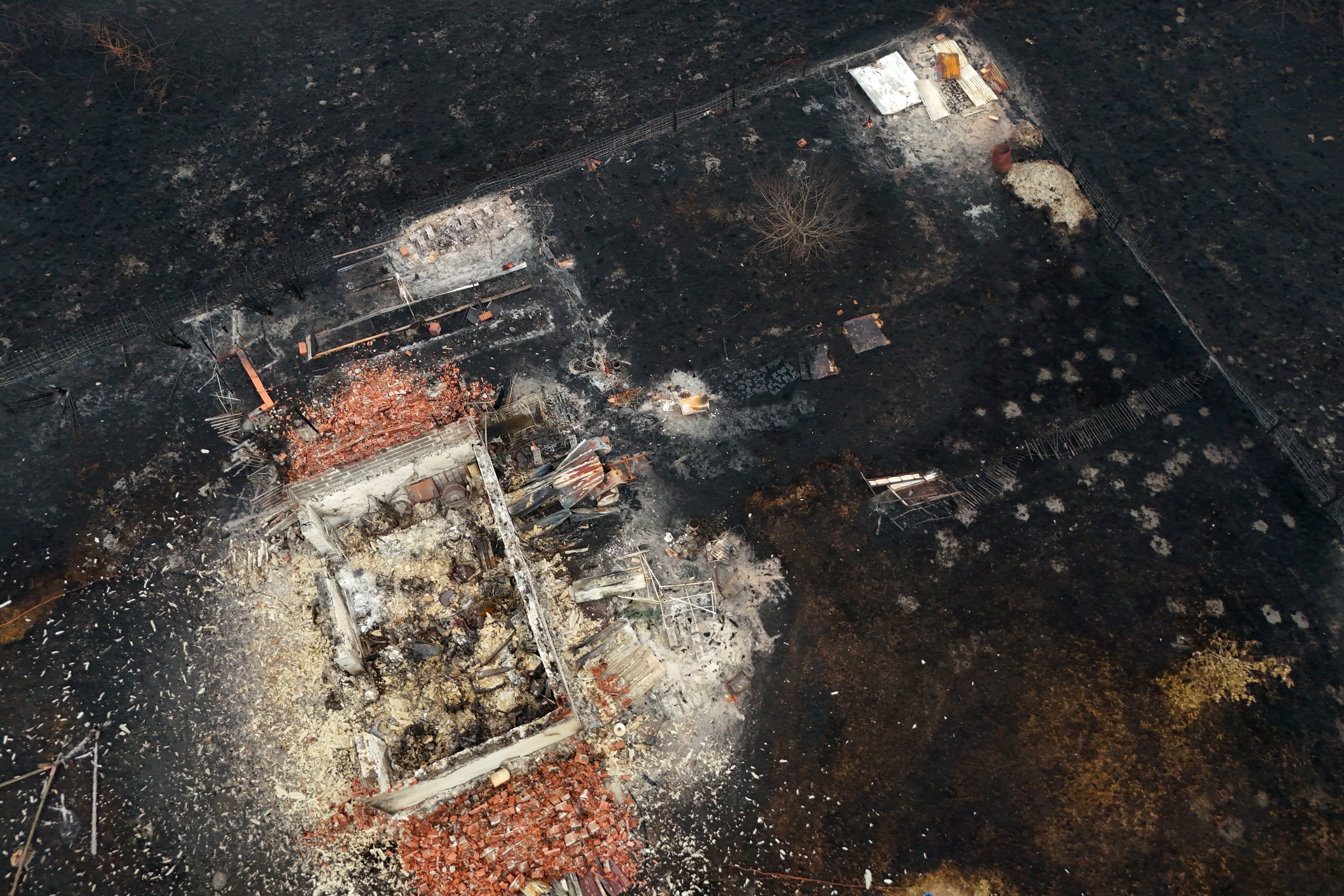
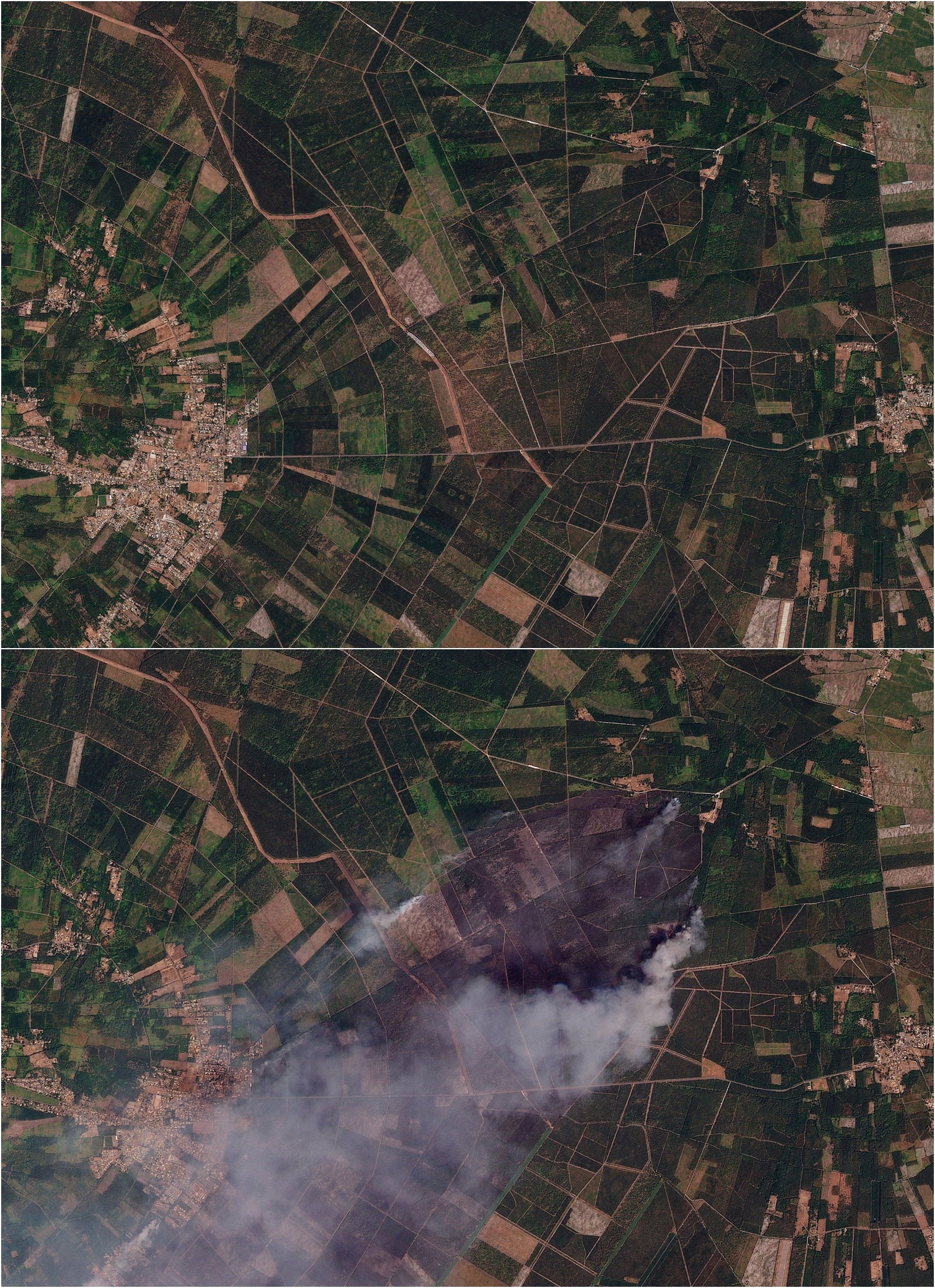
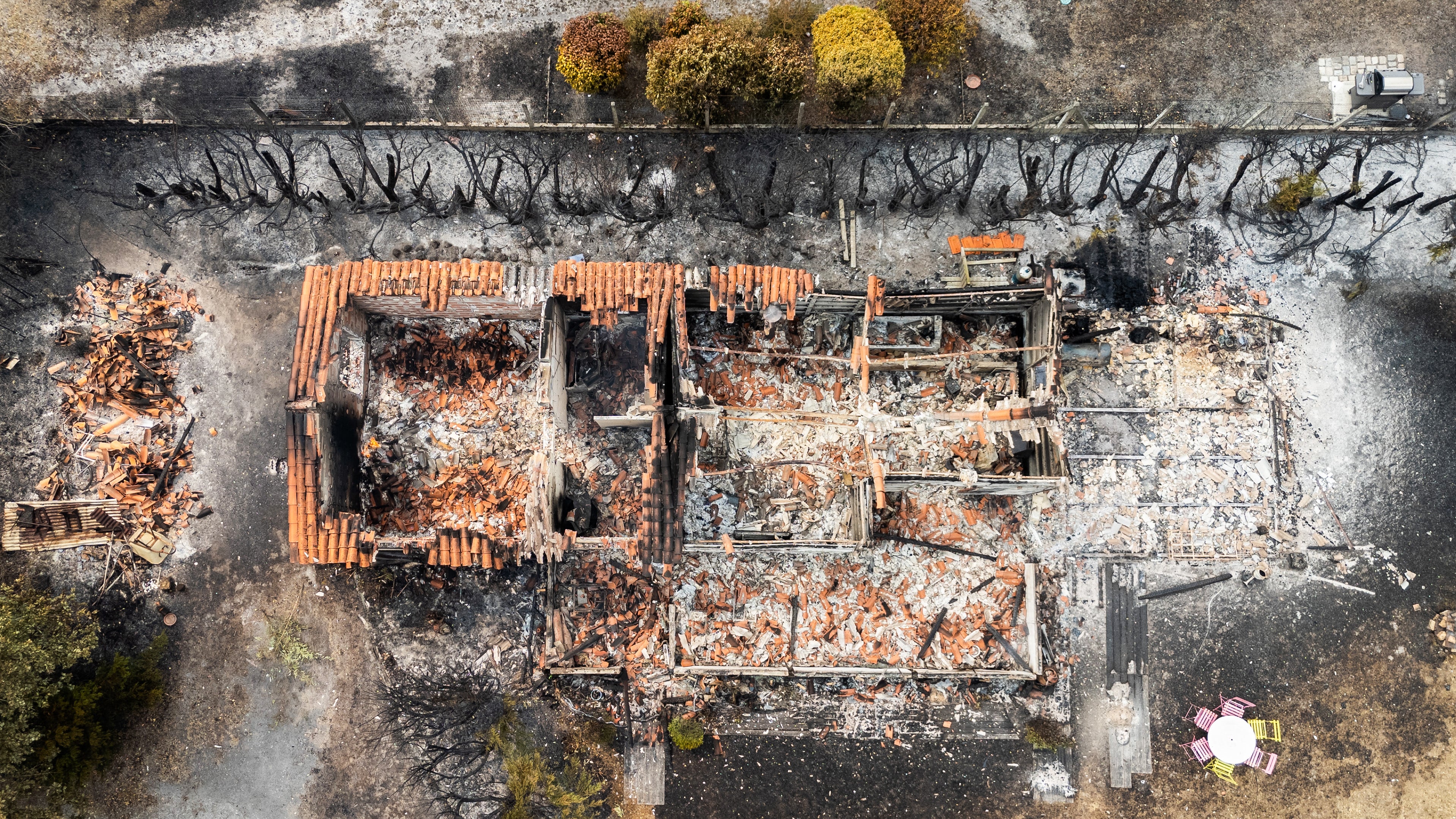
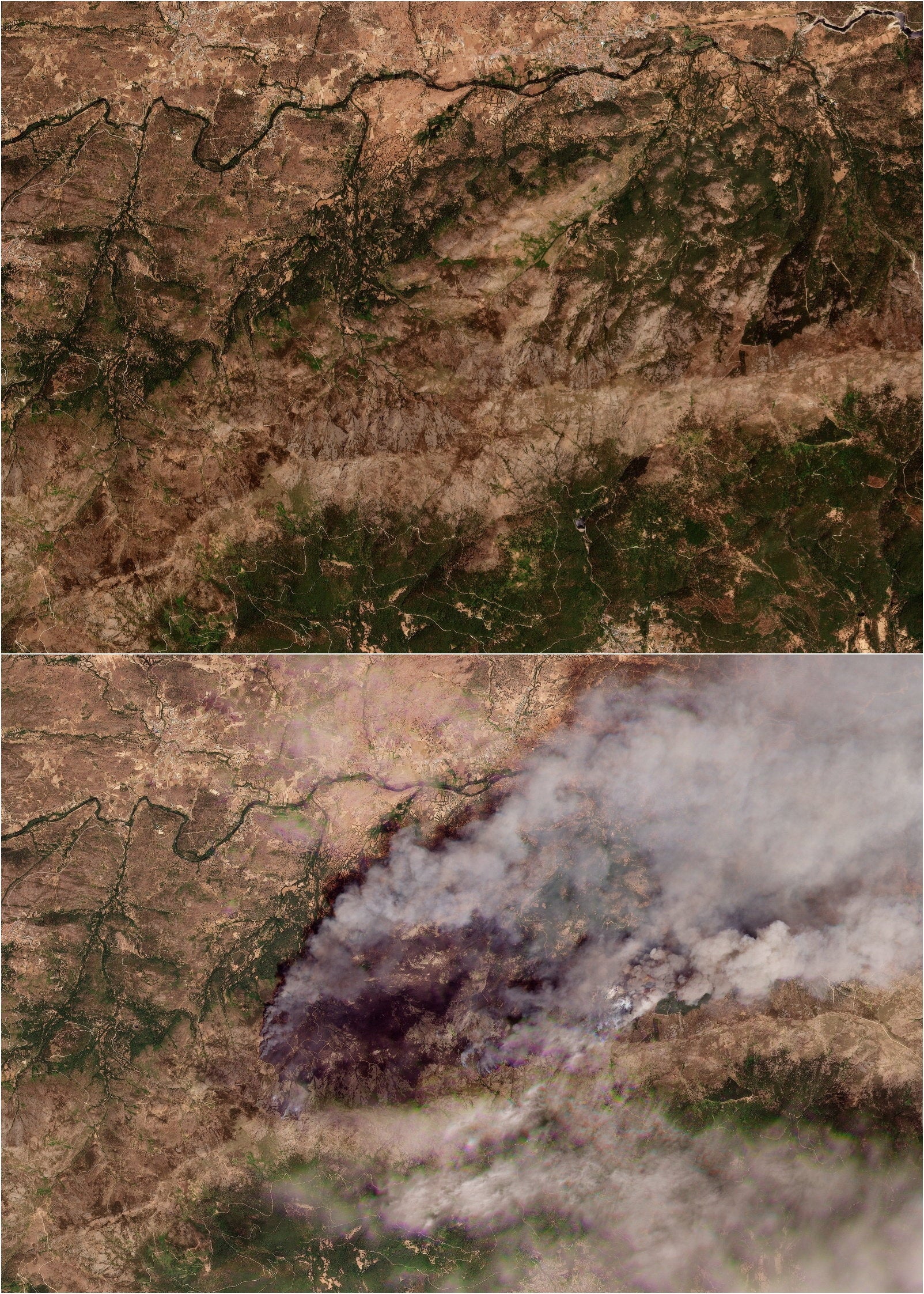
New satellite images have laid bare the devastation caused by raging wildfires across France and Spain, as local officials warned the continent was “at war” against the rapidly spreading fires.
More than 360,000 people have been evacuated, with France issuing fresh evacuation orders for areas in Lacanau on Tuesday morning, affecting a further 4,000 people.
President Emmanuel Macron has described it as the worst disaster to face the country since the Second World War.
So far the region of Gironde, which includes Bordeaux, has seen 42,000 hectares (103,784 acres) of land scorched to ashes and more than 240 houses destroyed, according to Remi Lassoureille, who leads the forest fire efforts in the area.
Follow the latest updates here
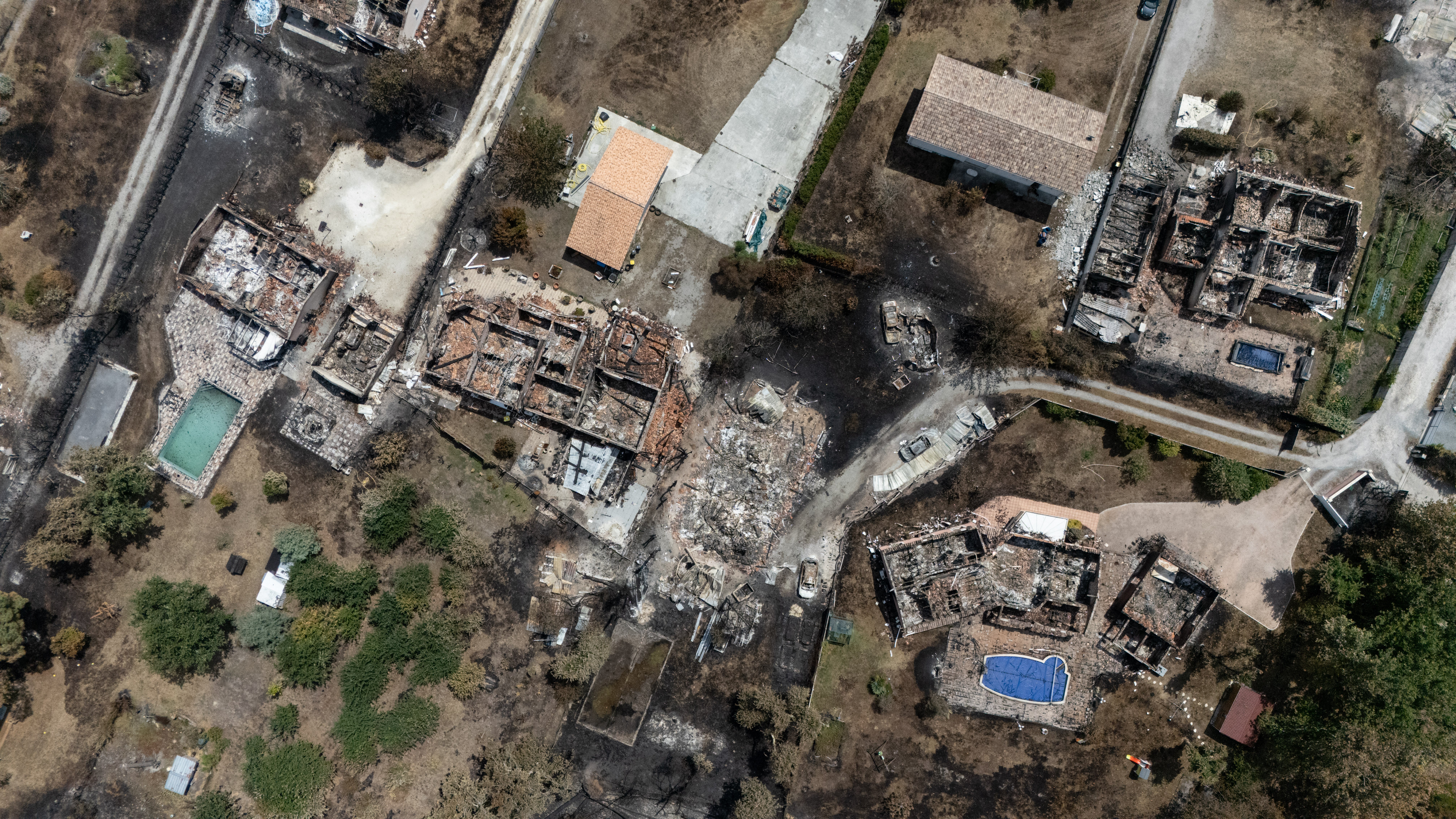
At least 116,000 hectares have burned in France this year since January, while Spanish president Pedro Sanchez said more than 150,000 hectares had been torched in his country during the same period.
Jerome Steffe, the mayor of Cestas, a small town south of Bordeaux, told the BBC that the disaster would be remembered as the “fire of the century”.
The worst-hit areas in France have been across the Atlantic coast, with the entirety of the Cap Ferret peninsula evacuated and several of the surrounding suburbs of Bordeaux.
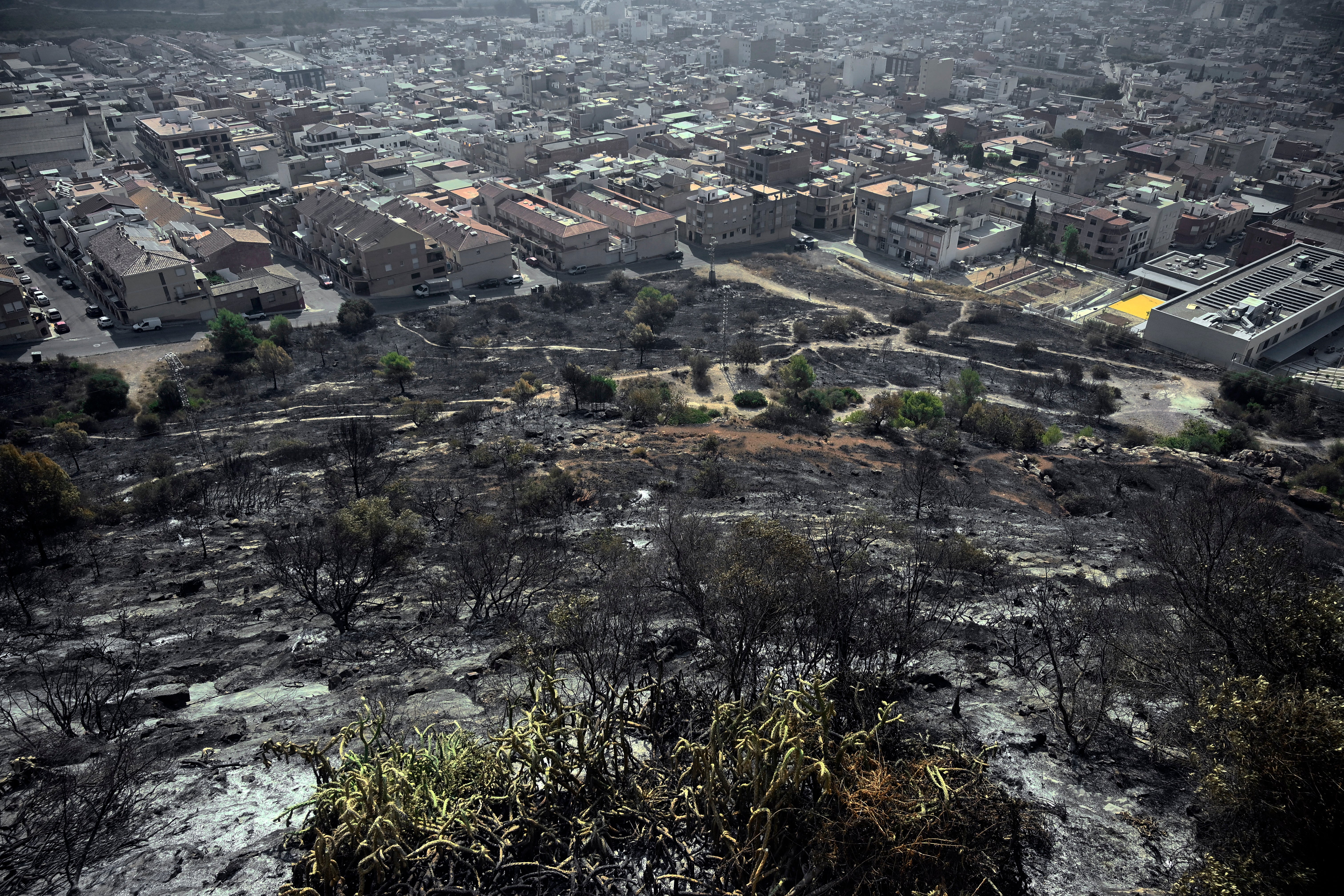
In Spain, the regions worst affected are located west of the country’s capital city of Madrid.
Public transport, airports, hospitals, schools and local businesses have all been impacted by the devastation.
The blaze is at risk of getting worse as both countries face an impending heatwave with temperatures set to hit 40C. Firefighters are facing a crucial window to bring the flames under control before the hotter, drier weather exacerbates the danger.
Spain’s interior minister Fernando Grande-Marlaska called it an “absolutely crucial” period, with weather forecasters in both countries warning temperatures could reach 40C again in some parts as soon as Tuesday afternoon.
Experts have warned that the intensity of the fires has been worsened by the impact of climate change.
“The evidence is becoming increasingly clear. We are seeing a broader trend in which climate change is increasing the likelihood of extreme wildfires around the world,” Dr Beth Simons, a climate risk adviser at Practical Action, told The Independent.
“Wildfires are not only damaging homes and livelihoods, they also pose serious risks to public health and can have lasting impacts on ecosystems, increasing the risk of other disasters such as floods.
“As wildfire risk grows across Europe, investing in these people-centred approaches should be a priority, supporting everyone, including the most marginalised and vulnerable.”