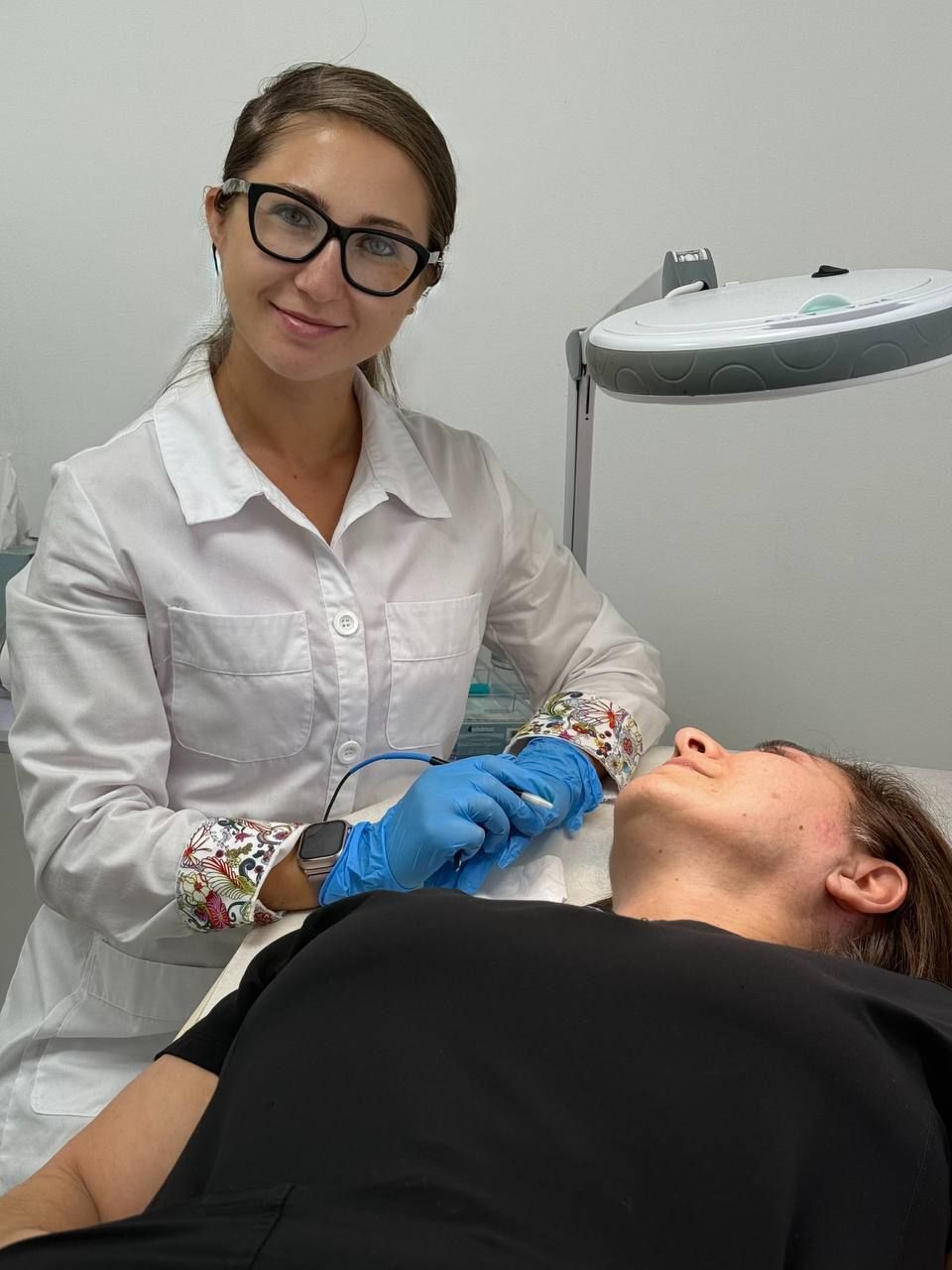
Clinical Practice in Permanent Hair Removal
In a world where aesthetic medicine increasingly distinguishes between procedures performed solely for beauty and those done for medical reasons, evidence-based treatments for pathologic hair growth are still insufficient. In this environment operates the practice of Marta Ivaskevych, LE, which focuses on permanent hair removal methods. The owner of IMS Electrolysis in Hallandale, Florida, she runs a clinical practice and has been addressing some of the most medically challenging cases, including women with polycystic ovarian syndrome (PCOS), those coping with the effects of cancer treatment, and individuals suffering from endocrine diseases.
The result? A continuity model with electrology (the only FDA-approved method for permanent hair removal) that establishes standard, evidence-based treatment procedures.
Methodological Framework
IMS Electrolysis was developed when it became clear that standard hair removal methods did not provide the right treatment for certain patients, including those with hormone disorders or skin damage. The effectiveness of a treatment often relies on adapting methods to align with the body’s systems.
"Without addressing the underlying endocrine disruptors, cosmetic hair removal approaches often exacerbate hormonally driven growth," Marta explains. "Effective treatment requires mapping those biochemical interactions first."
Thermolysis is used for finer hair, and galvanic electrolysis is often done for terminal growth. By using this technique, doctors can plan care that takes into account hormone changes, the effects of drugs, and how sensitive the skin is.
Documentation is the starting point of the methodology. "Tracking through follicular mapping and photographic records is necessary," she states. Baseline measurements and session comparisons are maintained.
Shifting operations to be Patient-Centered
Handling outcomes in PCOS requires the clinic to adapt flexibly. The emphasis is on how the body responds, instead of having fixed schedules.
According to Ivaskevych, the treatment schedule should be carefully adjusted if there are hormonal imbalances. Since in the early stages of electrolysis, hormonally conditioned hair growth is rapid, so the patient may need to undergo the procedure weekly.
Teamwork is very important. Together with gynecologists, endocrinologists and dermatologists, Marta discusses the patient's lab results, hormonal levels and prescribed medications. Since many medications cause hair growth, which can affect the result of electrolysis.
Moving up in Clinical Research
Because of lack post-electrolysis skincare products especially for PCOS patients, where skin is more sensitive, Marta developed her own post-electrolysis healing line: cream, toner and oil butter.
Formulations include:
- Epila Care Cream: Anti-inflammatory properties via propolis and calendula
- Derma Heal Toner: Antimicrobial protection through tea tree oil
- Repair Aroma Butter: Scar-minimizing essential oil blend
Patents are pending to protect copyright.
Setting Professional Standards
Ivaskevych shares her experience and findings with other companies. She will be presenting at the 8th Annual Congress on Polycystic Ovarian Syndrome and Fertility (which takes place in London on June 12-13, 2025). She previously held a master class at NEO Beauty School on May 13, 2024, discussing electrolysis for those who struggle with abnormal hair growth because of hormonal imbalance.
In her opinion, these forums aim at making sure techniques are standardized and coordination happens between different disciplines.
Overcoming Clinical Misconceptions
Having fixed beliefs in aesthetic medicine can lead to the wrong choice of treatment. The most common issue in permanent hair removal is that individuals prefer certain methods that lack reliable clinical data.
Remember how it’s easy to prefer hi-tech solutions over those that medical experts have proved to be safe. This creates a situation where some practitioners still suggest laser treatments for hirsutism because hormonal causes are still hard to tackle. To combat this, she encourages patients to learn and explains the possible results.
She believes that clear data can fix common misunderstandings. Comparing photographs demonstrates that electrolysis works better than laser treatments.
A further problem is using a single approach for patients who may not respond the same way. In place of universal hormone therapies, Ivaskevych’s adaptive model ensures each person gets hormone treatment that suits them.
Creating Standards for Future Clinical Care
Marta invites specialist to consider not just patient’s lab results or hormone levels - but also how they feel when they look in the mirror every day. She believes that together, as doctors, specialists, and electrologists, they can provide women with more than just treatment. They can give them confidence, self-esteem, and freedom to live fully.