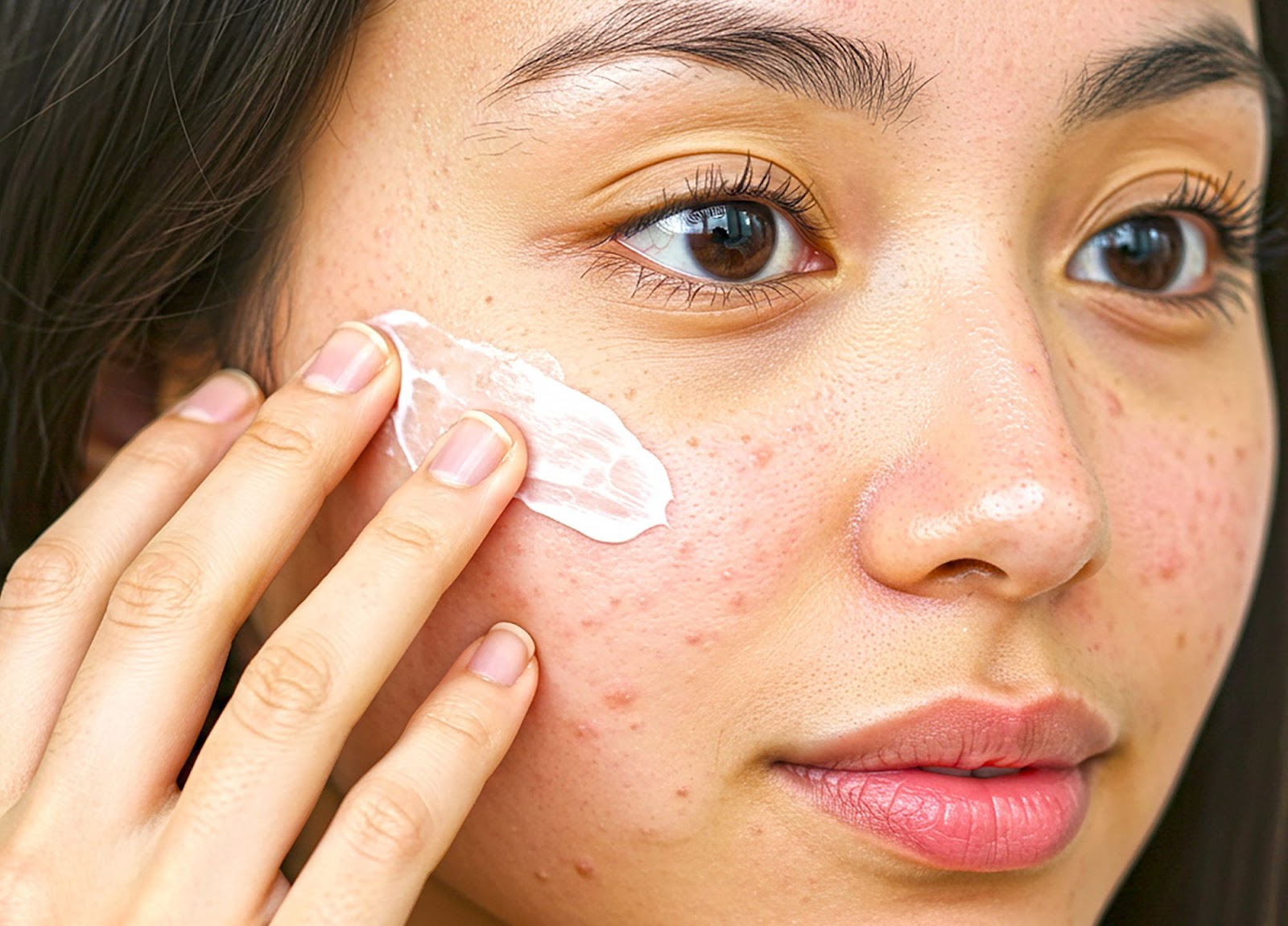
Dealing with acne as an adult can feel unfair. You might’ve thought pimples were just a teen thing, but here you are, dealing with breakouts, inflammation, and the stress of spots that just won’t go away. The good news is that adult acne can often be tamed. Over the long term, a combined strategy involving smart food choices, a gentle skincare routine, and, when needed, medical treatment offers many people hope and real results.
Let’s explore how diet, skincare, and medication work together to fight adult acne.
Diet: Your First Line of Defense
What you eat doesn’t always cause your breakouts, but diet can push acne to get worse or help it calm down. Research shows that people who eat diets with a low glycemic load (foods that don’t spike blood sugar) tend to have fewer acne lesions than those eating lots of sugary, refined carbohydrates.
A low-glycemic diet emphasizes vegetables, whole grains, legumes, and lean protein.
At the same time, limiting milk and high sugar foods may help, because some studies have linked dairy consumption and high-sugar diets with flare-ups.
Diet alone won’t always clear up acne, but it can reduce inflammation, lessen oil production triggers, and support other treatments.
Skincare: Treating Gently and Consistently
When your skin is already battling breakouts, the wrong cleanser or harsh scrub can make things worse. Here are key tips:
- Use a mild, non-comedogenic cleanser. Clean twice a day to remove excess oil, makeup, and pollutants.
- Include active ingredients wisely. Ingredients like salicylic acid, benzoyl peroxide, and retinoids help unclog pores and reduce bacteria. But introduce them slowly, and always patch-test.
- Moisturize and protect. Even acne skin needs hydration; opt for light, oil-free moisturizers. Always wear broad-spectrum sunscreen, many acne treatments make skin more sun sensitive.
- Avoid over-scrubbing and harsh physical exfoliants. These can worsen irritation and cause more breakouts.
- Stick to it. Skincare changes take weeks to show effect, so consistency is crucial.
Medication: When Natural Methods Aren’t Enough
Sometimes, diet and skincare aren’t enough, especially if your acne is moderate to severe, or if it’s causing scarring or emotional distress. That’s where medical treatments come in.
One powerful option is isotretinoin, sometimes called Roaccutane. It’s reserved for more serious cases because of its strength and potential side effects.
At Botonics, one can explore treatments like isotretinoin under medical supervision (for example, check out their “Roaccutane for Acne” offering)
How it works:
- It shrinks oil glands, reducing excess sebum (oil) production.
- It reduces inflammation and helps skin cell turnover.
Still, it’s not without caution. Side effects can include dry skin, mood changes, liver or lipid changes, and importantly, risk of birth defects if taken during pregnancy. So careful monitoring by a dermatologist is essential.
Other medical options include topical antibiotics, hormonal therapies (for those whose acne is hormone-driven), and combinations of prescription creams.
Putting It All Together: A Balanced Plan
The best long-term strategy usually involves combining all three pillars:
- Diet to reduce internal triggers
- Skincare to treat and protect your skin’s surface
- Medication, when needed, to tackle stubborn or severe acne
By working together, these approaches can reduce flare-ups, lower inflammation, and help smooth your path to clearer skin. Remember: patience is key. It may take weeks or months to see real change. And always consult a dermatologist before starting medications like isotretinoin.
Conclusion
Adult acne can be frustrating, but you’re not powerless. Thoughtful diet changes, a gentle but effective skincare routine, and medical intervention when needed can all play meaningful roles in long-term control. Whether you’re easing into a low glycemic diet, treating your skin with kindness, or under the care of a medical specialist, your skin can steadily improve.