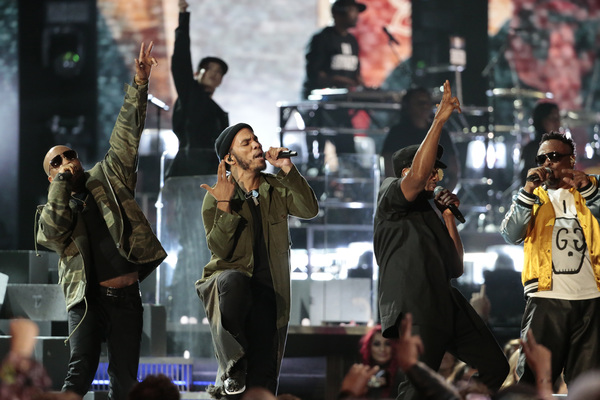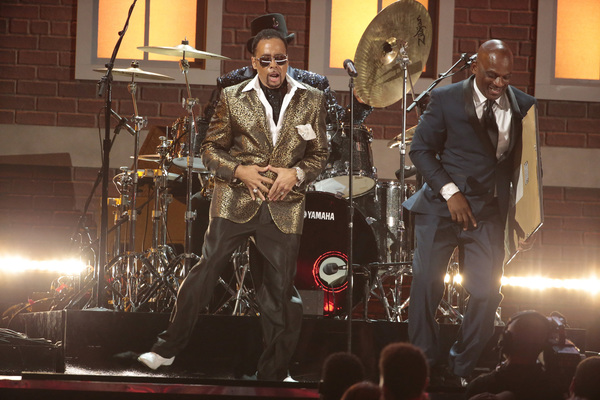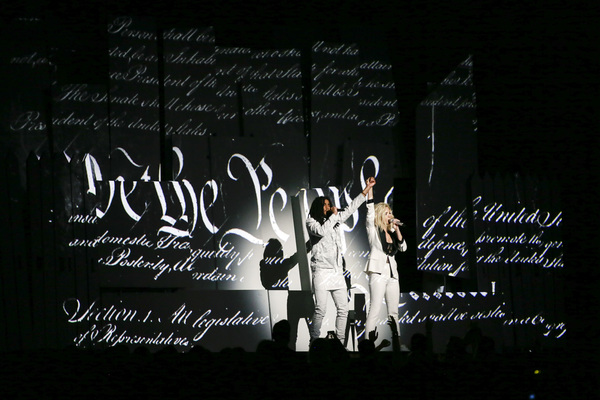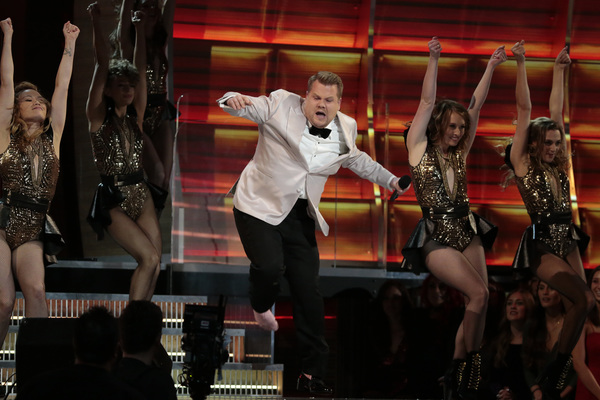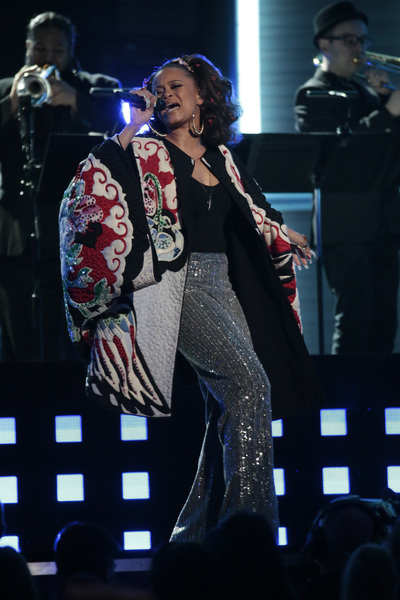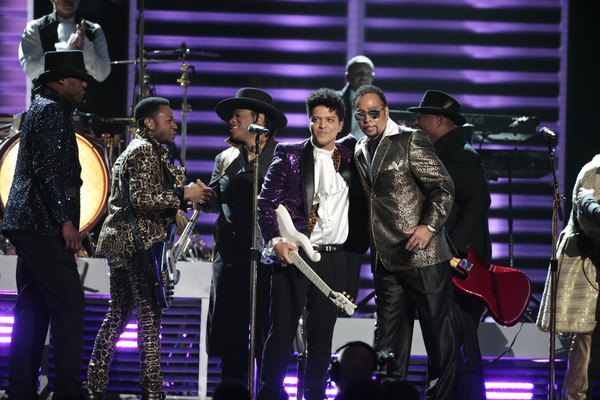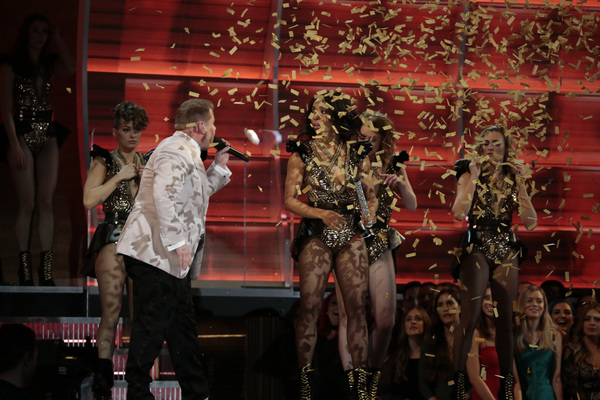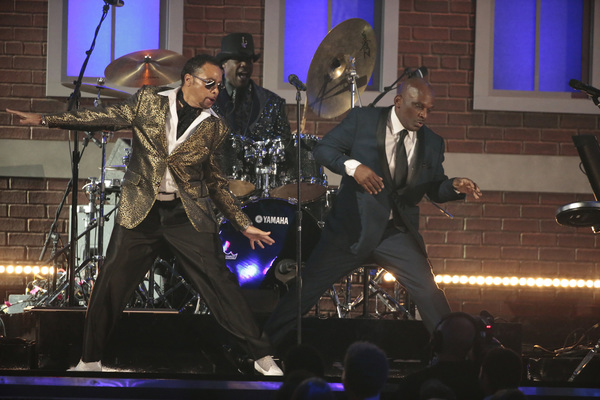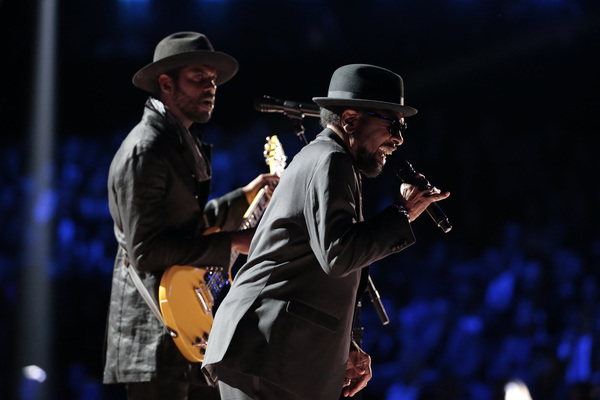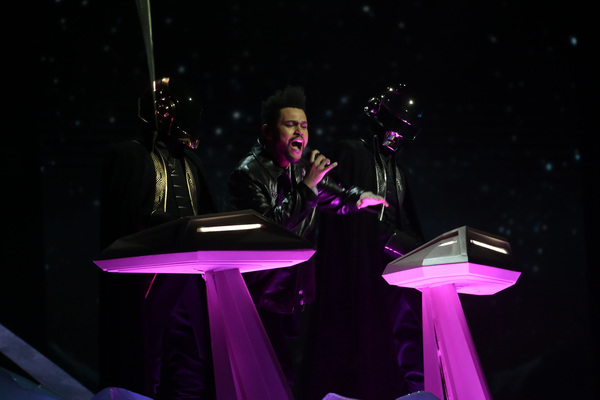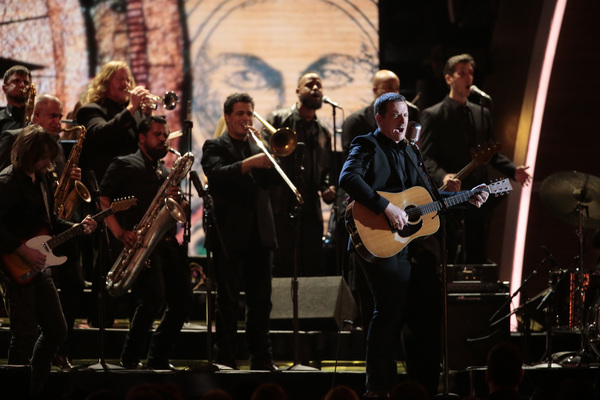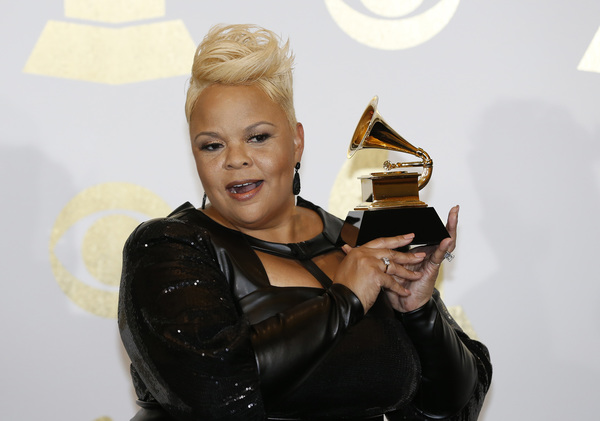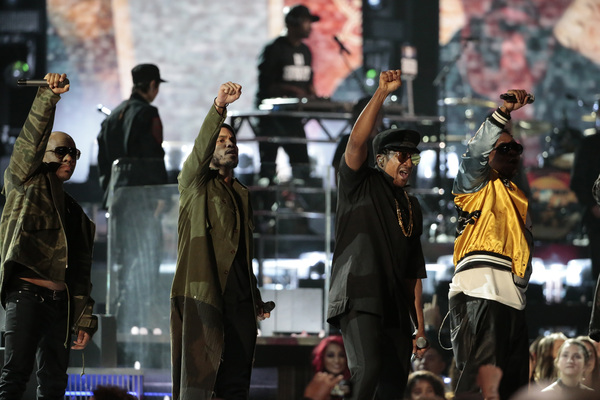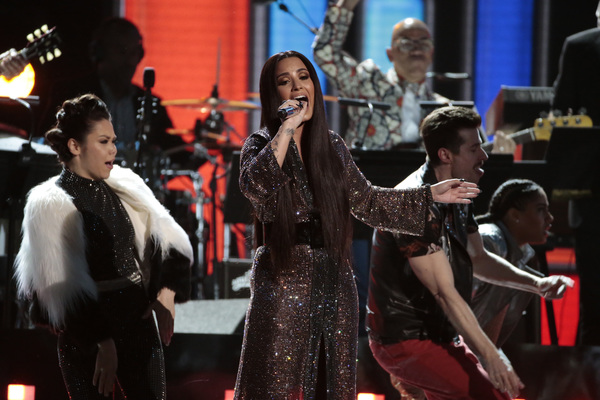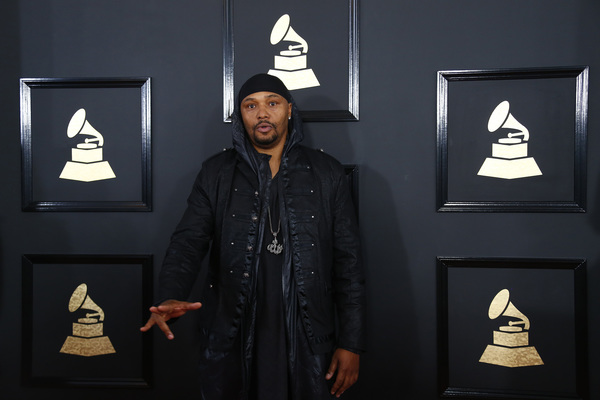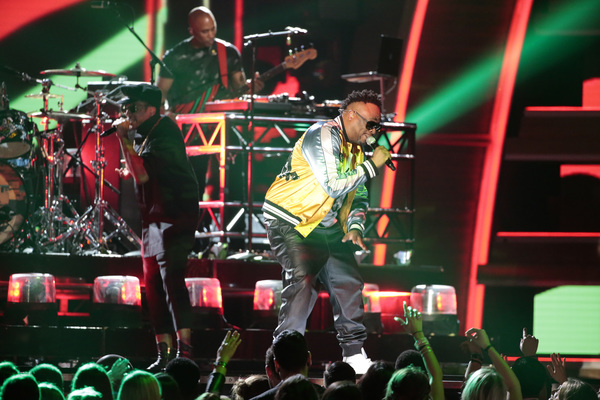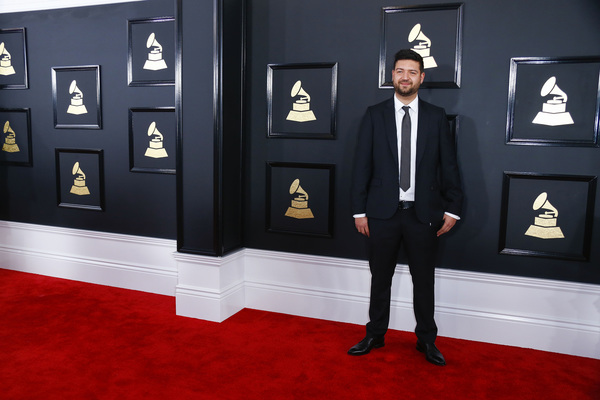
LOS ANGELES _ The 59th Grammy Awards ceremony turned unequivocally political nearly three hours in on Sunday, with hip-hop collective A Tribe Called Quest's performance, in which one of the troupe members called out angrily to "President Agent Orange."
The group performed a medley of songs that included its rap "We the People" with a chorus that states: "All you black folks, you must go / All you Mexicans, you must go, / And all you poor folks, you must go, / Muslims and gays, boy, we hate your ways, / So all you bad folks, you must go."
The music was choreographed with people taking the stage in burkas and other attire representing a variety of ethnicities and genders.
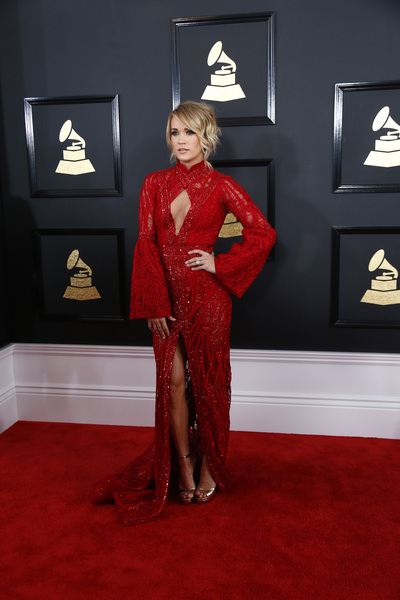
It was among several moments when musicians voiced concerns about executive orders and other policy statements from President Donald Trump since his inauguration on Jan. 20.
As for the awards themselves, one of the big winners was David Bowie, who died early in 2016, just as his final album, "Blackstar," was released.
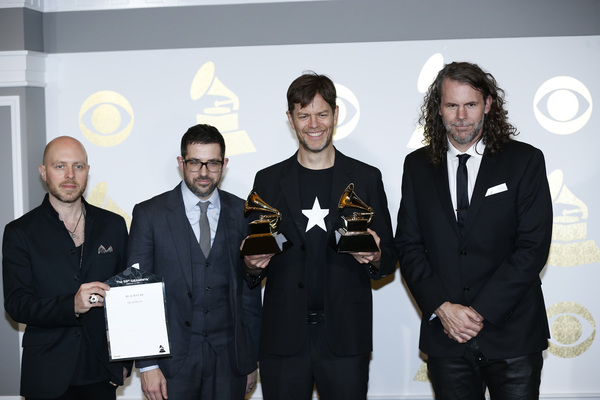
The collection generated five Grammys for alternative music album, rock song and performance, engineered non-classical album and recording package.
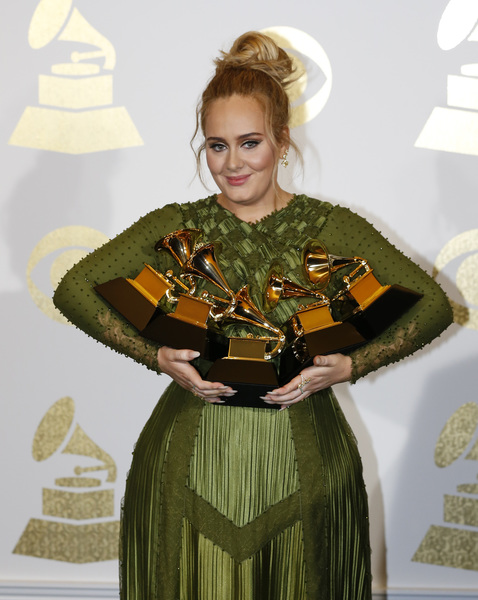
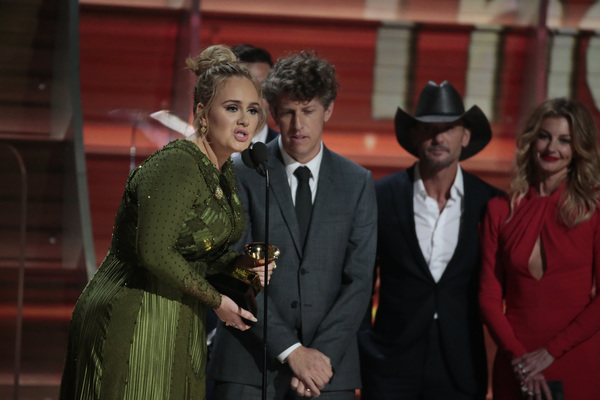
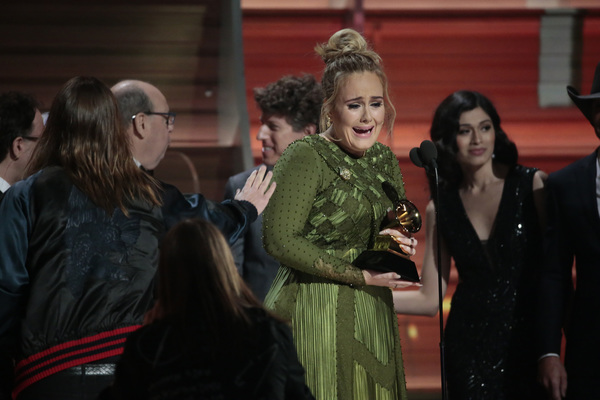
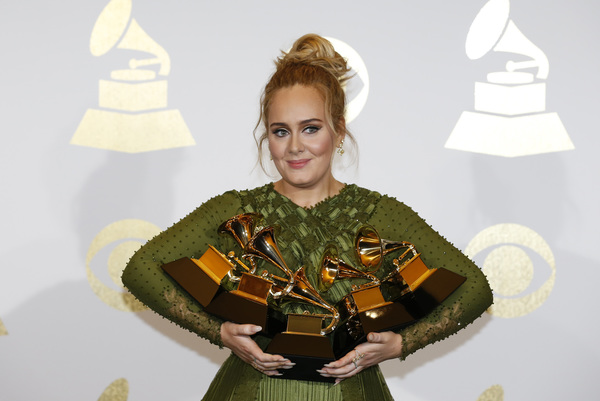
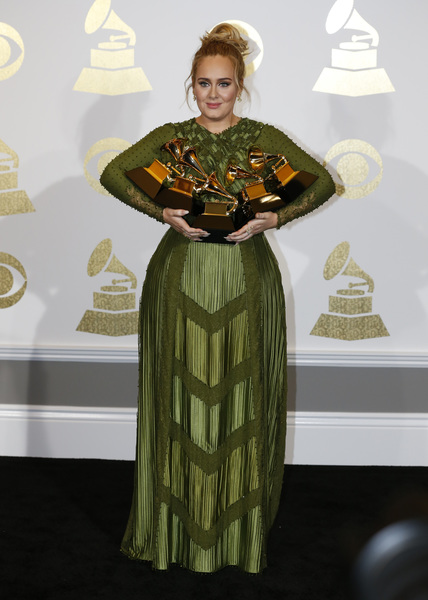
Going into the ceremony, the story line was Adele versus Beyonce, but as the evening progressed, the pendulum swung strongly in the direction of the British singer-songwriter.
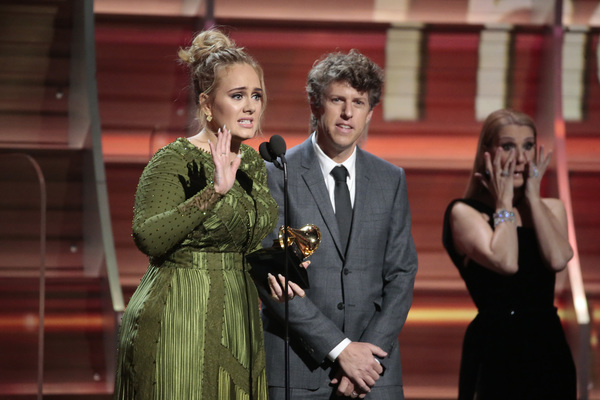
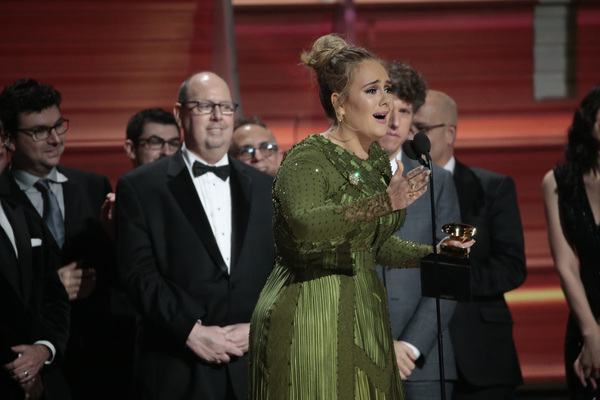
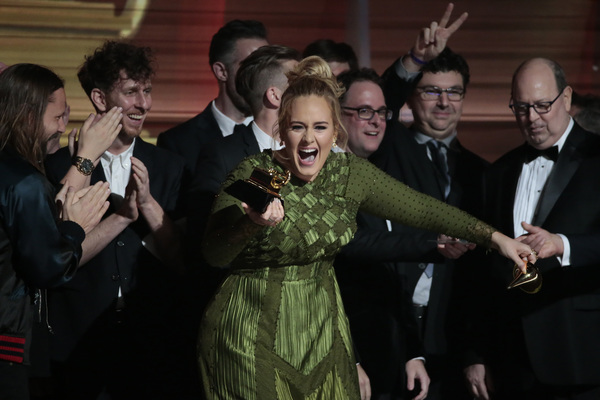
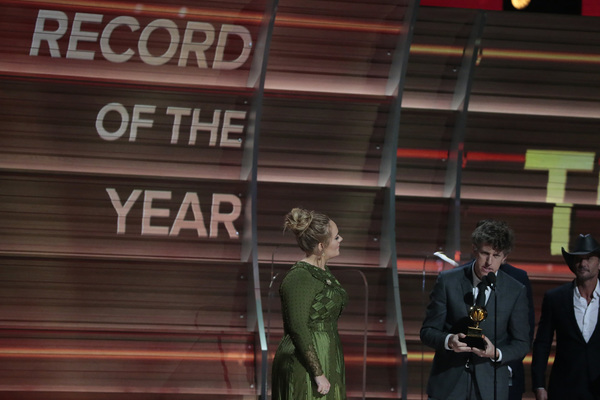
She won early for pop solo performance and vocal album, then took the first win in three additional marquee categories in which she was vying with Beyonce, her hit "Hello" winning the song of the year award.
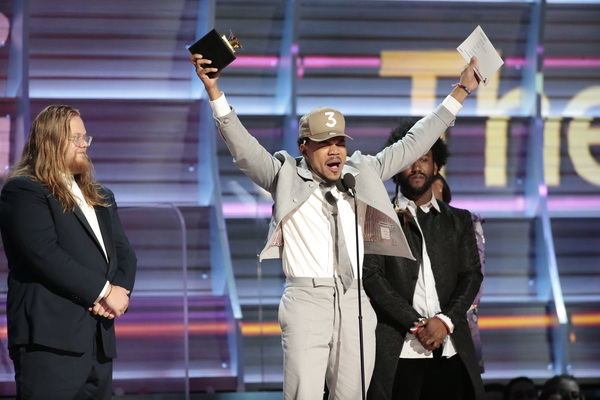
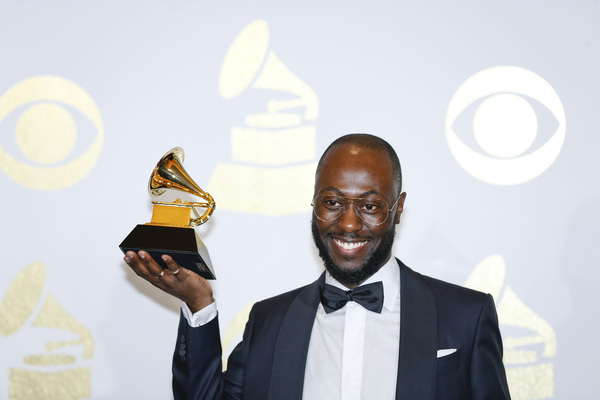
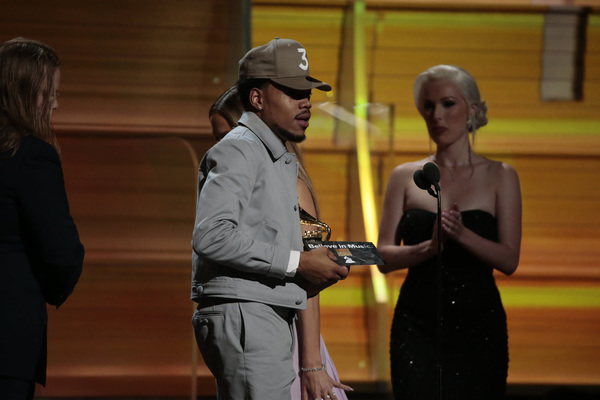
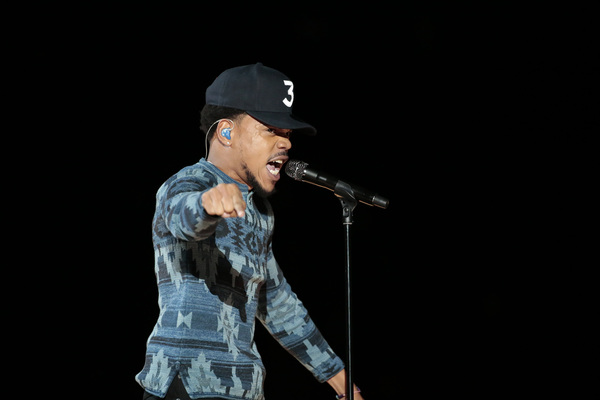
It also turned into a big night for Chance the Rapper. His debut album, "Coloring Book" _ which prompted the Recording Academy to change its eligibility rules on how music is released _ was crowned best new artist in the first award handed out Sunday in Los Angeles.
Because "Coloring Book" was available only as a free stream, the academy altered the long-standing requirement that music considered for awards be available in physical form, an acknowledgement of the shifting tide of consumers' preferred way to listen.
Before the telecast, the Chicago rapper born Chancellor Johnathan Bennett raced to the stage to collect his first Grammy, in the rap performance category, for the track "No Problem" featuring Lil Wayne and 2 Chainz.
"This (stuff) is crazy!" he told onlookers at the Microsoft Theater across the street from Staples Center arena, where the remainder of the winners and nearly two dozen live performances got underway at 5 p.m.
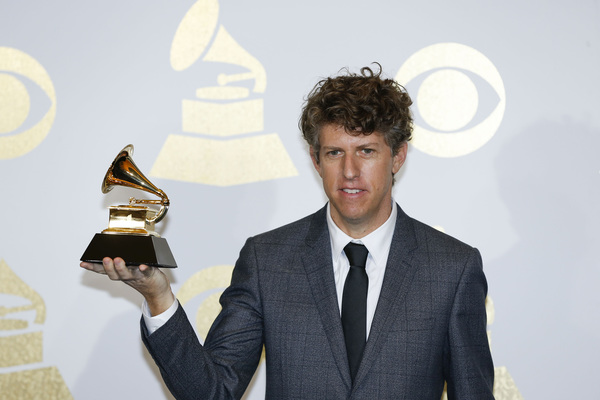
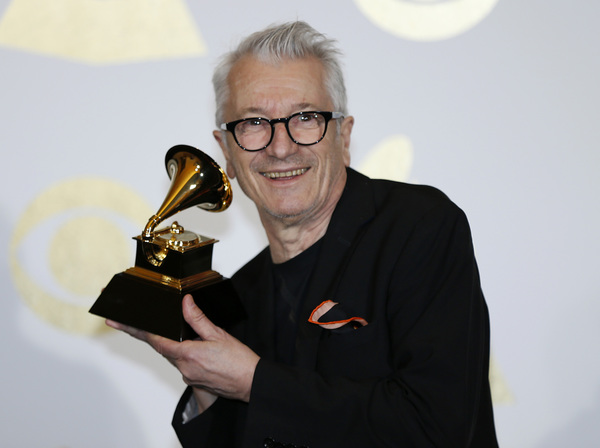
Greg Kurstin, who produced the tracks "Hello" and "Water Under the Bridge" from Adele's "25," was named non-classical producer of the year.
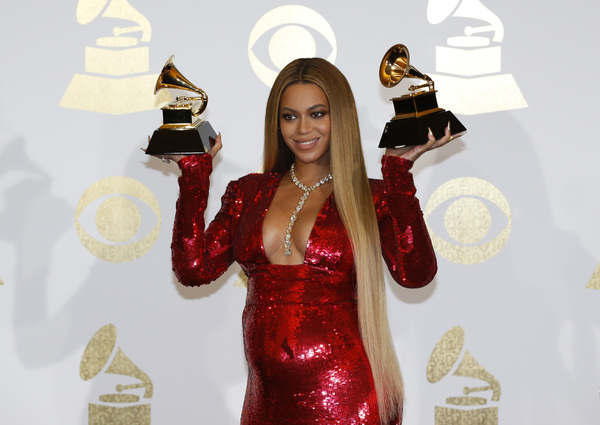
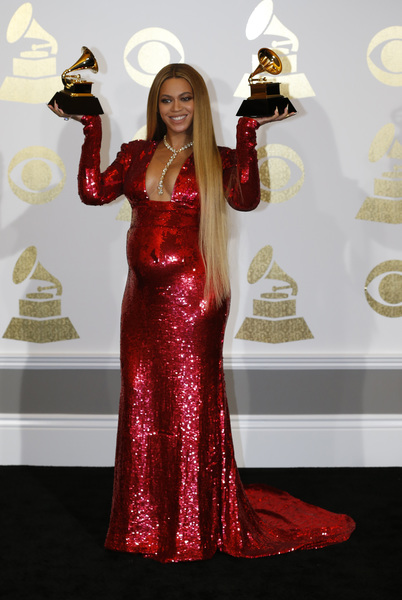
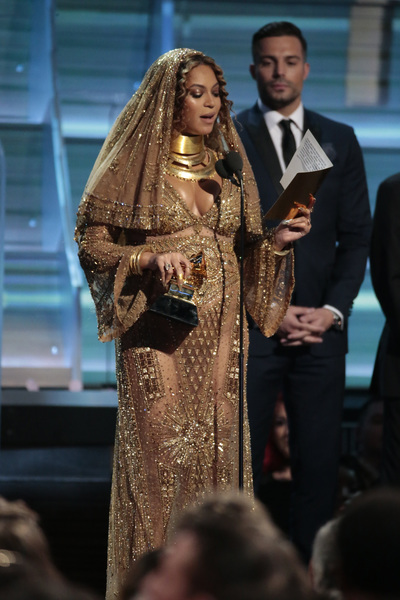
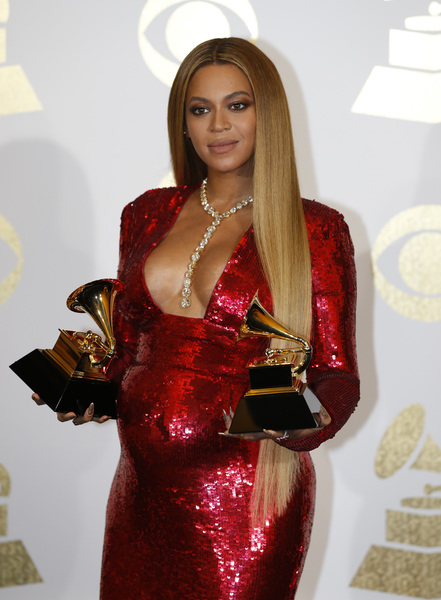
Beyonce, who led nominations with nine, meanwhile, took a single award in the early going, winning the music video Grammy for "Formation." She added a second during the telecast, collecting the urban contemporary album Grammy for "Lemonade."
In accepting that award, Beyonce said, "We all experience pain and loss and often we become inaudible. My intention for the film and album was to create a body of work that will give a voice to our pain, our struggles, our darkness and our history, to confront issues that make us uncomfortable.
"It's important to me to show images to my children that reflect their beauty," she continued, "so they can grow up in a world where they look in the mirror, first through their own families, as well as the news, the Super Bowl, the Olympics, the White House and the Grammys, and see themselves. And have no doubt that they're beautiful, intelligent and capable.
Beyonce finished in runner-up position in three other categories in which she had been nominated, including pop solo performance for her track "Hold Up" from her "Lemonade" album.
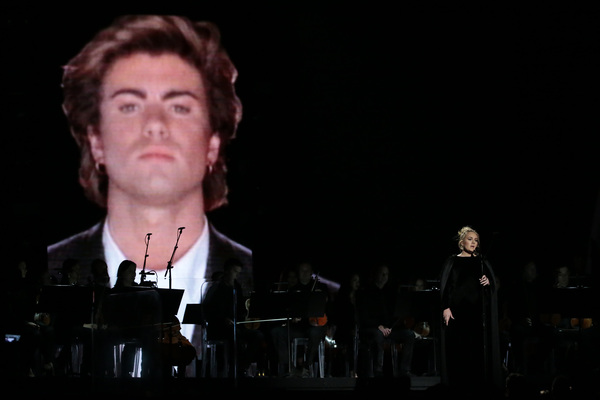
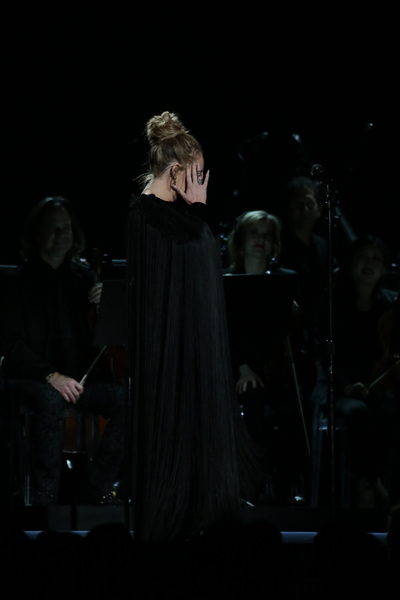
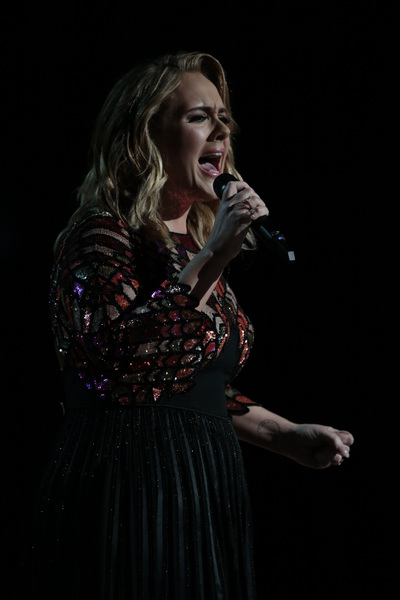
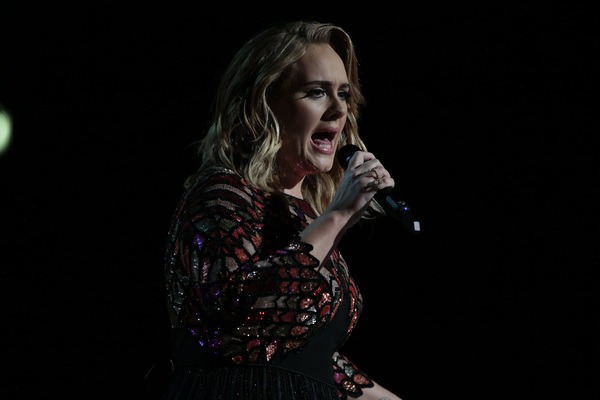
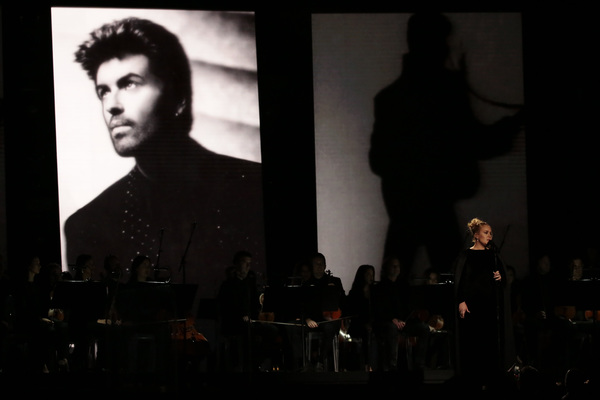
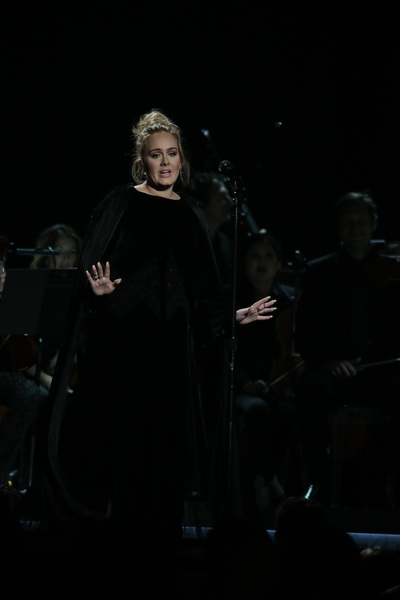
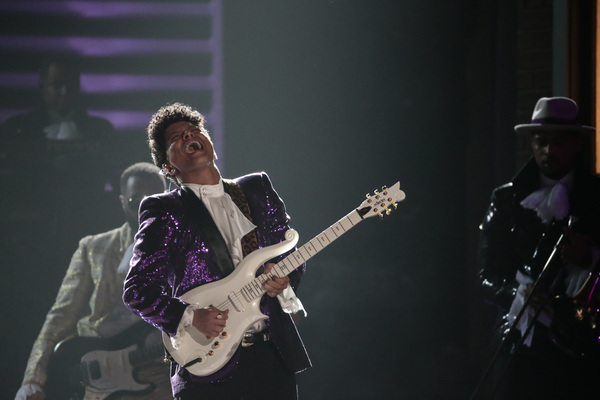
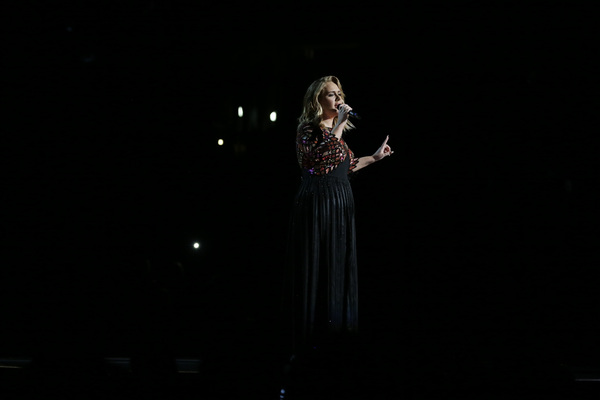
The televised ceremony opened with Adele singing "Hello," effectively giving her a do-over moment from last year's show, when technical glitches marred her performance of "All I Ask." Yet during her second performance, a salute to fellow Brit George Michael, who died in December, she stopped, then restarted, uttering an obscenity and then apologized, saying, "I can't mess this up."
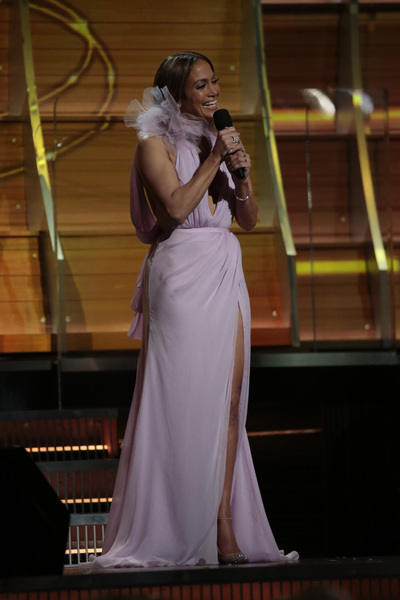
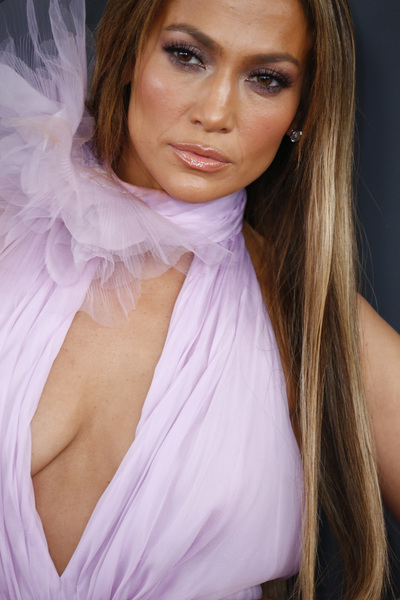
Actress-singer Jennifer Lopez introduced a note of social commentary in her presentation of the best new artist category winner, saying, "At this particular point in history our voices are needed more than ever. As Toni Morrison said, 'This is precisely the time when artists go to work _ not when everything is fine, but in times of dread.'"
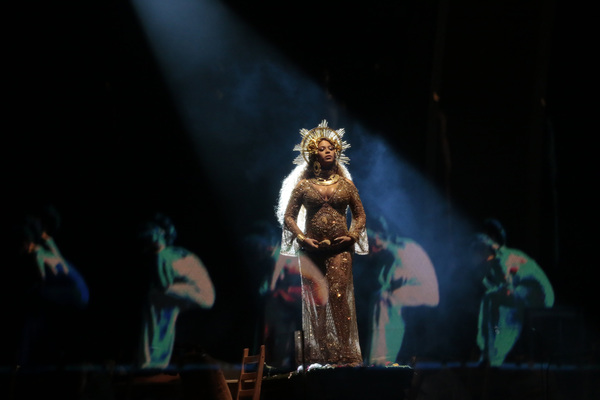
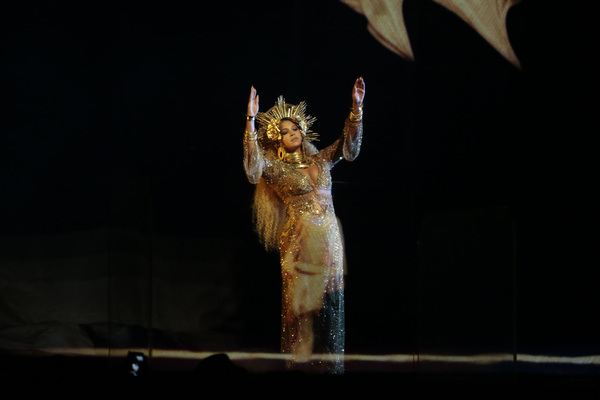
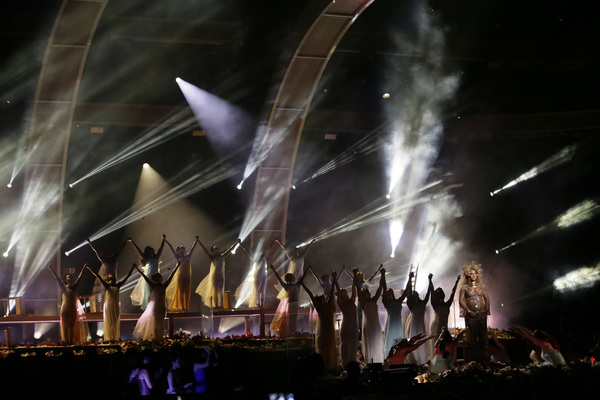
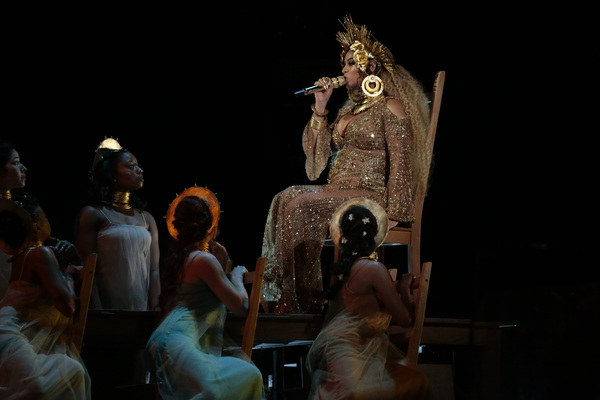
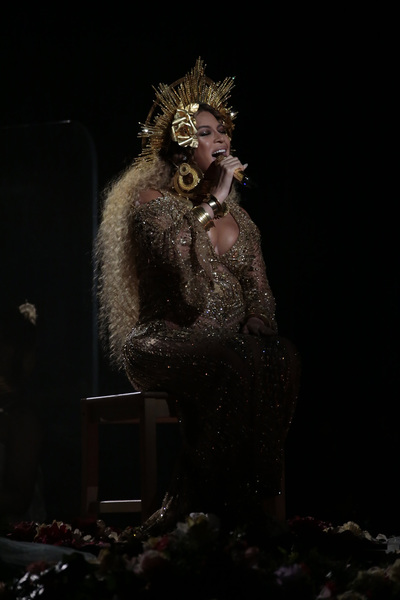
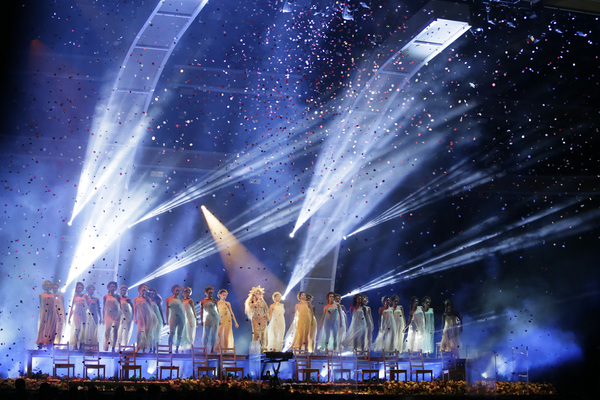
A few minutes later, Beyonce elicited gasps and cheers from the audience with her conceptually ambitious nine-minute performance medley of "Love Drought" and "Sandcastles" from "Lemonade," which is vying for album-of-the-year honors.
Likewise, in the rock performance category, where she was in the running with her track "Don't Hurt Yourself" with rocker Jack White, the Grammy went posthumously to Bowie for the title track from his final album, "Blackstar," which generated four Grammys ahead of the telecast: rock performance, alternative music album, recording package and non-classical engineered album.
The fifth Grammy for rock song gave Bowie's album a perfect five-for-five win ratio.
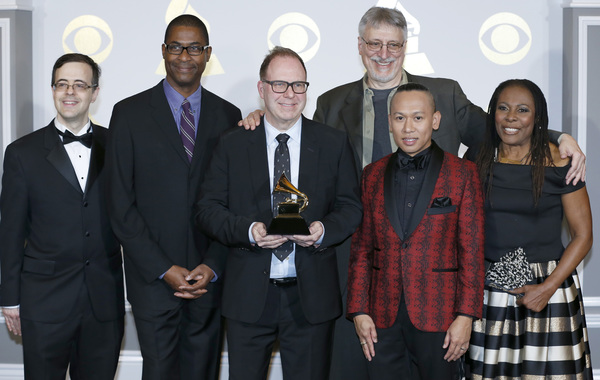
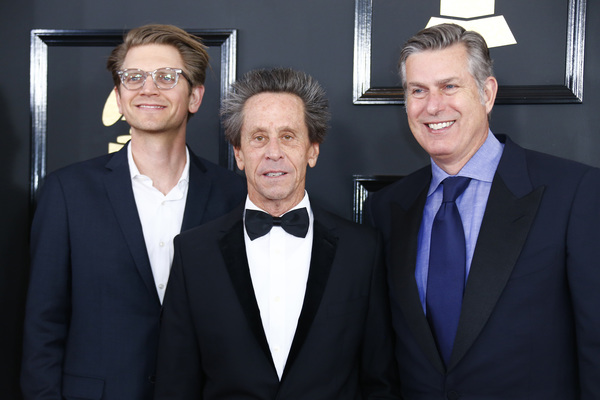
Beyonce also came in behind the Beatles for the music film Grammy, which went to the Ron Howard-directed documentary, "The Beatles: Eight Days a Week _ The Touring Years."
"I'm very happy for all involved," Abramorama Entertainment chief Richard Ambramowitz told the Los Angeles Times about "Eight Days a Week," which his firm distributed.
Close behind Beyonce's nine nods were Rihanna, Drake and Kanye West with eight apiece.
Several early Grammy winners used their time on stage to voice criticism of Trump, his proposed travel ban on immigrants and plans to build a wall on the U.S.-Mexico border.
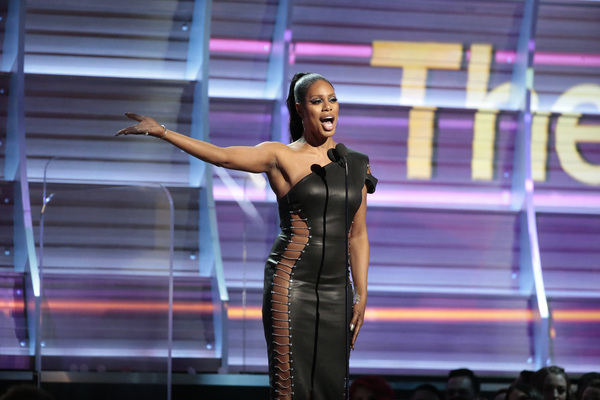
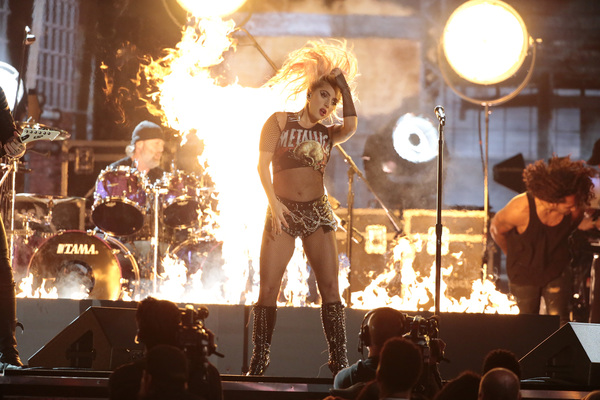
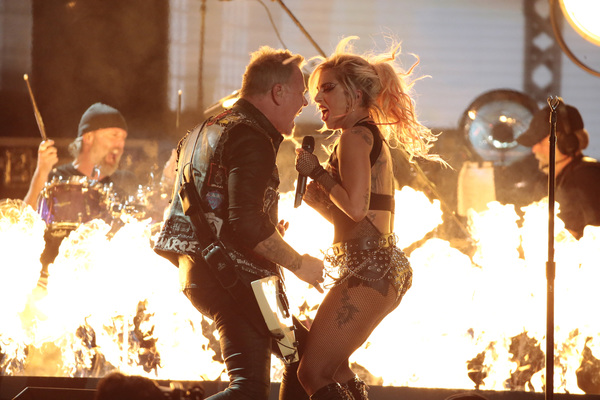
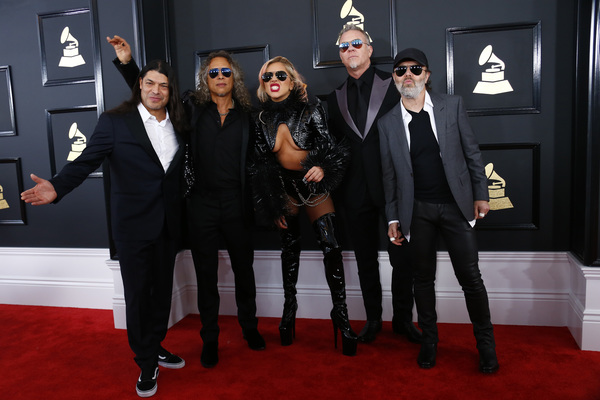
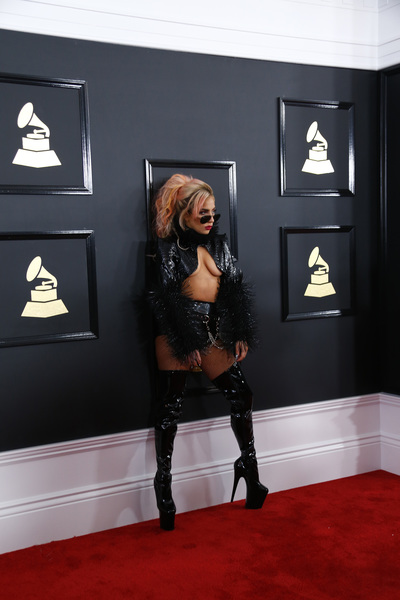
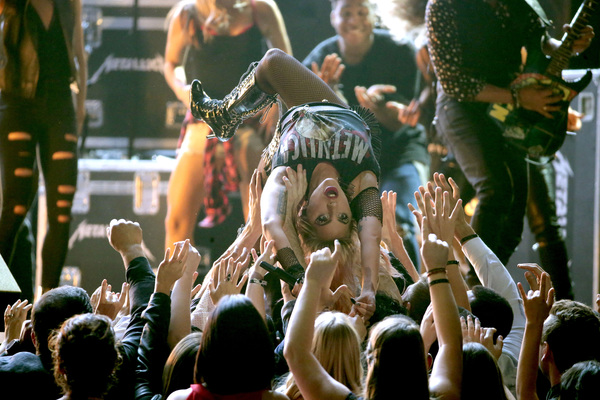
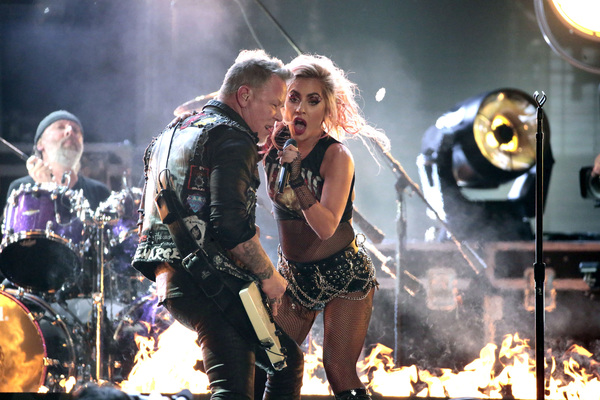
Transgender actress and dancer Laverne Cox preceded her introduction of a performance by Lady Gaga and Metallica by advising viewers to Google information about Gavin Grimm, the transgender student whose civil rights case involving bathroom use by transgender people is scheduled to go before the Supreme Court in March.
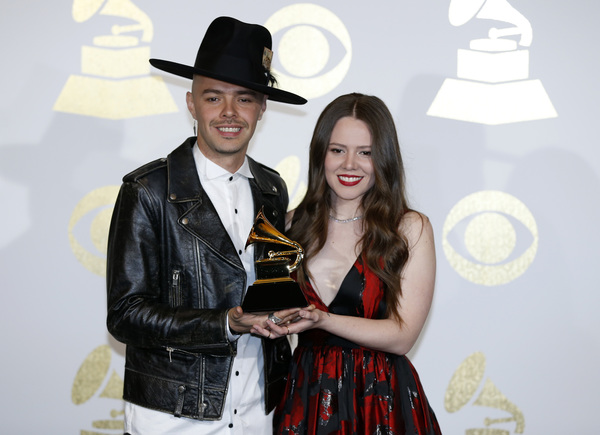
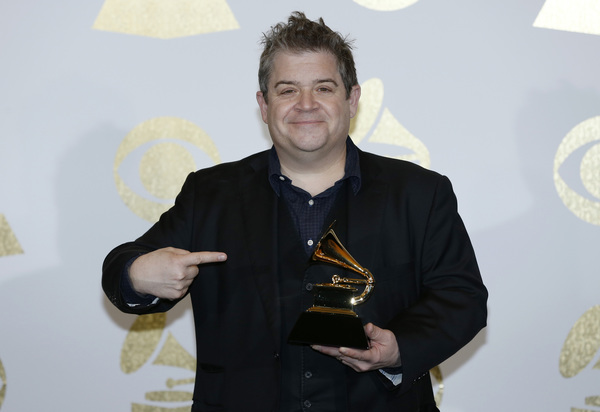
In the pre-show ceremony, comedy album winner Patton Oswalt, nominee and award presenter Margaret Cho and sibling pop due Jesse & Joy, who won the Latin pop album Grammy for "Un Besito Mas," also referenced social and political issues.
"We are so proud to be Mexican Americans," said Joy Huerta, accompanied by her brother, Jesse. "This goes to all the Hispanics in this country, to every minority group. We are with you, we stand with you."
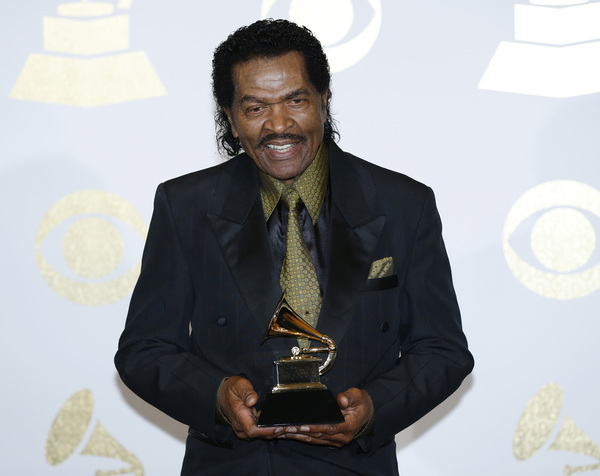
Pre-telecast awards also recognized two of the most influential acts in pop music history, with the music film Grammy for the Beatles documentary and the historical album award to "The Cutting Edge: 1965-1966: The Bootleg Series, vol. 12 (Collector's Edition)," which compiled all the recordings Bob Dylan made during an exceptionally fertile 14-month period.
The Grammy Awards are determined by about 14,000 voting members of the Recording Academy. The eligibility period for nominated recordings was Oct. 1, 2015, through Sept. 30, 2016.