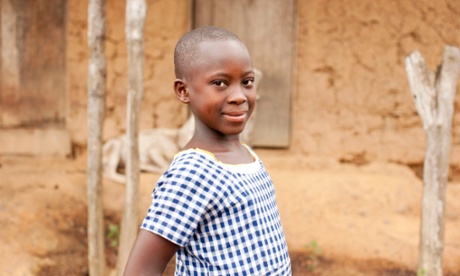
At 10 years-old, Halima is starting her first year of school. Her father is a cocoa farmer in Koffikro, Côte d’Ivoire. The small west African country produces approximately 40% of the world’s cocoa beans used to make chocolate.
Like many parents, Halima’s father kept his children out of school to help with the harvest. Most people in their community believe farm work is an integral part of growing up and an important way of passing down knowledge to the younger generation. But for Halima and millions of other children, work has come at the expense of an education and carries the burden of physical labour too severe for a small, growing body.
“Before I came to school, when I worked in the fields, I would gather the cocoa, put it in sacks and transport it,” she says. “When the cocoa is loaded into the sack, it gets very heavy.”
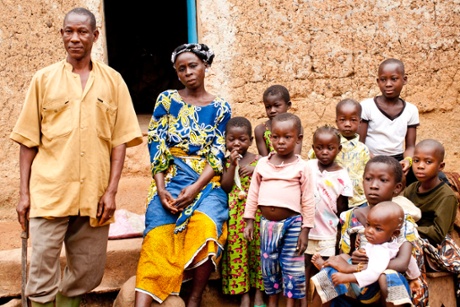
Through a community-based programme addressing the root causes of child labour, Halima and other children in her village are in school rather than in the cocoa fields.
One in 10 children works
Halima’s story, and many like hers, reveals the damaging effects of child labour – it deprives children of their right to go to school, exposes them to violence and reinforces cycles of poverty.
Almost everyone fundamentally rejects child labour, and many countries have successfully ended the practice within their own borders, but it is far from being eliminated. The clothes people wear, electronics they cherish and chocolate they eat are often the result of a child’s hard work.
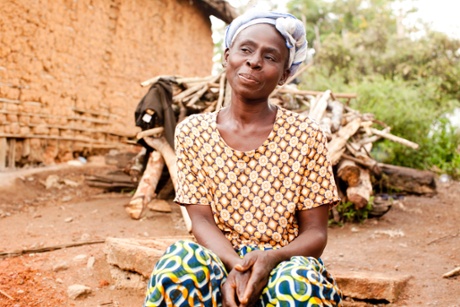
The Convention on the Rights of the Child recognises every child’s right to be protected from economic exploitation and from performing any work that is likely to be hazardous or to interfere with the child’s education, or that is likely to harm the child’s health or development.
Most countries also have national laws prohibiting child labour, in accordance with the International Labour Organization’s child labour conventions. But despite these protection mechanisms, about 168 million boys and girls globally aged 5 to 17 are working, accounting for almost 11% of the world’s children.
The persistence of child labour poses a threat not only to individual children like Halima, but also to national economies and the achievement of global development goals.
Addressing root causes and its partners confront these threats through integrated approaches that simultaneously address poverty and inequity, improve access to and the quality of education, and increase public support for respecting children’s rights.
Four years ago, UNICEF and the government of Côte d’Ivoire established child protection committees to educate families on the importance of children attending school and of protecting them from injuries sustained while working in cocoa fields.
The committees faced resistance. Parents were struggling to make a living from their farms and said they could not afford to send all their children to school.
To help, farmers were introduced to agronomists who taught them how to improve their harvest and to organise and share the farm work. Small income-generating activities were also set up for mothers.
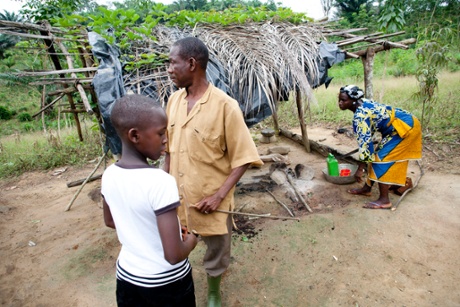
Today it is difficult to find a child in Koffikro who does not go to school.
By attacking the root causes of child labour and addressing the full range of vulnerabilities children face, UNICEF and partners build durable solutions and strategies for long-term prevention.
Private partnerships
The private sector has a critical role to play in protecting children from the worst forms of labour.
UNICEF, together with the United Nations Global Compact and Save the Children, has developed the Children’s Rights and Business Principles. The Principles outline how business can respect and support children’s rights in the workplace, marketplace and community. They also describe how business can make a corporate commitment to supporting children’s rights.
Ikea is one company that made this commitment. It prioritises preventing child labour by training co-workers, suppliers and subcontractors, organising unannounced third-party inspections of suppliers and subcontractors, and having clear procedures when child labour is discovered.
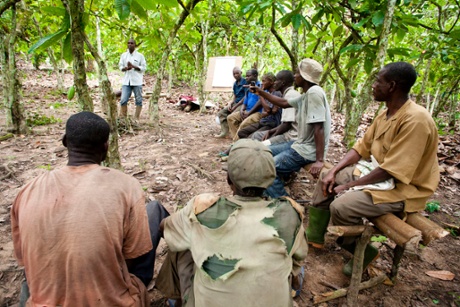
UNICEF is replicating these activities around the world.
In Vietnam, private sector partnerships address child labour in urban and rural settings. In India, UNICEF works closely with a global travel company to determine how its operations affect children, and in the Democratic Republic of Congo, UNICEF is working with mining companies to remove child labourers.
Post 2015
As the world looks ahead to launch a new global development agenda in 2015, protecting children from violence, exploitation and abuse must be a global priority and include a clear target on eliminating child labour.
Not only will ending child labour improve the health, wellbeing and access to education for millions of children, it is also essential in building a world where children’s rights are a reality everywhere.
Joost Kooijmans is senior advisor on child labour, UNICEF, and Richard Ross works in the child protection section, UNICEF
More from the UNICEF partner zone:
- Understanding the Children’s Rights and Business Principles - infograph
- How business affects children in global supply chains - in pictures
- Empowering women in global supply chains
Content on this page is paid for and provided by UNICEF, sponsor of the children’s rights and business hub