MIHAMA, Fukui -- Sprinkle salt and rice bran on fresh mackerel, put the fish in a large container and allow it to ferment -- that's how you prepare heshiko, a nonperishable dish and specialty of Fukui Prefecture.
You can also use sardines or fugu puffer fish, but mackerel is the usual choice for heshiko.
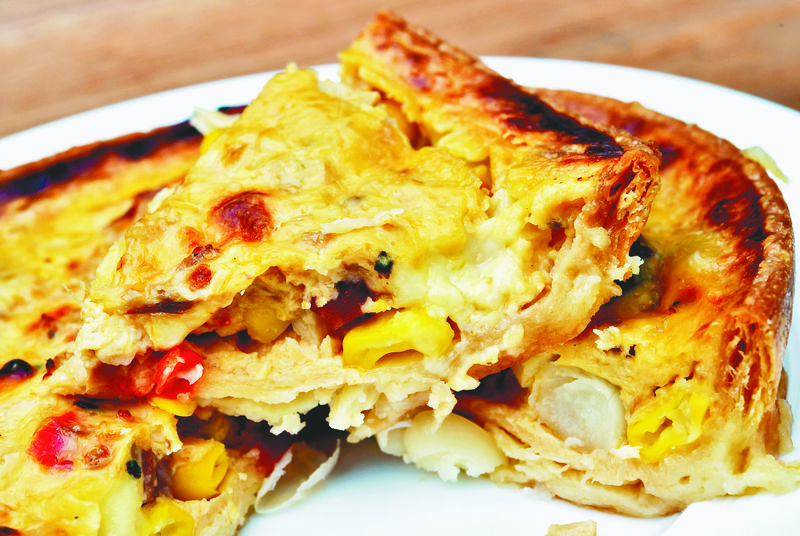
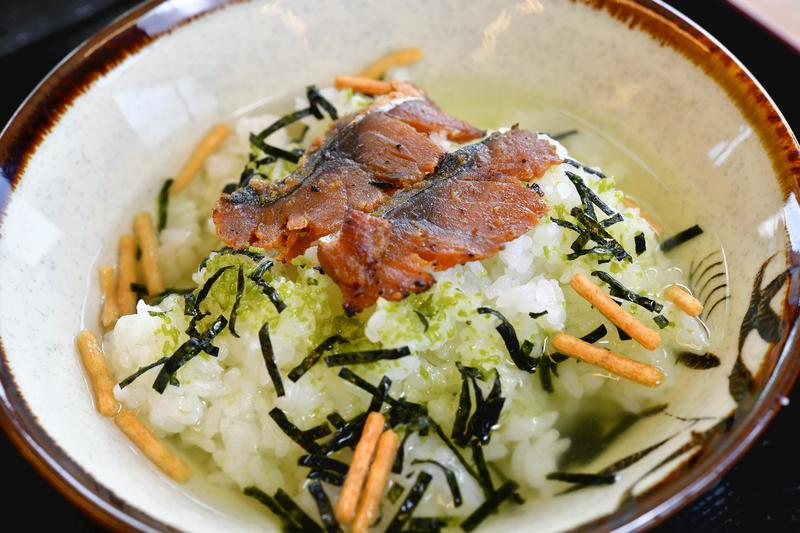
Heshiko tastes rather salty with distinctive flavors, so putting a slice or two on ochazuke -- a bowl of cooked rice with hot tea or dashi broth poured over it -- is probably the only experience for many who have eaten the fermented mackerel. Yet this traditional delicacy is also used in Western-style dishes at quite a few restaurants in Mihama, Fukui Prefecture.
"I heard that an acquaintance sent heshiko to someone in a big city who couldn't use it all," said Hiroko Masaoka, 78, who runs the Aurora eatery in the town. "So I recommended Western-style dishes that use heshiko.
"I used the opportunity to serve the dishes at my restaurant, too, and they turned out to be popular with customers. So I decided to add them to our menu," she added.
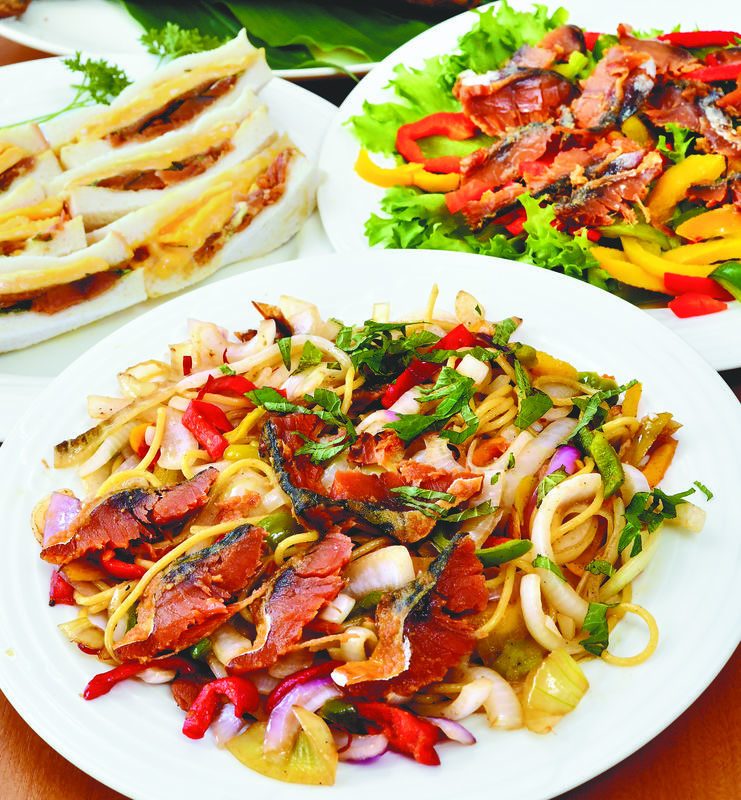
It was nearly 20 years ago that Masaoka started serving heshiko spaghetti, carpaccio and sandwiches, which were all well appreciated by local residents. Those dishes are still available at Aurora for 1,000 yen each.
Heshiko spaghetti comes with flaked, slightly roasted pieces of the fermented fish plus colorful vegetables. It's a happy marriage of the umami flavor of heshiko and the sweetness of the vegetables. With a special marinade poured over it, heshiko carpaccio may look high in sodium, but, surprisingly it's not that salty.
Mihama is a top production municipality in the prefecture for the specialty, turning out about 150,000 whole heshiko every year. The town's version is rich in umami and relatively low in salt. Norwegian mackerel, which contains a lot of fat, is often used to make heshiko.
In recent years, the traditional food has also drawn attention as a healthy item to control high blood pressure. Eating too much is probably not good, but its addictive flavors are a great complement to beer and wine.
A yearlong process
I visited Mikiko Kato, a heshiko producer in Mihama, to discover the secret behind its flavors.
"In the old days, we used only salt and rice bran to prepare heshiko," said the 76-year-old woman. "But it's changed now."
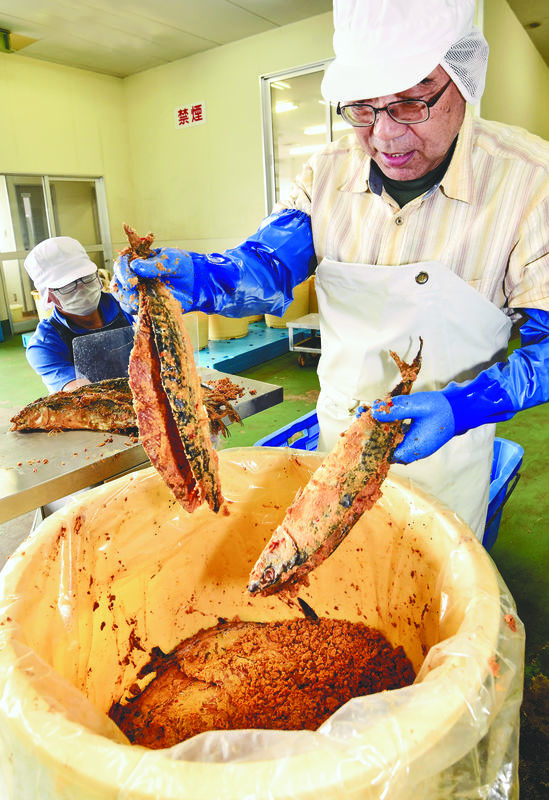
Mackerel is first salted in a container for about a week, during which a liquid emerges from the fish. The liquid is then heated, cooled down before adding soy sauce, mirin, shochu distilled liquor, sake lees, rice bran and other ingredients. Then the fish is further pickled in the mixture.
Heshiko preparations often begin in autumn and require nearly a year to complete. It must not be tasted in between. "When hot weather comes, the fish ferments and makes a popping noise," Kato said. "That's the sign it's ready for eating."
Mihama is a small town with a population of about 9,400 people. Yet its sightseeing brochures list nearly 30 restaurants and minshuku guest houses that serve heshiko dishes. More than 10 of these establishments use the specialty in Western-style meals. One of them even boasts a soft-serve ice cream made with rice bran used to prepare heshiko for 450 yen.
"Personally, I like the conventional way of eating heshiko in an ochazuke style," Kato said. "However, I'm really glad it's used in various ways."
Read more from The Japan News at https://japannews.yomiuri.co.jp/
.jpg?w=600)