Good morning!
Employee motivation is closely linked to productivity. Some employers are leaning into recognition to ramp up engagement, while others are monitoring productivity. But there’s another lever that leaders have spoken less about: incentivization.
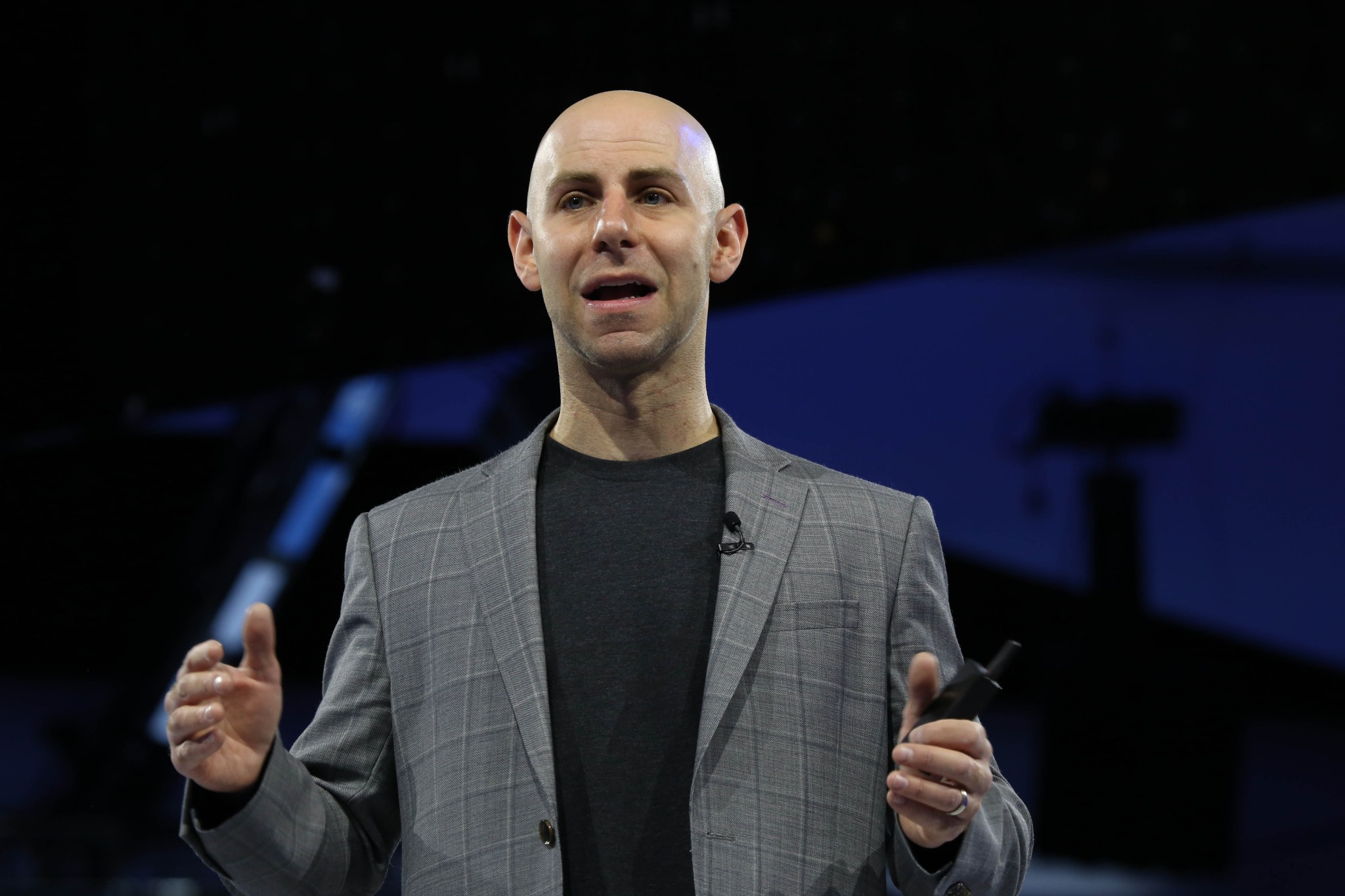
The topic of employee incentivization can be divisive, with the main critique being that it doesn’t create genuine behavior change. But in a podcast hosted by organizational scientist Adam Grant, behavioral economist Uri Gneezy argues that employers tend to give up too soon on the practice. When designed right, incentives can have a powerful impact on employee behavior, the two say. Here are the top four factors to remember when creating an incentive program.
Know what you’re getting into
It’s true that incentives don’t always create the desired outcome. But Grant argues that incentivizing performance can boost the volume of work performed by employees, though it might not always result in the quality of work leaders seek.
“My read of the evidence for performance incentives is that for the most part, they don’t undermine performance, but that reward is much more effective in motivating performance quantity than quality,” he says. “So incentives may boost productivity to a much more effective degree than they promote creative thinking. In other words, maybe it’s easier to motivate people with incentives to work harder than it is to work smarter.”
If at first you don’t succeed, design again
Incentives should be treated as an experiment that needs to be tested, tweaked, and adjusted to fit varying workforces. “Too often I see companies that say, ‘We tried incentives, it didn’t work,’” says Gneezy. “No, you just designed a bad incentive.”
He offers two suggestions for leaders whose incentive programs seem to be falling short. First, go back to the drawing board and think about what message you want to send employees through the incentive. Second, focus on testing to better understand what works. “If it works like you want it, great. If not, modify until you get it right."
Mind the unintended consequences
The incentives you put in place to motivate employees may have an unanticipated effect, says Grant. “They’re almost like taking a drug that hasn’t been fully vetted yet. A lot of people assume that incentives are straightforward—you reward the behavior that you want, you get more of it. You punish the behavior you don’t want, you get less of it.” That's an oversimplification, he says.
Consider the message
Consider your stated and unstated communication. “When we design rewards and punishments, we think a lot about the results we’re trying to motivate. We need to be at least as thoughtful around the relationship that we’re trying to build because every incentive sends a message," says Grant. "It can tell people that they’re just a means to an end, or it can tell people that we care about them."
Amber Burton
amber.burton@fortune.com
@amberbburton