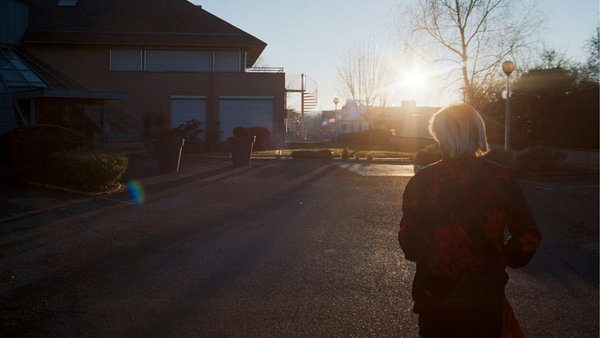
An “active” 35-year-old mum-of-two was diagnosed with inoperable bowel cancer four months after her daughter was born.
Alice Norris was pregnant with her daughter, Olivia, when she noticed blood in her stool, which she initially put down to haemorrhoids, but when she started noticing changes in her poo as well, she realised something might be seriously wrong.
A colonoscopy then confirmed that she had a large, inoperable bowel tumour, and she began months of chemotherapy and radiotherapy to try to shrink the tumour to an operable state.
For now, she said, all she can do is “take each day as it comes”.
Alice, who is originally from Newcastle-upon-Tyne but is renting in Somerset to be closer to family during her treatment, feels that her story is “the opposite to the perception of someone who’s got bowel cancer”.

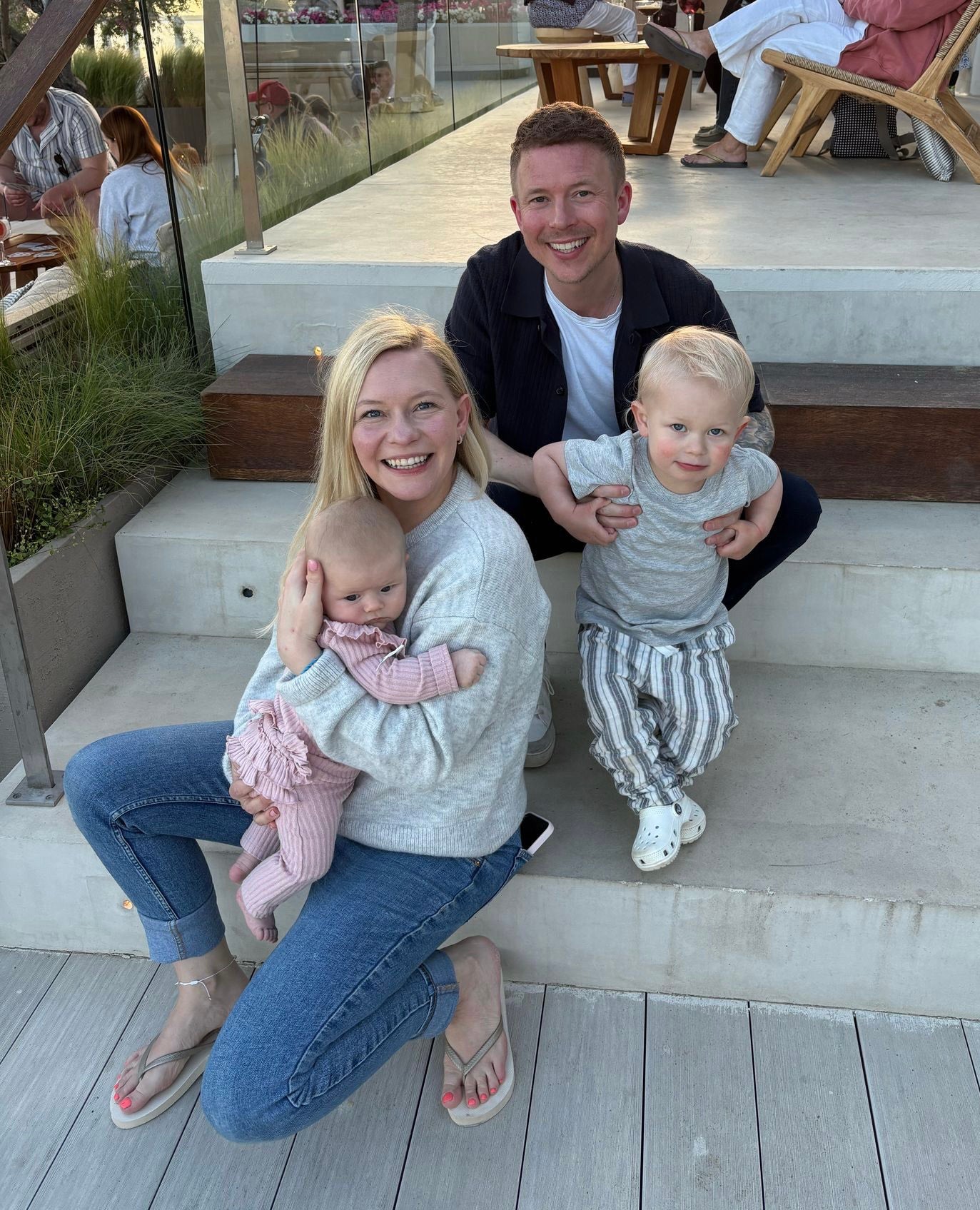
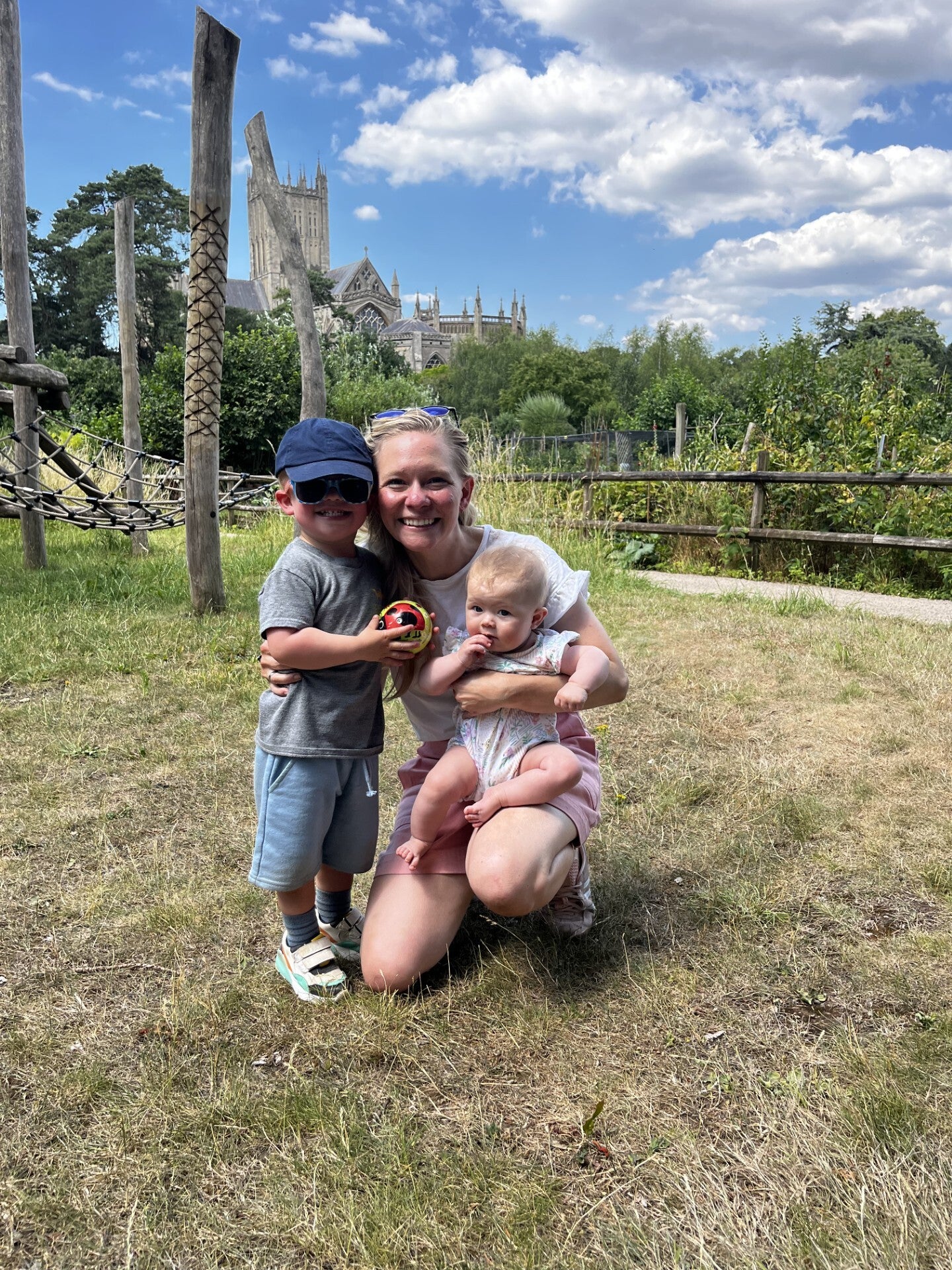
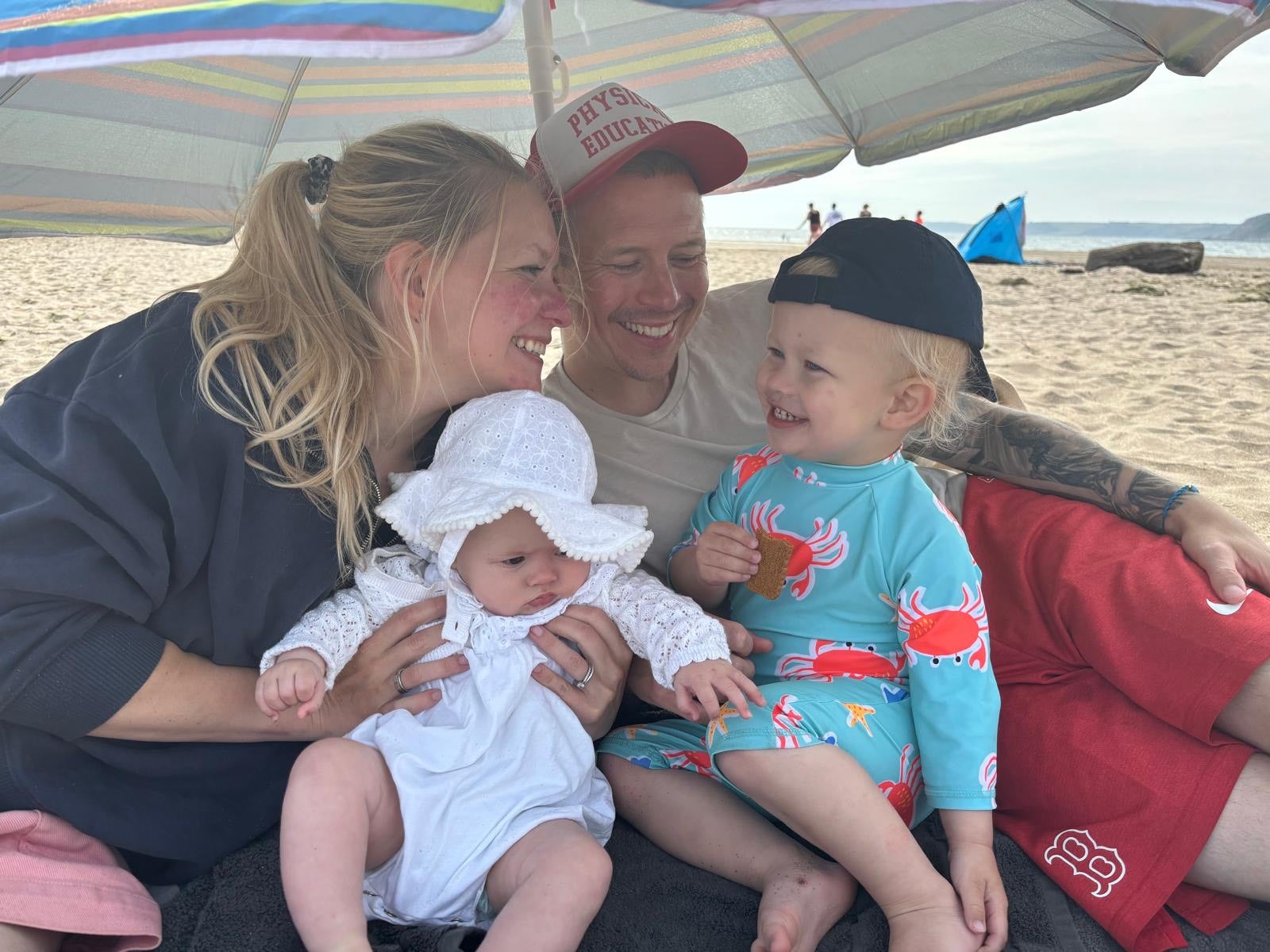
“I’m young, I’m so healthy, I’m active. I’ve run a marathon, and I used to do CrossFit. I’m always on the dance floor, I would like to think that I’m a really fit, active, healthy person,” said the mum, who lives with her children Oscar, two, and Olivia, now 11 months, and her husband Olly.
“So I guess this really just shows that it can happen to anyone.”
“During the later stages of my second pregnancy, I started to notice blood in my poo, but I had read and I knew about haemorrhoids, so I didn’t want to panic,” she explained.
“But when I started to see differences in my poo as well as the blood, I promised myself that if these symptoms don’t get better once my baby is born, then I’ll go to the doctors.
“I feel so silly now saying that, and it sounds silly looking back, like: ‘Why didn’t you go sooner?’ But this is my second pregnancy, and I knew people who had piles. I put it down to the pregnancy, ultimately.”
After Olivia was born in January, the symptoms did not improve.
“In fact,” Alice said, “they got worse”.
She experienced consistent blood in her stool, which she said was the main symptom that raised alarm bells. She also had inconsistencies in her stool, both in terms of quantity and texture.
“Every day was a different story when I looked in the toilet, and that was worrying,” she said.
Alice went to her GP, who did a blood test, which came back clear. She was reassured that she was at low risk and since she had no family history of bowel cancer, “it was unlikely to be anything sinister”, and was treated for haemorrhoids, too.
“But thankfully, I was sent for a colonoscopy, and that’s when my world got turned upside down.”
In June 2025, Alice had a colonoscopy. Immediately afterwards, she was taken into a private room and immediately knew that she was about to receive bad news.
With her four-month-old daughter in the pram beside her, Alice was told that doctors had identified a large tumour, and that they were “very, very sure that it’s cancer”.

“It was just such a tough moment,” she said.
“I felt shocked and distressed, and like the rug was just being pulled from under my feet.
“But thankfully, I’m a practical person, so I did go straight to: Right, what’s the next step? What do we need to do here?
“But, as you can imagine, it was just awful. And pretty much from that moment, life just became a whirlwind.
“I was getting to know my new best friends, who were doctors and nurses. I was having blood tests, consultations, and infusions. I was whisked away from my four-month-old baby, I had to stop breastfeeding immediately.
“Life just looked so different.

“My husband had to take on having a newborn and having a toddler full-time, pretty much, on his own, because I had to be at all these appointments.”
While the cancer is in Alice’s rectum, she was also told that scans showed spots on her lungs, which doctors believed could be cancer that had spread from the main bowel tumour. That would make her cancer stage four, the most advanced stage.
“I left the hospital that day thinking: I have a large tumour and it’s spread to my lungs as well,” she said, adding that she had been referred for a PET scan to investigate further.
“That was the worst 20 minutes of my life, probably.
“Thankfully, they did a PET scan, and scans since then have shown that those spots have resolved.
“Even now, I’m still scared, but the focus has been on the bowel tumour itself.”
Alice still doesn’t know the stage of her cancer, as it was deemed medically uncertain after the PET scan – but she hopes it is now at a lower stage than previously feared.
In terms of treatment, Alice was determined to “throw the kitchen sink at this”.
“I want anything and everything, anything that can get me through this, I’ll do it,” she said, adding that she was put on a course of chemoradiotherapy, a combination of chemotherapy and radiotherapy.
Alice’s treatment began with six cycles of chemotherapy over 12 weeks, which she described as “really brutal”.
“I’m a positive person, but it really tested me, and I was surprised by how floored I really was,” she added.
“I felt constantly sick. I lost all my hair, and couldn’t sleep. But it did have an entertaining side effect or two, which was cravings for chicken nuggets, so I spent a lot of time in the McDonald’s drive-through car park! But I guess you’ve got to take any small highlights that you can get.”
Alice went for chemotherapy every two weeks and would feel very ill for ten days afterwards, by which point it was almost time to go back for another cycle.
“It was just relentlessly feeling unwell, basically, for 12 weeks.”
After the chemotherapy was over, she had a four-week break before undergoing five weeks of radiotherapy, which she said was “challenging in a different way”.
“And our newborn also decided to get some teeth,” she smiled.
“So we had radiotherapy in the day, up with the newborn at night. It was a lot.
“It was in the build-up for Christmas as well. It was hard, but then we did it, and it was Christmas, and thank goodness it was over.

“Now we’re in a new year, and what I’m hoping and praying for is surgery in the spring. That is the hope.
“But I had my scans this week, and I don’t know what they’re going to say.
“Cancer, it’s unpredictable. No one can say what’s gonna happen until we see scans.”
It’s the unpredictable nature of the disease that has been most difficult for Alice and her family to deal with, in many ways.
Alice lost her mum, Elizabeth Anne, to blood cancer eight years ago, and she said her cancer diagnosis has been “so triggering” for her and her family, who are reliving the chemo, the treatment, the uncertainty.
“I’ve had to live with uncertainty before, but I’ve had to learn to live with it again,” she said.
“It’s really difficult, and it’s worrying, and it’s distressing, and all I can do is take each day as it comes.
“I just have to bring it back down to today, and literally tell myself to put one foot in front of the other, and that’s how I cope with it.”
Alice hopes that her story will encourage others to understand the symptoms of bowel cancer, which, according to the NHS, include changes in poo, blood in poo or bleeding from the rectum, stomach pain, and bloating, to know what normal poo looks like to them, and to “break down those taboos about talking about your poo”.
After all, she said, “it might save your life, or someone else’s”.
Main symptoms of bowel cancer
NHS
Symptoms of bowel cancer may include:
- changes in your poo, such as having softer poo, diarrhoea or constipation that is not usual for you
- needing to poo more or less often than usual for you
- blood in your poo, which may look red or black
- bleeding from your bottom
- often feeling like you need to poo, even if you've just been to the toilet
- tummy pain
- a lump in your tummy
- bloating
- losing weight without trying
- feeling very tired or short of breath – these are signs of anaemia, which can be caused by bowel cancer
Genevieve Edwards, chief executive of Bowel Cancer UK, said: “We’re incredibly grateful to Alice for raising awareness of her experience of bowel cancer, and we wish her all the best with her ongoing treatment.
“Every 12 minutes, someone in the UK is diagnosed with bowel cancer, making it the fourth most common cancer. Although the disease is more common in the over 50s, there is a growing body of evidence globally that bowel cancer is increasing in younger people, including in the UK.
“Bowel cancer is treatable and curable, especially if diagnosed early. Whatever your age, if you’re experiencing symptoms of bowel cancer like bleeding from your bottom, blood in your poo or a change in your pooing habits, please contact your GP to ask for an at-home test. It could save your life.”
I’m a parent, how worried should I be about AI?
NHS cancer screenings you’re eligible for and how to request a test
8 conversation tips to get kids to open up
Father diagnosed with terminal condition after noticing symptom at swimming pool
8 tips for welcoming a new daughter or son-in-law into the family
I went to bed 30 minutes earlier for one week. Here’s what happened