Action on stroke month: life after stroke - in pictures
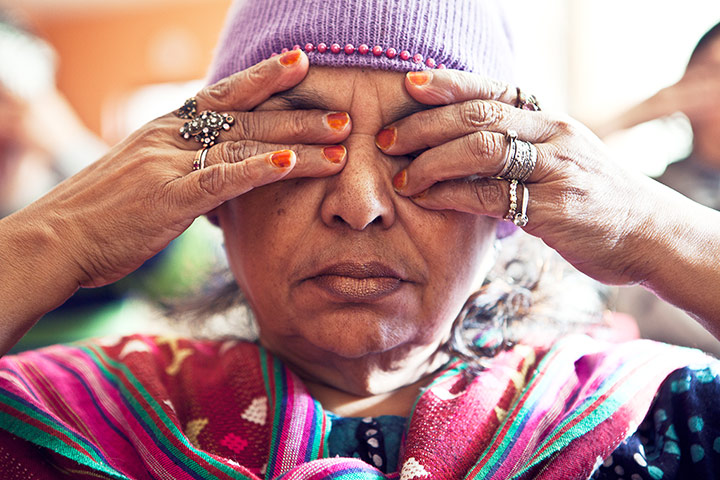
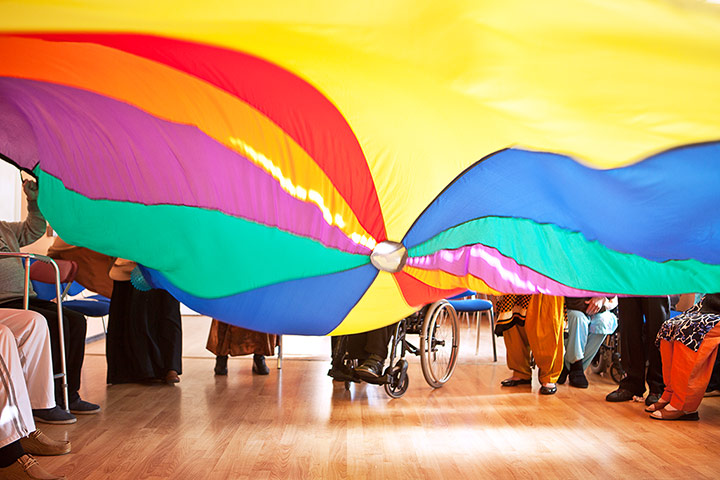
A breathing and meditation class at Newham Stroke Club in north-eat London.Photograph: Joseph Fox/The Stroke AssociationStroke clubs can be very important. One survivor says: 'You need to know there are others going through the same experience.'Photograph: Joseph Fox/The Stroke AssociationInger says: 'My job used to be part of my identity. I used to be a gold-standard multi-tasker, but the part of my brain which made me so good is damaged.'Photograph: Joseph Fox/The Stroke Association
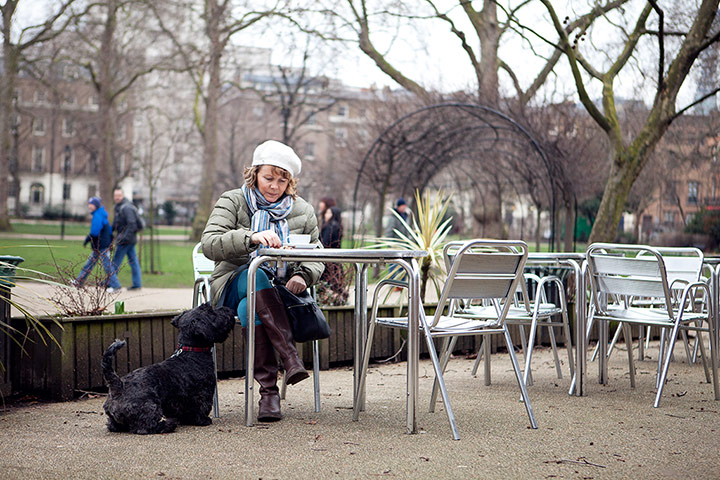
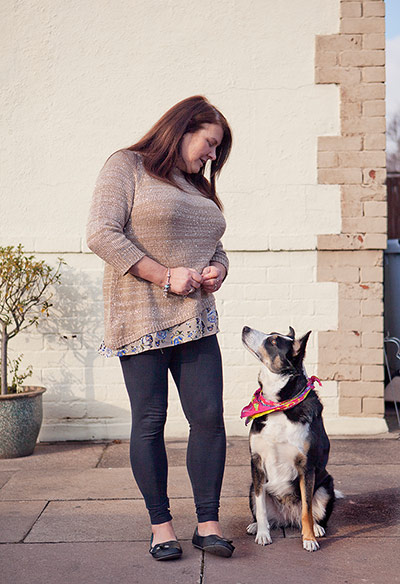
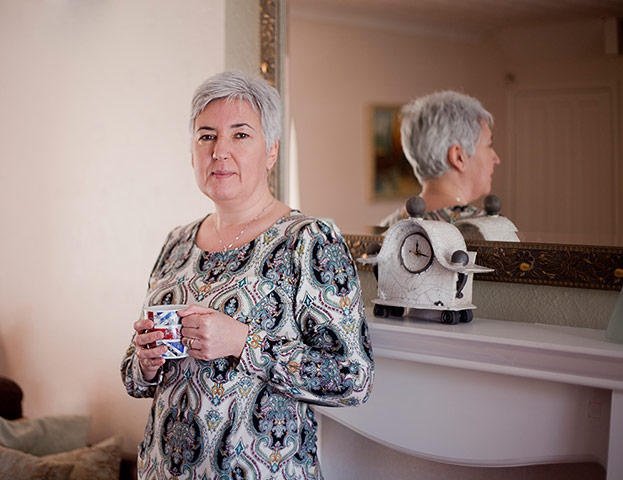
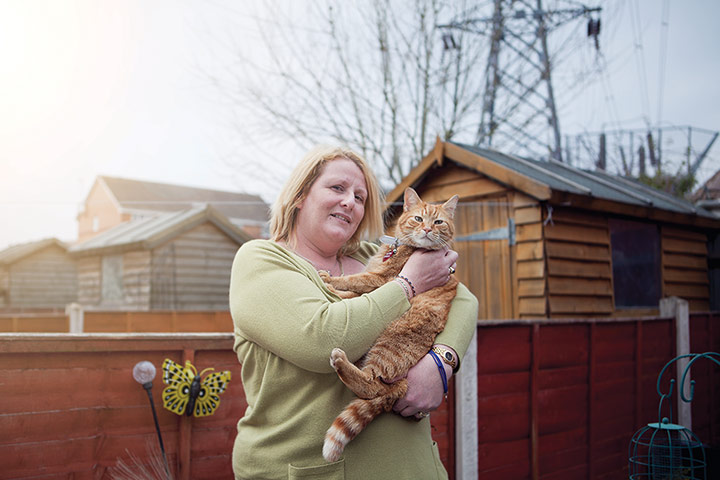
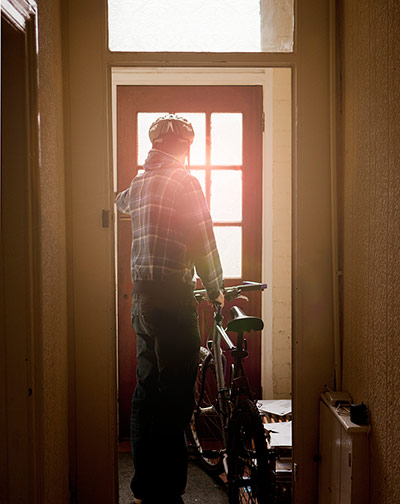
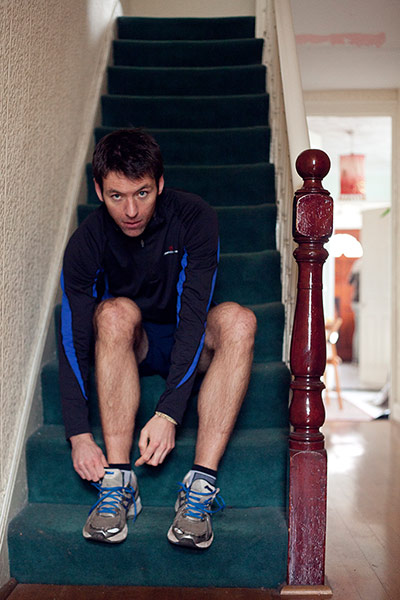
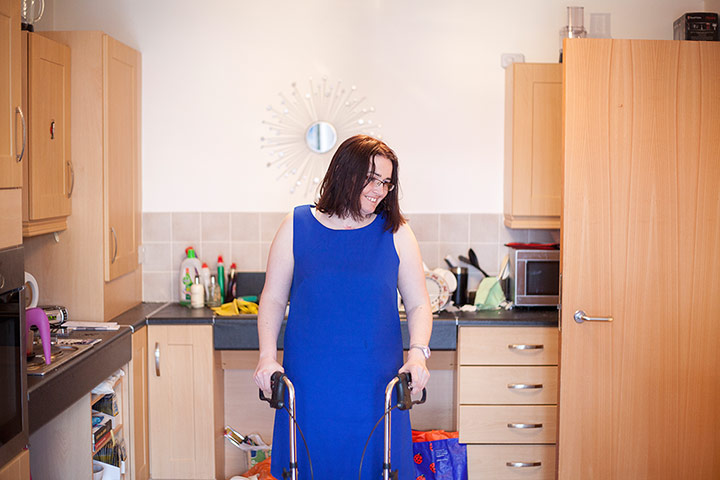
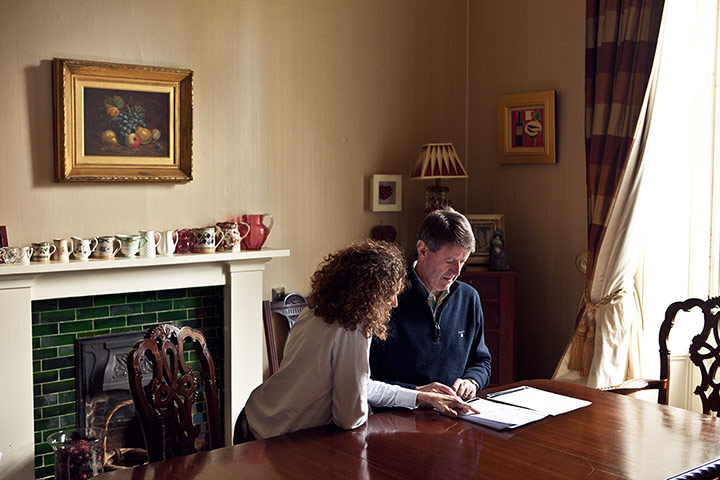
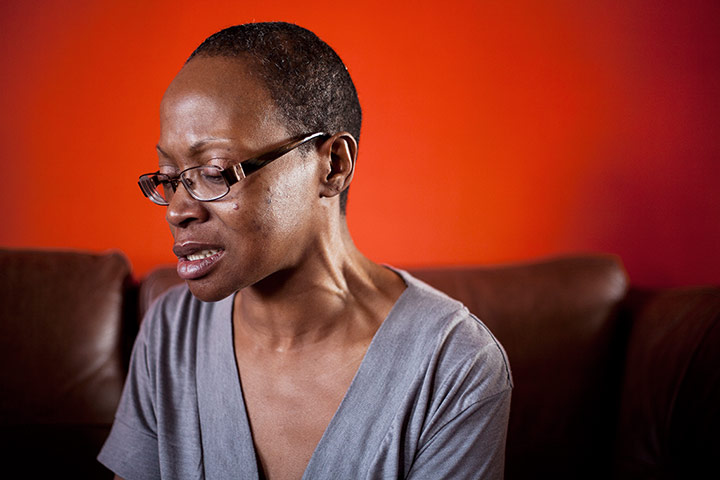
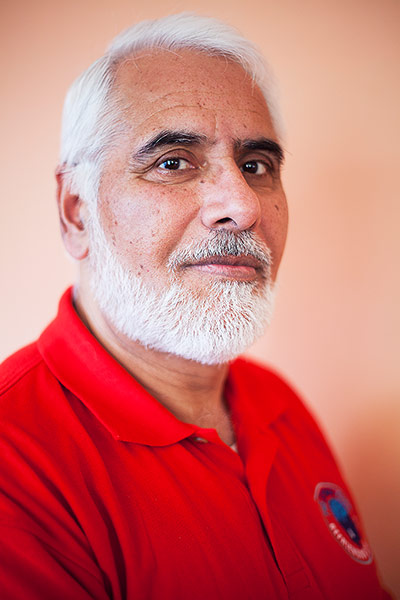
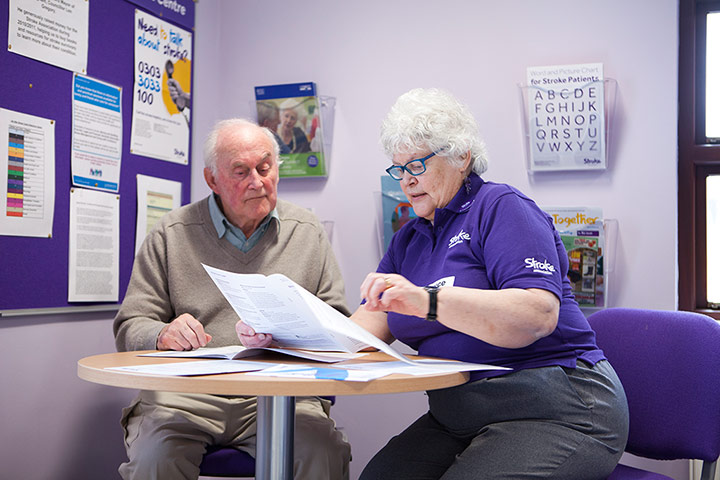
Christine says: 'It's like I haven't fully come back. I've not had too much damage to my mobility, and I think that's why friends say they can't see any change; but I know I'm a different person.'Photograph: Joseph Fox/The Stroke AssociationThe emotional strain on carers looking after stroke survivors can become more acute over time. Anne says: 'It's been a long, hard journey and it's not over yet.'Photograph: Joseph Fox/The Stroke AssociationJoanne says: 'The Stroke Association explained why I was tired all the time, why I kept going to the kitchen and leaving the gas on. It only made sense once I knew what a stroke meant and what damage had happened to my brain.'Photograph: Joseph Fox/The Stroke AssociationA survivor prepares to go out on his bike. The emotional impact of stroke can be just as devastating as the physical effects.Photograph: Joseph Fox/The Stroke AssociationEoin prepares to go running. People often assume it's something that happens to older people, but a quarter of strokes afflict people under 65.Photograph: Joseph Fox/The Stroke AssociationEleanor says: "The team in the hospital saved my life. But it was the rehabilitation team that made my life worth living.'Photograph: Joseph Fox/The Stroke AssociationMarie and Paul at their dining table. Around a third of stroke survivors stuggle with communication after a stroke because of a condition called aphasia. Living with aphasia is tiring; trying to communicate when important bits of your brain have been damaged needs a lot of effort. Photograph: Joseph Fox/The Stroke AssociationPatricia says: 'When I cried, professionals didn't know what to do.'Photograph: Joseph Fox/The Stroke AssociationAbdul says: 'My young daughter gave up things to help my recovery to the point that I felt she'd lost years. It still kills me when I think about it.'Photograph: Joseph Fox/The Stroke AssociationA stroke survivor discusses his next steps with a volunteer. Photograph: Joseph Fox/The Stroke Association
Sign up to read this article
Read news from 100's of titles, curated specifically for you.