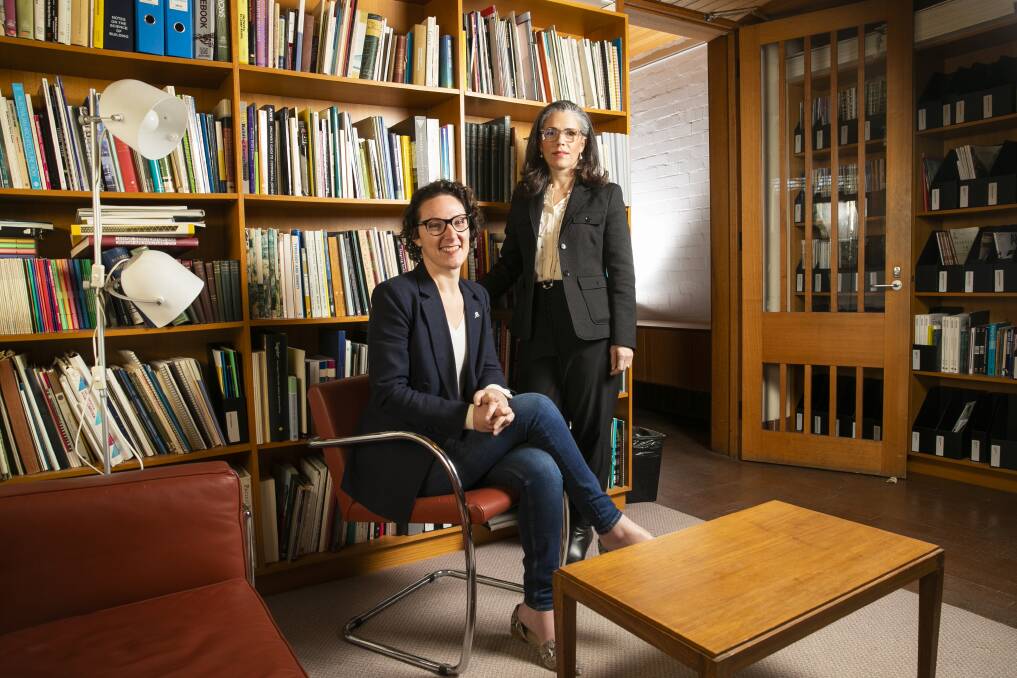
Canberra is showing it is more than on the drawing board in terms of architecture practice and policy as the local and national chapters of the Australian Institute of Architects are set to be led by two passionate local architects.
Shannon Battisson has been elected the next national president while Jane Cassidy is the new ACT chapter president.
Both women grew up in Canberra and are enthusiastic about the architecture that exists in the national capital and what is to come.
Ms Battisson, 40, is a director of The Mill: Architecture and Design. She was awarded the ACT chapter's Emerging Architect Prize in 2018.
She said with Ms Cassidy also sitting on the national council, it was a chance to have two voices telling the story of Canberra architecture.
"It's a bit of a long-held national story that Canberra is quiet, a bit of a sleepy town but actually we're not," Ms Battisson said.
"I think we've got a really incredibly strong and incredibly diverse architecture scene and we are doing incredible projects both here and around the country."
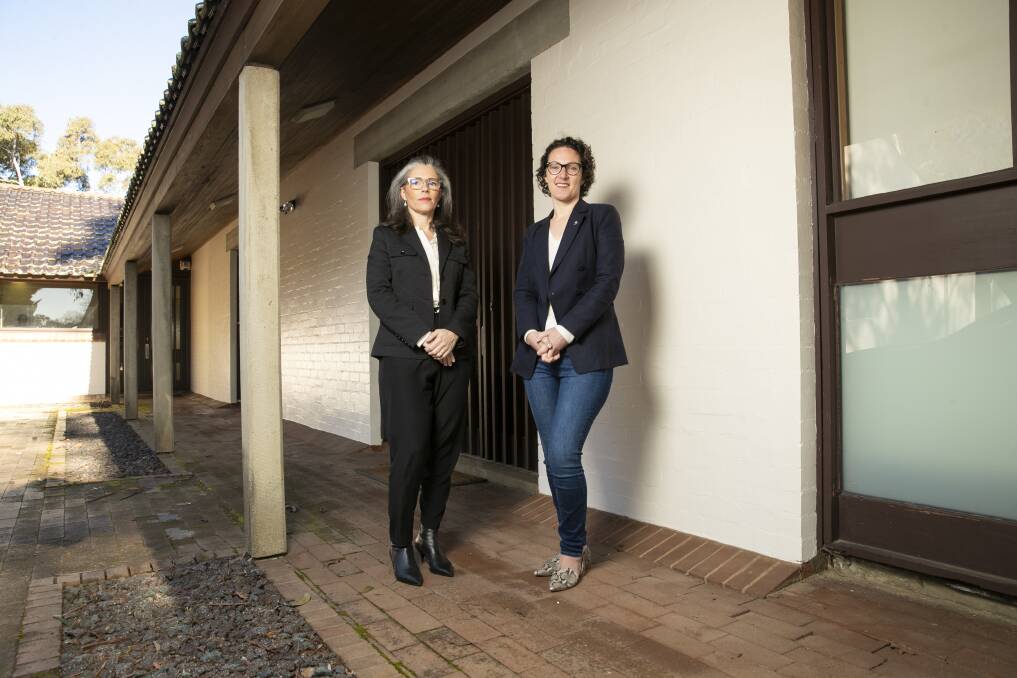
The former Dickson College student who studied architecture at the University of NSW was "very excited" to be national president, taking over the role next year and now earning the ropes from current president, Adelaide's Tony Giannone.
Jane Cassidy, was born and raised in Canberra and studied architecture at the University of Canberra. She worked in Queensland and later taught for a decade at UC. She is now working with GHDWoodhead, working on larger-scale public infrastructure throughout Australia and the region.
Ms Battisson specialises in climate-responsive architecture, both in new and old homes. She designed her own family's home, first in Coombs, and then Denman Prospect, to show "what was possible on a standard block with a standard budget". One of her passions in Canberra modernist architecture and bringing them up to date in terms of comfort and sustainability.
When it comes to what they do and don't like in local architecture, Ms Battisson says Churchill House on Northbourne Avenue by Robin Boyd is a favourite and ripe for a rennaissance. She is not a fan of "nameless, faceless glass boxes".
"I really love buildings that really feel they are inherently of the place where they've been built," she said.
"And so that buildings that tend to stand out for me are a bit nameless, they could have been built in any city around the worId," she said.
"I really struggle with the rate at which we are pulling down our older buildings in Canberra at the moment and I always wait with great anticipation that they start building another one and hope it's something that was worth sacrificing that part of our chapter.
"When they're nameless, faceless glass boxes I think, 'I wish we could have done something a bit better , something that really speaks of being in Canberra, that speaks of this great legacy and our climate which is different to most other cities in Australia'. And that just begs a really wonderful bespoke approach."
Ms Cassidy, 48, a former Daramalan College student, loved the National Portrait Gallery for its playfulness and the way it "has a conversation with other buildings in the precinct".
She also felt the Australian Institute of Architects' ACT chapter headquarters in Red Hill was exemplary for its longevity and continued usefulness.
"I think that's one of the really big things architects can do for the community which is develop spaces and buildings and places which have longevity and that's massively important in terms of sustainability," she said.
Ms Cassidy was less a fan of homes that might be too big for the number of people in them or which left no room on the plot for trees, saying vegetation was vital.
"I think that's also really important in terms of sustainability," she said.