Three concepts encapsulate the challenges being debated at the Public Leaders Summit. These concepts are accountability, cost-effectiveness and co-operation.
We live in a fast-paced world. The way the nation and its public services were governed 50 years ago simply would not meet the incredible demands of the 21st century. As citizens, we now want 24/7 accountability, and we expect the full disclosure and transparency of those public decisions taken in our name.
Decision-making that is obscure, unseen or hidden fails the test of a modern democracy.
We demand good governance that balances effective executive power with appropriate checks and balances. This is why successive governments have tried new approaches. The introduction of directly elected mayors and directly elected police and crime commissioners has set a new style and scale of democratic accountability across several cities and many communities in England. These may challenge traditional governance arrangements, but above all they serve to open democratic accountability to new voices and new approaches.
Cost-effectiveness is the second key concept; finding an answer to the question "what is the cheapest and most effective way of solving this problem?" This begins with planning effective outcomes for citizens, before addressing the cost to the taxpayer of designing solutions to these outcomes. "Value for money" in the 1980s, and subsequently "best value" in the 1990s were both unsuccessful attempts to blend cost with effectiveness.
The drive to reduce costs, improve productivity and heighten overall efficiency is the key to public management for the foreseeable future, and it cannot be avoided. Cost-effectiveness is the hallmark concept for public leaders in these austere times.
Co-operation is the third watchword – effective competition between alternative providers will always spur on innovation and cost reduction. But for 21st-century public services to be successful, they will also need to build on co-operation between service users and service providers, as well as on co-operation between providers in the private, public and not-for-profit sectors.
Many of our most persistent problems (such as unemployment, poor health and crime) cannot be solved by people acting alone or by single public agencies or businesses simply working smarter. An ethos of more effective co-operation is needed – one where public service providers work more collaboratively with businesses and not-for-profit agencies to help people and communities solve their own problems themselves.
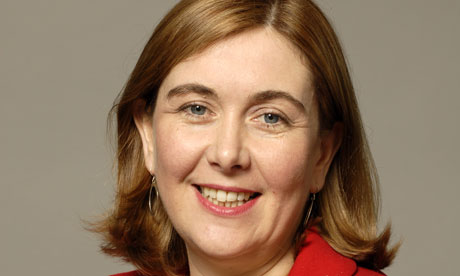
Katherine Kerswell is director general for civil service reform at the Cabinet Office and is a speaker at the Public Leaders Summit on 6 February 2013
• To respond to this, or any other article on the Guardian public leaders network, email public.leaders@guardian.co.uk. You must be a member of the network to submit articles for publication.
• For the latest public leadership updates, follow us on Twitter
Why not join our community? Becoming a member of the Guardian public leaders network means you get sent weekly email updates on policy and leadership. You can sign up – for free – online here.