An Aboriginal man has been awarded $400,000 in damages for a “cowardly and brutal attack” by counter-terrorism police officers who used unreasonable force to arrest him during a dawn raid in Melbourne.
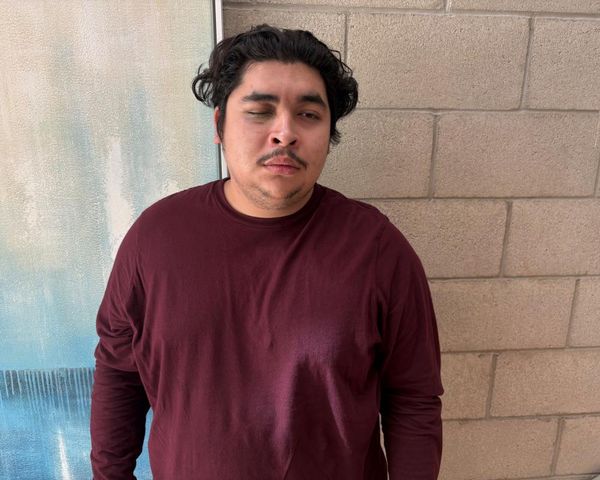
Eathan Cruse was 19 years old on 18 April 2015, when masked, armed and armoured officers from the joint counter-terrorism team entered his parents’ house and then assaulted him while he was in handcuffs.
It was one of six dawn raids conducted that morning in an investigation into a reported plot to kill police and civilians on Anzac Day. Eades was released without charge and another man was later convicted and sentenced to 14 years in jail.
The supreme court judge Melinda Richards said the conduct of the police officers involved in the arrest was “a shocking departure from the standards set for police officers by parliament and expected of them by the community”.
Cruse told the court he had been restrained with cable ties while lying on the floor of the hallway, hit several times to the side of the head, then moved to the kitchen where he was thrown against the fridge, pushed on to the floor and struck a number of times on the head, neck and upper body.
While he was lying on the floor, he said, police told him there was “more to come”.
Richards, who handed down a decision in the case on Tuesday after a three-day trial last month, said she believed Cruse’s account of events. “I have concluded that the arrest was not lawful,” she said.
Richards referred the case to the Independent Broad-based Anti-Corruption Commission.
Cruse’s account was supported by evidence from his father, who said he could not see everything happening in the kitchen from where he was held but: “I’ve heard it. I know what a beating sounds like.”
Richards found that police involved had given “false denials” that were accepted by the Victorian government in its decision to fight Cruse’s claim for damages.
“One or more police officers, armed and armoured, their faces masked, struck Mr Curse repeatedly on to his head, neck and upper body while he was lying, handcuffed and defenceless, on his parents’ kitchen floor,” Richards said. “Mr Cruse feared he might die then and there.”
She also found that police had wrongly suggested that Cruse resisted arrest, unreasonably suggested they were concerned he had a knife, and did not have reasonable grounds to suspect him of involvement in the terrorist plot.
“At no stage has the state acknowledged what occurred or expressed regret or contrition for the conduct of its police officers,” Richards said.
Cruse has suffered major depression and untreated post-traumatic stress disorder since the attack.
Richards said the damages awarded were “not sufficient to bring home to the state of Victoria and Victoria police the enormity of the abuse of power that occurred here” but they would help Cruse obtain medical treatment.
The chief executive of the Victorian Aboriginal Legal Service, Nerita Waight, said Cruse had attempted to deal with the matter through Victoria police’s official complaints system before eventually taking it to court. A Robinson Gill Lawyers principal lawyer, Jeremy King, said the judgment addressed systemic police misconduct.
“The police accountability system unilaterally failed Eathan,” King said. “People should not have to take their matters to the supreme court to get justice for police misconduct.”
The Independent Broad-based Anti-corruption Commission is conducting an inquiry into Victoria police’s handling of complaints of serious misconduct made by Aboriginal people. That report is due out next year.