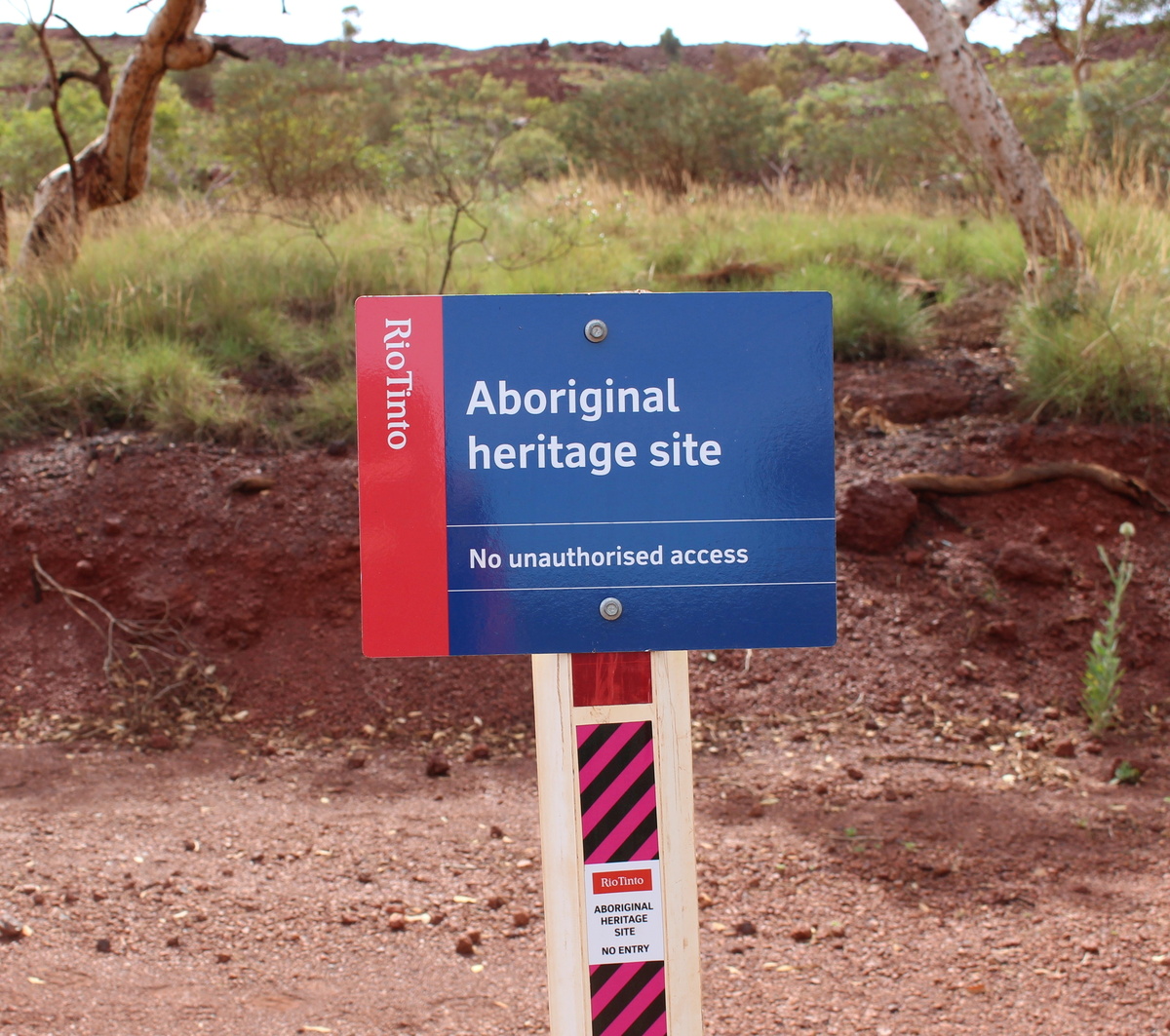
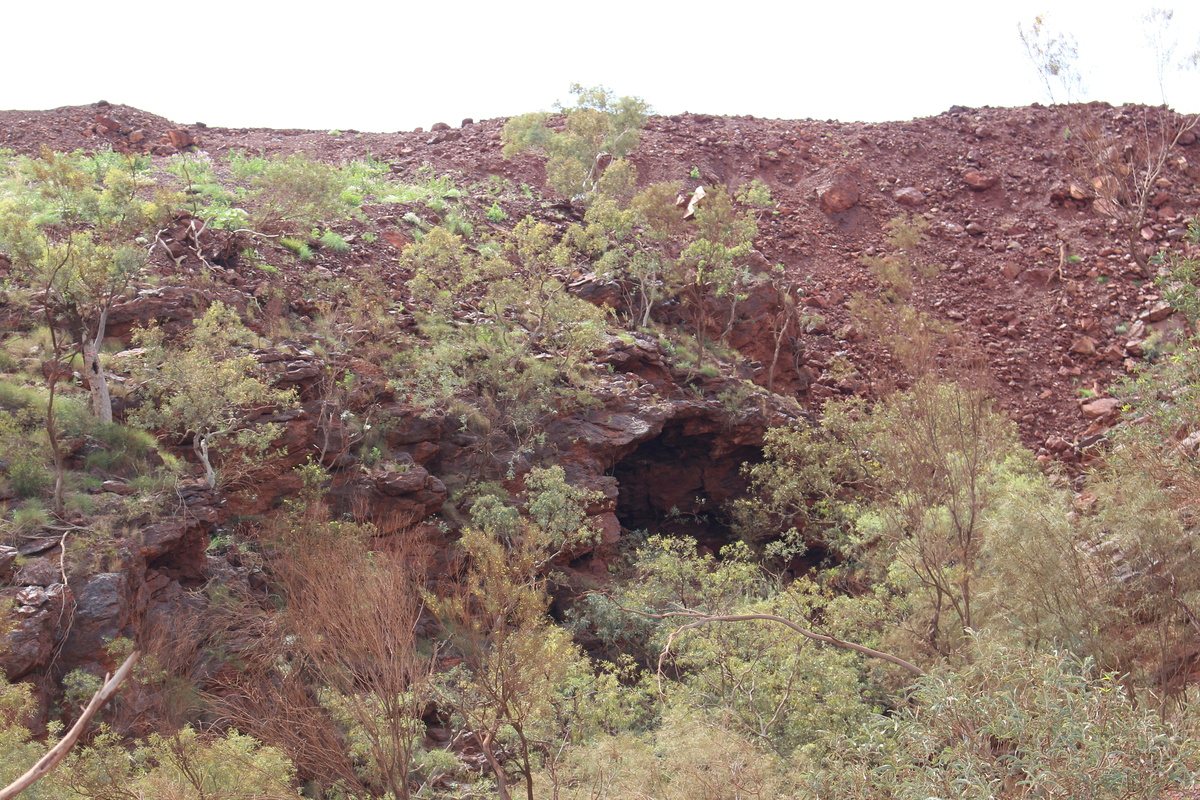
The Aboriginal group whose sacred rock shelters Rio Tinto destroyed in Western Australia last year for an iron ore mine said it was committed to improving its relationship with the miner to ensure such desecration never happens again.
Rio Tinto destroyed 46,000-year-old rock shelters at Juukan Gorge in Western Australia in May 2020 against the wishes of the traditional owners, causing a public outcry. The rock shelters contained some of the oldest evidence of continual human habitation.
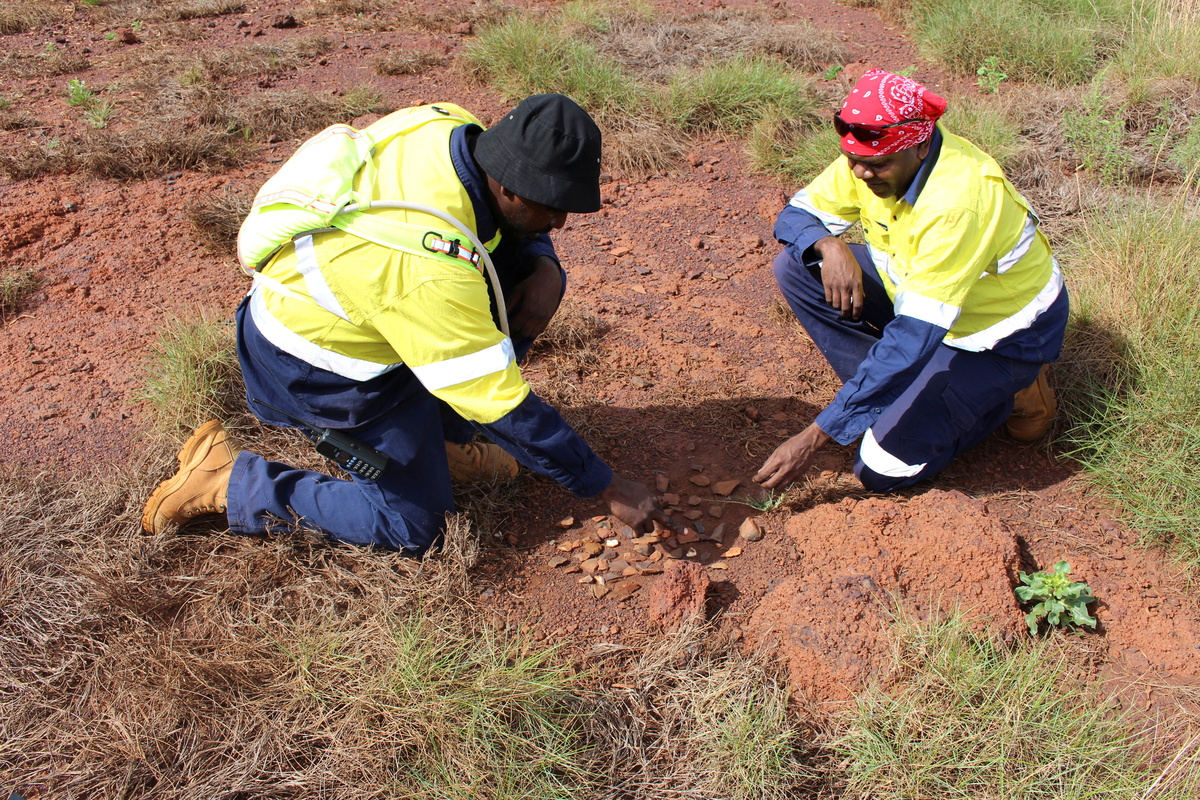
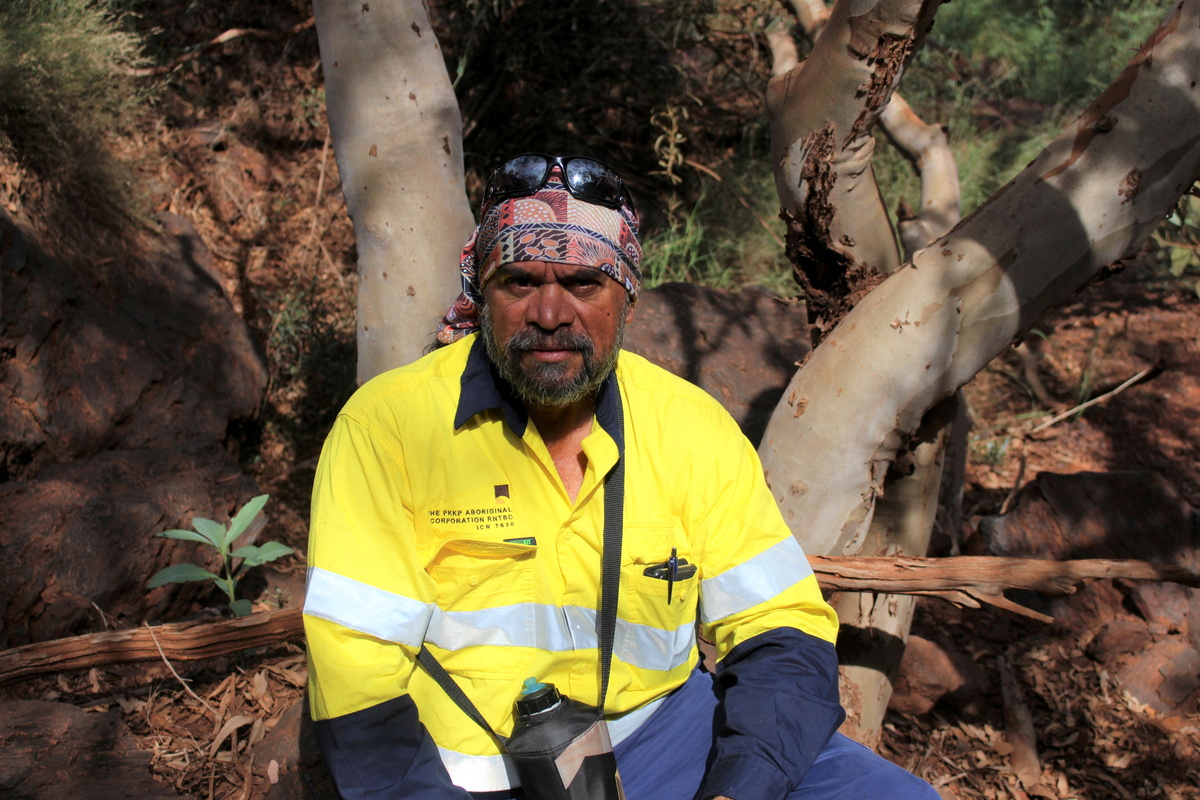
Burchell Hayes, a director at the Puutu Kunti Kurrama and Pinikura Aboriginal Corporation (PKKP), said traditional owners wanted a seat at the table during mine planning to protect cultural heritage sites as part of a co-management model.
"I have always said that we are committed to building that relationship," he said.
"We are not opposed to mining, however we want to ensure that we are around the table when it comes to making decisions about impact on our country. We are not going to let this happen again."
The incident cost Rio's boss, chair and two senior executives their jobs. A majority of Rio Tinto's shareholders rejected the global miner's executive pay packages earlier this month, in a backlash over the destruction.
Rio Chief Executive Jakob Stausholm said he recognised what the PKKP lost was irreplaceable, and caused tremendous grief to Indigenous communities in Australia and around the world.
"The work we have to do at Juukan Gorge is beyond the remediation of the site. We will work in partnership with Traditional Owners and Indigenous communities wherever we operate to secure a shared future," he said in a statement.
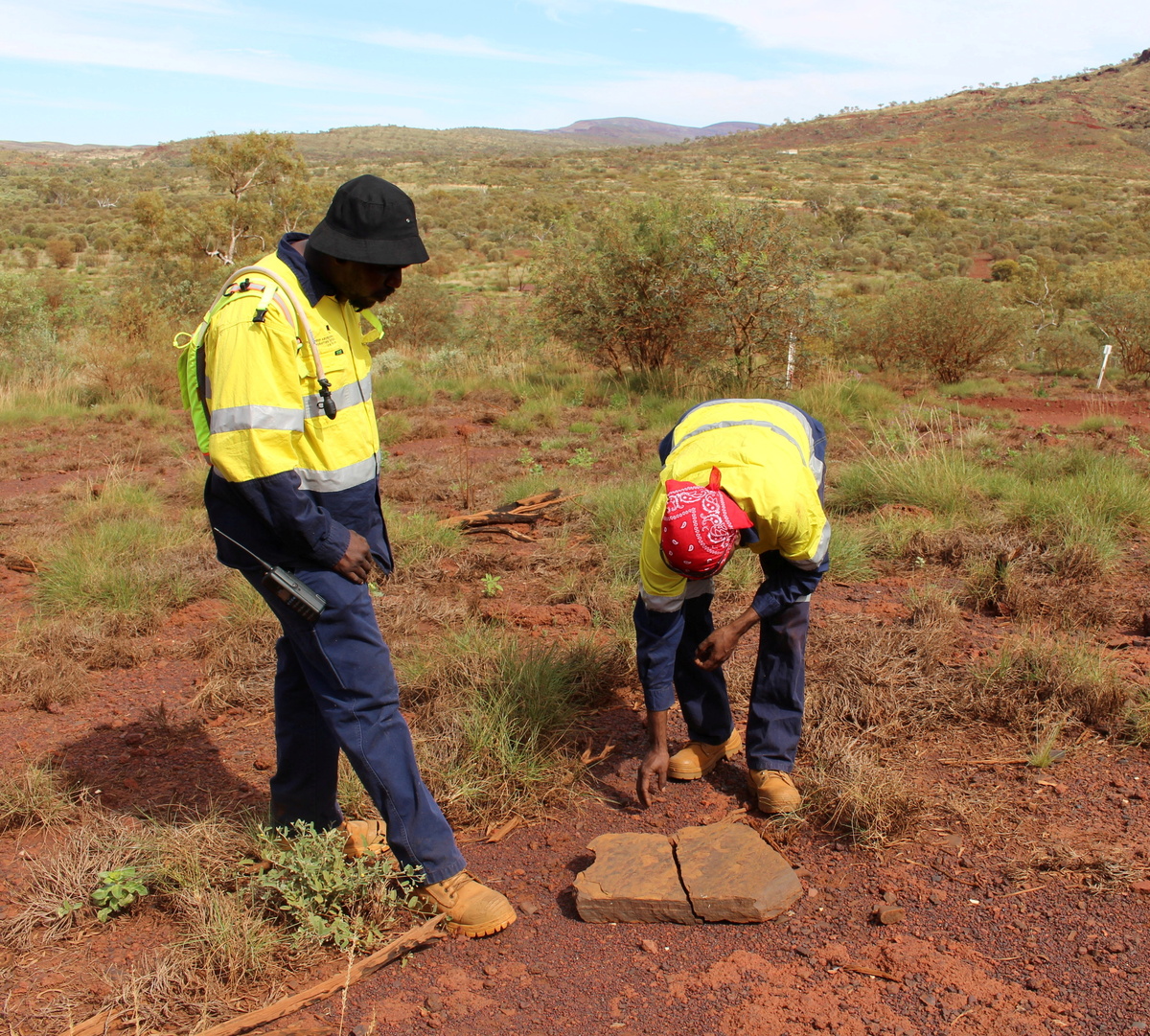
One finding of an Australian inquiry into the incident was that Rio had four potential mine plans, which would not all have impacted the Juukan rock shelters, but that it did not share these alternative options with traditional owners.
Hayes said no compensation could make up for the destruction of the shelters.
"It's proof that our ancestors occupied this area for 46,000 years ... that opportunity was taken away from us when it came to sharing our culture, our heritage and the significance of this site to our future generations," he said.
Among the evidence excavated from the rock shelter prior to its destruction was a 4,000 year-old plaited hair belt that showed genetic links to the Puutu Kunti Kurrama and Pinikura peoples of today.
(Reporting by Melanie Burton; Editing by Ana Nicolaci da Costa and Stephen Coates)