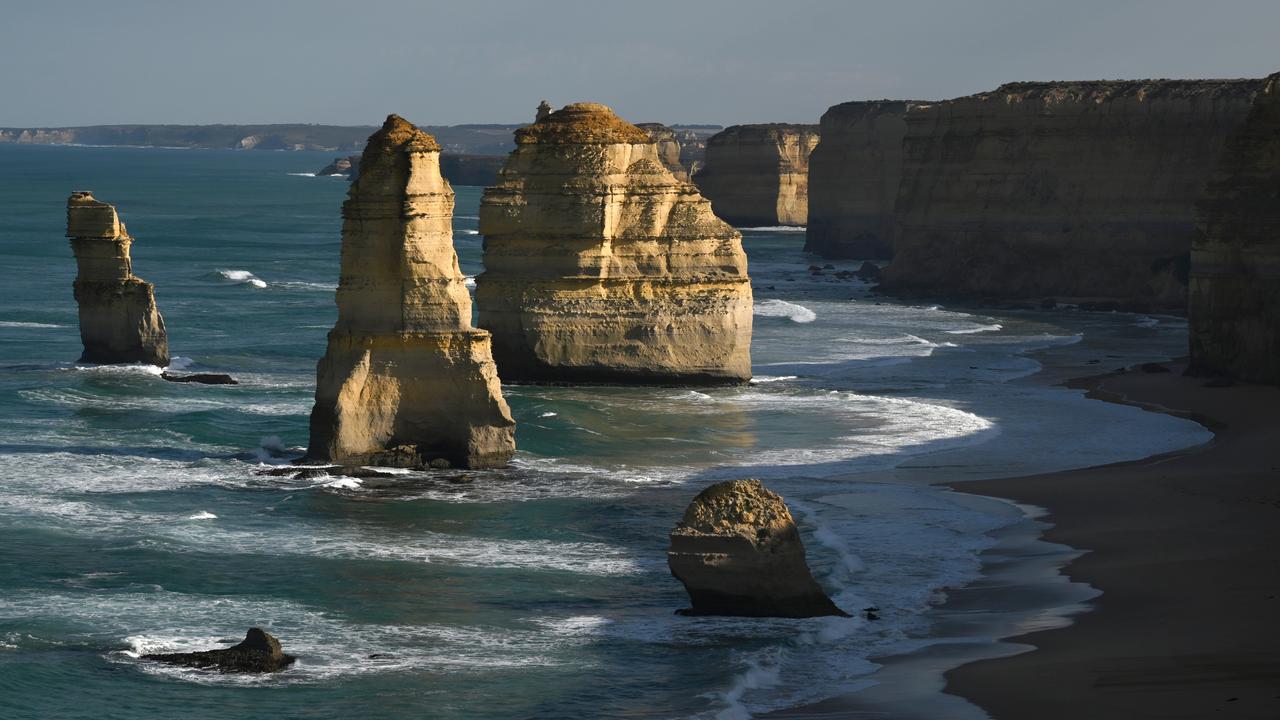
An unpublished doctoral thesis and microscopic fossils have led researchers to uncover the origins of one of Australia's best-known natural wonders.
The Twelve Apostles, along Victoria's Great Ocean Road, attract millions of visitors each year, but how they came to be has never been proven.
A University of Melbourne study, however, has done just that, finding the formations preserve more than 14 million years of history.
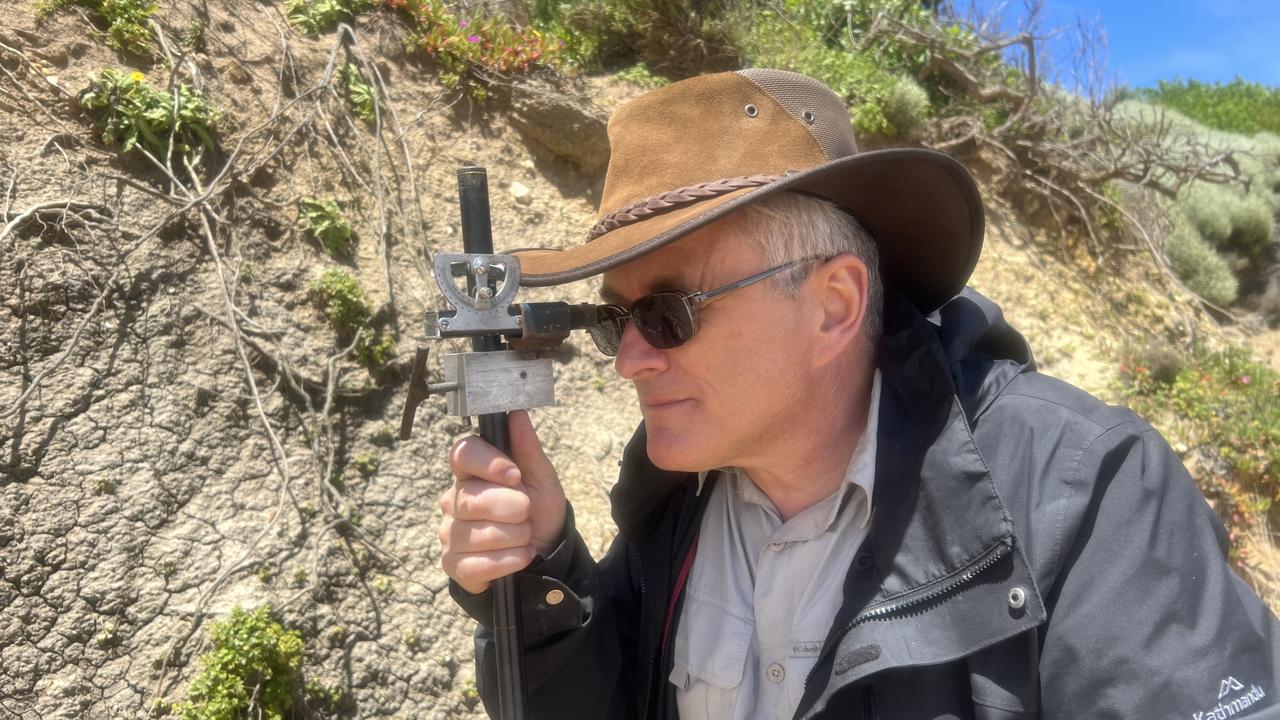
"The layers in the rock, like tree rings, are environmental time capsules," lead researcher Associate Professor Stephen Gallagher told AAP.
The rock was formed under the ocean millions of years ago from the remains of marine organisms, the study found.
The oldest layers formed about 15 million years ago, while the limestone from which the cliffs are made formed 14.1 to 8.6 million years ago.
This means the rock, at its oldest, is up to a million years younger than believed under previous estimates.
Over time, these layers were pushed up, tilted and cracked by movements in the earth's crust, before being exposed along the coastline.
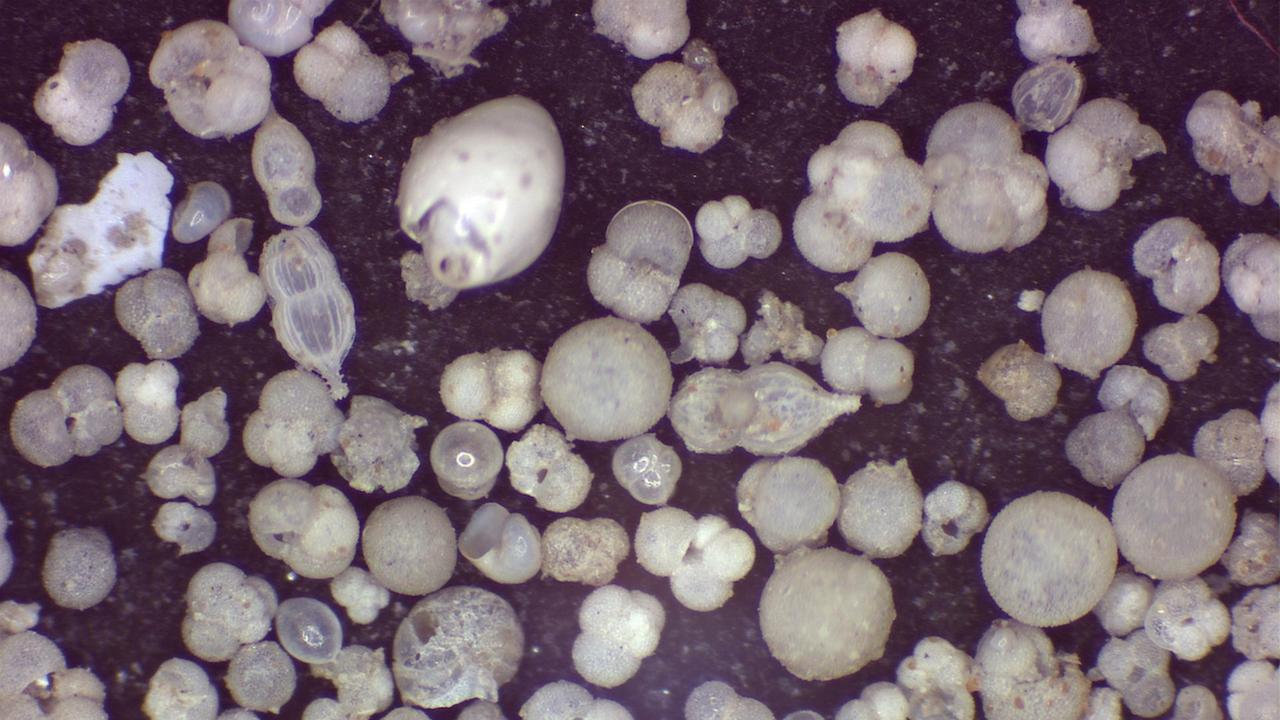
Scientists dated the rocks using microscopic fossils, including some collected by a University of Melbourne PhD student in the 1960s.
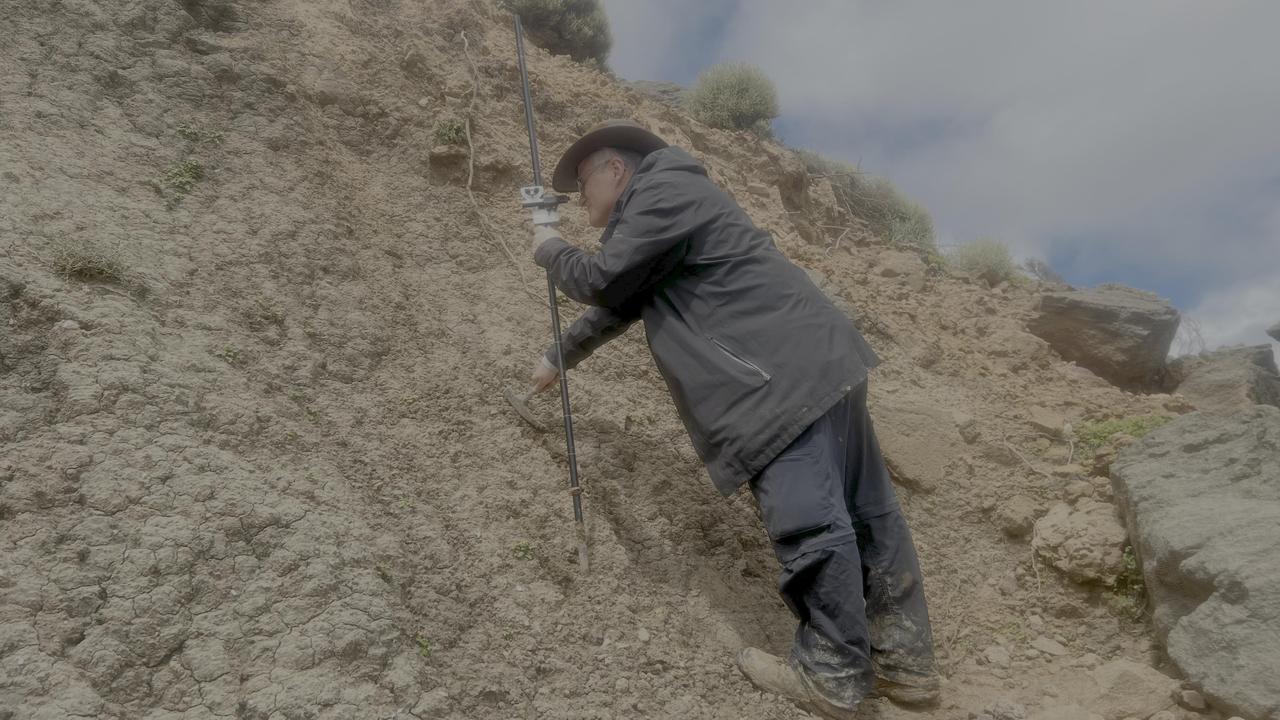
Clifford Mallet shelved his thesis prior to publication, but the samples he collected, from parts of the cliff not accessible today, were archived.
He participated in site visits for the present study, expeditions he said were markedly safer than his own, along blustery cliff faces, had been.
"In terms of current day occupational health and safety, I'm a complete disaster," Dr Mallett said.
While the rocks from which they are made are ancient, the Apostles themselves are relatively new, the study found.
The current cliffs and stacks formed after the last ice age, with most of the visible formations taking shape in just the past few thousand years.
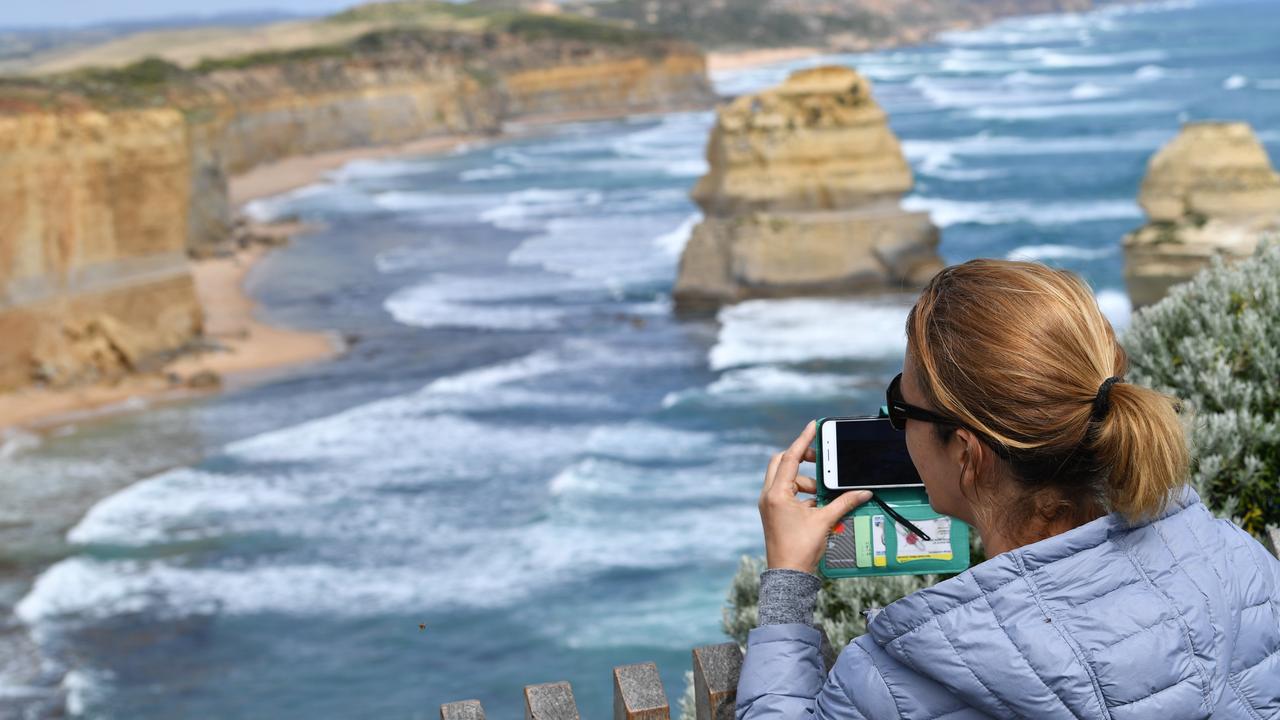
Waves carved caves and arches into the soft limestone, which later collapsed to form the isolated pillars seen today.
The study, published in the Australian Journal of Earth Sciences, also underlines how fragile the formations are, with erosion continuing to reshape the coastline.
Researchers will now turn their sights to what lessons can be extracted from the natural repositories.
"Each layer of these giant structures preserved information about the earth's climate, tectonic activity, plants and animals over millions of years," Assoc Prof Gallagher said.
"We are using this 'window back in time' to understand where temperatures and sea levels may be heading on our current path of climate change."